Why Sassafras Mining and Metals Plants Are Re-evaluating Clarification in 2026
Sassafras, Pennsylvania sits inside the Allegheny and Kiskiminetas tributary drainage, a working coal-prep and metals-finishing corridor where most major operations are coming up on a 2026 NPDES renewal cycle. Compliance sits under two overlapping frameworks: the federal effluent limitations in 40 CFR 440 (TSS plus total recoverable Cu, Pb, Zn, Ni, Cd) and the state mining program administered through PA DEP, which layers acid-mine-drainage coordination and BAMR review on top of the federal baseline. Heavy-metal precipitation chemistry drives pH swings between 6 and 11 across a single shift as lime, caustic, or sulfuric acid is dosed to keep target metals in the hydroxide form.
Real mining-adjacent DAF feed streams have been documented in the Midvaal case study at 3,497–4,693 mg/L total suspended solids and 2,457–4,880 NTU turbidity, figures that are normal for mineral-processing effluents (Janse van Rensburg et al., Water SA, 2019-07). On top of the high solids, hydraulic flow varies 2:1 to 4:1 within a single shift as mill circuits ramp up or bypass streams recycle. That combination of dense loading plus steep hydraulic swings is the reason Sassafras procurement engineers are re-evaluating the primary clarifier decision against 2026 vendor data.
The Four Mining-Specific Contaminant Classes That Drive the Choice
The DAF-or-clarifier decision in a Sassafras coal-prep or metals-finishing plant is dominated by four contaminant classes, each of which points to a different technology.
Class 1 — fine metal-hydroxide flocs. Freshly precipitated Fe, Mn, Al, Cu, and Zn hydroxides carry specific gravities within roughly ±5% of water, which is the exact failure zone for a gravity clarifier: the particles do not settle fast enough within a 2–4 hour retention window. Class 2 — abrasive silica and ore grit exceeding 200 µm. These dense, sharp particles settle readily in a clarifier but chew through DAF recycle pump impellers and air-release nozzles, which is the failure zone for DAF without upstream screening. Class 3 — residual frothing reagents. Xanthates, dithiophosphates, and fatty acids from flotation circuits lower the surface tension of the water, which lets DAF micro-bubbles lift the residual reagent load without an extra chemical push. Class 4 — process oils and emulsified streams from mill lubrication. Hydrophobic micro-bubbles capture these without chemical aid, favoring DAF.
Most Sassafras plants encounter the first three classes in a typical week. Class 2 flips the recommendation back toward a clarifier, making upstream screening non-negotiable for any DAF installation.
How a Clarifier and a DAF Actually Separate Solids
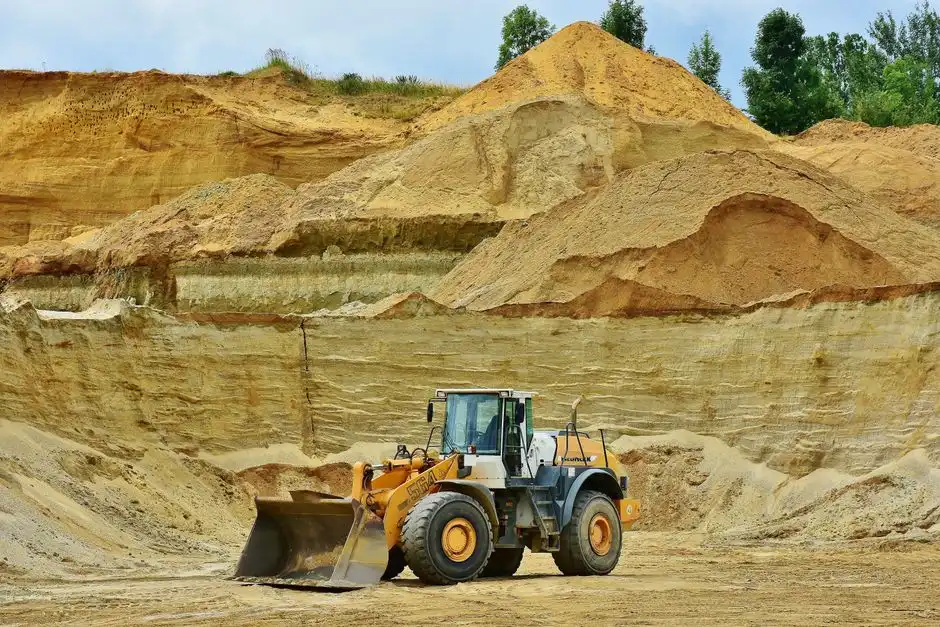
A conventional clarifier is a passive gravity vessel that uses a center well and radial flow to settle particles over a 2–4 hour retention period. The only adjustable levers are sludge withdrawal rate and, on a circular unit, the rotational speed of the scraper mechanism. Clarifier surface loading rates run 1–3 m/h, and the unit struggles with any particle whose specific gravity sits within ±5% of water — exactly where freshly precipitated metal hydroxides land (HydropureWater field data, 2025).
DAF is an active system where a pressurized recycle stream equal to 10–30% of clarified effluent is saturated with air at 4–6 bar, then released at atmospheric pressure inside the flotation tank. The pressure drop nucleates 20–100 µm micro-bubbles that attach to conditioned flocs and float them to the surface, where a skimmer sweeps them into a hopper. DAF surface loading rates run 5–15 m/h, and separation is driven by bubble buoyancy rather than gravity.
For a Sassafras mining feed, hydrophobic particles attach readily to micro-bubbles with minimal chemical aid, while hydrophilic fine metal hydroxides require polymer conditioning — typically a cationic or anionic polyacrylamide flocculant at 0.5–5 mg/L — to bridge particles into flocs large enough to be lifted. When the chemistry is optimized, the DAF system outperforms a clarifier on a mixed mining feed; if the chemistry is incorrect, the float layer collapses, leaving the unit to function like a clarifier with additional equipment and CAPEX.
Side-by-Side Comparison: Clarifier vs DAF for Sassafras Mining Feeds
The matrix below outlines the parameters for a 2026 procurement memo, reflecting the spread between food-grade stainless retrofits and full SS316 mining builds at 4–300 m³/h (HydropureWater field data, 2025).
| Parameter | DAF (conditioned) | Conventional clarifier |
|---|---|---|
| TSS removal on light metal-hydroxide flocs | 92–97% | 40–70% |
| TSS removal on dense grit only | Not the design case | 70–90% |
| Surface loading rate | 5–15 m/h | 1–3 m/h |
| Footprint vs clarifier baseline | ~25% of clarifier | 1.0× baseline |
| Sludge dryness | 3–5% solids float | 1–2% solids underflow |
| Energy | 0.2–0.5 kWh/m³ | Near zero active; continuous underflow pumping |
| Chemical aid required | Polymer 0.5–5 mg/L | Coagulant only on colloidal feeds |
| Surge / flow variability tolerance | High (active aeration tunable) | Low — effluent quality degrades |
| Tolerance to abrasive grit above 200 µm | Low without upstream screening | High |
| Equipment-only CAPEX vs DAF | Baseline | 30–50% lower equipment cost; civil cost often closes the gap |
DAF provides superior footprint, sludge dryness, and surge tolerance, while clarifiers are the correct first stage when the feed carries coarse silica, ore particles above 200 µm, or dense sulfide tailings. The CAPEX gap is often smaller than the equipment price suggests because clarifier civil work scales with footprint, and a DAF system occupying a quarter of the area requires significantly less concrete.
2026 DAF Model Lineup for 4–300 m³/h Mining Flows
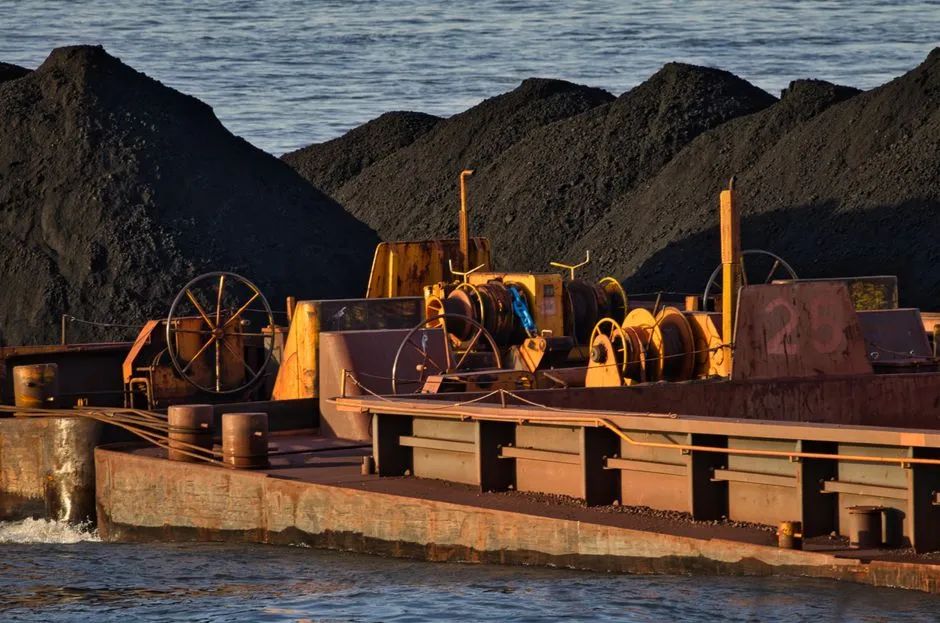
The DAF line includes 13 standard models from DAF-003 to DAF-120, with custom builds extending coverage to 300 m³/h. The following table provides the minimum dimensional and weight data required for a 2026 budget (HydropureWater field data, 2025).
| Model | Flow (m³/h) | Dry weight (kg) | Inlet connection | 2026 indicative pricing |
|---|---|---|---|---|
| DAF-003 | 3 | 1,500 | DN50 | ~$50,000 low end (SS304) |
| DAF-020 | 20 | 3,000 | DN150 | Mid-range SS304 build |
| DAF-040 | 40 | 5,000 | DN200 | Mid-sized Sassafras prep plants |
| DAF-080 | 80 | 7,500 | DN250 | Full SS316 option for abrasive service |
| DAF-120 | 120 | 10,000 | DN300 | $400,000+ for full SS316 with PLC automation |
| Custom | 120–300 | Project-specific | Project-specific | Large concentrator service |
Procurement engineers should verify two specifications: materials choice (SS304 versus SS316 for wetted parts), which drives CAPEX for abrasive Appalachian coal prep service, and automation scope (PLC with effluent monitoring, VFD on the recycle pump). A DAF system quote should break these out as separate line items to ensure accurate pricing.
CAPEX, OPEX, and ROI for a Sassafras Mining Plant in 2026
Equipment-only CAPEX for a 2026 DAF installation runs $50,000–$500,000 across 4–300 m³/h. Clarifier equipment cost is typically 30–50% lower, but civil and foundation work often offset these savings, closing the installed CAPEX gap to 10–25%.
DAF delivers significant OPEX savings because the 3–5% solids float versus 1–2% clarifier underflow translates to 50–70% less waste volume hauled off-site. For a medium-sized Sassafras plant processing 50 m³/h, this reduction saves more than $40,000 per year in disposal fees (HydropureWater field data, 2025). The ROI of 1.5–3 years is further improved by pairing the DAF with an automatic chemical dosing system for flow-proportional polymer control and a plate and frame filter press for downstream dewatering. The mining and metals pretreatment compliance guide provides further context on how regional plants integrate these systems.
Three Non-Negotiables Before a DAF Will Outperform a Clarifier On Site
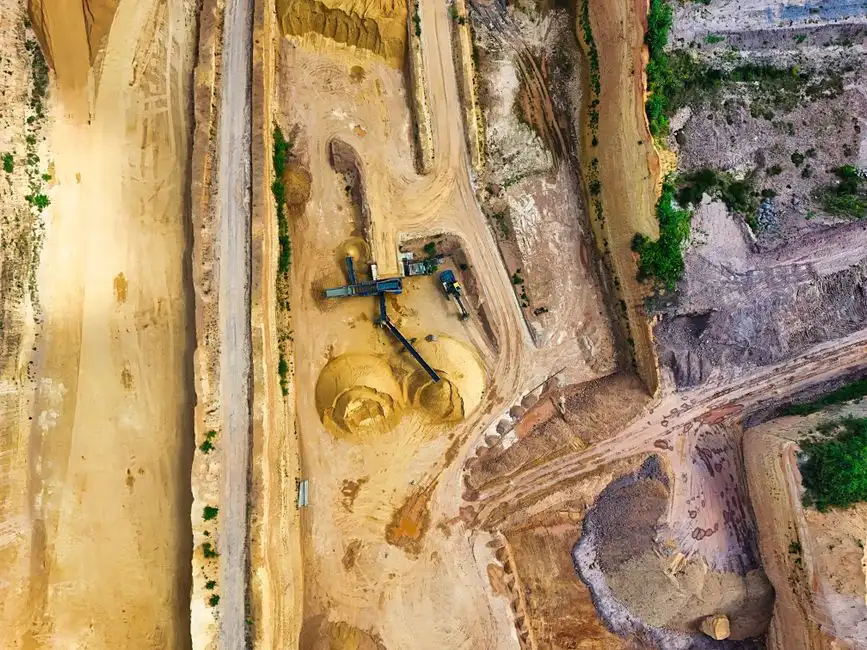
The DAF must meet three operational requirements to achieve its 92–97% TSS removal claim in Sassafras.
First, a rotary mechanical bar screen must be placed upstream to remove debris and coarse grit larger than 2–3 mm, preventing wear on the recycle pump and air-release nozzles. Second, pH must be adjusted to 6.5–8.5 so the polyacrylamide flocculant remains effective across the 6–11 swing inherent in heavy metal precipitation chemistry. Third, an automatic chemical dosing system tied to flow-proportional control must be used to prevent float-layer collapse during concentrate switching. On-site jar testing before procurement is the most reliable method to hedge against these variables, as explained in the chemical dosing system manufacturer guide.
When a Clarifier Is Still the Right Call in 2026
A conventional clarifier is the better 2026 choice when the feed is dominated by dense, abrasive solids — coarse silica grit, sulfide tailings, or ore particles above 200 µm — and the downstream process already includes a thickener that can be repurposed as the primary clarifier. Clarifiers tolerate grit with minimal wear, and for pure grit-removal duty at a primary crushing or mill circuit, a lamella clarifier remains the lower-CAPEX, lower-maintenance option. DAF is best suited for metals and reagent finishing, while clarifiers serve the upstream grit and tailings front end.
Frequently Asked Questions
Can a DAF handle heavy-metal precipitation effluents in Sassafras mining service?
Yes, provided pH is adjusted into the 6.5–8.5 range and the feed is conditioned with 0.5–5 mg/L of an appropriate cationic or anionic polyacrylamide. Under those conditions, DAF routinely delivers 60–80% COD removal and 92–97% TSS removal on mining streams carrying Fe, Mn, Al, Cu, and Zn hydroxide flocs. For metals requiring single-digit ppm limits under 40 CFR 440, DAF should be followed by ion exchange or chemical precipitation (HydropureWater field data, 2025).
Frequently Asked Questions
DAF or clarifier for mining wastewater in Sassafras, US — which should a factory choose in 2026?
In 2026, the choice between Dissolved Air Flotation (DAF) and conventional clarification in Sassafras depends primarily on the density and settling velocity of the suspended solids. DAF is superior for mining wastewater containing light, oily, or hydrophobic particles with specific gravities near or below 1.0, which typically require hydraulic retention times of only 15–30 minutes. Clarifiers are generally more cost-effective for heavy mineral tailings with high settling velocities exceeding 0.5 meters per hour, where gravity separation can achieve effective sedimentation without the operational expenditure of air saturation systems.
What TSS removal can a DAF system achieve on copper, zinc, and lead mining wastewater?
When properly dosed with appropriate coagulants and flocculants, a DAF system can achieve Total Suspended Solids (TSS) removal efficiencies of 90% to 98% for copper, zinc, and lead mining effluents. In scenarios where heavy metals are precipitated as hydroxides or sulfides, DAF effectively floats these light, micro-flocculated particles to the surface, often reducing influent TSS levels from 500–1,000 mg/L down to less than 20–50 mg/L in the effluent stream.
How much does a DAF system cost for a 50 m³/h mining plant in 2026?
For a 50 m³/h mining wastewater treatment application in 2026, the capital expenditure for a skid-mounted DAF system typically ranges between $180,000 and $350,000 USD. This price variability is driven by the metallurgy of the wetted parts—such as the requirement for 316L stainless steel versus carbon steel to combat acidic mine drainage—as well as the inclusion of automated sludge scraping mechanisms, integrated air saturation pumps, and PLC-based chemical dosing skids.
Do I need a rotary bar screen before a DAF for coal-prep wastewater?
Yes, a rotary bar screen or a fine mechanical screen is essential upstream of a DAF unit when processing coal-prep wastewater. Coal-prep streams often contain oversized debris, wood chips, and large coal fines that can clog the DAF’s saturation nozzle or interfere with the sludge removal scrapers. Installing a screen with an aperture size of 1–3 mm is standard practice to protect the DAF internals and ensure continuous operation without frequent mechanical downtime.
Can a DAF and a clarifier be used together on a mining wastewater treatment train?
Yes, a combined treatment train utilizing both technologies is a highly effective strategy for complex mining wastewater. In this configuration, a primary clarifier is used for bulk sedimentation to remove high-density heavy mineral solids, followed by a DAF unit as a secondary polishing stage. This approach allows the DAF to focus on removing residual fine particles, emulsified oils, and low-density precipitates that remain in suspension after primary settling, ensuring the final effluent meets stringent 2026 environmental discharge standards.