Build the complete Ulhasnagar wastewater balance
A data center in Ulhasnagar should separate domestic sewage, cooling tower blowdown, softener regeneration brine, RO reject, heat-exchanger or generator cooling bleed, equipment-cleaning wastewater and any glycol-containing drainage before selecting treatment equipment. The design should link every stream to its chemistry, recovery destination and permit pathway. Supplied research does not establish Ulhasnagar flows, sewer limits, source-water chemistry or utility capacity, so those remain site-verification inputs rather than assumed design values. The U.S. Department of Energy guidance cited by HOBI in 2026 also provides an operating option: raising cycles of concentration from three to six can cut make-up water by about 20% and blowdown by about 50%.
Build the inventory before selecting a skid. For each stream, obtain peak and average flow, operating hours, seasonal variation, storage requirements, chemical additions and the proposed discharge or reuse destination. A data center wastewater route and sizing method is useful for organizing the water balance, but the Ulhasnagar entries must remain blank until verified. A cooling blowdown treatment route comparison can support option review, not substitute for local flow and chemistry data.
| Wastewater stream | Design inputs to obtain | Provisional destination and decision |
|---|---|---|
| Cooling tower blowdown | Peak and average flow; temperature; pH; TDS; silica; hardness; sulfate; chloride; chemicals; cycles of concentration | Do not assign a route until sewer acceptance limits and reuse chemistry are verified |
| Softener regeneration brine | Regeneration frequency; flow; hardness; salt loading; residual softener chemicals | Keep separate from blowdown until concentrate and disposal options are assessed |
| RO reject | Feed flow; recovery; TDS; scaling species; temperature | Evaluate with the selected UF/RO and concentrate-management route |
| Heat-exchanger or generator cooling bleed | Source; flow; temperature; oil or chemical contamination; seasonal profile | Confirm whether it can enter blowdown treatment or needs separate handling |
| Equipment-cleaning wastewater | Cleaning agents; batch volume; frequency; discharge method | Characterize before including it in continuous treatment |
| Domestic sewage | Fixture flow; peak factor; any kitchen or canteen contribution | Route through sanitary wastewater planning; do not combine automatically with process wastewater |
| Potential glycol-bearing drainage | Glycol type; concentration; containment; drain path; maintenance frequency | Segregate accidental-release and maintenance-drainage scenarios |
RSP Engineers, in Process Wastewater Considerations for Data Center Operations (2026), distinguishes industrial process wastewater from domestic sanitary flow because their characteristics and approval routes differ. Glycol should also remain a separate design issue: HOBI’s 2026 review notes that ethylene and propylene glycol can reduce dissolved oxygen if released to surface waters, while glycol-bearing closed loops are intended to remain contained during normal operation.
Characterize blowdown before choosing the process
Cooling tower blowdown contains enough dissolved solids and treatment chemicals to determine the treatment route. HydropureWater’s 2026 Bengaluru article reports published cooling-tower blowdown data of 1,200–6,000 mg/L TDS, typically 4–8 times the makeup-water concentration, with 10–50 mg/L suspended solids. These figures define the test program, not the design basis; obtain local measurements before applying the comparison. Once you have established the site-specific blowdown characteristics, you can proceed to evaluate chemical and physical pretreatment requirements.
Test each candidate stream for pH, conductivity, TDS, silica, calcium hardness, sulfate, chloride, phosphate, residual biocides, corrosion inhibitors and antiscalant. Also record temperature, suspended solids, turbidity and the complete cooling-water chemical program. Membrane compatibility cannot be established from TDS alone: an antiscalant selected for one source-water profile may behave differently when the source changes.
Provide equalization where flow or chemistry varies materially, and cooling or holding capacity where discharge temperature requires control. RSP Engineers identifies a typical pH pretreatment range of 6.0–9.0 and states that sewer or authority limits must govern the final setting. The supplied research does not establish an Ulhasnagar discharge temperature, pH limit or acceptance condition.
| Parameter | Why it affects route selection | Acceptance information required |
|---|---|---|
| pH | Determines neutralization demand and potential sewer or membrane constraints | Verified authority limit and permissible adjustment range |
| TDS and conductivity | Influences sewer acceptability, RO osmotic pressure and concentrate disposal | Local source and blended-feed profile |
| Silica, calcium hardness and sulfate | Define membrane scaling risk and recovery ceiling | Antiscalant compatibility and pilot results |
| Suspended solids and turbidity | Determine filtration and UF pretreatment requirements | Side-stream and final filtrate criteria |
| Biocide, inhibitor and antiscalant | Control biological, corrosion and membrane-fouling compatibility | Complete chemical inventory, SDS and dosing records |
| Temperature | Can affect pretreatment, membrane performance and sewer acceptance | Peak temperature and required cooling or holding duty |
Energy belongs in the early comparison. Open Engineering Inc.’s 2026 LCA, Reclaiming Cooling: Wastewater Reuse as a Strategic Resource for Data Center Water Management, found that the wastewater scenario had about twice the GWP of the freshwater case, with treatment energy accounting for roughly 80% of the difference. The analysis used depth filtration, GAC and chlorination as its primary train, so it is evidence of a life-cycle penalty rather than a direct Ulhasnagar equipment forecast.
Automatic chemical dosing should be considered only after the chemistry program is defined. An automatic dosing system for pH or antiscalant control needs compatible materials, containment and fail-safe controls. An RO and UF membrane and filter-element package should be selected against verified feed chemistry, pilot recovery and required permeate quality, rather than assumed feed values.
Compare sewer pretreatment, UF/RO reuse and ZLD
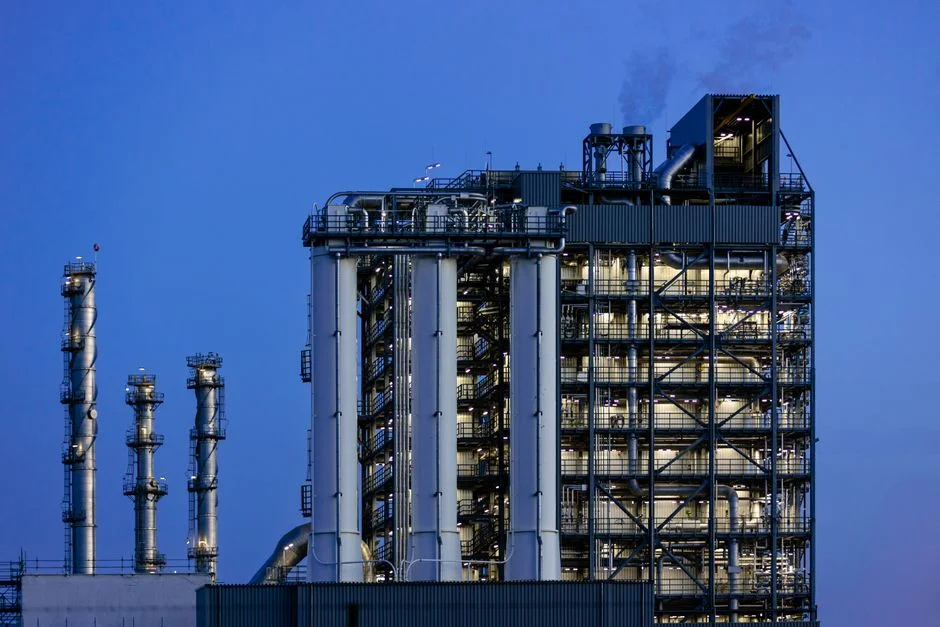
Sewer pretreatment is appropriate only when the verified authority limits can be met for flow, pH, temperature, solids, residual chemicals and TDS. A sewer connection is not permission by itself: HOBI’s 2026 review notes that local pretreatment programs may impose discharge policies, while RSP Engineers states that sewer authority approval can define pollutant limits and required pretreatment. For Ulhasnagar, the applicable sewer acceptance conditions must be obtained from the responsible authority before the route is fixed. Once these regulatory boundaries are set, you can evaluate the technical feasibility of reuse or zero liquid discharge (ZLD) options.
For reuse, the treatment train must answer two separate questions: what quality is needed at the reuse point, and where does every residual concentrate stream go? A UF/RO train may use UF pretreatment for industrial blowdown and an industrial RO system for cooling-water reuse, but the route remains conditional on source-water chemistry, scaling risk, permeate demand and concentrate disposal.
Open Engineering Inc.’s 2026 comparative LCA found that UF+RO wastewater energy use grew to more than five times the freshwater case. The same study reports that improved cycles of concentration reduced blowdown and chemical consumption. Partial or full zero liquid discharge becomes relevant when verified discharge constraints or water-saving objectives require greater concentrate minimization; Saltworks Technologies’ 2026 data-center cooling application describes evaporator-crystallizer systems for true liquid discharge.
| Decision condition | Preferred route to evaluate | Hold point before selection |
|---|---|---|
| Verified sewer limits can be met by confirmed pH, temperature, solids, chemical and TDS controls | Industrial wastewater pretreatment followed by sewer discharge | Obtain written sewer acceptance conditions and connection approval |
| Cooling-water reuse is required and pilot data shows manageable membrane scaling and fouling | UF/RO reuse with controlled concentrate handling | Confirm permeate use, recovery basis, concentrate route and operating energy |
| Verified discharge constraints are stricter than the sewer route can satisfy | UF/RO plus partial ZLD | Confirm residual concentrate destination and thermal-equipment requirements |
| The project requires no liquid discharge and an approved solids-disposal route is available | Full ZLD with crystallizer | Confirm liquid and solid residue acceptance, monitoring and O&M requirements |
The LCA also reports an indirect water penalty of approximately 0.93 L/m³ for the wastewater scenario, less than 0.1% of the direct displacement benefit. That result supports evaluating water savings together with lifecycle energy and carbon, not water volume alone. It does not establish an Ulhasnagar recovery percentage.
Do not import a recovery rate from Bengaluru or another city. Confirm the Ulhasnagar feed profile, scaling limits, electrical carbon intensity, concentrate route and disposal route. If those inputs are unavailable, mark recovery as “to be developed” in the decision matrix rather than sizing the system from another jurisdiction’s assumption.
Turn the selected route into a design and procurement package
The selected route becomes procurable only after the design basis identifies measurable flow, chemistry, recovery, utility and permit requirements. Issue one source-water and wastewater characterization request covering flow, temperature, pH, TDS, silica, hardness, sulfate, chloride, treatment chemicals and seasonal operating bands. The request should identify which parameter is measured, which is supplied by the owner, and which remains unverified. Once this data is formalized, you can initiate the procurement process for the necessary treatment hardware.
Require the selected train to document membrane or media duty, chemicals, power demand, permeate quality, concentrate quantity and recovery basis. HydropureWater’s industrial RO product catalogue specifies recovery rates up to 95%, but that supplier figure is not a site guarantee and should not be treated as Ulhasnagar design evidence. Bidders should state the feed basis and guarantees that produce their proposed recovery.
| Procurement package | Mandatory vendor response | Project-team hold point |
|---|---|---|
| Pilot and design basis | Test protocol, results, membrane compatibility, achievable recovery and concentrate quality | Approve before selecting membrane or media |
| Equipment train | Flow cases, pretreatment duties, chemical demand, power, controls, permeate quality and concentrate quantity | Accept against verified Ulhasnagar inputs |
| Civil and utility interface | Equipment footprint, tank capacity, drainage, containment, chemical storage, access and delivery route | Freeze the site plan before long-lead orders |
| Permit and acceptance | Sampling points, monitoring, reporting, alarms and operating-response plan | Do not release final equipment until applicable requirements are confirmed |
RSP Engineers identifies treatment footprint as a common late-design error. Allocate space for treatment skids, tanks, chemical storage, containment, drainage, maintenance access and safe delivery routes. Where the train includes filtration or polishing, specify the required media, valves and replacement strategy using the multi-media filtration equipment and treatment valves and media only after the duty is defined.
Set permit and acceptance hold points around verified Ulhasnagar sewer or discharge requirements, sampling, monitoring and operating response. No supplied source establishes the applicable local limits, permit pathway or authority contact. The project team should request those documents directly and record the date, issuing authority, applicability and revision for every constraint used in sizing or purchase.
Frequently Asked Questions
What inputs should be used to size blowdown recovery for an Ulhasnagar data center?
Size from verified peak and average flows, feed chemistry, required recovery, operating hours, storage requirements and the concentrate route. Do not size from facility MW alone. The water-balance matrix should distinguish continuous blowdown from batch discharges such as softener regeneration and cleaning wastewater, then identify the design-day condition for each route.
How should bidders compare the cost of sewer pretreatment, UF/RO reuse and ZLD?
Request a comparable lifecycle price basis covering equipment, civil works, chemicals, power, membrane or media replacement, monitoring, concentrate handling, disposal and operator labour. Include sensitivity cases for source-water chemistry and recovery. The supplied research contains comparative Bengaluru cost bands, but no Ulhasnagar quotation; therefore, require site-specific bids rather than transferring those figures into the project budget.
What should a buyer verify before selecting a wastewater-treatment supplier?
Check guaranteed permeate quality, recovery at the specified feed chemistry, energy and chemical consumption, pretreatment completeness, automation, monitoring, footprint,