
Start With the Mousie Effluent Duty
For mining and metals wastewater in Mousie, choose MBR when reliable solids separation, limited footprint or valuable reuse justifies added membrane cost; retain conventional activated sludge when flows are large and dilute, power is inexpensive and serviceable aeration and clarification assets remain. Neither system independently removes every dissolved metal: precipitation or another dedicated step is normally required. The final choice must use the current permit, actual influent chemistry, discharge route, reuse specification and a 60–90 day actual-water pilot, with MBR and CAS evaluated on the same cost and effluent basis.
The Mousie site description should be established before selecting equipment. Record the current NPDES permit, permitted discharge point, flow including seasonal and diurnal variation, measured chemistry, reuse objective and remaining life of existing aeration, clarification and electrical assets. Surface-water discharge, discharge to a publicly owned treatment works, injection, internal reuse and process reuse create different effluent and solids-disposal duties. A retrofit should also be distinguished from a new installation because serviceable civil assets can materially change the comparison.
Federal ore-mining and dressing requirements under 40 CFR Part 440 address arsenic, lead, zinc, copper, nickel and cadmium, but the applicable state permit may impose additional site-specific limits (HydropureWater, 2026). Use the permit and reuse specification—not generic treatment performance—to define the acceptance basis.
| Site input | Information required for Mousie | Decision affected |
|---|---|---|
| Discharge route | Surface water, POTW, injection, internal reuse or process reuse; permitted discharge point | Effluent limits and solids destination |
| Actual flow and chemistry | Flow profile, BOD/COD, pH, hardness, sulfate, TDS, cyanide, ammonia, thiosulfate, dissolved and particulate metals | Biological loading, pretreatment and pilot conditions |
| Reuse specification | Required quality, intended application, variability and consequences of exceedance | Need for polishing and water-value case |
| Existing assets | Condition and remaining life of aeration, clarification, electrical, equalization and sludge handling | Retrofit economics and schedule |
The MBR wastewater membrane bioreactor cost per m³ guide provides a useful scoping reference, but it does not replace the Mousie design basis.
Separate Solids Separation from Metals Removal
Conventional activated sludge and MBR both include biological treatment; they differ primarily in how solids are separated from treated water. CAS microorganisms oxidize biodegradable organics in an aeration basin, after which mixed liquor enters a secondary clarifier. Effluent quality then depends on biological performance and floc settleability. An MBR retains solids physically in submerged modules, separating effluent solids from gravity settling while introducing flux, transmembrane-pressure, cleaning and replacement duties.
Neither train independently removes every dissolved metal. Precipitation or another dedicated removal step is normally required before biological and membrane treatment (HydropureWater, 2026). A metal-bearing sludge stream demonstrates capture of particulate-bound metals, not necessarily removal of dissolved metals. Therefore, validate dissolved and particulate metals separately; otherwise, removal by biological floc capture can be misreported as successful dissolved-metals treatment.
HydropureWater’s 2026 field observation reports a 30–60% loss in CAS removal efficiency during a 24–72-hour period after a metal pulse. This is company field evidence, not a universal performance range, and the disturbance should be reproduced with Mousie wastewater during validation.
| Function | Conventional activated sludge | Membrane bioreactor |
|---|---|---|
| Biological treatment | Microorganisms oxidize biodegradable organics before clarification | Microorganisms perform biological treatment within the membrane reactor |
| Solids separation | Gravity settlement in a secondary clarifier; carryover can occur if floc settling fails | Physical retention by submerged membranes; fouling and cleaning remain critical |
| Dissolved metals | Generally requires precipitation or another dedicated step | Generally requires precipitation or another dedicated step |
| Metal-bearing solids | Captured in settled sludge when floc settles | Captured in membrane sludge or concentrated backwash stream |
| Acceptance evidence | Floc settleability, clarifier capacity and workable sludge route | Validated pretreatment, demonstrated flux, accessible cleaning and funded replacement plan |
Where chemical sequencing is required, coordinate automatic chemical dosing for precipitation and pretreatment with membrane-cleaning controls; dosing capacity is not a substitute for jar and pilot testing.
Screen MBR and Activated Sludge Against the Influent
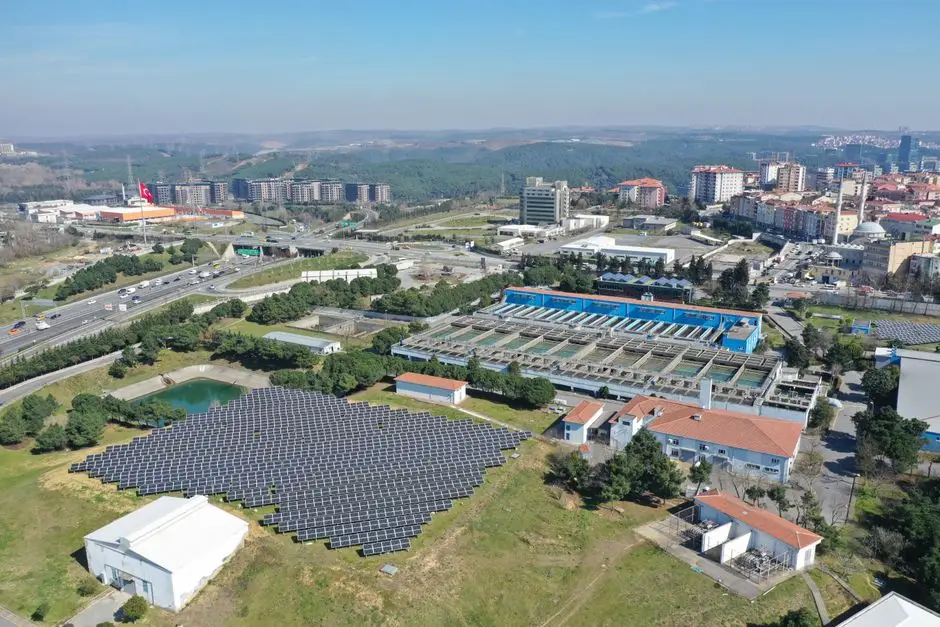
MBR is the stronger screening candidate when Mousie requires dependable solids separation, has constrained land or has a reuse duty that supports membrane costs. CAS remains credible for large, dilute flows with inexpensive electricity, no material reuse driver and serviceable aeration and clarification equipment (HydropureWater, 2026). Actual influent data—not nominal flow—must decide between them.
HydropureWater’s 2026 screening flags—BOD/COD below 0.3, hardness in the thousands of mg/L as CaCO₃, sulfate above 1,000 mg/L and TDS above 5,000 mg/L—are validation prompts, not universal design thresholds or automatic rejection criteria. Cyanide, ammonia and thiosulfate changes can shift oxygen demand. Equalization can damp hydraulic and load shocks, but it does not remove metals.
The trains also operate in different solids-retention regimes. HydropureWater’s 2026 field data place normal MBR operation at 8,000–12,000 mg/L MLSS, compared with 2,000–4,000 mg/L for CAS in the 2026 Lamella-clarifier engineering reference. These values describe different operating regimes; they do not transfer municipal biological loading directly to mining water.
| Screening item | Question for Mousie | Procurement consequence |
|---|---|---|
| Biological feed | Is BOD/COD below 0.3, and can cyanide, ammonia or thiosulfate shifts change oxygen demand? | Require equalization, pilot loading data and an oxygen-demand response plan |
| Mineral chemistry | Are sulfate above 1,000 mg/L, hardness in the thousands of mg/L as CaCO₃ or TDS above 5,000 mg/L? | Test biology, sludge settleability, membrane flux and chemical demand |
| Solids inventory | What are the particle sizes, oils, grease, colloids and grit loads? | Define pretreatment matched to the selected membrane geometry |
| Separation regime | Can floc settle reliably, or must solids separation be independent of settleability? | Screen CAS clarifier performance or MBR flux and cleaning requirements |
| Chemical sequence | What pH and reagent sequence produce compliant effluent without damaging biology or membranes? | Establish the sequence through jar and pilot testing |
HydropureWater’s 2026 specification uses 1–3 mm fine screening, with cited cutoffs of 1–2 mm for hollow-fiber modules and 2–3 mm for flat-plate modules. Confirm the requirement against the selected geometry. HydropureWater’s supplied pH inputs of 8.5–9.5 for CAS precipitation and 6.5–7.5 ahead of MBR pretreatment are comparison values, not universal operating instructions. An integrated MBR wastewater treatment system or DF-series flat-sheet MBR module should not proceed to award without that validation.
Compare Footprint, Cost and Reuse Value
MBR may reduce the civil footprint, but the economic comparison must include pretreatment, equalization, chemical systems, sludge handling, access routes and site utilities. HydropureWater and the 2026 Lamella-clarifier engineering reference estimate approximately 60% less concrete and civil footprint for MBR relative to CAS. That is a comparative screening value, not a Mousie guarantee; both alternatives must be laid out as complete arrangements.
For the supplied 1,000 m³/day scenario, HydropureWater’s 2026 field data and the Lamella-clarifier engineering reference place MBR capital cost 20–40% above equivalent-flow CAS and operating cost 15–30% higher per m³. These figures apply only to that comparison basis and are not a Mousie quotation. Require identical flow, effluent duty, civil scope, pretreatment, sludge handling, energy, chemicals, labor, membrane replacement and disposal costs.
Electricity below about $0.07/kWh is HydropureWater’s 2026 screening condition favoring CAS because aeration becomes a smaller part of the economic penalty. HydropureWater’s 2026 estimated MBR payback is approximately 4–6 years when make-up water costs more than about $2/m³ or brine disposal has a real cost. Replace those assumptions with Mousie’s actual tariff, water value and disposal cost.
| Comparison item | MBR | CAS | Buyer action |
|---|---|---|---|
| Civil footprint | Approximately 60% less concrete and civil footprint in the 2026 comparison | Baseline arrangement | Compare complete site layouts |
| Capital cost | 20–40% above CAS in the 1,000 m³/day scenario | Baseline in the same scenario | Request same-scope pricing |
| Operating cost | 15–30% higher per m³ in the same scenario | Baseline in the same scenario | Include energy, chemicals, labor, replacement and sludge disposal |
| Reuse value | Can justify added cost where reuse has defined value | May remain adequate without a reuse driver | Obtain the water-quality specification before adding polishing |
| Main operating risk | Membrane fouling, transmembrane-pressure rise and replacement | Floc settling failure and clarifier overload | Use pilot acceptance criteria |
Do not assume MBR permeate is suitable for process water, boiler feed, cooling water or zero-liquid-discharge service. Require the actual reuse specification before pricing reverse osmosis, UV or other barriers. The sedimentation tank comparison can support solids-handling review, but it does not establish dissolved-metals compliance.
Build the Pilot and Procurement Acceptance Package
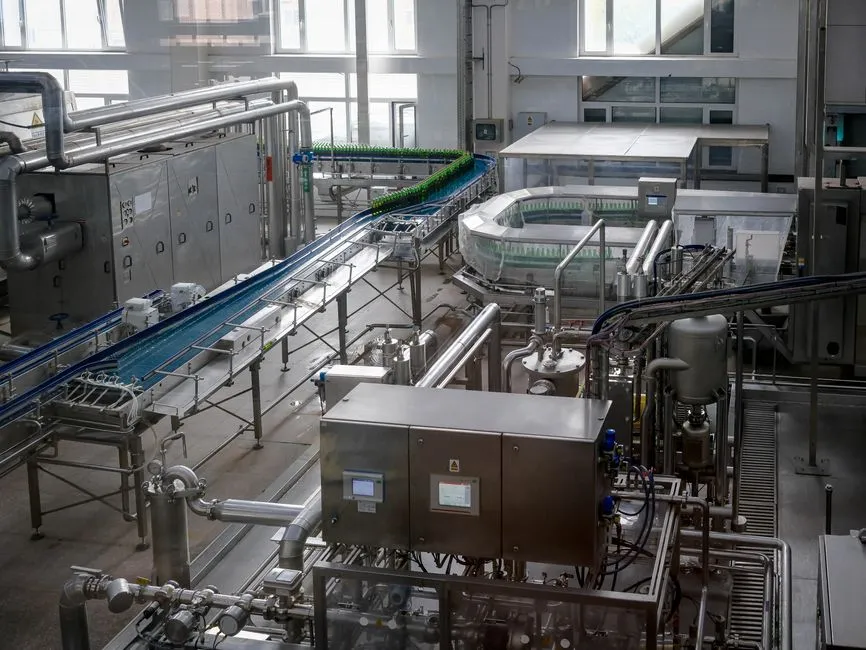
The award gate should be a 60–90 day actual-water pilot, not a generic performance guarantee. HydropureWater’s 2026 guidance recommends that duration when metal pulses, low BOD/COD, sulfate, hardness or high TDS could undermine biology, settling or membrane flux. The pilot should reproduce the flow, chemistry and relevant short-duration disturbances represented in the Mousie design basis.
For MBR, require validated pretreatment, demonstrated flux performance, accessible cleaning and a funded membrane-replacement plan. For CAS, require validated floc settleability, adequate clarifier capacity and a workable sludge route. Both trains require a dedicated dissolved-metals barrier where the design basis calls for one.
- Issue a common data package: current NPDES permit, discharge destination, measured influent matrix, reuse specification, utility constraints, footprint and remaining life of relevant assets.
- Define one analytical protocol that reports dissolved and particulate metals separately and measures turbidity, solids separation, chemical demand, sludge settleability and dewatering.
- For MBR, record transmembrane pressure, normalized flux, cleaning frequency, chemical recovery and return to stable performance. For CAS, record solids capture, settling behavior and clarifier response to representative peaks.
- Test the complete duty against the permit or reuse specification. Do not award against generic MBR performance ranges.
- Require complete quotations on the same flow, effluent, civil, pretreatment, sludge, energy, cleaning, replacement and disposal basis.
- Build a lifecycle model using Mousie’s electricity tariff, make-up-water value, cleaning interval, replacement assumptions and disposal cost.
| Required deliverable | MBR evidence | CAS evidence |
|---|---|---|
| Same-scope quotation | Complete equipment, civil, pretreatment, sludge and lifecycle costs | Same duty and scope for direct comparison |
| Actual-water pilot | Flux, transmembrane pressure, cleaning recovery and disturbance response | Floc settleability, solids capture and clarifier response |
| Metals evidence | Dissolved and particulate metals reported separately | Same analytical basis |
| Sludge route | Measured solids, rheology and dewatering | Measured settled sludge and dewatering |
| Operating commitments | Pretreatment, cleaning protocol, replacement assumptions and access | Clarifier capacity, wasting route and sludge handling |
Size from required flow, actual influent, pretreatment duty, permit requirements and reuse profile—not nominal peak flow alone. HydropureWater’s verified 2026 product catalog lists integrated MBR systems from 10–2,000 m³/day and DF-series modules from 80–225 m² producing 32–135 m³/day. These ranges do not establish treatment performance for Mousie. Select sludge-dewatering equipment from measured properties; a plate-and-frame sludge filter press should follow pilot solids and cake-handling results.
Frequently Asked Questions
When is conventional activated sludge economically preferable for a Mousie mining project?
CAS is most credible when flows are large and dilute, electricity is inexpensive, no material reuse value depends on polishing, and existing aeration and clarification assets remain serviceable. To confirm the conclusion, request the actual electricity tariff, flow profile, required effluent quality, available footprint and remaining life of the existing assets, then compare them on the same capital and operating-cost basis as MBR.
Does an MBR remove dissolved metals from mining wastewater?
No. Membrane solids retention does not remove every dissolved metal, and both MBR and CAS generally require precipitation or another dedicated dissolved-metals removal step. Require separate dissolved and particulate metal results from actual-water testing so that particulate capture is not credited as dissolved-metals treatment.
How should a Mousie project be sized and piloted?
Size from required flow, measured influent chemistry, pretreatment duty, current permit and reuse profile. Run the recommended 60–90 day actual-water pilot under representative disturbances, measuring solids separation, dissolved and particulate metals, chemical demand and sludge behavior; for MBR, also record flux, transmembrane pressure and cleaning recovery.
Which supplier deliverables should be required before award?
Require a same-scope quotation, the pilot basis and results, module-specific pretreatment details, cleaning and chemical-recovery data, membrane-replacement assumptions, sludge-handling evidence, and a lifecycle comparison using Mousie’s utility tariff, reuse value and disposal cost. Also require written confirmation of the discharge route, available footprint, utility constraints and reuse specification. A generic performance range cannot replace these deliverables.