What decision should be made for a Gatliff mining wastewater system?
For mining and metals wastewater in Gatliff, MBR is generally stronger when reliable solids separation, a constrained footprint or water reuse justifies higher capital and operating cost. Conventional activated sludge remains competitive for large, dilute flows where power is inexpensive, there is no reuse driver and the existing aeration basin and clarifier are serviceable. Neither option independently removes every dissolved metal: precipitation or another dedicated treatment step is normally required, and 40 CFR Part 440 covers arsenic, lead, zinc, copper, nickel and cadmium. The defensible choice depends on the current permit, actual influent chemistry, discharge destination and a site-specific pilot.
The decision is not simply “MBR or CAS.” A membrane bioreactor combines activated-sludge biology with submerged membrane separation; conventional activated sludge uses aeration followed by gravity separation in a secondary clarifier. Gatliff’s location does not determine the answer by itself. Review the current NPDES permit, discharge point, measured influent, reuse objective and remaining life of existing civil assets before comparing equipment.
The discharge route defines the required treatment. Surface-water discharge, discharge to a publicly owned treatment works, injection-well use and internal reuse impose different effluent duties and solids-disposal requirements. Membrane solids retention alone does not demonstrate compliance. Federal ore-mining and dressing requirements under 40 CFR Part 440 address arsenic, lead, zinc, copper, nickel and cadmium, but the applicable state permit may impose additional site-specific limits.
Use conventional activated sludge as the screening option for large dilute flows with inexpensive electricity, no reuse driver and serviceable aeration and clarification equipment. Use MBR where separation reliability, land availability or reuse value outweigh additional membrane and operating costs. The mining wastewater MBR versus activated sludge comparison provides a secondary screening reference; it does not replace site data.
How each treatment train handles metals, organic load and flow disturbances
In a CAS train, microorganisms oxidize biodegradable organics in an aeration basin. Mixed liquor then enters a secondary clarifier, where biological solids settle by gravity. Return activated sludge is recycled to the aeration basin, while waste activated sludge is removed. Effluent quality therefore depends on biological performance and the settleability of the produced floc.
An MBR also performs activated-sludge treatment, but submerged membrane modules retain solids physically. This decouples effluent solids concentration from floc settleability. It does not, however, make dissolved metals particulate. Dissolved metals require precipitation or another dedicated removal step before the biological and membrane stages. This distinction is critical when evaluating sulfide precipitation for heavy metals.
Particulate-bound metals can report to captured sludge when floc is separated. That is a solids-capture pathway, not evidence that the dissolved-metal concentration has been reduced. A metal pulse can still disrupt biology and sludge handling in both trains.
| Design issue | Conventional activated sludge | MBR |
|---|---|---|
| Solids separation | Gravity settlement in a secondary clarifier | Physical retention by submerged membranes |
| Dissolved metals | Requires precipitation or another dedicated step | Requires precipitation or another dedicated step |
| Particulate-bound metals | Captured in settled sludge if floc settles | Captured in membrane sludge or concentrated backwash stream |
| Disturbance sensitivity | Settling failure can allow particulate-metal carryover | Separation is less dependent on floc settleability, but fouling and cleaning remain critical |
HydropureWater’s 2026 screening guidance identifies BOD/COD ratios below 0.3, hardness in the thousands of mg/L as CaCO₃, sulfate above 1,000 mg/L and TDS above 5,000 mg/L as demanding mining-influent indicators. These are validation flags, not universal design thresholds or automatic rejection criteria.
Cyanidation circuits may introduce cyanide, ammonia and thiosulfate, producing changes in oxygen demand. Equalization reduces hydraulic and load shocks before biological treatment, but it does not remove metals. HydropureWater’s 2026 field observation also reports a 30–60% loss in CAS removal efficiency during a 24–72-hour period after a metal pulse. Present that as company field evidence, not a universal performance range, and reproduce the relevant disturbance with actual water.
Compare biological capacity, separation and treatment stability
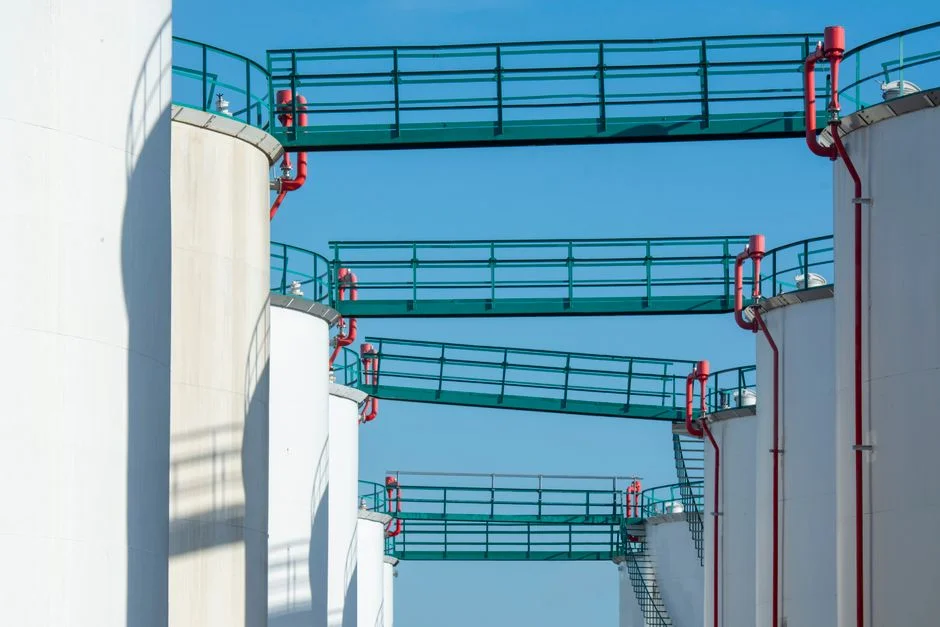
HydropureWater’s 2026 field data place normal MBR operation at 8,000–12,000 mg/L MLSS, compared with 2,000–4,000 mg/L for conventional activated sludge in the 2026 Lamella-clarifier engineering reference. The comparison indicates a different solids-retention regime, but it does not transfer municipal biological loading directly to mining water.
MBR retention provides a physical barrier between biomass and treated effluent. The resulting duties are flux, transmembrane pressure, cleaning and eventual membrane replacement. CAS avoids membrane-specific capital and maintenance requirements, but its effluent depends on biological floc settleability and secondary-clarifier performance.
| Parameter | Conventional activated sludge | MBR |
|---|---|---|
| MLSS reference | 2,000–4,000 mg/L, Lamella-clarifier engineering reference, 2026 | 8,000–12,000 mg/L, HydropureWater field data, 2026 |
| Separation mechanism | Secondary-clarifier settling | Submerged membrane barrier |
| Cited MBR effluent ranges | Not applicable | 0.01–1.31 NTU turbidity and 0.10–0.72 mg/L BOD₅, cited by HydropureWater from an EPA MBR fact sheet, 2026; the excerpt states these values are not established by that fact sheet |
| Main operating risk | Poor settling, clarifier overload and metal-bearing sludge carryover | Fouling, transmembrane-pressure rise, cleaning demand and replacement |
| Sludge consideration | Waste activated sludge requires dewatering | May have lower settleability and more colloidal particles than CAS waste activated sludge, according to HydropureWater, 2026 |
The cited MBR effluent ranges should not be treated as permit evidence. Actual performance must be demonstrated against the Gatliff effluent duty using site water and representative disturbances.
Salinity and TDS can inhibit nitrifiers. Elevated sulfate and hardness can contribute to biological stress or membrane fouling, depending on the actual chemistry and operating conditions. Sludge properties also affect downstream equipment. A plate-and-frame sludge filter press should be evaluated from measured solids, rheology and dewatering results rather than selected from a generic MBR specification.
Pretreatment and control requirements that determine MBR feasibility
Fine screening and controlled chemistry are the primary defenses against membrane damage and accelerated fouling. HydropureWater’s 2026 specification requires 1–3 mm fine screening, with cited cutoffs of 1–2 mm for hollow-fiber modules and 2–3 mm for flat-plate modules.
Confirm the screening specification against the selected module geometry and the actual solids inventory. A rotary mechanical bar screen may form part of the headworks scope, but screening alone does not remove oil, grease, dissolved metals or fine colloids. Characterize oil, grease and turbidity before deciding whether additional headworks equipment is required.
Equalization volume must be calculated from actual diurnal flow and load data. It should damp hydraulic and chemical shocks, including oxygen-demand swings from cyanide, ammonia and thiosulfate where relevant, without being treated as a metals-removal barrier. If the analysis indicates that floatables removal is needed, include the appropriate solids-removal step before the membrane system.
pH adjustment and reagent feed should operate automatically within the equipment-specific envelope. An automatic chemical dosing system should be coordinated with precipitation, pretreatment and membrane-cleaning controls so that chemical sequences do not conflict.
HydropureWater’s 2026 cited routine cleaning chemicals are sodium hypochlorite and citric acid. The operating plan should cover reagent delivery, cleaning recovery, membrane-condition assessment, cleaning frequency and eventual replacement. Automatic dosing is not a substitute for determining the chemical sequence through jar and pilot testing.
HydropureWater’s 2026 validation triggers include sulfate above 1,000 mg/L and hardness in the thousands of mg/L as CaCO₃. Use these to prompt membrane-fouling and chemistry testing, not as universal rejection thresholds.
Compare footprint, capital cost and operating cost on the same basis
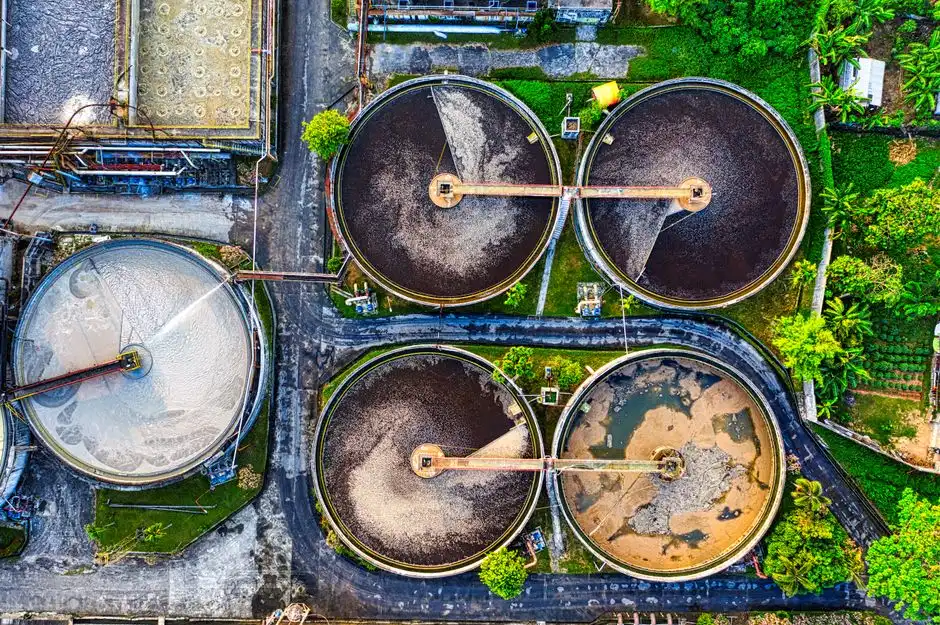
HydropureWater and the Lamella-clarifier engineering reference, both dated 2026, estimate approximately 60% less concrete and civil footprint for MBR relative to conventional activated sludge. That is a comparative screening value; a Gatliff design must still fit the selected trains, equipment, access routes and civil constraints.
For a 1,000 m³/day comparison, HydropureWater field data from 2026 and the Lamella-clarifier engineering reference place MBR capital cost 20–40% above equivalent-flow CAS and operating cost 15–30% higher per m³. The comparison should be treated as a scenario, not a quotation for Gatliff.
| Economic item | Same-scope comparison | Procurement treatment |
|---|---|---|
| Civil footprint | Approximately 60% less concrete and civil footprint for MBR, HydropureWater and Lamella-clarifier engineering reference, 2026 | Compare the complete plant arrangement, including pretreatment and sludge handling |
| Capital cost | MBR 20–40% above CAS in the 1,000 m³/day example, HydropureWater field data and Lamella-clarifier engineering reference, 2026 | Use identical flow, effluent basis, civil scope and disposal requirements |
| Operating cost | MBR 15–30% higher per m³ in the same 1,000 m³/day example and scope, 2026 sources above | Include electricity, cleaning chemicals, membrane replacement, labor and sludge disposal |
| Payback screening | Approximately 4–6 years when make-up water costs more than about $2/m³ or brine disposal has a real cost, HydropureWater, 2026 | Recalculate with Gatliff water value, tariff and disposal cost |
MBR cost drivers include membrane cassettes, fine screens, permeate pumps, PLC upgrades, air-scour energy, chemical cleaning and membrane replacement. HydropureWater’s 2026 screening condition of electricity below about $0.07/kWh favors CAS because aeration becomes a smaller part of the economic penalty.
Reuse can justify MBR even when direct operating cost is higher. However, MBR permeate is not automatically suitable for process water, boiler feed, cooling water or zero-liquid-discharge service. Obtain the actual reuse specification before assigning polishing equipment. The MBR wastewater membrane bioreactor cost per m³ guide is useful for scoping the calculation, but all quotes should use the same effluent duty, civil works, pretreatment, sludge handling and disposal basis.
Build the correct treatment train for the Gatliff discharge or reuse objective
The equipment selection comes last. The treatment train should be assembled in this order:
- Equalization and appropriate headworks, sized from measured flow, solids and load data.
- Dedicated metals removal where the influent analysis and permit require it.
- Biological treatment where biodegradable organics and the applicable treatment objective justify it.
- Solids separation by secondary clarification or membrane separation.
- Sludge handling selected from measured waste properties.
- Application-specific polishing for the discharge route or reuse requirement.
UV or reverse osmosis should not be included merely because an MBR is proposed. Those barriers are required only when the reuse application calls for them. An integrated MBR wastewater treatment system combines biological treatment with submerged PVDF membrane filtration, but the downstream and upstream duties remain site-specific.
HydropureWater’s 2026 approximate pH comparison inputs are 8.5–9.5 for a CAS precipitation stage and 6.5–7.5 ahead of MBR membranes. These are comparison inputs, not universal operating instructions. Establish the chemical sequence through jar testing and pilot work, then confirm final targets through process design and permit review.
Sludge dewatering must be selected against measured properties. MBR waste sludge can contain more colloidal material and have lower settleability than CAS waste activated sludge, according to HydropureWater, 2026. The final plate-and-frame sludge filter press scope should therefore reflect measured solids, capture requirements and cake-handling constraints.
The acceptance test for each train is different. CAS requires validated floc settleability, adequate clarifier capacity and a workable sludge-handling route. MBR requires validated pretreatment, demonstrated flux performance, accessible cleaning and a funded replacement plan. Both require a dedicated dissolved-metals barrier when the design basis calls for one.
Use a 60–90 day pilot to convert the comparison into a defensible purchase
HydropureWater’s 2026 guidance recommends a 60–90 day cassette pilot with actual wastewater when metal pulses, low BOD/COD, sulfate, hardness or high TDS could undermine biological performance, settleability or membrane flux. The pilot should reproduce the flow and chemistry represented in the design basis, including relevant short-duration disturbances.
| Pilot measurement | Decision supported |
|---|---|
| Solids separation and turbidity | Confirms whether either separation train meets the required effluent quality |
| Dissolved and particulate metals measured separately | Distinguishes dedicated dissolved-metals removal from capture of metal-bearing solids |
| Transmembrane pressure and normalized flux | Identifies fouling rate and cleaning demand |
| Chemical demand and cleaning recovery | Quantifies pretreatment, pH control and membrane-cleaning costs |
| Sludge settleability and dewatering | Selects sludge-handling equipment from actual waste properties |
| Permit and reuse comparison | Tests the complete duty against the current NPDES permit, discharge destination or reuse specification |
Measure dissolved and particulate metals independently. Otherwise, removal by biological floc capture may be misread as successful dissolved-metals treatment. Record results against the current permit and stated reuse requirement, not against a generic MBR performance range.
Build the final lifecycle model with Gatliff’s actual electricity tariff, make-up-water value, duty profile, cleaning interval, membrane replacement assumptions and sludge-disposal cost. A DF-series module can provide a defined pilot platform; HydropureWater’s verified product catalog states that the 0.1 μm PVDF flat-sheet configuration is available from 80–225 m² and produces 32–135 m³/day. A DF-series membrane module must still be matched to the actual wastewater and pilot objectives.
The procurement rule is straightforward: generic supplier performance cannot replace site-specific validation where metal pulses, sulfate, hardness or TDS affect biology, settling or membrane operation. The selected supplier should provide the pilot basis, pretreatment assumptions, cleaning protocol, replacement assumptions and complete same-scope quotation.
Frequently Asked Questions
How much more does MBR cost than conventional activated sludge for mining wastewater?
In the 2026 HydropureWater and Lamella-clarifier comparison at 1,000 m³/day, MBR capital cost was 20–40% above equivalent-flow CAS and operating cost was 15–30% higher per m³. A Gatliff budget should request an actual quotation using the same flow, effluent duty, civil scope, pretreatment, sludge handling, energy, cleaning and membrane replacement. Also request a lifecycle comparison using the local electricity tariff, reuse value and disposal cost; no site-specific price can be inferred from the comparison alone.
How should an MBR system be sized for a mine wastewater installation?
Size from the required flow, actual influent matrix, pretreatment duty, permit requirement and reuse profile—not nominal peak flow alone. HydropureWater’s verified product catalog lists an integrated MBR system range of 10–2,000 m³/day and a DF-series module range of 80–225 m² producing 32–135 m³/day. Require written confirmation of train configuration, redundancy, pretreatment and suitability for Gatliff wastewater; these ranges do not establish treatment performance by themselves.
Does an MBR automatically satisfy mining-wastewater metals limits?
No. Membrane solids retention does not remove every dissolved metal. 40 CFR Part 440 addresses arsenic, lead, zinc, copper, nickel and cadmium, and both trains generally need dedicated dissolved-metals treatment. The applicable Gatliff decision must be tied to the current NPDES permit, with dissolved and particulate metals measured separately during validation.
What should a supplier provide before being selected for an MBR retrofit?
Require a same-scope quotation, actual-water pilot evidence, module-specific pretreatment details, cleaning and chemical-recovery data, membrane replacement assumptions and a sludge-handling basis. Also ask the supplier to document the Gatliff discharge route, available footprint, utility constraints and reuse specification. A supplier’s generic performance range cannot substitute for those project-specific deliverables.
What Gatliff-specific information is needed before selecting MBR or CAS?
Confirm the discharge route, current permit, electrical tariff, available footprint, reuse value, actual flow and chemistry, and the remaining life of existing aeration and clarification assets. A separate mining and metals-plant discharge-limit review can help structure permit questions, but it does not establish Gatliff’s requirements. Use those site inputs to define the pilot and issue comparable bids.