Establish the Controlling Discharge Limits
Industrial user sewer discharge is controlled through the receiving POTW’s pretreatment requirements, not an NPDES permit for that sewer connection, while separate surface-water outfalls may require NPDES authorization. The design basis must combine 40 CFR Part 403, any applicable categorical standard, and current POTW local limits at the point of connection. Equipment should not be sized until the receiving authority, enforceable limits, sampling point, and batch-flow profile are documented.
EPA states that POTW local limits are site-specific and protect the treatment works, its sludge, and receiving waters; they are imposed at the end-of-pipe discharge from an industrial user, meaning the point of connection to the POTW collection system (EPA, Pretreatment Standards and Requirements—Local Limits, undated). For a mining or metals facility near Montgomery, first identify the actual receiving POTW and obtain its current sewer-use ordinance, local limits, monitoring rules, sampling point, and enforcement provisions. The supplied research does not identify the Montgomery-area POTW or provide its ordinance, so neither can be assumed.
Determine the legal discharge route before selecting a treatment train. Sewer discharge falls under Clean Water Act §307(b) and 40 CFR Part 403; direct discharge to surface water follows the NPDES route under Clean Water Act §402. A facility may hold both authorizations when separate outfalls exist, but the sewer permit does not replace an NPDES permit for surface water.
Next determine whether the operation falls within 40 CFR Part 437 for ore mining and dressing, 40 CFR Part 433 for metal finishing, or both. A commercial pretreatment guide reports that the Part 437 comparison includes zinc at 1.0 mg/L as a daily maximum and 0.5 mg/L as a monthly average (HydropureWater, How Mining & Metals Plants Meet Pretreatment Limits Before Sewer Discharge, undated). That is not a Montgomery limit, and the current POTW terms must be checked before it becomes a design criterion.
| Decision item | Evidence or source to obtain | Engineering consequence |
|---|---|---|
| Receiving authority | Name and contact details of the receiving POTW | Confirms which authority issues authorization and enforcement requirements. |
| Legal route | Confirmation of sanitary-sewer connection or surface-water discharge | Selects pretreatment or NPDES requirements. |
| Federal applicability | Part 437, Part 433, or neither, as applicable | Sets applicable categorical requirements. |
| POTW local limits | Current ordinance and written interpretation | Controls where more stringent than the categorical standard. |
| Compliance point | POTW-specified monitoring or sampling location | Defines the performance boundary. |
| Authorization conditions | Monitoring frequency, analytical methods, reporting, and enforcement terms | Defines controls, records, and acceptance testing. |
Characterize Wastewater and Batch Peaks
Treatment selection depends on the wastewater’s changing chemistry and hydraulic profile, not on the labels “mine drainage” or “process wastewater.” Representative sampling must connect dump-leach cycles, mill clean-outs, and shift changes to the flows that will actually pass through the plant.
Create a sampling plan that covers the operating conditions that produce the highest expected pollutant concentrations and discharge rates. Analyze pH, total suspended solids, dissolved metals, oil and grease, sulfate, and total dissolved solids, plus every constituent specifically regulated by the receiving POTW. Preserve the source, time, batch condition, flow rate, and any co-discharge information with each result. Jar testing should then establish chemical demand, required pH, settling behavior, and filtration needs rather than relying on vendor literature alone.
Hydraulic records should include average daily flow, peak two-hour flow, minimum flow, batch-discharge duration, the diurnal profile, and evidence that stormwater is separated from the industrial stream. These inputs become the basis for equalization volume, pumping, clarification, filtration, and turndown. The research recommends designing for peak two-hour flow with 20–30% turndown capacity (HydropureWater, undated), but those values are design guidance from a commercial source, not a substitute for site flow records.
Raw mine-drainage pH should be treated as a screening reference rather than a universal design input. OSMRE’s final report, issued June 30, 2023, recorded raw mine-drainage pH from 3.13 to 4.58 across three sources. After mixing at 10% and 40% mine-drainage ratios, the studied municipal-wastewater mixtures remained circumneutral: pH was 7.44–8.27 at 10% and 6.66–7.36 at 40% two hours after mixing. Those results show that drainage chemistry and mixing ratio can alter treatment behavior, but they do not validate a Montgomery mine-drainage blend.
| Design input | Site record required | Equipment decision affected |
|---|---|---|
| Wastewater chemistry | Representative samples with source and batch condition | Precipitation chemistry, coagulant, filtration, and sludge characteristics |
| Average daily flow | Validated operating and production records | Equalization basis and chemical consumption |
| Peak two-hour flow | Time-series flow records for batch events | Pumping, reaction, clarification, and filtration capacity |
| Batch duration and frequency | Discharge log tied to production events | Storage, attenuation, and surge control |
| Minimum flow | Low-flow periods and operating changes | Residual, recirculation, and control stability |
| Stormwater separation | Site drainage drawings and flow verification | Whether stormwater enters the treatment train |
| Regulated constituents | POTW local-limit list and categorical determination | Analytical suite and treatment performance criteria |
Build a Compliance-Ready Treatment Train
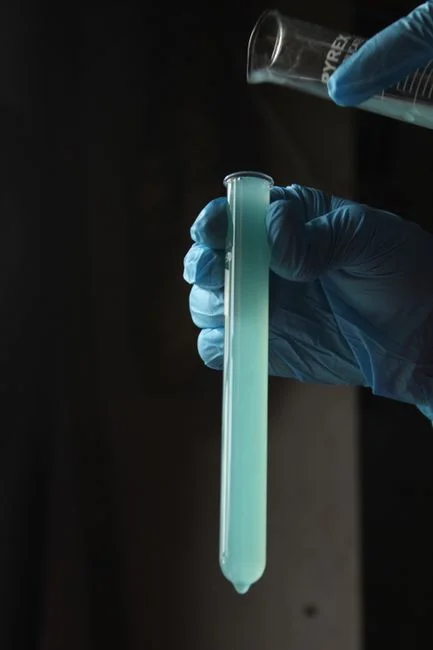
A defensible treatment train removes the regulated contaminants while containing batch surges and chemical-failure risks. For mining and metals wastewater, the practical sequence is equalization, instrumented pH adjustment, metal precipitation, clarification, filtration, and point-of-connection monitoring, with disinfection added only where the POTW requires it or a collection-system assessment identifies the need.
Equalization is the hydraulic barrier between variable mine operations and sensitive downstream units. The supplied design guidance recommends 8–24 hours of average daily flow and warns that a 4-hour basin can pass upstream spikes into clarification (HydropureWater, undated). Select the actual duration from the measured batch profile, available footprint, chemical-recovery requirements, and operating constraints; do not adopt the range without those site inputs.
Use staged, instrument-controlled pH adjustment before precipitation. The same source recommends a target of pH 6.5–9.0 and automatic control within a ±0.2 band (HydropureWater, undated). A PLC-controlled chemical dosing skid should therefore provide staged reagent addition, flow-paced or density-paced dosing, level-based control, chemical inventory alarms, and interlocks that prevent dosing into an empty or overflowed basin. Jar testing must establish the operating pH for each metal because the optimum is parameter-specific.
Use hydroxide precipitation as the base process for copper, zinc, cadmium, and nickel. Add sulfide polishing only where the confirmed local limit requires lower residual metals or jar/bench testing demonstrates a need. The supplied guide reports sulfide residuals of 0.01–0.05 mg/L for copper, zinc, cadmium, and nickel, compared with 0.5–2.0 mg/L for hydroxide, but also states that sulfide reagent cost is 2–4 times higher and requires sealed reactors with hydrogen-sulfide controls (HydropureWater, undated). Those figures guide feasibility, not final sizing or reagent selection.
Choose clarification by contaminant type and operating context. An industrial DAF system is the stronger candidate when oil, grease, or fine colloidal metals dominate. Lamella clarification is generally more suitable when the solids are primarily metal-hydroxide flocs, flow is comparatively high, and land is constrained. A multimedia filter after clarification provides a final TSS barrier; the supplied source cites a 1–2 m/h filtration rate and residual TSS below 10 mg/L (HydropureWater, undated). Add UV or chlorine dioxide only when the POTW ordinance or collection-system risk assessment requires disinfection.
| Condition | Preferred unit process | Required design check |
|---|---|---|
| Variable batch discharge | Equalization | Measured batch profile, selected retention, mixing, and controlled withdrawal |
| Acidic or fluctuating influent pH | Staged pH adjustment | Jar-tested setpoints, automatic control, high/low-level interlocks |
| Dissolved copper, zinc, cadmium, or nickel | Hydroxide precipitation | Species-specific chemistry, sludge yield, and residual-metal test |
| Very low confirmed residual-metal limit | Sulfide polishing after hydroxide treatment | Sealed reactor, hydrogen-sulfide controls, reagent and safety basis |
| Oil, grease, or colloidal fines | DAF | Hydraulic loading, recycle performance, and sludge handling |
| Metal-hydroxide sludge with constrained footprint | Lamella | Surface loading, sludge blanket, and withdrawal arrangement |
| Residual suspended solids | Multimedia filtration | Filtration rate, backwash capacity, and differential-pressure controls |
| POTW disinfection requirement | UV or chlorine dioxide | Written POTW requirement and collection-system risk assessment |
Size Clarification and Solids Handling
Clarifier selection must be coordinated with the upstream hydraulic profile and the downstream solids route. Treat the separation stage and dewatering equipment as one system: a clarifier that meets effluent targets but produces an unmanageable sludge volume has not solved the compliance problem.
For the supplied DAF comparison, hydraulic loading is 5–25 m/h, with equipment described across 4–300 m³/h and 13 models. The same source reports 90–98% TSS removal and 85–95% oil and grease removal in mining or metal-finishing service (HydropureWater, undated). These are comparison-source performance claims, not guaranteed results for a Montgomery site. Select capacity around the verified peak flow, expected batch profile, turndown, and parallel-operability requirements.
For lamella clarification, the supplied comparison gives 20–40 m/h surface loading and approximately one-third the footprint of a conventional clarifier (HydropureWater, undated). Confirm actual hydraulic behavior against site chemistry, floc properties, sludge blanket behavior, and the selected loading basis. The mining sewer pretreatment equipment comparison provides a useful structure for evaluating the two alternatives, but the site data must control the final choice.
Specify sludge capture, dewatering, storage, transport, and the disposal or recovery route in the same procurement package. The supplied plate-and-frame filter-press data indicate 25–35% dry-solids cake (HydropureWater, undated). Confirm whether the generated sludge qualifies for the proposed handling route and characterize its metal content before selecting chemical conditioning or dewatering equipment.
| Acceptance item | DAF comparison source | Lamella comparison source | Buyer action |
|---|---|---|---|
| Hydraulic basis | 5–25 m/h hydraulic loading | 20–40 m/h surface loading | Select from verified site flow and process test. |
| Equipment range | 4–300 m³/h across 13 models | No model range stated in supplied research | Require supplier-specific hydraulic calculations. |
| Reported removal | 90–98% TSS; 85–95% oil and grease | No equivalent removal claim in supplied research | Require end-of-pipe testing against POTW criteria. |
| Footprint | Not stated in supplied comparison | Approximately one-third of a conventional clarifier | Check foundations, sludge withdrawal, and access. |
| Solids route | Plate-and-frame comparison source: 25–35% dry-solids cake | Verify chemical content and disposal or recovery acceptance. | |
Verify Performance Before Sewer Discharge
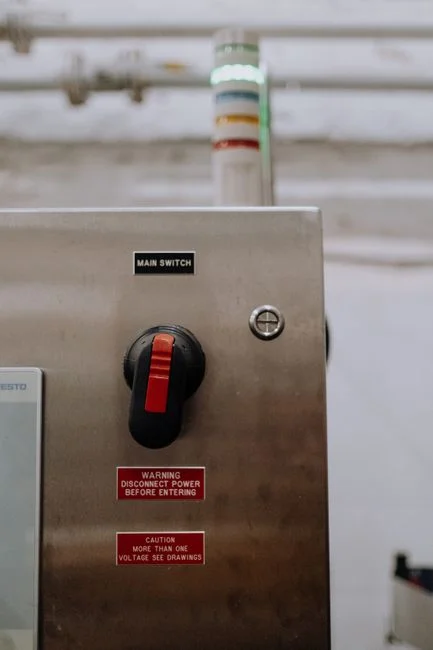
The proposal should translate the POTW’s written limits and the plant’s measured wastewater data into testable equipment guarantees. A categorical standard or generic removal claim is not an acceptance criterion for the actual point of connection.
Require the final proposal to identify the governing POTW limits, applicable categorical standards, design flow, treatment assumptions, sampling location, and every deviation or unresolved condition. The mining plant sewer pretreatment limits resource may support site investigation, but its locality does not establish authority for a Montgomery-area connection.
Specify automatic pH control, chemical-feed interlocks, flow-paced or density-paced dosing, basin-level instrumentation, high- and low-level alarms, data logging, and a manual operating mode. The control narrative should explain how the system responds to empty basins, overflow conditions, excessive chemical demand, loss of power, and instrument failure. Detailed monitoring and automation requirements should be consistent with the industrial wastewater automation monitoring engineering guide.
Conduct witnessed end-of-pipe performance testing after stabilization. Define constituent-specific acceptance limits, hydraulic test flow, test duration, sampling points, analytical methods, monitoring frequency, and corrective-action procedures in the purchase specification. EPA identifies the point of connection as where POTW local limits apply (EPA, undated), so testing upstream of the agreed compliance boundary does not establish authorization.
| Procurement stage | Required deliverable | Acceptance basis |
|---|---|---|
| Basis of design | POTW ordinance, local-limit sheet, categorical determination, wastewater analyses, and flow record | Current documents; unresolved items listed explicitly |
| Equipment proposal | Process flow diagram, hydraulic calculations, equipment sizing, chemical estimates, and solids balance | Design basis and assumptions stated without omissions |
| Controls | Cause-and-effect matrix, alarms, interlocks, data points, and manual fallback | Simulated failure scenarios pass |
| Commissioning | Calibration, startup sequence, training, operating procedures, and chemical inventory records | Approved commissioning plan completed |
| Performance test | Witnessed end-of-pipe sampling at agreed flow and operating conditions | Every applicable POTW and categorical limit satisfied |
| Closeout | As-built drawings, O&M manual, test records, monitoring plan, and sludge route | Documented handover and responsible operating contacts |
Frequently Asked Questions
Does meeting the federal categorical standard guarantee sewer compliance?
No. The applicable categorical standard establishes federal pretreatment requirements, but the receiving POTW can impose more stringent local limits at the point of connection. Obtain the current ordinance and written site-specific limits, then size and guarantee the train against the more stringent applicable requirement.
When should a mining plant select DAF instead of lamella clarification?
Select DAF when oil, grease, or fine colloidal material is a principal contaminant or compliance risk. Select lamella when the stream is dominated by metal-hydroxide flocs, flow is comparatively high, and the available footprint is constrained. Verify the decision with representative wastewater and a solids-handling comparison.
Which inputs should a supplier provide for a defensible equipment proposal?
Provide the governing POTW limits, categorical applicability, representative analyses, flow history, batch profile, sampling point, and disposal constraints. Also require hydraulic calculations, equipment turndown, control narratives, chemical and sludge estimates, performance criteria, and a witnessed commissioning protocol.
What should a buyer compare when evaluating treatment-system cost?
Request a site-specific capital and operating comparison rather than a unit-price quote. The supplier should price equalization, reaction equipment, clarification, filtration, chemical storage, controls, sludge dewatering, utilities, maintenance, and monitoring against the confirmed duty and limits. No supportable price was supplied, so request the inputs and quotation structure needed for a like-for-like evaluation.