
Start with the discharge and reuse duty
For mining and metals wastewater in Wilstacy, MBR is usually the stronger option when reliable solids separation, a constrained footprint or water reuse justifies added membrane and operating costs. Conventional activated sludge remains competitive for large, dilute flows with inexpensive electricity, no reuse driver and serviceable aeration and clarifier assets. Neither process independently removes every dissolved metal: precipitation or another dedicated barrier is normally required. The defensible choice depends on the current NPDES permit, measured influent chemistry, discharge route and a site-specific pilot using actual water.
Confirm the current NPDES permit, discharge point, destination, reuse specification, flow profile and remaining life of existing aeration and clarifier assets before selecting a treatment train. Surface-water discharge, discharge to a publicly owned treatment works, injection-well use and internal reuse create different effluent duties and solids-disposal requirements, according to HydropureWater’s 2026 mining-wastewater comparison. A detailed discussion of mining wastewater treatment for sewer compliance provides a useful sequence for evaluating those project inputs.
Treat Wilstacy as the project location, not as a technical variable. The supplied evidence does not establish Wilstacy-specific permit limits, wastewater chemistry, electricity tariffs, land constraints or reuse values. Federal ore-mining and dressing provisions under 40 CFR Part 440 address arsenic, lead, zinc, copper, nickel and cadmium, but HydropureWater’s 2026 comparison states that the applicable state permit may impose additional site-specific limits. The project record should therefore distinguish the governing permit from generalized regulatory context and from commercial screening assumptions.
Use this first screening record:
- Permit basis: permit number, expiration date, authorized discharge point, destination and analytical limits.
- Reuse basis: receiving process, required flow, quality specification and whether additional polishing is required.
- Design basis: measured average and peak flow, diurnal and seasonal load ranges, wastewater matrix and future production changes.
- Existing assets: condition, hydraulic capacity and remaining service life of aeration, secondary clarifier, pumping and sludge-handling equipment.
- Commercial boundary: confirm whether each estimate is a Wilstacy quotation, a local vendor figure or the supplied 2026 screening scenario.
Separate biological treatment from metals removal
Both biological processes remove biodegradable organics, but they separate solids by different mechanisms: a secondary clarifier uses gravity settling in conventional activated sludge, while an MBR retains solids on submerged membranes. Neither mechanism converts dissolved metals into particulate metals or removes every dissolved metal, so a dedicated metals-removal barrier may still be required.
According to Seven Seas Water’s commercial comparison, CAS mixes wastewater with aerobic microorganisms in an aeration tank, settles the resulting sludge in a clarifier and returns part of it to maintain the microbial population. In MBR, microorganisms still perform the biological treatment, but membrane filtration replaces the settling tank as the physical solids-retention barrier. The integrated MBR wastewater treatment system illustrates that equipment arrangement; it does not establish suitability for Wilstacy wastewater.
Measure dissolved and particulate metals independently. A decrease in total metal can reflect capture of metal-bearing solids in clarifier sludge, MBR sludge or a concentrated backwash stream—not successful removal of dissolved metal. HydropureWater’s 2026 comparison recommends precipitation or another dedicated treatment step before the biological and membrane stages where required.
| Decision element | Conventional activated sludge | MBR | Required project evidence |
|---|---|---|---|
| Primary biological function | Microorganisms oxidize biodegradable organics in an aeration basin. | Microorganisms oxidize biodegradable organics; membranes also retain solids. | Actual-water BOD/COD response and oxygen-demand data. |
| Solids separation | Gravity separation in a secondary clarifier; effluent depends on floc settleability. | Physical retention by submerged membranes; separation is less dependent on floc settling. | Turbidity, solids separation and disturbance test for the selected train. |
| Dissolved metals | Not reliably removed by biology alone; precipitation or another dedicated step is normally required. | Not reliably removed by biology or membrane retention; a dedicated step is normally required. | Dissolved-metal removal demonstrated separately from particulate capture. |
| Particulate metals | May report to settled sludge if floc settles; clarifier carryover remains a risk. | May report to membrane sludge or concentrated backwash stream. | Solids-capture pathway, sludge destination and carryover measurements. |
| Sludge constraint | Waste activated sludge requires a dewatering route. | HydropureWater’s 2026 comparison indicates MBR sludge can contain more colloidal material and have lower settleability than CAS waste activated sludge. | Measured settleability, solids content, rheology and dewatering result. |
This separation of duties prevents a solids-retention advantage from being misrepresented as complete metals treatment. It also clarifies the basis for pilot comparison: measure biological performance, solids separation and dissolved-metals removal as separate acceptance categories.
Compare the decision drivers side by side
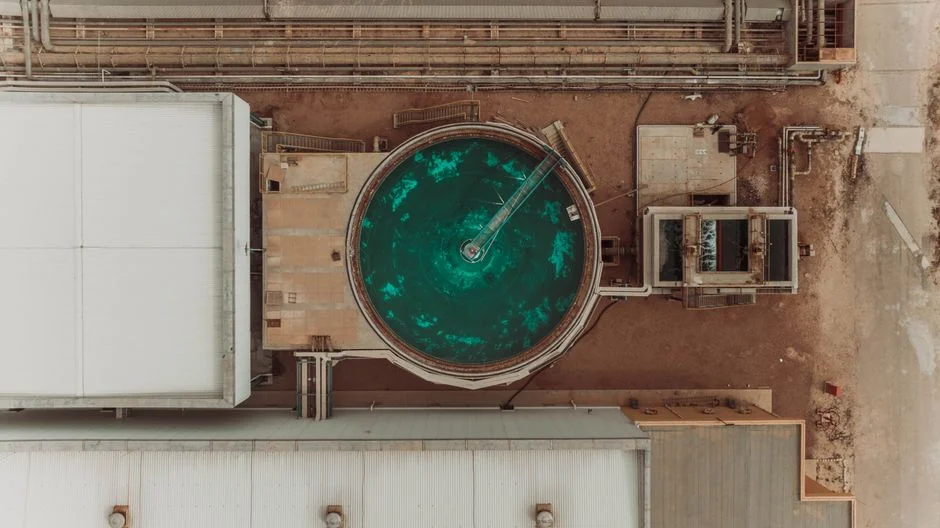
The preferred train changes with the project conditions: favor CAS for large, dilute flows with inexpensive electricity, no reuse driver and serviceable aeration and clarification equipment; favor MBR where separation reliability, land availability or reuse value justifies membrane capital, cleaning, energy and replacement obligations.
HydropureWater’s 2026 comparison and the Lamella-clarifier engineering reference provide a same-scope screening scenario at 1,000 m³/day. In that scenario, MBR capital cost is 20–40% above equivalent-flow CAS and operating cost is 15–30% higher per m³. The sources also estimate approximately 60% less concrete and civil footprint for MBR. These are company-derived 2026 screening estimates—not Wilstacy prices, a local footprint study or a performance guarantee.
| Screening criterion | Conditions favoring CAS | Conditions favoring MBR | Buyer input or test |
|---|---|---|---|
| Flow and load | Large, dilute flows; organic load compatible with biological treatment. | Flow or load variability where physical solids retention has operational value. | Measured flow, BOD/COD and diurnal and seasonal load data. |
| Solids separation | Serviceable secondary clarifier and validated floc settleability. | Reliable solids separation is critical to discharge or reuse duty. | Actual-water settling and effluent-solids testing. |
| Land and civil works | Space for aeration, secondary clarifiers, equalization and sludge handling. | Land availability is constrained or a compact arrangement has sufficient value. | Plot plan, access routes, geotechnical constraints and complete equipment arrangement. |
| Energy and operating cost | Electricity below about $0.07/kWh under HydropureWater’s 2026 screening condition. | Higher unit operating cost is offset by separation, reuse or footprint value. | Local tariff, aeration profile, air-scour demand and cleaning assumptions. |
| Capital benchmark | CAS is the baseline in the supplied 1,000 m³/day comparison. | MBR is estimated at 20–40% higher capital cost in that 2026 scenario. | Same-scope vendor quotations including civil works and pretreatment. |
| Operating benchmark | CAS is the baseline in the supplied 1,000 m³/day comparison. | MBR is estimated at 15–30% higher operating cost per m³ in that scenario. | Lifecycle model using the actual tariff, labor, chemicals, sludge disposal and replacement. |
| Concrete and civil footprint | More area may be acceptable for gravity clarification. | Approximately 60% less concrete and civil footprint is estimated in the 2026 comparison. | Equipment-envelope fit study with access, maintenance and sludge handling included. |
| Reuse | No reuse driver and discharge duty does not reward tighter solids separation. | Reuse specification creates sufficient value for reliable solids separation; additional polishing may still be necessary. | Written reuse quality and flow requirements. |
Compare complete trains, not membrane modules alone. Both bids should include pretreatment, equalization, biological treatment, solids separation, chemical dosing, sludge handling, disposal, controls, access and replacement obligations. The MBR wastewater membrane bioreactor cost per m³ guide is useful for scoping the comparison, but its figures do not replace a Wilstacy quotation.
HydropureWater’s 2026 screening also estimates an approximately 4–6 year payback when make-up water costs more than about $2/m³ or brine disposal has a real cost. Recalculate that result with the site’s actual water value, tariff and disposal cost. MBR permeate is not automatically suitable for process water, boiler feed, cooling water or zero-liquid-discharge service.
Test the risks that can reverse the selection
Low biodegradability, sulfate, hardness, high TDS and metal disturbances require site-specific validation because they can affect biological performance, settling, membrane flux, sludge handling and chemical demand. HydropureWater’s 2026 guidance identifies the following as validation flags—not universal design thresholds or automatic rejection criteria:
- BOD/COD below 0.3.
- Hardness in the thousands of mg/L as CaCO₃.
- Sulfate above 1,000 mg/L.
- TDS above 5,000 mg/L.
The same 2026 source reports normal MBR operation at 8,000–12,000 mg/L MLSS, compared with 2,000–4,000 mg/L for conventional activated sludge in its lamella-clarifier reference. This indicates different solids-retention regimes; it does not transfer municipal biological loading directly to mining water. HydropureWater also reports a 30–60% loss in CAS removal efficiency during a 24–72-hour period after a metal pulse. Treat that as company field evidence and reproduce the disturbance with actual Wilstacy water before using it as a design allowance.
Equalization can damp hydraulic and chemical shocks, but it does not remove metals. Precipitation, screening and controlled chemistry remain separate duties. Where cyanide, ammonia or thiosulfate may be present, characterize oxygen demand and chemical interactions before defining the biological sequence. The scope of mining wastewater pretreatment for sewer compliance should be established from the actual discharge route and wastewater matrix, not from the generic presence of an MBR.
Use the following reversal test:
- Characterize metal pulses, flow variation and composition over representative operating periods.
- Confirm whether low BOD/COD, sulfate, hardness or high TDS falls within the 2026 validation flags.
- Challenge the proposed biological and separation train with actual-water disturbances.
- Measure membrane transmembrane pressure and normalized flux where MBR is proposed; assess floc settleability and clarifier loading where CAS is proposed.
- Reject or redesign the selected train if separation, chemistry or sludge handling misses the permit or reuse duty.
Build the pilot and supplier acceptance record
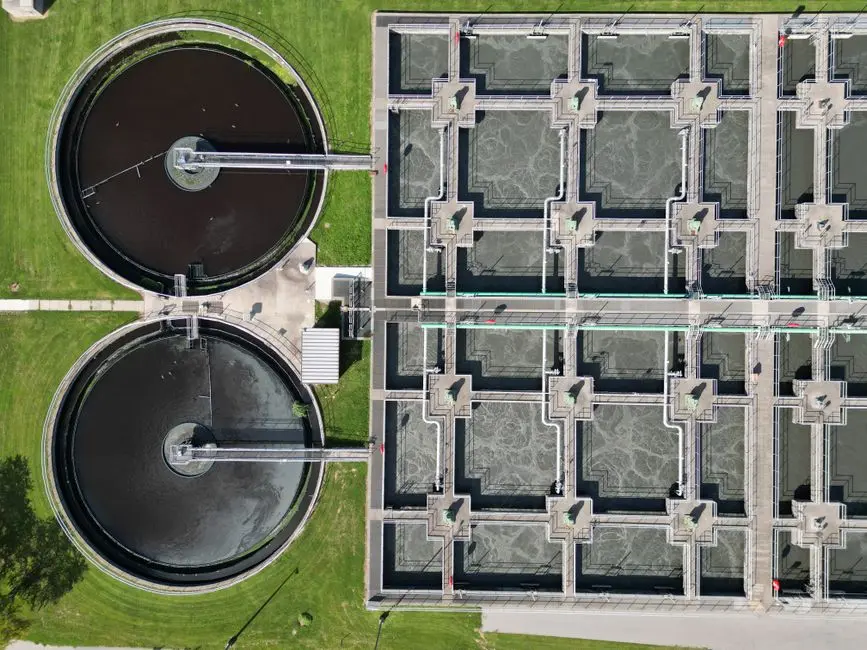
HydropureWater recommends a 60–90 day cassette pilot with actual wastewater when metal pulses, low BOD/COD, sulfate, hardness or high TDS could undermine biological performance, settleability or membrane flux. The pilot should reproduce representative flow, chemistry and short-duration disturbances rather than only steady, compliant water.
For Wilstacy, make the pilot results the basis for equipment selection. A generic supplier performance range cannot replace actual-water evidence.
| Acceptance category | Required pilot measurement | Procurement deliverable |
|---|---|---|
| Separation | Solids separation, turbidity and relevant particulate-metal carryover. | Named configuration, performance basis and test method. |
| Dissolved metals | Dissolved and particulate metals measured separately through the complete train. | Metals-removal guarantee linked to the applicable permit or reuse specification. |
| Membrane condition | Transmembrane pressure, normalized flux, cleaning demand and recovery. | Module geometry, pretreatment specification, cleaning protocol and replacement assumptions. |
| Chemical demand | Reagent dose, chemical recovery and operating envelope. | Automatic dosing scope, chemical consumption and compatible cleaning sequence. |
| Sludge | Settleability, solids content, rheology and dewatering result. | Sludge-handling basis based on actual waste, not nominal solids capture. |
| Headworks | Actual solids inventory and protection requirements. | Module-specific screening requirement and protection strategy. |
| Commercial | Validated flow, duty and pretreatment basis. | Same-scope quotation and lifecycle comparison using actual utility and disposal costs. |
Require a quotation covering flow, effluent duty, civil works, pretreatment, sludge handling, energy, cleaning and membrane replacement. The lifecycle model should use Wilstacy’s actual electricity tariff, disposal cost, duty profile, reuse value, cleaning interval and replacement assumptions. Do not infer a local price from the supplied 1,000 m³/day scenario.
HydropureWater’s 2026 specification uses 1–3 mm fine screening, with cited cutoffs of 1–2 mm for hollow-fiber modules and 2–3 mm for flat-plate modules. Confirm the requirement against the selected geometry and measured solids inventory. Rotary fine screening for membrane protection can be evaluated as part of the headworks, but it does not remove oil, grease, dissolved metals or fine colloids. Sludge-equipment selection should similarly follow measured properties, including evaluation of a plate-frame sludge filter press where applicable.
Before award, obtain written confirmation of train configuration, redundancy, pretreatment, pilot basis, cleaning access, chemical recovery, replacement funding, sludge handling and complete commercial scope. An integrated MBR wastewater treatment system should not be selected from its nominal capacity or product description alone.
Frequently Asked Questions
What will MBR cost compared with conventional activated sludge for the Wilstacy project?
No Wilstacy price can be inferred from the supplied evidence. HydropureWater’s 2026 comparison estimates that, at 1,000 m³/day, MBR capital cost is 20–40% above equivalent-flow CAS and operating cost is 15–30% higher per m³. These are screening scenarios, not quotations. Request matched bids covering flow, effluent duty, civil works, pretreatment, sludge handling, energy, cleaning and membrane replacement, then compare lifecycle costs using the actual electricity tariff and disposal cost.
How should the treatment system be sized for mining and metals wastewater?
Size from required flow, measured influent chemistry, pretreatment duty, permit requirements and reuse profile—not nominal peak flow alone. If MBR is considered, require written confirmation of module quantity, redundancy, pretreatment and suitability for the supplied wastewater. HydropureWater’s 2026 verified product catalog lists an integrated MBR range of 10–2,000 m³/day, but that range does not establish treatment performance or site suitability.
Will biological treatment remove arsenic and other dissolved metals?
No. HydropureWater’s 2026 comparison states that neither MBR nor CAS independently removes every dissolved metal; precipitation or another dedicated barrier is normally required. Measure dissolved and particulate metals separately. Otherwise, removal of metal-bearing sludge may be mistaken for successful dissolved-metals treatment. The project pilot must demonstrate the complete train against the current permit or stated reuse specification.
What should a supplier provide before an MBR is selected?
Require actual-water pilot evidence, module-specific pretreatment details, cleaning and chemical-recovery data, membrane-replacement assumptions, a measured sludge-handling basis and a complete same-scope quotation. Also require the supplier to document the intended discharge route, available footprint, utility constraints and reuse specification. The comparison in MBR versus activated sludge for industrial wastewater supplies a useful question framework, but its project-specific evidence cannot be transferred to Wilstacy without validation.