Define the Kalaburagi wastewater streams before selecting equipment
A Kalaburagi data center needs treatment selected by wastewater stream, not a generic ETP. Evaporative or hybrid cooling requires solids control followed by feed-specific UF and usually RO for blowdown; closed-loop liquid cooling does not automatically produce cooling-tower blowdown. Sanitary wastewater, softener brine, maintenance leakage, RO reject and DG bleed need separate routes. Conventional brackish-water RO commonly reaches 75–80% recovery before silica and calcium-sulfate scaling becomes unmanageable, while specialist concentrate treatment can enable 90–95% recovery in documented cases. Final equipment sizing requires measured peak flows, representative Kalaburagi chemistry, reuse quality, permit criteria and an accepted concentrate route.
The first procurement decision is architectural. Closed-loop direct-to-chip systems recirculate coolant rather than continuously producing evaporative cooling-tower blowdown; evaporative and hybrid arrangements do. Schneider Electric states that closed-loop liquid cooling can recirculate more than 95% of its coolant, with relatively small losses from maintenance or leaks (blog.se.com, 2026-09-29). This distinction determines whether a CTBD treatment train belongs in the project scope at all. Compare data-center blowdown treatment trains only after confirming the thermal architecture and future rack density.
Then construct a metered water balance. Include makeup, evaporation, blowdown, softener regeneration, sanitary discharge, humidification reject, RO permeate, RO concentrate, maintenance drainage, emergency dumps and final reuse or discharge. The destination must be defined before selecting equipment: cooling makeup, sanitary reuse, sewer discharge, controlled disposal or specialist treatment. A treatment package that meets the main effluent limit but leaves concentrate, sludge or precipitated solids without an accepted route is incomplete.
| Stream | When it exists | Pre-treatment scope | Decision gate |
|---|---|---|---|
| Cooling-tower blowdown | Evaporative or hybrid cooling | Solids control, UF, then RO if recovered-water salinity must be reduced | Measured flow, chemistry, cooling-chemistry compatibility and reuse quality |
| Sanitary wastewater | Occupied campus | Biological treatment, solids removal and disinfection | COD, BOD, TSS, ammonia, pH, pathogen data and receiving route |
| Softener regeneration brine | Makeup-water softening | Separate salinity and scaling assessment | Blend, discharge or concentrate-treatment destination |
| DG and heat-exchanger bleed | Backup-power and thermal equipment | Cooling-water chemistry and contamination assessment | Reuse suitability and local discharge acceptance |
| Humidification RO reject | Humidification and RO make-up | Feed-specific reject assessment | Blending, recovery or specialist treatment route |
| Closed-loop leakage | Maintenance or system leakage | Coolant identity, additive and contamination screening | Recovery or controlled disposal; no automatic return to service |
Use the reuse-or-discharge decision method, but replace imported water chemistry and regulatory criteria with Kalaburagi measurements and written local confirmations.
Characterize the flow and chemistry that control treatment performance
Equipment must be sized from measured peak flows and complete operating cases, not average daily consumption. The design cases should include startup dumps, shutdown discharges, peak cooling demand, maintenance events and emergency routes. Meter each source separately and retain the operating condition associated with every sample; an average mixed sample can conceal the chemistry that determines membrane recovery.
For CTBD, issue a sampling request covering flow, cycles of concentration, conductivity or TDS, pH, hardness, silica, TSS, chlorides, sulfate, alkalinity, temperature and residual cooling chemicals. These parameters control distinct failure mechanisms: solids and colloids can foul UF; hardness and silica constrain RO recovery; antiscalant, biocide and dispersant residuals influence membrane compatibility and concentrate handling. The Bengaluru reference cited by HydropureWater reports CTBD at 1,200–6,000 mg/L TDS, typically 4–8 times makeup concentration, with 10–50 mg/L suspended solids (HydropureWater, 2026). Those are Bengaluru observations and cannot be used as Kalaburagi feed data.
HydropureWater’s 2026 guidance gives the theoretical relationship as blowdown = 1 ÷ (CoC − 1): at 4 cycles of concentration, theoretical blowdown is 25% of makeup; at 6 CoC, it is 20%. The same guidance says actual blowdown may exceed the calculation by 15–30% because of unmeasured losses and emergency dumps; this is source guidance, not a Kalaburagi measurement. Use it to check the site model, then size from metered conditions.
IDE Tech’s 2026 illustration states that a 100 MW facility can use up to 2 million litres per day. Treat that only as an external scale reference, not a Kalaburagi sizing input. No supplied evidence establishes the proposed campus’s IT load, cooling mode, makeup rate, blowdown flow or Kalaburagi source-water chemistry.
| Required input | Why it changes the decision | Bid information requested |
|---|---|---|
| Peak and event flows | Sets pumps, treatment capacity, storage and equalization | Flow-duration curve and metering method |
| Operating CoC and makeup chemistry | Establishes blowdown salinity and scaling risk | CoC range plus representative source-water analysis |
| CTBD chemistry | Defines UF loading and RO recovery ceiling | TDS, hardness, silica, TSS, sulfate, alkalinity, pH and residuals |
| Reuse specification | Determines whether RO or polishing is necessary | Permeate and cooling-makeup quality limits |
| Residue destination | Determines whether a high-recovery route is feasible | Written acceptance for concentrate, sludge and solids |
Request the measurement protocol alongside the results. A useful review method is covered in the 2026 water-quality measurement guide; it does not replace site sampling.
Match each stream to its treatment and reuse route
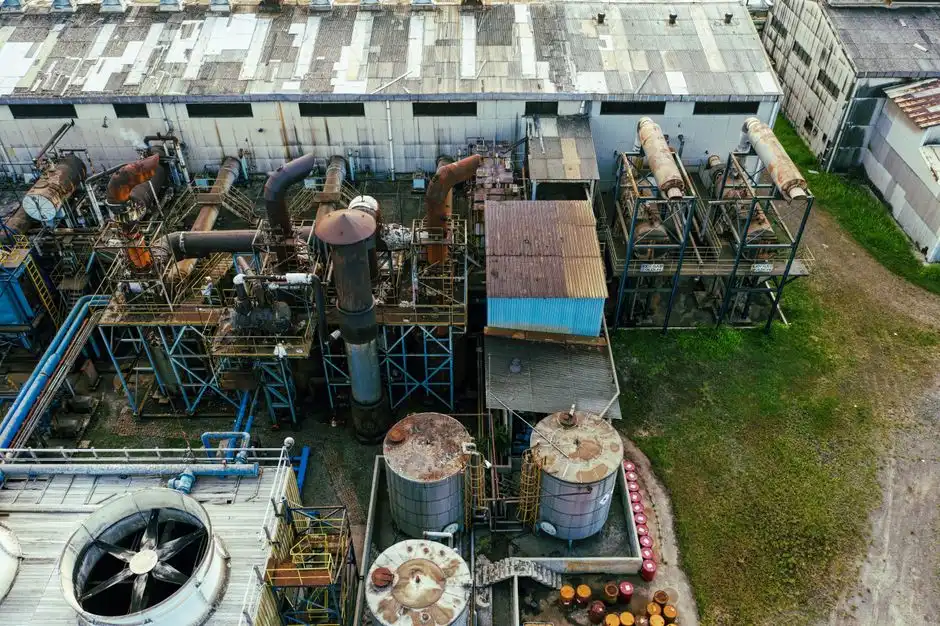
Evaporative CTBD should normally progress from side-stream filtration and chemical control to UF, antiscalant-dosed RO and permeate polishing. The Bengaluru reference case describes this sequence and reports local RO operation at 65–75% recovery, with permeate polished below 50 mg/L TDS for cooling-makeup use (HydropureWater, 2026). That result belongs to the referenced Bengaluru feed and design. A Kalaburagi bidder must project recovery from its measured feed, calcium hardness, silica, temperature, antiscalant program and scaling limits.
The catalogue description for UF pretreatment for cooling-tower blowdown specifies 0.03-micron PVDF membranes, capacities from 2,000 to 40,000 L/h, feed turbidity up to 300 ppm, automatic backwash and air scour. These are catalogue limits, not project guarantees. Require the bidder to verify capacity against measured peak flow, turbidity, required permeate quality, cleaning method and redundancy.
An industrial RO system for blowdown recovery is justified where recovered cooling water needs dissolved-salts reduction. It is not automatically required for every reuse service. Conventional brackish-water RO commonly reaches 75–80% recovery before scaling becomes unmanageable (IDE Tech, 2026), but that is a general brackish-water reference, not a Kalaburagi guarantee. Require feed-specific scaling analysis and representative pilot results.
Sanitary wastewater must remain independent from the cooling train. Its process basis requires COD, BOD, TSS, ammonia, pH and pathogen data, followed by biological treatment, solids removal and disinfection under an accepted receiving route. The integrated MBR treatment approach may be evaluated against those results, but flow availability does not justify blending sanitary wastewater into CTBD.
Closed-loop leakage requires the coolant inventory, additive list and assessment for refrigerant or PFAS contamination before reuse. Until compatibility is established, controlled disposal or specialist recovery remains necessary (HydropureWater, 2026). The same segregation principle applies to softener brine, DG bleed, heat-exchanger bleed and humidification reject.
| Stream | Indicative treatment sequence | Reuse endpoint | Unresolved evidence for Kalaburagi |
|---|---|---|---|
| CTBD | Side-stream filtration; chemical control; UF; antiscalant-dosed RO; polishing if required | Cooling makeup within an agreed quality specification | Measured peak flow, feed chemistry, scaling limit and pilot recovery |
| Sanitary wastewater | Biological treatment; solids removal; disinfection | Approved non-potable or discharge service | COD, BOD, TSS, ammonia, pH, pathogens and receiving criteria |
| Softener brine | Separate salinity assessment; blend, controlled discharge or concentration | Makeup only after compatibility review | Regeneration frequency, flow and concentration |
| DG or heat-exchanger bleed | Settling or filtration and chemistry assessment | Cooling reuse if quality and chemistry are compatible | Residual heat, treatment chemicals and microbiological controls |
| Humidification RO reject | Assess blending or separate RO/concentration | Makeup only under a defined quality envelope | Feed and reject flows, composition and reuse contact |
| Closed-loop leakage | Coolant screening; specialist recovery or controlled disposal | No automatic return to cooling service | Coolant identity, additives, refrigerant and PFAS status |
Compare discharge, reuse and high-recovery alternatives
The route comparison must use common endpoints: recovered-water quality, discharge acceptance, concentrate volume and composition, solid-residue destination and operating cost. Without those endpoints, UF+RO, partial ZLD and full ZLD are not comparable bids.
The reuse-only route uses UF and RO, then sends permeate to the designated cooling service and concentrate to an accepted discharge route. This route depends on written acceptance of both the recovered water and the reject. Conventional brackish-water RO commonly reaches 75–80% recovery before silica and calcium-sulfate scaling becomes unmanageable (IDE Tech, 2026).
Partial ZLD adds mechanical vapor compression to concentrate the RO reject; it still produces a concentrated residue that requires an approved route. Full ZLD adds crystallization and produces a solid salt-cake stream. IDE Tech’s mixed-feed example reports approximately 95% recovery and about 1 mg/L permeate silica (IDE Tech, 2026). That is proof-of-concept evidence for the stated installation and feed mix, not a Kalaburagi performance guarantee.
The Bengaluru benchmarks are 50 m³/day: ₹1.8–2.8 crore for UF+RO, ₹4–6 crore for UF+RO plus MVC partial ZLD, and ₹25–55 crore for full ZLD (HydropureWater, 2026). They describe Bengaluru cost conditions and a different capacity basis. They are useful only to identify what bidders must itemize; they cannot support a Kalaburagi price. The same source reports 18–24 months for imported MVC skids and distinguishes a packaged membrane skid from the civil and thermal scope required for partial or full ZLD (HydropureWater, 2026). Include delivery and commissioning in the commercial comparison rather than treating equipment cost as the project price.
| Decision | Select when | Principal residue | Commercial evidence |
|---|---|---|---|
| Controlled discharge | The receiving authority or sewer operator accepts the treated stream | Permitted discharge route | Require written acceptance and itemized disposal cost |
| UF+RO reuse | Recovered water meets the receiving cooling service | RO concentrate | Bengaluru 50 m³/day benchmark: ₹1.8–2.8 crore (HydropureWater, 2026) |
| Partial ZLD | Conventional recovery cannot meet the project target | Concentrated brine | Bengaluru 50 m³/day benchmark: ₹4–6 crore (HydropureWater, 2026) |
| Full ZLD | No liquid discharge is required and solids can be accepted | Salt cake | Bengaluru 50 m³/day benchmark: ₹25–55 crore (HydropureWater, 2026) |
No supplied source establishes Kalaburagi effluent limits, sewer acceptance criteria, water tariffs or groundwater conditions. Obtain current requirements in writing from the relevant authorities and receiving operators. A broader method for comparing data-center discharge and treatment options can structure the questions, but its local limits are not Kalaburagi evidence.
Issue a bid-ready scope and measurable acceptance criteria
Comparable bids require the same engineering basis. Require itemized quotations covering equipment, installation, membranes, chemicals, energy, testing, operator time, cleaning, redundancy, replacement parts and residue handling. For any high-recovery option, separate the membrane system, evaporator, crystallizer, civil works, electrical supply, utilities, controls, commissioning and long-term operating inputs. Use the itemized CAPEX and OPEX structure as a quotation checklist, not as a Kalaburagi cost source.
Each bidder should identify every design assumption and provide:
- A feed-specific water balance covering startup, shutdown, peak cooling, maintenance and emergency cases.
- A scaling analysis for silica, calcium sulfate and the selected antiscalant regime.
- A recovery projection tied to measured feed chemistry and an agreed reuse specification.
- A control philosophy covering flow, conductivity, pressure, dosing, diversion, cleaning and automatic shutdown.
- Representative pilot evidence, an accepted concentrate route and a complete residue-handling method.
HydropureWater’s 2026 guidance proposes a 3–6-month trial, or the longest practical operating window, while monitoring flow, conductivity, pH, hardness, silica, TSS, selected biocide residual and differential pressure. Also trend CoC, actual recovery, cleaning frequency, chemical consumption and reuse performance (HydropureWater, 2026).
Convert those observations into contract schedules. Specify recovered-water quality, stable recovery under the agreed peak condition, concentrate quantity and composition, cleaning-cycle limits, chemical consumption, automatic-control functions, alarm response, operator workload and residue documentation. The pretreatment decision-path guide provides a useful acceptance-gate format; it does not establish Kalaburagi discharge criteria.
Frequently Asked Questions
What data is needed to price CTBD treatment in Kalaburagi?
Request measured peak and event flows, source-water and CTBD analyses, the CoC range, residual chemicals, recovered-water specification, reuse or discharge point, concentrate destination and operating scenarios. Require an itemized quote for equipment, installation, membranes, chemicals, energy, testing, operator time, cleaning, redundancy, spares and residue handling. No defensible Kalaburagi price can be calculated from the supplied research because it contains no local tariff, measured flow data or quotation.
Should the project choose UF+RO, partial ZLD or full ZLD?
Choose UF+RO when the cooling service needs reduced dissolved salts and the receiving operator accepts the concentrate. Consider partial ZLD when conventional recovery cannot meet the agreed target and the remaining brine route is accepted. Consider full ZLD only when no liquid discharge is required and the salt-cake destination is confirmed. The route that maximizes recovery is not automatically the route with the best commercial or compliance outcome.
How should suppliers demonstrate recovery without overstating guarantees?
Require feed-specific pilot evidence, a documented scaling analysis and a projection that identifies every operating assumption. Do not accept a catalogue recovery maximum as a guarantee. The trial should demonstrate stable recovery, permeate quality, differential-pressure behaviour, cleaning frequency, chemical consumption and concentrate handling under representative conditions. A supplier’s reference case is useful only where its feed chemistry, temperature, scaling limit and residual-chemical program match the Kalaburagi proposal.
Which permits and discharge confirmations are needed before equipment is ordered?
Obtain written confirmation for the applicable environmental route, groundwater extraction if proposed, sewer or discharge acceptance, reuse quality, and destinations for RO concentrate, sludge and precipitated solids. Ask the relevant Kalaburagi authority or receiving operator for current limits covering the selected stream’s chemistry, temperature and solids. Approval of the main treated effluent does not automatically approve the reject or solid residues. For membrane consumables, request compatible RO and UF membrane elements with the selected media, feed and permeate specifications; compatibility is a compatibility-check item, not evidence of permit approval.
Related Equipment
- industrial RO system for blowdown recovery — specifications, capacity range, and technical data