Choose the treatment train from the waste profile
In 2026, Mombasa manufacturers generally treat high-COD trade waste with a staged train: mechanical screening removes debris, dissolved air flotation (DAF) removes suspended solids and FOG, equalization controls batch surges, and an MBR provides biological COD reduction. RO and UV polishing are added when the treated water must meet a defined reuse specification. For sewer or surface-water discharge, HydropureWater’s Mombasa guidance reports Kenya limits of COD ≤50 mg/L, BOD ≤30 mg/L and TSS ≤25 mg/L, subject to permit verification. The correct equipment choice depends on measured flow, COD, FOG, TDS and the reuse target; final designs must be checked against current permits, influent testing and the equipment proposal.
Start with the discharge route, not a generic “standard plant.” A trade-waste stream going to a municipal sewer requires a different assurance package from a plant designed for cooling-tower, boiler-feed or irrigation reuse. The reuse application determines the required polishing and final-water quality, while the permit determines the receiving-environment limits that the complete train must demonstrate.
Require a current influent characterization covering average and peak flow, COD, BOD, TSS, FOG, pH, TDS and the production or clean-in-place batch pattern. Include concentrations as well as loads, because a batch with a high FOG concentration can destabilize biological treatment even when the daily average COD appears manageable. Ask the bidder to state whether each value is measured, calculated from production data or assumed for preliminary sizing.
The process sequence reported by HydropureWater’s Mombasa guidance is screening, DAF, equalization, MBR and optional RO/UV. A rotary mechanical bar screen for debris removal protects downstream pumps. An industrial DAF system for FOG and suspended-solids pretreatment addresses the material most likely to foam or overload a biological system. Equalization then buffers production and CIP discharges before an integrated MBR membrane bioreactor performs biological treatment.
Do not use the historical Kipevu municipal data as an industrial design guarantee. The University of Nairobi repository study, Efficiency of Municipal Waste Water Treatment Plants in Kenya: A Case Study of Mombasa Kipevu Treatment Works, sampled from August 2011 to February 2012; it reported influent COD of 150–1,800 mg/L and effluent COD of 80–520 mg/L. Those municipal observations may provide background, but they cannot replace current characterization of the trade-waste stream.
| Measured condition or required outcome | Primary treatment function | Equipment decision | Evidence to obtain from bidder |
|---|---|---|---|
| Debris and CIP material in the influent | Protect pumps and downstream process equipment | Size mechanical screening from the debris characterization | Aperture, extraction method, duty and installed footprint |
| High FOG or suspended-solids load | Remove floatable material before biological treatment | Evaluate DAF before the bioreactor | FOG and TSS removal guarantees, float handling and chemical demand |
| Production or CIP batch surges | Buffer hydraulic and pollutant loading | Provide equalization before biological treatment | Working volume, mixing arrangement and peak-flow response |
| High COD and BOD requiring biological removal | Reduce biodegradable load and support nitrification | Size an MBR from measured hydraulic and organic loads | Design flow, load, MLSS, membrane area, aeration and controls |
| Defined reuse quality | Remove residual dissolved solids and pathogens as required | Add RO and UV only where the reuse specification requires them | Product-water test schedule, recovery, energy demand and cleaning plan |
| DAF float and excess biological solids | Reduce sludge volume before transport and disposal | Include thickening and mechanical dewatering in the plant scope | Cake solids concentration, filtrate quality, consumables and disposal route |
Decide when DAF must precede the bioreactor
DAF is justified as pretreatment when FOG or suspended solids could interfere with biological treatment; it is not a substitute for biological COD removal. HydropureWater’s 2026 Mombasa guidance reports DAF performance of 85–95% FOG removal and 90–95% TSS removal at a hydraulic retention time of 20–30 minutes, an A/S ratio of 0.02–0.05 and a 20–30% recycle ratio. Those values provide an initial comparison point, not a substitute for site-specific testing and equipment guarantees.
The decision follows the waste profile. If FOG is low and the wastewater characteristics support biological treatment, ask the wastewater engineer to test whether DAF can be omitted. The supplied research does not establish a universal COD threshold that determines whether DAF is necessary. Concentration alone is not enough: FOG composition, emulsified oil, grit, settleable solids, batch peaks and the MBR manufacturer’s feed limits must also be considered.
For food-processing streams, compare the duty of DAF with the clarified alternative rather than treating them as equivalent products. The DAF versus clarifier comparison for food and beverage wastewater provides a useful technical starting point, but the final selection should follow the measured waste stream and required performance.
Where chemical conditioning is necessary, HydropureWater’s 2026 Mombasa guidance identifies polyaluminium chloride at 50–150 mg/L plus anionic polymer at 2–5 mg/L as typical ranges for dairy and brewery CIP streams. Require the bidder to present jar-test or plant data supporting the proposed dose, and require dosing control to follow changing FOG and solids conditions. A fixed dose should not be accepted without a rationale or an operating adjustment plan.
Ask each bidder to clarify the downstream sludge consequence. HydropureWater reports DAF float recovery at 3–5% dry solids. The equipment scope should therefore cover float removal, equalization or storage, pumping, thickening, dewatering, filtrate management, transport and permitted disposal. If the waste cannot be segregated at source, testing should also establish whether emulsified FOG would reduce the expected separation performance.
The procurement decision can be stated conditionally: if measured FOG and suspended solids present a credible risk of foaming, membrane fouling or biomass washout, require DAF upstream of the MBR; if they do not, require a documented process review showing that biological treatment can accept the feed without DAF. Whichever route is selected, specify the removal performance to be demonstrated during commissioning.
Size the MBR around the biological load and discharge target
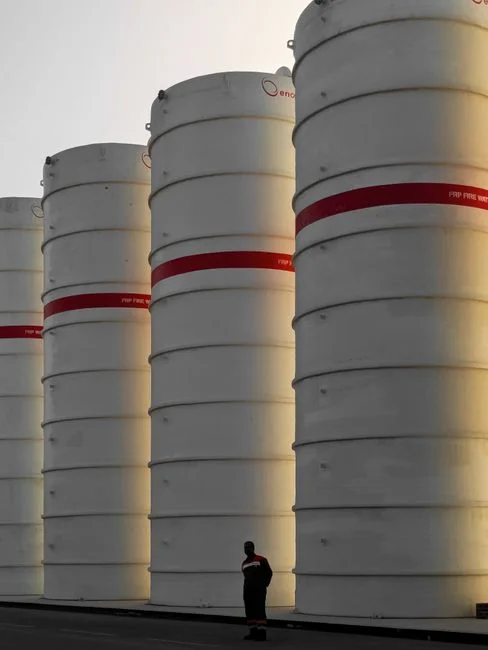
The MBR should be sized from the treated flow and biological load, not selected from nominal package capacity. HydropureWater’s 2026 Mombasa guidance specifies equalization at 6–8 hours hydraulic retention time and reports MBR operation at 8,000–12,000 mg/L MLSS. The bid documents should reconcile those operating values with the measured COD, BOD, FOG, flow pattern and temperature before the aeration, membrane area and recirculation requirements are fixed.
For the discharge route, HydropureWater’s Mombasa guidance reports MBR performance of COD below 50 mg/L and ammonia nitrogen below 5 mg/L. Use these values as tender references, not automatic guarantees. The current NEMA effluent permit, the receiving sewer or surface-water route and site-specific influent variability must be checked against the process design and acceptance protocol.
Temperature and salinity also affect the biological and membrane design. The same guidance describes Mombasa feed at 28–32 °C and TDS at 2,000–8,000 mg/L. Ask bidders to identify any temperature correction, salinity allowance, oxygen-transfer limitation, membrane-fouling control measure and chemical-cleaning requirement associated with those conditions. The available evidence does not provide enough detail to calculate a guaranteed MBR capacity without current site data.
HydropureWater reports that a submerged PVDF MBR can occupy roughly 60% of the footprint of an equivalent conventional activated-sludge tank. This is relevant where land is constrained, but footprint alone does not establish whole-plant suitability. Equalization, aeration, membrane backwash, sludge handling, access, odour control and maintenance space still have to fit within the available plot.
The integrated MBR membrane bioreactor catalog entry covers capacities from 10 to 2,000 m³/day, but the final selection requires measured flow and load data. Require bidders to identify whether the quoted capacity is average, peak or instantaneous; state the design flow, equalization response, duty/standby arrangement and membrane redundancy; and provide a membrane replacement or recovery strategy.
The MBR tender package should also define controls, aeration, recirculation, membrane cleaning, effluent turbidity or solids measurement, and the required operator interface. Performance testing must use representative wastewater or an agreed surrogate with documented equivalence. A paper guarantee based only on clean-water membrane output does not demonstrate biological performance at the plant.
Add RO and UV only when the reuse target requires them
RO and UV are reuse-polishing functions, not substitutes for DAF or biological treatment. HydropureWater’s 2026 Mombasa guidance describes a brackish-water RO configuration at 75% recovery for feed with 2,000–8,000 mg/L TDS, producing product water below 500 mg/L TDS. It pairs RO with 254 nm UV at 40 mJ/cm² for log-4 disinfection before reuse. These figures establish the stated configuration; the actual required recovery and residual quality must come from the intended reuse specification and site analysis.
First define the receiving use. Cooling-tower make-up, boiler feed and landscape irrigation have different salinity, hardness, microbiological and operational requirements. HydropureWater’s guidance states that reuse applications require additional polishing beyond biological treatment, but it does not provide one universal reuse specification. Obtain the client’s water-quality requirement and confirm it against the brackish wastewater RO module and UV disinfection module scope.
For a 200 m³/day system with RO polishing, HydropureWater’s 2026 Mombasa guidance reports capital expenditure of USD 350,000–700,000, operating expenditure of USD 0.55–0.80 per m³ and continuous power demand of 18–25 kW. These figures apply to the stated system scope and should be checked against the bidder’s treatment train, civil works, intake quality and included reuse-water storage. They should not be extrapolated to another flow or configuration without a quotation.
| RO/UV decision input | Evidence reported by HydropureWater, 2026 | Buyer check before ordering |
|---|---|---|
| Brackish feed TDS | RO configuration stated for 2,000–8,000 mg/L TDS feed | Confirm current feed range and variability through site testing |
| RO recovery | 75% recovery in the stated Mombasa configuration | Request recovery at the design feed and a performance curve, not only a peak rating |
| Product-water TDS | Below 500 mg/L TDS | Compare with the specific reuse specification |
| UV disinfection | 254 nm UV at 40 mJ/cm² for log-4 disinfection | Require UV intensity, dose-monitoring and fouling-control provisions |
| 200 m³/day system economics | USD 350,000–700,000 CAPEX; USD 0.55–0.80 per m³ OPEX; 18–25 kW continuous demand | Request a quotation matching the selected train, utilities and civil works |
| Reuse value | No site-specific freshwater tariff or reuse volume is established in the supplied research | Obtain the applicable tariff, offset volume, operating hours and alternative water cost |
Compare polishing cost with the value of the reused water, but do not assume a universal payback. The supplied research does not provide a site-specific freshwater tariff or confirmed reuse volume for this decision. A defensible comparison therefore needs the current tariff, expected reuse quantity, water-quality limits and operating hours.
Convert the process choice into procurement acceptance criteria
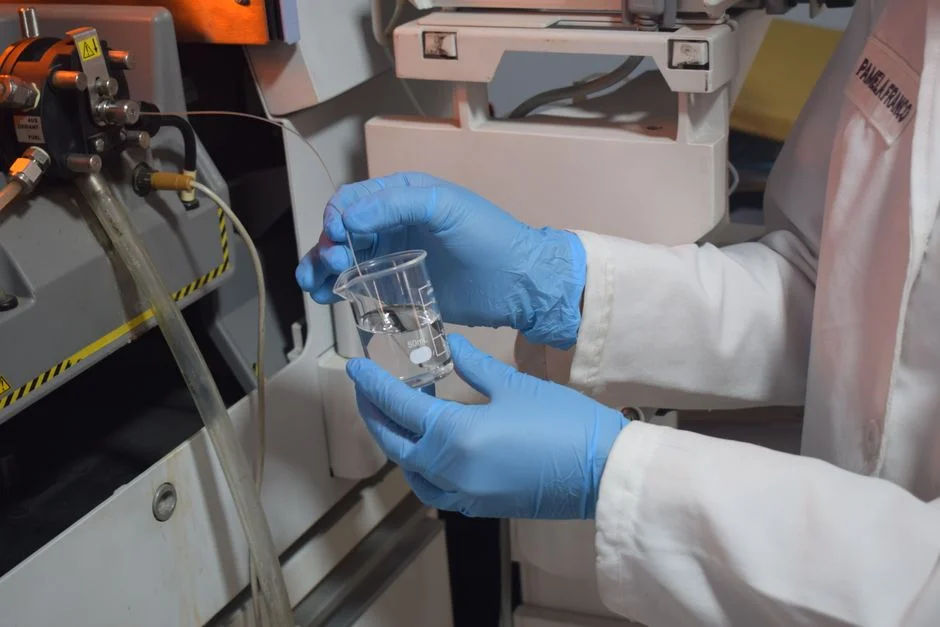
A compliant purchase order must connect the waste characterization to guarantees, permits, utilities, commissioning and sludge disposal. HydropureWater’s 2026 Mombasa guidance states that sewer or surface-water discharge targets are COD ≤50 mg/L, BOD ≤30 mg/L, TSS ≤25 mg/L, oil and grease ≤10 mg/L and pH 6.0–9.0, subject to permit verification. Put the applicable approved values in the tender rather than relying on a general compliance statement.
Request measured influent and effluent datasets, hydraulic-flow records, equipment guarantees, membrane specifications, controls scope, utility requirements, commissioning tests and O&M support. Each bidder should identify design flow, batch-storage response, treatment stages, duty/standby equipment, performance tolerances, test methods, laboratory support, spare parts and the party responsible for each licence or approval.
Permit work is a contractual dependency. HydropureWater’s 2026 Mombasa guidance reports a NEMA licensing timeline of 90–150 days after lodgement of a complete file and states that an EIA study is required for projects above the applicable throughput thresholds. Verify the current threshold, project classification and required submissions with NEMA and the appointed consultant. The equipment supplier should not be permitted to treat regulatory approval as an informal post-order activity.
Include the full solids route. HydropureWater identifies lamella thickening followed by plate-and-frame dewatering to 22–28% dry-solids cake. A lamella thickening module and plate-and-frame dewatering module should be quoted with DAF float and MBR waste included. The budget must also cover cake transport, permitted disposal, filter-cloth replacement and filtrate testing.
| Procurement package | Minimum information or test to require | Acceptance basis |
|---|---|---|
| Waste characterization | Flow, COD, BOD, TSS, FOG, pH, TDS, batch pattern and sampling method | Current representative data agreed by purchaser and bidder |
| Process design | Unit duties, hydraulic basis, equalization volume and mass balance | Design package consistent with measured flow and load |
| Effluent performance | Test method, sampling point, frequency and acceptance tolerance | Current permit limits and agreed reuse criteria |
| Factory acceptance testing | Selected feed or representative wastewater and agreed test protocol | FAT passed before shipment |
| Site performance testing | Stable operation followed by representative sampling | Permit and reuse criteria demonstrated over the agreed period |
| Permit and EIA | Named responsible parties, submissions, approvals and schedule dependencies | Conditions precedent and delivery responsibilities stated contractually |
| Utilities and controls | Power, water, chemicals, drainage, PLC, alarms and remote access | Utility demand confirmed at design flow |
| Sludge handling | Float and MBR waste balance, thickening, cake specification, filtrate and disposal | 22–28% dry-solids cake stated by HydropureWater as the reference outcome, subject to site testing |
| O&M and spares | Manuals, training, preventive schedule, critical spares and membrane-cleaning chemicals | Complete handover before final acceptance |
Require a factory acceptance test using the selected feed or representative wastewater before shipment, followed by site performance testing against the agreed permit and reuse criteria. Define what happens if acceptance is delayed by late permit approvals, and require handover of as-built drawings, test records, operating instructions, training, spares and the approved O&M plan.
Frequently Asked Questions
How much should a Mombasa high-COD trade-waste treatment plant cost?
HydropureWater’s 2026 Mombasa guidance reports USD 350,000–700,000 CAPEX and USD 0.55–0.80 per m³ OPEX for a 200 m³/day system with RO polishing. Request a quotation that states the treatment train, civil works, utilities, sludge handling, controls and commissioning scope; the published figures should not be treated as a universal price for every flow configuration.
How should the plant be sized for a variable trade-waste flow?
Size the train from measured average and peak flow, batch patterns, COD, BOD, FOG and TDS. HydropureWater specifies 6–8 hours of equalization HRT and an MBR operating at 8,000–12,000 mg/L MLSS, but those references require confirmation against the site’s hydraulic and organic loads. The tender should identify design flow, storage response, membrane redundancy and the performance test conditions.
Is DAF necessary before an MBR for every high-COD stream?
No universal COD threshold in the supplied research makes DAF mandatory. Require the engineer to evaluate measured FOG, suspended solids, emulsification and batch peaks against the biological system’s feed limits. HydropureWater reports DAF removal of 85–95% FOG and 90–95% TSS, so DAF is the stronger pretreatment option when those contaminants threaten biological operation or membrane protection.
When does a buyer need RO and UV instead of an MBR alone?
Add RO and UV when the specified reuse water requires lower dissolved solids and disinfection beyond the biological stage. HydropureWater reports a 75% RO recovery configuration for 2,000–8,000 mg/L TDS feed, product TDS below 500 mg/L and 254 nm UV at 40 mJ/cm² for log-4 disinfection. Before ordering, obtain the exact reuse specification, current feed data and a quotation showing the resulting product-water guarantee.