What treatment does a Tokyo factory actually need?
Tokyo manufacturers generally treat high-COD trade waste with a staged train: source control and equalization, DAF or clarification for oil, FOG and solids, biological treatment for biodegradable organics, then membrane or reverse-osmosis polishing when reuse or very low COD is required. A commercial Tokyo guide reports 60 mg/L COD for sewer discharge and 20 mg/L COD for reuse, but these values and their April 2026 applicability must be checked against the current permit. Laboratory MBBR testing showed more than 80% COD removal at an eight-hour HRT, while electrocoagulation was investigated for mineral-processing wastewater with an initial COD of 424.29 mg/L.
High-COD industrial effluent is not a single design category. The comprehensive industrial-wastewater review states that pollutant concentration, flow and contaminant type determine plant specifications. A factory therefore has to resolve three separate questions:
- Can the effluent be discharged to the receiving sewer? This requires the site-specific permit, sewer agreement, discharge point and monitoring obligations.
- Can it be reused for a defined application? The receiving water quality specification may include COD, nitrogen, phosphorus, turbidity, salinity or additional process constraints.
- Is higher-purity process water required? That objective may justify RO or other polishing beyond the sewer requirement.
The normal sequence is source segregation, equalization, solids or oil removal, biological organic-load reduction and final polishing. An industrial DAF system for FOG and solids pretreatment can protect downstream biology; an integrated MBR wastewater treatment system combines biological treatment with membrane separation where the required effluent quality justifies it.
Japan’s biological-treatment history is real, but it is historical context rather than a performance guarantee. The EPA-hosted 1986 US–Japan conference proceedings document activated sludge, aeration, sludge management and reuse as established areas of Japanese practice. Current site performance still depends on the actual wastewater, temperature, loading and equipment.
Confirm the destination before choosing the process
The receiving authority and final use must be fixed before equipment is selected. The HydropureWater Tokyo commercial guide publishes a sewer-discharge COD limit of 60 mg/L effective April 2026, plus reuse values of COD 20 mg/L, total nitrogen 10 mg/L and total phosphorus 1 mg/L. These are commercial-source values, not independently verified legal findings; the Tokyo Metropolitan Government or relevant sewer authority must confirm their applicability.
| Decision point | Information to obtain | Effect on design |
|---|---|---|
| Sewer discharge | Current permit, sewer agreement, discharge notification, sampling method and applicable COD and other limits | Sets the mandatory outlet quality and monitoring basis |
| Industrial reuse | Reuse specification, purchase contract and required COD, TN, TP and other parameters | May require biological treatment plus MBR, RO or another polishing stage |
| Process water | End-use quality, variability, temperature, salinity and contamination tolerance | May require tighter polishing than either sewer or reuse compliance |
Before design freeze, request the existing discharge notification, sewer agreement, self-control plan, approved sampling method and any reuse contract. The commercial guide describes submission of a discharge notification at least 30 days before operating a new or modified wastewater-treatment facility through the e-Tokyo system. Confirm the applicable route, documents and deadline with the authority rather than relying on that article alone.
Also separate legal obligations from commercial descriptions. The same guide discusses monitoring, real-time upload and third-party audits, but the research does not establish that each requirement applies universally to every Tokyo factory. Obtain a written, facility-specific compliance list. A published COD number is only one parameter and does not replace permit conditions, sampling rules, flow restrictions or sludge-disposal obligations.
Characterize the waste before sizing the plant
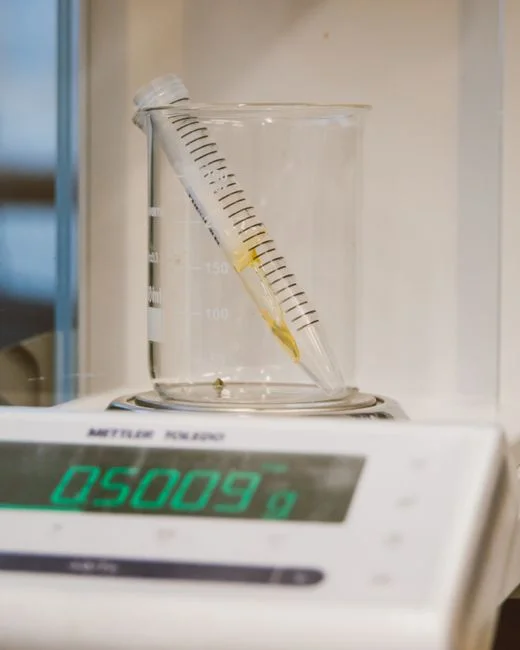
Plant capacity should be based on measured flow and contaminant variability, not on the word “high-COD.” The Juniper Publishers MBBR study examined influent COD from 1,000 to 3,500 mg/L and found that removal behavior changed across that range, demonstrating why one representative grab sample is insufficient.
| Characterization item | Required observation | Design consequence |
|---|---|---|
| COD and BOD | Representative samples across production, cleaning and shutdown periods | Organic load and biological treatment basis |
| Flow | Diurnal and batch peaks, minimum flow, shutdown flow and any storm-water entry | Equalization, hydraulic retention and peak treatment capacity |
| Oil, grease and FOG | Free and emulsified oil and soluble contaminants | DAF, separation, coalescence or other pretreatment |
| Suspended solids and colloids | Particle distribution, settleability and filtration resistance | Clarification, filtration and membrane pretreatment |
| pH and temperature | Range and rate of change | Chemical adjustment and biological performance |
| Salinity, metals and inhibitors | Concentration and toxicity indicators relevant to the process | Treatment suitability, materials and sludge classification |
The 2025 comprehensive review explains that industrial effluent may need sequential physical, chemical, biological and tertiary methods because municipal plants are generally designed mainly around BOD removal. A factory should not transfer the industrial wastewater characterization responsibility to the municipal sewer authority.
Establish conservative design flow, equalization demand and the source of every chemical or process-water return before sizing tanks or membranes. Use the DAF selection guide for FOG and TSS and the DAF versus lamella clarifier comparison to structure option screening. Record which parameters remain unknown; those gaps should become jar tests, pilot work or conditional guarantees rather than invented design assumptions.
Remove the load that would overload biology and membranes
Pretreatment must remove material that would impair biological activity or foul downstream membranes. DAF is appropriate when suspended solids, FOG, oil or colloidal matter are significant; the HydropureWater DAF product specification covers 4–300 m³/h and identifies industrial pretreatment as its intended application.
Lamella clarification is an alternative when compact solids separation and sludge recirculation are priorities. The supplied high-efficiency sedimentation tank specification states surface-loading rates of 20–40 m/h and chemical-consumption reduction of up to 30%. Neither value is a site-specific Tokyo performance guarantee; applicability depends on the solids profile, geometry, hydraulic loading and selected chemical condition.
The automatic chemical dosing system supports coagulants, flocculants and pH adjusters, but equipment capability does not establish dosage. Set chemical demand through jar tests across representative wastewater conditions, then verify feed rate, mixing, pH response and control logic during commissioning. Include the return of chemical or process water to the head of works in the hydraulic and load balance.
- If oil or FOG is material: test DAF and the required separation stage before biological treatment.
- If settleable solids dominate and space is constrained: compare lamella clarification with DAF using the actual particle and sludge characteristics.
- If membranes are downstream: define solids, colloid and pretreatment acceptance limits in the equipment contract.
An inadequately protected MBR or RO train is a poor investment: upstream solids, FOG and colloids increase cleaning demand and reduce dependable recovery. The pretreatment decision should therefore be made from the wastewater characterization, not from a preferred equipment brand.
Choose biological treatment for the soluble organic load
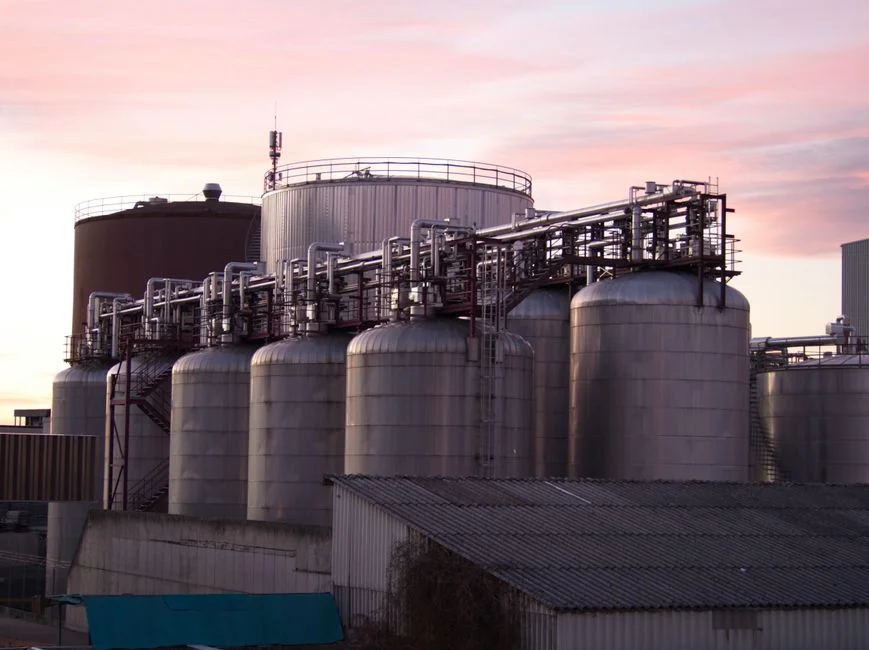
Attached-growth biological treatment can reduce biodegradable organics, but the available MBBR evidence is laboratory-scale. The Juniper Publishers study used K3 carriers at a 50% filling ratio and a 50% packing ratio. At an eight-hour hydraulic retention time it achieved more than 80% COD removal; 12 hours produced approximately 86% removal.
| Evidence | Reported result | Engineering limitation |
|---|---|---|
| MBBR HRT comparison | More than 80% COD removal at 8 hours; approximately 86% at 12 hours | Lab-scale K3-carrier study |
| Temperature response | COD removal rose from approximately 70% to approximately 90% between 20 and 25 °C; 94% was the highest reported value at 32 °C | Not transferable to unheated full-scale Tokyo tanks without site testing |
| Commercial DAF plus MBR example | 18 mg/L COD | Example from the HydropureWater commercial guide, not a universal guarantee |
| Commercial biofilm plus sand filtration example | Around 45 mg/L COD for flows generally below 50 m³/h | Commercial example described as basic-compliance service |
Full-scale design must account for actual temperature, organic loading, hydraulic variation, toxicity and biomass acclimation. The historical EPA-hosted 1986 proceedings support the continued relevance of activated sludge, aeration and sludge handling in Japan, but they do not demonstrate current performance for a Tokyo factory.
The commercial comparison places DAF plus an integrated MBR wastewater treatment system in the advanced-discharge or reuse category, while biofilm plus sand filtration is presented as a basic-compliance option. Treat those as commercial case descriptions. For MBR selection, separate biological performance, membrane materials, flux, recovery, cleaning chemistry and guarantees; the 2025 membrane-module selection guide can support that technical review.
Add membranes only when the reuse target requires them
Membrane polishing should answer a defined quality requirement, not become an automatic addition to every biological system. The HydropureWater commercial guide reports 18 mg/L COD for a DAF-plus-MBR example and 8 mg/L COD for a high-rate lamella-clarifier-plus-RO example. It also gives 95% recovery for the RO example. These are commercial outcomes tied to particular examples, not guaranteed performance for another wastewater or site.
| Option | Supplied scope | Principal procurement question |
|---|---|---|
| DAF plus MBR | Commercial example: 18 mg/L COD; PVDF membrane description | What flux and recovery will be guaranteed with the actual oil, solids and temperature? |
| Lamella plus RO | Commercial example: 8 mg/L COD and 95% recovery | What feed chemistry, pretreatment, concentrate route and cleaning protocol support the guarantee? |
| MBR product | Submerged PVDF membranes, filtration below 1 μm, capacity 10–2,000 m³/day | Does the system treat the documented reuse parameters, including TN and TP where applicable? |
| UF system | 2,000–40,000 L/h, 0.03 μm PVDF, turbidity up to 300 ppm, automatic backwash and air scour | Is UF needed for solids protection or RO pretreatment, rather than primary COD removal? |
The integrated MBR wastewater treatment system combines activated sludge with submerged PVDF filtration and is specified for 10–2,000 m³/day. The UF water-treatment system handles 2,000–40,000 L/h, accepts up to 300 ppm turbidity and supports automatic backwash and air scour. Its more defensible role is RO pretreatment or solids protection unless the project evidence demonstrates a need for it as the main polishing barrier.
An RO water-purification system or RO and UF membrane elements should be purchased against a fouling analysis, cleaning strategy and site acceptance test using actual wastewater. Generic pore size does not establish long-term recovery, salt rejection or contaminant passage.
Compare treatment trains against Tokyo operating conditions
The commercial cost examples are comparative planning cases, not quotations. The 200 m³/h cases place DAF plus MBR at approximately ¥180 million CAPEX and ¥0.95/m³ OPEX, versus approximately ¥260 million and ¥1.35/m³ for lamella plus RO; both figures come from the HydropureWater commercial guide and are identified there as 2024 field data.
| Treatment train | Commercial example | Illustrative economics | Main limitation |
|---|---|---|---|
| DAF plus MBR | 18 mg/L COD; footprint around 0.25 m²/m³ in the commercial example | At 200 m³/h: about ¥180 million CAPEX and ¥0.95/m³ OPEX | Example footprint and cost are not universal planning factors |
| Lamella plus RO | 8 mg/L COD; 95% RO recovery | At 200 m³/h: about ¥260 million CAPEX and ¥1.35/m³ OPEX | Concentrate, pretreatment and membrane cleaning must be included |
| Biofilm plus sand filtration | Around 45 mg/L COD; flows generally below 50 m³/h | No comparable CAPEX or OPEX value supplied in the research | Commercial description indicates basic compliance, not reuse suitability |
The same commercial guide reports a 10-year NPV of ¥290 million for DAF plus MBR and ¥410 million for lamella plus RO at 100 m³/h. At 500 m³/h, it states that lamella plus RO leads by approximately ¥40 million. These are scenario results, not current Tokyo tenders; request a quotation using the same flow profile, duty, solids concentration, membrane assumptions, utility prices and discount basis.
Sludge must be priced separately. The commercial guide estimates ¥0.12/m³ at 0.8% dry solids and an approximately ¥28/kg dry-solids gate fee, identified as HydropureWater field data from 2025. Check the current tariff and disposal route. A plate-and-frame filter press may affect dewatering cost and logistics, while an flat-sheet MBR module remains an equipment-selection item rather than evidence of plant performance.
Build the lifecycle comparison around capital equipment, installation, utilities, chemicals, membranes, sludge, labour, standby, residual-water disposal and disposal tariffs. Label every 2024 or 2025 commercial figure as illustrative until refreshed through a current vendor quotation, site-specific mass balance and sewer-authority tariff review.
Build a verification plan before equipment approval
A defensible approval package links permit conditions to measured wastewater, guaranteed performance and operating records. Complete representative characterization before fixing capacity or performance guarantees, and identify which parameters remain variable by production batch.
- Confirm the legal destination. Obtain the current discharge notification, sewer agreement, reuse or process specification, sampling method and applicable monitoring duties.
- Confirm submission timing. The commercial guide describes notification at least 30 days before operating a new or modified facility through e-Tokyo; verify the current requirement and submission route with the authority.
- Convert permits into acceptance criteria. Define sampling points, analytical methods, load conditions, test duration and rejection remedies for COD, solids and flow.
- Test process performance. Record membrane differential pressure, normalized energy use, recovery, cleaning frequency, sludge production and chemical consumption.
- Resolve residuals. Confirm sludge classification, dehydration requirements, disposal route, odour controls and standby arrangements before laying out the plant.
Do not assume that continuous monitoring, real-time upload or third-party audits apply to the facility. The commercial guide’s statements on those subjects are not sufficient authority for blanket compliance conclusions. Ask the Tokyo Metropolitan Government or relevant sewer authority to identify the applicable obligations in writing.
Use the high-COD trade-waste treatment workflow to organize responsibilities across operations, laboratory, engineering and procurement. Equipment approval should require sign-off from all four. A vendor guarantee is useful only if its test conditions, wastewater basis, sampling method and remedy are stated precisely.
Frequently Asked Questions
How should a Tokyo factory compare treatment costs for high-COD effluent?
Compare lifecycle cost, not only CAPEX. The commercial 200 m³/h examples place DAF plus MBR at approximately ¥180 million CAPEX and ¥0.95/m³ OPEX, while lamella plus RO is approximately ¥260 million and ¥1.35/m³ (HydropureWater commercial guide, 2024 field data). Request current quotations that separately price membranes, energy, chemicals, sludge, site works, residual-water disposal and standby capacity.
What determines the required treatment capacity for high-COD industrial effluent?
No universal flow-to-equipment ratio is defensible. Influent COD, flow variability, oil and solids, temperature, inhibition, reuse target and footprint determine the train. Require representative sampling across production, cleaning and shutdown periods before sizing equalization, biological reactors or membranes.
How should an equipment supplier be selected in Japan?
Request Japan-specific documentation, relevant site references, membrane guarantees tied to actual feed conditions, acceptance-test methods, chemical-consumption data, sludge-handling provisions and local service capability. Also ask for a current itemized quotation and contractual remedy if guaranteed effluent or recovery is not achieved.
Is a published Tokyo COD limit the complete permit requirement?
No. Confirm the site-specific sewer agreement, discharge notification, sampling rules, monitoring duties and current requirements with the Tokyo Metropolitan Government or relevant sewer authority. The commercial guide’s 60 mg/L sewer COD and 20 mg/L reuse COD values require current confirmation before being used in design.
When is electrocoagulation a candidate for a Tokyo treatment train?
Use it only after wastewater-specific testing. The MDPI electrocoagulation study investigated mineral-processing wastewater with an initial COD of 424.29 mg/L and examined anode material, current density, initial pH and additives. It is a case-specific option, not evidence for a default Tokyo train.
Related Equipment
- integrated MBR wastewater treatment system — specifications, capacity range, and technical data