Define the Wastewater and Effluent Objective
An effluent treatment plant in Naypyidaw should be selected from the factory’s wastewater characteristics, flow profile, discharge destination and water-reuse objective—not from a standard package. A practical industrial train may combine screening and equalization, DAF for oil, solids and colloids, biological treatment for biodegradable load, membrane or carbon polishing for difficult contaminants, and disinfection. Research from the University of Twente identifies nanofiltration as an option for polishing treated effluent, while a 2022 Wageningen University and Research thesis examines constructed wetlands for micropollutant removal. Final equipment selection must follow site-specific influent testing, current permit review and a supplier process guarantee.
Start with a process-by-process inventory rather than a plant-wide average. Identify each source stream, its normal and peak flow, operating schedule, seasonal variation, sampling point and permitted discharge destination. Factory wastewater can change sharply with product mix, batch operations and cleaning cycles, so a single composite sample may conceal the loads that control equipment size.
Test representative wastewater for pH, COD, BOD, suspended solids, oil and grease, temperature and salinity, then add contaminants specific to the sector. For textile and garment plants, establish dye type, color, complex organics and residual treatment chemicals. The Myanmar commercial result from Innova Priority identifies granular activated carbon as a final-polishing option for deep dyes and complex organic pollutants, but that application still requires representative testing.
Define whether the project is for permit compliance, process-water recovery, water reuse treatment, or a combination. A reuse objective requires a specified water-quality standard and an assessment of each treatment barrier; discharge compliance alone does not establish suitability for reuse. Current site permits and representative influent testing are mandatory design inputs, consistent with HydropureWater’s 2026 Naypyidaw engineering guidance, which advises verification against permits, influent testing and the final equipment proposal.
| Design input | Information the buyer must obtain | Decision controlled |
|---|---|---|
| Wastewater inventory | Source streams, normal and peak flow, operating schedule, seasonal variation and sampling points | Equalization, hydraulic loading and unit selection |
| Wastewater characterization | pH, COD, BOD, suspended solids, oil and grease, temperature, salinity and sector-specific contaminants | DAF, biological treatment, polishing and disinfection |
| Effluent objective | Permit limits, discharge destination, reuse quality and process-water requirements | Required treatment barriers and acceptance tests |
| Site and operations | Footprint, utilities, sludge route, operator capability and maintenance access | Package configuration and commercial scope |
Build a Treatment Train Around the Contaminants
Each treatment unit should have a defined contaminant-removal duty before it is included in the industrial ETP process selection. Use screening and equalization to protect downstream equipment, DAF for floating or particulate contaminants, biological treatment for biodegradable load, and polishing only for the residual objective. The industrial ETP process-selection guide provides a useful general framework, but the final train must remain site-specific.
- Protect the plant. Use headworks to remove rags, plastics, fibers and other debris before pumps and biological processes. The GX rotary mechanical bar screen is documented for continuous-duty fine screening of municipal and industrial wastewater.
- Remove material that would impair treatment. Use an industrial DAF system for oil, solids and colloidal matter where those fractions are significant. HydropureWater’s DAF range covers 4–300 m³/h across 13 standard models, according to its current product information.
- Remove biodegradable load. Where biological treatment is appropriate, compare conventional activated sludge with the integrated MBR wastewater treatment system for the required solids separation and footprint. The documented MBR combines activated sludge with submerged PVDF filtration below 1 µm, occupies 60% less floor space than conventional systems, and covers 10–2,000 m³/day.
- Polish the identified residual contaminant. University of Twente research identifies nanofiltration as a method for polishing wastewater treatment plant effluent to EU Water Framework Directive standards for agricultural or direct and indirect potable use. That research supports a potential reuse barrier; it does not establish that every industrial ETP needs nanofiltration. For deep dyes and complex organics, granular activated carbon is relevant according to the 2026 Innova Priority Myanmar commercial result.
- Disinfect against the assessed microbial risk. HydropureWater’s chlorine dioxide generation equipment is listed from 50 g/h to 20,000 g/h, while its UV-C disinfection system is described as operating without disinfection by-products or taste change.
| Treatment stage | Primary role | Selection condition | Documented reference data |
|---|---|---|---|
| Headworks | Remove debris and protect equipment | Required where fibrous or solid material enters the train | GX screen: continuous-duty fine screening |
| DAF | Remove oil, solids and colloidal matter | Floating or particulate fractions materially affect downstream treatment | 4–300 m³/h; 13 standard models |
| Integrated biological package | Anoxic/aerobic treatment, sedimentation and disinfection | Compact buried treatment is appropriate for the site | HydropureWater WSZ package description |
| MBR | Activated sludge with membrane solids separation | Small footprint and separated solids are priorities | Below 1 µm; 60% smaller footprint; 10–2,000 m³/day |
| Advanced polishing | Remove residual contaminants for a defined reuse or discharge objective | Conventional treatment cannot meet the required quality | Nanofiltration research from University of Twente; GAC application from Innova Priority |
| Disinfection | Control viable pathogens | Microbial risk and receiving environment justify treatment | Chlorine dioxide: 50–20,000 g/h; UV-C option listed |
Choose Polishing Only Where the Wastewater Requires It
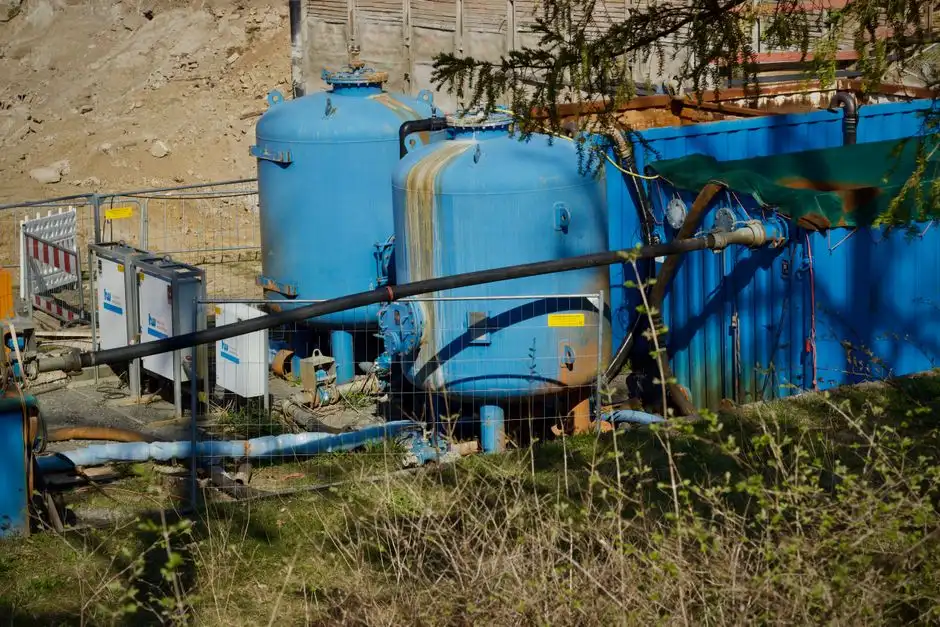
Effluent polishing is justified by a contaminant and an end-use requirement, not by a desire for the highest-quality water available. Evaluate biological treatment for biodegradable load first, then determine whether residual solids, color, dissolved salts, micropollutants or another identified substance prevents compliance or reuse. Membranes, activated carbon and constructed wetlands are not interchangeable substitutes; each addresses a different treatment barrier.
The University of Twente’s doctoral research on direct nanofiltration concluded that nanofiltration can polish wastewater treatment plant effluent to EU Water Framework Directive standards and produce effluent suitable for agricultural or direct and indirect potable use. It supports membrane polishing as a possible route for reclamation, but it does not quantify performance on an unspecified Naypyidaw factory wastewater. A supplier must demonstrate that the proposed membrane treatment addresses the site’s actual contaminants and flow envelope.
Constructed wetlands offer another context for nature-based polishing. Wageningen University and Research published Yu Lei’s doctoral thesis, Removal of micropollutants from wastewater treatment plant effluent by constructed wetlands, on 23 September 2022. The thesis investigates micropollutant removal from treatment-plant effluent, but it is research context—not a performance guarantee for a Naypyidaw installation. Site climate, hydraulic loading, seasonal operation and receiving conditions would still need engineering verification.
Where ultrafiltration is considered for solids separation or as pretreatment to reverse osmosis, document that duty explicitly. HydropureWater’s current UF information specifies 0.03 µm PVDF membranes, flow from 2,000–40,000 L/h, inlet turbidity up to 300 ppm, automatic backwash and air scour. The UF water treatment system and RO and UF membrane products should be evaluated within the complete proposed train, not purchased as an isolated polishing step.
| If the residual requirement is… | Evaluate | Evidence required before acceptance |
|---|---|---|
| Biodegradable organics not removed adequately | Improved biological treatment or MBR | Representative-load pilot data and final-effluent results |
| Suspended solids or turbidity | DAF, UF or another clarification and solids barrier | Flow, solids loading, membrane conditions and cleaning requirements |
| Dye, color or residual dissolved organics | Granular activated carbon | Contaminant-specific adsorption data and media replacement basis |
| Defined higher-quality reuse objective | Nanofiltration or another validated advanced barrier | Pilot results against the required water-quality specification |
| Micropollutant research context | Constructed wetlands where site conditions support them | Site-specific design and verified hydraulic and contaminant performance |
Turn the Process Selection into a Supplier-Scoped Quotation
A comparable quotation must define the same wastewater, treatment objective and site boundary for every bidder. Provide the process inventory, flow diagram, operating assumptions, footprint, utilities, sludge-handling requirement, discharge destination and required effluent objectives. Give bidders enough site information to size pretreatment, treatment, polishing, controls and utilities without allowing unsupported assumptions to enter the price.
Require each bidder to identify every treatment barrier, duty basis, sizing margin, materials, controls, instrumentation, installation boundary, commissioning tests and exclusions. Ask for a treatment-train diagram and mass balance covering flow, COD/BOD load, solids, chemicals, sludge and final effluent. Comparing a quoted DAF or MBR in isolation can conceal the cost and performance consequences of missing pretreatment, equalization or polishing.
Check that the proposed capacity applies to the documented operating envelope. HydropureWater’s current product information gives DAF capacity from 4–300 m³/h across 13 models, MBR capacity from 10–2,000 m³/day and UF flow from 2,000–40,000 L/h. These are catalog ranges, not automatic selections for a factory: the chosen model must correspond to measured peak flow, contaminant load, operating schedule and treatment duty.
Separate the commercial schedule into equipment, freight, installation, civil works, commissioning, training, initial spares, chemicals, consumables, warranty and performance-test conditions. Also require each bidder to explain its assumptions for monsoon access, power availability, operator skill, chemical storage and maintenance support for the Naypyidaw installation.
- Issue one controlled design basis: wastewater data, flow envelope, site plan, utilities and effluent objective.
- Require one complete process scope: train diagram, mass balance, equipment register, controls and exclusions.
- Verify performance and commercial boundaries: capacity basis, tests, warranty, installation and operating costs.
- Clarify local execution risks: logistics, utilities, civil works, commissioning support and maintenance responsibility.
Plan Commissioning, Sludge Management and Long-Term Operation
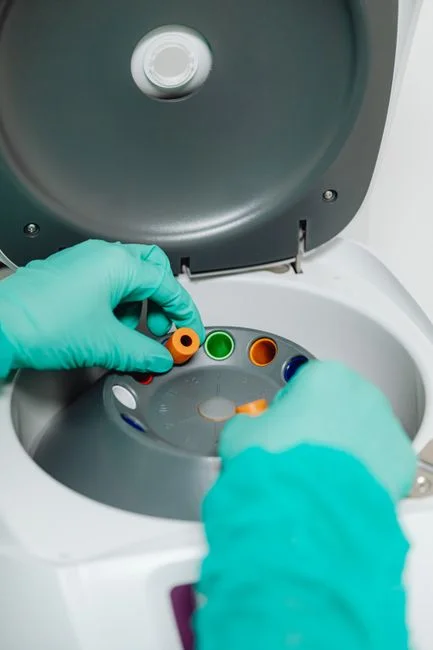
Commissioning should test the installed treatment train against a defined sampling and acceptance plan before full operation. Establish baseline and acceptance points for influent, each major process stage and final discharge. Agree analytical methods, operating conditions, sample timing and acceptance criteria in advance, including what happens if the wastewater or permit condition changes during testing.
Resolve startup sequence, bypass and emergency-operation arrangements before delivery. Training should cover the actual control system, chemical handling, sampling, routine checks, fault response and maintenance. Preventive maintenance, spare-parts responsibility and remote or local troubleshooting support should be recorded in the supply contract.
Include solids and sludge handling in the design rather than treating it as a residual issue. HydropureWater’s plate-and-frame filter press range covers filtration areas from 1 m² to 500 m² in manual, hydraulic and fully automatic PLC-controlled configurations. The selected configuration must match the sludge characteristics, dewatering objective, operating frequency and available labor.
Where chemical dosing is required, specify PLC-controlled delivery of coagulants, flocculants, pH adjusters or specialty chemicals through the automatic chemical dosing system. Define storage capacity, chemical compatibility, dosing basis, leak control, calibration and the supply arrangement before commissioning.
Tie routine monitoring to the permit and reuse objective. Review treatment performance after changes in product mix, production volume, influent chemistry or discharge destination. For MBR and other membrane-based systems, define membrane cleaning, backwash, condition monitoring and replacement planning; for DAF, define inspection and maintenance for the solids collection path; for biological systems, define sludge wasting and solids inventory control.
| Stage | Buyer checks | Required record |
|---|---|---|
| Pre-commissioning | Installation, utilities, controls, safety systems and operating instructions | Punch-list closure and readiness sign-off |
| Startup | Startup sequence, chemical dosing, bypass and emergency arrangements | Operating log and corrective actions |
| Performance acceptance | Influent, intermediate-stage and final-effluent sampling under agreed conditions | Signed test results and exceptions |
| Sludge and residuals | Sludge generation, dewatering, storage, handling and disposal route | Approved solids-management method |
| Operations | Monitoring, maintenance, training, spares and troubleshooting support | Maintenance schedule and responsibility matrix |
| Change management | Review after production, chemistry, flow or permit changes | Revised performance review |
Frequently Asked Questions
What does an industrial ETP in Naypyidaw cost?
The supplied research does not provide a defensible Naypyidaw price. Request a process-based quotation only after representative wastewater testing, peak-flow assessment and permit review. The quotation should separate equipment, freight, civil works, installation, commissioning, chemicals, consumables, training, spares, warranty and performance testing so that alternatives can be compared on the same scope.
How should the ETP be sized?
Select capacity from measured peak flow and contaminant loads, not from a supplier’s standard package. HydropureWater’s documented ranges include DAF at 4–300 m³/h, MBR at 10–2,000 m³/day and UF at 2,000–40,000 L/h. Ask each bidder to show how its selected model covers the factory’s operating envelope and downstream pretreatment, polishing and sludge requirements.
How should suppliers be compared?
Compare complete treatment trains, not individual equipment names. Require a process diagram, mass balance, capacity basis, controls, installation boundary, commissioning tests, operating costs, warranty conditions and evidence that the proposed train meets the documented wastewater and effluent objective.
What compliance evidence should be required?
Require the proposed treatment objective to align with the current permit and demonstrated final effluent. A general product claim is not a discharge guarantee. If the project includes reuse, request a separate water-quality specification and pilot or acceptance evidence for the relevant treatment barrier.
How long will equipment delivery and commissioning take?
The supplied research does not establish a dependable lead time for a Naypyidaw ETP. Ask each supplier for a milestone schedule covering drawing approval, manufacturing, documentation, freight, civil works, installation, utility connections, training and performance testing, together with the assumptions and approval dependencies behind that schedule.