

What the DAF Stage Must Achieve in a Denim Plant
Dissolved air flotation (DAF) is a solids-separation stage rather than a complete treatment plant for denim-washing wastewater. Pressurized saturated recycle water is released into the wastewater stream, forming microbubbles that attach to particles and carry suspended solids, colloids, oils and other floatable matter to the surface for skimming. The normal upstream sequence is equalization and screening, pH adjustment and coagulation, flocculation, then DAF. Biodegradable dissolved and finely particulate organic matter may still require biological treatment.
This boundary matters because a denim project example listed DAF, an integrated AAO biological system and filtration, followed by stable operation and compliance with the applicable discharge standard (AquaTradeHub denim washing wastewater project, July 2025). That sequence is a process precedent, not a guaranteed outcome for every mill.
Chemical conditioning, wastewater composition, recycle performance, hydraulic loading and operating controls determine flotation performance. The supplied research does not establish a universal removal rate for denim washing wastewater. The operating principle of a DAF machine should therefore support equipment evaluation, not replace site-specific sampling and pilot testing.
Characterize Denim Washing Wastewater Before Sizing the DAF
A representative washing-cycle dataset provides more utility than a production average because batch discharges change both flow and contaminant loading. Sampling should cover production, wash-batch, rinse and concentrated reject streams separately wherever their characteristics or flows differ materially. The buyer should request analytical and operating data before comparing tank dimensions or issuing a purchase order.
| Input for buyer specification | Why it affects DAF design |
|---|---|
| Average, peak and batch discharge flow | Establishes hydraulic capacity, equalization requirements and the risk of short-duration overloads. |
| pH and temperature | Influences coagulation, flocculation, bubble behavior and biological compatibility downstream. |
| COD or BOD and TSS | Distinguishes biodegradable organic load from solids that may be captured by flotation. |
| Oil and grease, color, surfactants and detergents | Defines separation objectives, foam-control needs and downstream treatment requirements. |
| Identified process chemicals | Supports chemical compatibility, dosing selection and material selection. |
| Discharge or reuse parameters | Sets the final treatment objective rather than relying on generic DAF performance claims. |
The EPA HERO textile-dye study used a controlled feed of 15 mg L⁻¹ dye at pH 8 (EPA HERO, “Design of dissolved air flotation process for treating dyes-contaminated wastewater”). That feed was simulated textile wastewater, not characterized denim washing wastewater, so its concentration must not become a design default.
Pilot or bench testing should establish the coagulant and flocculant type, dose, operating pH, recycle behavior and solids capture. A 2026 DAF unit selection framework is useful for organizing those results, but the final hydraulic and contaminant basis must come from the mill.
Build the Treatment Train Around DAF
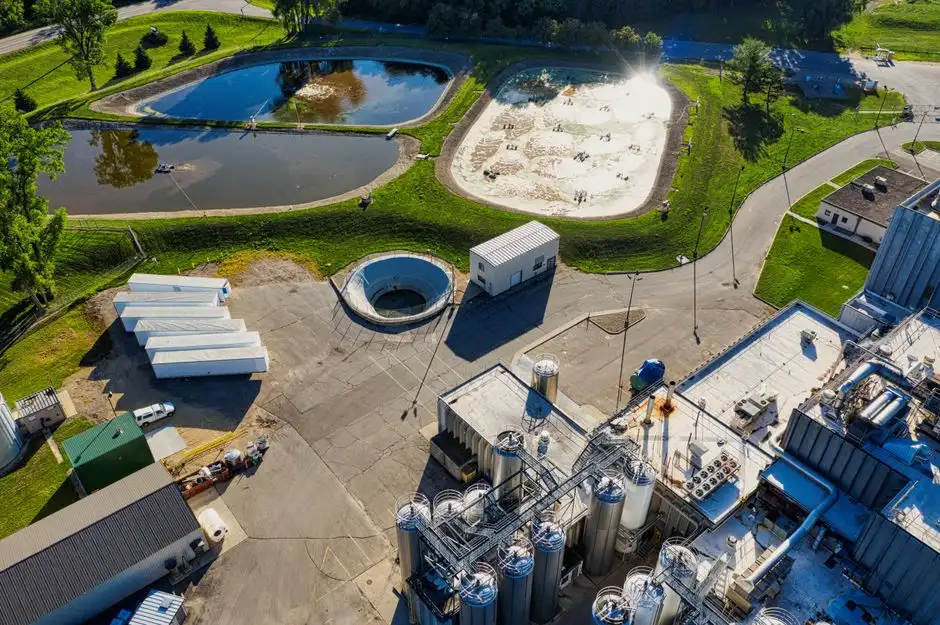
The recommended sequence is collection and equalization, screening or coarse-solids removal, pH adjustment, coagulation, flocculation, DAF, biological treatment and filtration or other tertiary treatment. DAF protects the downstream process by removing floatable material and conditioned solids; biological and tertiary requirements should be set against the intended discharge route or reuse specification.
| Train stage | Primary function | Evidence boundary |
|---|---|---|
| Equalization and screening | Buffers batch variation and removes coarse material. | Must be designed from the actual discharge profile. |
| Coagulation and flocculation | Conditions particles for capture. | Dose and pH require testing on representative wastewater. |
| Dissolved air flotation | Separates conditioned suspended, colloidal and floatable matter. | No universal denim removal rate is established by the supplied research. |
| Biological treatment | Addresses biodegradable dissolved and finely particulate organic load. | Configuration and load require a process design. |
| Filtration or tertiary treatment | Meets the required final discharge or reuse specification. | Selection depends on the receiving route and water-quality target. |
In the EPA HERO study, a flow of 100 L h⁻¹, 15 mg L⁻¹ dye and pH 8 were used with 10 mg L⁻¹ alum plus Aloe Vera. Single-dye removal reached 95% for Reactive Red, 93% for Reactive Blue and 92% for Reactive Yellow; adding PAC as flocculant produced 97%, 96% and 95%, respectively (EPA HERO, “Design of dissolved air flotation process for treating dyes-contaminated wastewater”). These controlled dye-specific results demonstrate the treatment sequence’s potential; they do not establish full denim-plant performance.
Likewise, the 2026 metal-plating CF-DAF study used approximately 2.2 m³ of real metal-plating wastewater and reported 83% COD removal, 99% zinc removal and 99% hexavalent chromium removal (Polish Journal of Environmental Studies, online publication 2026-03-26). Those results are not textile guarantees. A PLC-controlled chemical dosing system should be evaluated as part of the integrated control scope, not added later.
Compare DAF Configurations for Textile Wastewater
Saturated recycle and induction saturated recycle systems both generate bubbles by releasing pressurized air into the wastewater stream. Applied Mechanical Technology describes a saturated recycle system that pressurizes treated water and dissolves air in a vessel before the recycle enters the flotation inlet. Its induction saturated recycle approach uses specialized pumps operating in cavitation mode to induce metered air and pressurize the recycle.
| Selection point | Saturated recycle system | Induction saturated recycle system |
|---|---|---|
| Bubble generation | Air dissolves into pressurized recycle water in a saturation vessel before inlet release. | Specialized cavitation-mode pumps induce metered air and pressurize the recycle. |
| Evaluation priority | Confirm saturation performance, recycle-flow demand, pressure control, equipment footprint and maintainability. | Confirm pump operating range, induced-air metering, recycle-flow demand, automation and service access. |
| Common decision context | Both require a wastewater-specific design basis, chemical conditioning, reliable controls and confirmation of mixed-wastewater performance. | |
The supplied evidence does not establish that either architecture provides higher denim-wastewater removal. Selection should reflect wastewater chemistry, available space, recycle demand, utilities, automation requirements and maintenance access. A DAF and IAF configuration comparison provides useful architecture questions, but pilot or supplier data must remain the deciding evidence.
For mixed production streams, parallel units or staged treatment may merit evaluation where peak loading or maintenance access justifies them. The buyer should define whether the objective is redundancy, peak capacity, staged chemistry or improved solids handling.
Size the DAF from Loads Rather Than Average Flow
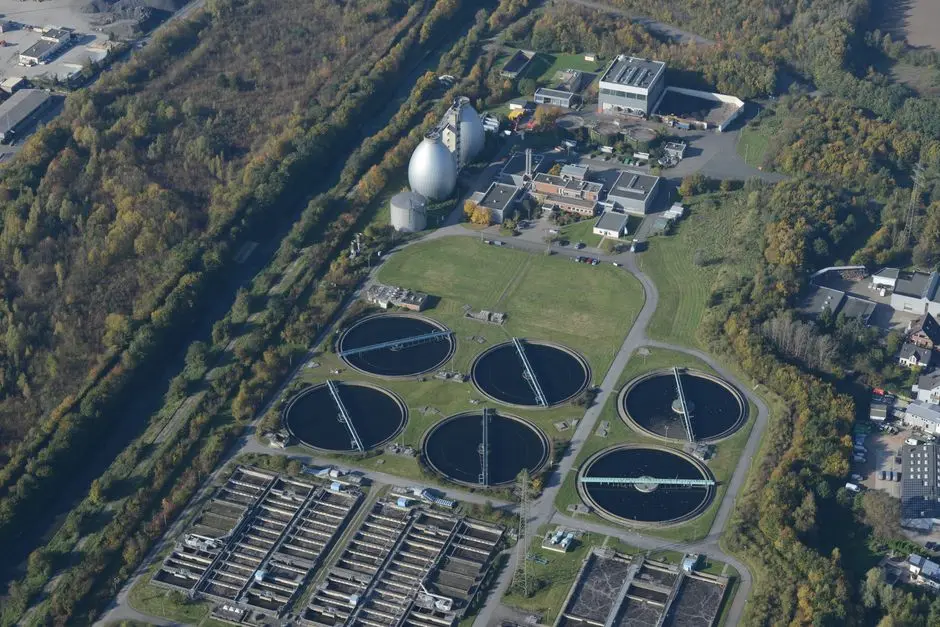
DAF sizing must reconcile peak hydraulic demand with contaminant and solids loading. Average flow can conceal a short wash-batch discharge, while a nominally adequate hydraulic rate can be overwhelmed by variable solids, oils or chemical demand. Each bidder should state the design basis rather than select a model from flow alone.
| Minimum sizing data | Information required from the supplier |
|---|---|
| Average and peak flow; batch discharge profile | Design flow, operating turns, equalization assumptions and peak-handling method. |
| TSS and oil-and-grease loading | Design solids load, hydraulic retention, skimming and sludge-withdrawal basis. |
| Recycle and saturation requirements | Recycle ratio, saturation performance, pressure and recycle-flow verification method. |
| Site and utility constraints | Floor area, skid arrangement, materials, utilities, access and maintainability. |
| Downstream capacity | Transfer-pump duty, biological feed criteria and filtration or tertiary-stage compatibility. |
HydropureWater’s verified product catalog lists 4–300 m³/h across 13 standard industrial DAF system models. This is a manufacturer selection range, not evidence that any standard model fits a particular denim plant.
Recycle flow, bubble-to-particle attachment, skimming capacity, sludge withdrawal and downstream hydraulic capacity must be evaluated together. The automatic dosing package should control chemical addition and pH as an integrated function because repeatable conditioning is part of the separation result.
Require bidders to identify design flow, design solids load, recycle ratio, tank-sizing basis, materials, controls scope, skid arrangement and treatment-capacity assumptions. They should also separate textile-specific evidence from results obtained in other industrial sectors.
Plan Sludge Handling, Automation and Commissioning
DAF creates two solids streams that require defined destinations. Floating scum is skimmed for collection, while settleable solids that do not float are removed from the bottom sludge zone. A complete specification defines collection, storage, pumping, thickening, transport and disposal rather than leaving sludge handling as an undefined attachment.
Where recovered sludge requires transport or further processing, specify dewatering duty from an actual sludge test. Polymer demand, feed consistency, cake characteristics and disposal route influence the choice. The DAF sludge dewatering equipment is one possible downstream configuration, but its operating basis must follow from the recovered-solids characteristics.
Critical controls include pH, chemical dosing, recycle pressure, recycle flow, differential pressure, skimming and sludge removal. Commissioning should proceed through baseline sampling, chemical-dose trials, startup sequencing, steady-state operation and monitored treated-water quality. The automatic chemical dosing system should be tested with the DAF controls as one system, not accepted as an isolated packaged unit.
Contingencies must cover wash-batch peaks, chemical carryover, foam control and changes in detergent or dye load. Numeric acceptance limits should be set after project-specific analysis and confirmation of the discharge or reuse requirement.
The supplier comparison should also cover operator training, local controls, alarms, maintenance access and spare-parts support. A system that is difficult to access or operate will not deliver a stable treatment result even if its flotation tank is correctly sized.
Qualify Suppliers Before Ordering a DAF System
A credible supplier should begin with the mill’s wastewater data, treatment objective and evidence supporting each performance claim. Request the proposed process flow, hydraulic basis, control philosophy, materials of construction, skimmer and sludge-system design, and utility requirements. These answers reveal whether the proposal is an application-specific design or a generic tank with an added flotation mechanism.
| Procurement check | Acceptable supplier response |
|---|---|
| Design basis | States average and peak flow, batch assumptions, solids load, recycle ratio and sizing calculations. |
| Application evidence | Identifies wastewater type, test conditions and whether variable batch conditions were represented. |
| Scope boundaries | Separates equipment, civil works, chemical storage, dosing, controls, installation, commissioning, training and sludge handling. |
| Performance claims | Connects each claimed result to its original wastewater and operating conditions. |
| Operations and service | Defines alarms, operator training, access, spare parts and commissioning support. |
The scale of supporting studies must be interpreted correctly. The 2026 metal-plating study used a pilot-scale volume of approximately 2.2 m³, while the EPA HERO dye study operated at 100 L h⁻¹. Neither scale represents commercial denim-plant capacity.
Use the 2026 DAF unit selection framework to compare submitted systems, but make the final decision on treatment fit, evidence quality, total installed scope and lifecycle support—not tank size alone.
Frequently Asked Questions
Is a DAF system a complete treatment plant for denim washing wastewater?
No. DAF is normally the solids-capture stage before biological and tertiary treatment. The July 2025 AquaTradeHub denim project example paired DAF with an integrated AAO biological system and filtration, then reported stable operation and compliance without numerical performance values.
How much does a DAF system for denim washing wastewater cost?
A reliable price cannot be stated from
Frequently Asked Questions
How much does a DAF system for denim washing wastewater cost?
Capital expenditure for a DAF system typically ranges from $50,000 to $250,000, depending primarily on the hydraulic loading rate, which usually spans 5 to 20 m³/h per unit. Total project costs including civil works, chemical dosing skids, and sludge dewatering equipment often reach $150,000 to $500,000 for standard mid-sized denim facilities.
Operational costs are driven by chemical consumption, specifically coagulants and flocculants, which range from $0.15 to $0.40 per cubic meter of treated water. Electricity consumption for the air saturation pump and skimmer drive remains relatively low, generally contributing less than 10% to the total operational expenditure.
What wastewater data does a DAF supplier need to size a denim treatment system?
Suppliers require the peak and average hydraulic flow rates in m³/h to determine the necessary surface overflow rate, which is typically designed between 2 and 6 m/h for denim effluent. Additionally, influent characteristics such as Chemical Oxygen Demand (COD) ranging from 1,000 to 5,000 mg/L, Total Suspended Solids (TSS), and pH levels are critical for sizing the chemical reaction tanks.
Temperature data is essential, as denim washing water often exceeds 40°C, which affects air solubility and bubble formation efficiency. Detailed analysis of dye types, surfactant concentrations, and oil/grease content is also required to determine the optimal coagulant dosage and air-to-solids ratio, usually targeted at 0.02 to 0.05 ml of air per mg of solids.
Can DAF replace biological treatment for denim washing wastewater?
DAF is highly effective as a primary treatment stage but is rarely a standalone replacement for biological treatment if strict discharge standards for soluble COD and BOD are required. While DAF can remove 80-95% of TSS and 50-70% of particulate COD, it does not effectively remove the dissolved synthetic dyes and surfactants characteristic of denim production.
In most 2026 engineering designs, DAF serves as a pretreatment step to reduce the organic load before biological processes like Membrane Bioreactors (MBR) or Moving Bed Biofilm Reactors (MBBR). Using DAF alone generally results in effluent that fails to meet local environmental discharge limits for soluble pollutants.
How do I compare DAF suppliers for a textile wastewater project?
When comparing suppliers, evaluate the air saturation system efficiency, specifically the recycle ratio, which should ideally be adjustable between 5% and 15% of the total influent flow. Request documented performance data from similar denim installations, focusing on the system's ability to handle high-foaming surfactants and rapid fluctuations in dye concentrations.
Assess the build quality by verifying the use of corrosion-resistant materials such as 304 or 316L stainless steel, necessary for the acidic or alkaline conditions typical of textile processing. Finally, compare the ease of integration for automated chemical dosing control loops, as real-time pH and turbidity monitoring are essential for maintaining consistent flocculation performance.
What should be tested during DAF commissioning for denim wastewater?
Commissioning must verify the hydraulic retention time in the flocculation zone and the stability of the sludge blanket, with target solids concentrations in the float ranging from 2% to 4%. Testing should confirm that the air-to-solids ratio is optimized for the specific wastewater density, ensuring that the microbubble size remains within the 10 to 100-micron range for maximum particle attachment.
Performance validation requires a minimum 24-hour continuous run to monitor the removal efficiency of TSS and turbidity, ensuring effluent levels stay within design specifications. Additionally, the skimmer speed and cycle frequency must be calibrated to prevent re-entrainment of solids into the clarified effluent stream.