
What Kind of Effluent Treatment Plant Does Your Facility Need?
An effluent treatment plant in Panama should be selected around the actual wastewater stream, its discharge destination and any reuse objective—not around a generic package size. A documented Panama precedent is PROMARINA in Puerto Caimito, where 2,560 m³/day of fish-processing wastewater containing high salt, oil and grease was treated with screening, primary flotation, coagulation-flocculation and DAF before sea discharge. A practical industrial ETP design may combine pretreatment, DAF, biological treatment, membrane polishing and sludge dewatering. Final equipment and permit requirements must be confirmed against project-specific analysis and applicable Panamanian requirements.
The first decision is the receiving destination: sanitary sewer, permitted surface-water outfall, ocean outfall or internal reuse point. Each destination changes the required treatment quality and the evidence needed for approval. A discharge to an ocean outfall is not automatically a reason to omit oil, grease, solids or pH control, and a reuse target cannot be defined from visual clarity alone.
The closest supplied Panama industrial precedent is PROMARINA, a fishmeal and fish-oil producer in Puerto Caimito. SIGMADAF’s case study, published on its company website, reports 2,560 m³/day generated in one shift, with wastewater containing high salt, oil and grease. The facility used coarse and fine screening before flotation clarification before sea discharge.
Before asking for a quotation, request the design flow, production and washdown schedule, minimum and maximum flows, reject-water volumes, current laboratory results and a complete list of cleaning chemicals. The effluent treatment plant buyer’s guide provides a broader commercial framework, but the process train must still follow the Panama-specific waste and receiving requirement.
Panama Case Study: How a 2,560 m3/day ETP Handles Oil, Grease and Salt
The PROMARINA installation shows why sludge and recovered-material handling must be included at the same time as the liquid treatment train. SIGMADAF reports that its replacement project used existing tanks for physicochemical treatment and two FPAC100 DAF units, while separated solids and grease were returned to factory production because the source states they did not contain chemicals.
The process began with coarse and fine screening in perforated drum separators. Pre-flotation separated oil and grease in a first tank, replacing equipment described as lower efficiency. The conditioned wastewater then entered DAF clarification. Two inline tubular flocculators received acid for pH adjustment, ferric chloride as coagulant and polyelectrolyte. Their diameter and length were selected for sufficient contact time, velocity and gentle floc formation, according to SIGMADAF’s case study.
| Design element | Documented PROMARINA configuration | Engineering implication |
|---|---|---|
| Wastewater flow | 2,560 m³/day in one shift | Hourly and batch loading must be checked, not daily flow alone. |
| Pretreatment | Coarse and fine perforated-drum screening | Protection is required before flotation and downstream equipment. |
| Conditioning | Acid, ferric chloride and polyelectrolyte | Dosing demand depends on wastewater chemistry and pH response. |
| Flotation | Two SIGMADAF FPAC100 units | Parallel units and the required duty basis must be stated in the offer. |
| Flotation bubbles | Fine bubbles of 30–50 microns | Bubble generation and solids attachment require unit-specific design. |
| Float concentration | Up to 4–5% solids | Recovery handling and downstream dewatering must be included. |
| Estimated sludge | 300 m³/day | Sludge volume and dewatering duty need verification for each project. |
| Dewatering | Decanter centrifuge | Sludge properties determine the appropriate dewatering method. |
Fine bubbles of 30–50 microns attached to solids that were skimmed into a collection hopper at up to 4–5% solids, while settled sludge was removed through a screw and automatic drain valve. SIGMADAF estimates a 300 m³/day sludge stream, which was dewatered with a decanter centrifuge. The project demonstrates a complete treatment concept, but it is not a standard flow diagram or a performance guarantee for every Panamanian industry.
For a comparable train, request a DAF system for oil, grease and suspended-solids removal and establish how recovered solids will be collected. Where a filter-press solution is technically suitable, the filter press for ETP sludge dewatering should be evaluated against sludge rheology, target dry solids, operating hours and cake-discharge requirements.
Start with Wastewater Characterization Before Choosing Equipment
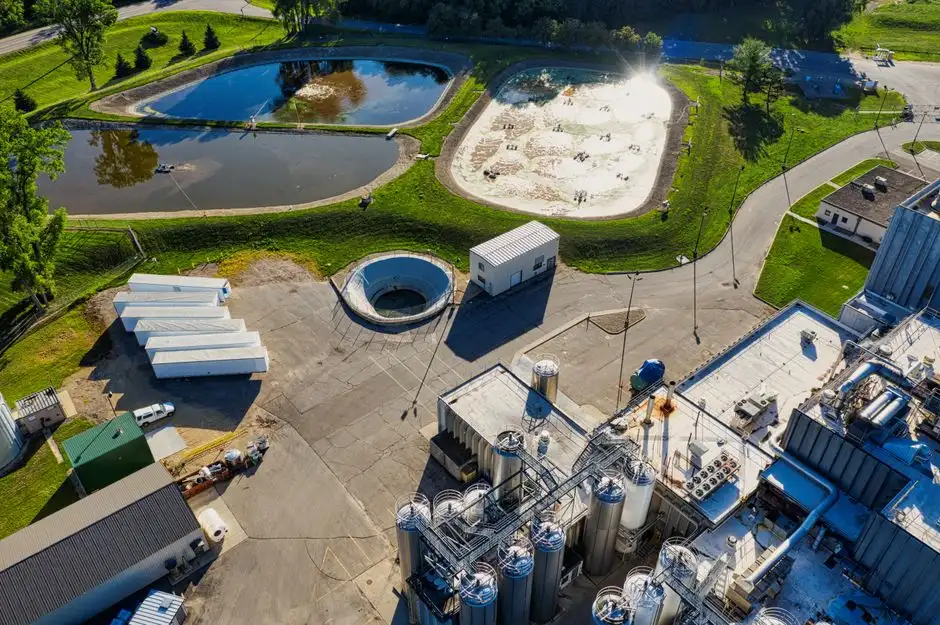
Representative wastewater data determines the treatment train; an application label does not. Collect samples across production, cleaning and washdown cycles, and request pH, oil and grease, suspended solids, COD and BOD results. Add sector-specific parameters, including salt, nutrients, metals, solvents or pharmaceutical residues where relevant.
Use the PROMARINA evidence to define the right analytical questions. That installation specifically addressed wastewater with high salt, oil and grease, so a food-processing project should measure those characteristics rather than rely on the broad description “fish-processing effluent.” The same rule applies elsewhere: high-salt streams and variable chemical wastewater require different pretreatment logic.
| Information to obtain | Why it affects equipment selection | Evidence to request from the supplier |
|---|---|---|
| Flow duration and production schedule | Defines peak hydraulic and contaminant loads. | Design-flow basis, operating mode and turndown strategy. |
| Representative laboratory analysis | Establishes treatment targets and chemical demand. | Process calculations tied to the stated wastewater characteristics. |
| Stream segregation map | Determines whether incompatible wastes can be separated. | Proposed sampling and segregation points. |
| Reject-water and cleaning-chemical data | Identifies shock loads and treatment barriers. | Operating limits, equalization and upset-response provisions. |
| Existing tank and utility capacity | Defines brownfield constraints. | Plot layout, electrical load, chemical storage and utilities list. |
| Receiving or reuse requirement | Sets the required effluent quality. | Guaranteed parameters and acceptance-test method. |
Document each stream’s source and whether it can be segregated. Request flow-duration information, peak-load conditions, reject-water volumes, existing tank volumes, electrical availability and chemical-storage arrangements. These inputs support the sizing of pumps, screens, equalization, dosing and treatment equipment.
The US EPA’s Effluent Guidelines explain that industrial wastewater regulations are developed by industrial category and based on treatment and control performance. They are useful international context, but they do not establish Panama’s legal requirements. The buyer must identify the applicable Panamanian authority, permit and receiving-sewer or surface-water conditions.
Where chemistry is uncertain or the process is novel, require a pilot or supplier-supported performance test. Chemical dosing can then be specified as a PLC-controlled chemical dosing system, with pump capacity and control logic tied to measured pH, flow and treatment results rather than nominal tank volume.
Build the Right ETP Process Train
Screening and primary separation protect downstream pumps, biological systems and membranes. The PROMARINA precedent placed coarse and fine screening before flotation, and its preliminary tank separated oil and grease before coagulation-flocculation and DAF. This sequence reduces the load carried by more sensitive downstream stages.
Use DAF where suspended solids, oil, grease, FOG and colloidal material are principal removal targets. The supplied HydropureWater DAF range covers 4–300 m³/h across 13 standard models. Size it against hourly flow, batch-loading conditions and the required operating redundancy; the published range is not a substitute for process calculations.
Use coagulation-flocculation before flotation or clarification when the wastewater requires chemical conditioning. Acid, coagulant, flocculant and pH-adjusting chemicals should be metered under PLC control. The chemical demand must be established from wastewater testing, including the response to changing oil, solids and pH conditions.
Use an MBR when a compact biological process and fine solids separation are required. The supplied HydropureWater MBR combines activated sludge with submerged PVDF membrane filtration below 1 μm and is offered from 10 to 2,000 m³/day. For industrial applications, compare that compact biological configuration with MBR versus conventional activated sludge using biodegradability, footprint, sludge characteristics and operator requirements.
Use UF as a solids-removal barrier before higher-grade polishing. The supplied UF range uses 0.03 μm PVDF membranes, accepts feed turbidity up to 300 ppm and covers 2,000–40,000 L/h. Those limits define a screening envelope, not a guarantee that every wastewater can be fed to the membrane.
Use RO when the reuse objective requires further dissolved-solids removal. The supplied industrial RO range is stated to operate at recovery rates up to 95%. Feed-water characterization, scaling potential, concentrate disposal and pretreatment remain design conditions. A industrial RO system for high-quality reuse should follow appropriate upstream barriers and a defined water-quality target.
Constructed wetlands can complement polishing, but they are not an automatic replacement for industrial pretreatment. Wageningen University and Research investigated their use for micropollutant removal from wastewater-treatment-plant effluent in a thesis published on 23 September 2022. Any use at an industrial site requires a separate land, hydraulic, seasonal and contaminant-removal assessment.
| Process function | Appropriate use | Key design input or risk |
|---|---|---|
| Screening and primary separation | Remove screenings, free oil, grease and coarse solids. | Stream composition, screen aperture and extracted-material handling. |
| DAF | Separate suspended solids, oil, grease and conditioned colloids. | Floc properties, rise rate, peak flow and recovered-sludge volume. |
| MBR | Provide biological treatment with fine solids separation. | Biodegradability, loading, membrane fouling and sludge handling. |
| UF | Create a solids-removal barrier before polishing. | Feed turbidity, membrane compatibility and cleaning strategy. |
| RO | Remove dissolved contaminants for defined reuse. | Feed chemistry, scaling, recovery and concentrate disposal. |
| Sludge dewatering | Reduce sludge volume before storage, transport or disposal. | Sludge properties, target dryness, operating hours and cake disposal. |
Include sludge concentration, withdrawal, storage and dewatering in the process train. The supplied plate and frame filter-press range provides filtration areas from 1 to 500 m² with manual, hydraulic or automatic PLC-controlled operation. Equipment selection must follow the sludge characteristics and required operating cycle, not filtration area alone.
Match the Treatment Objective to the Effluent Standard
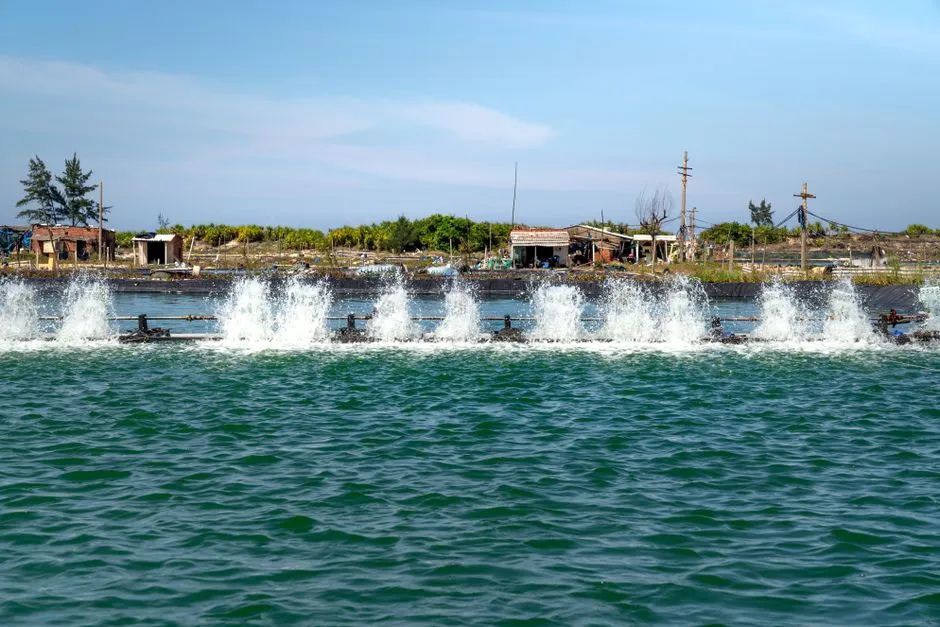
Create three design cases before selecting equipment: compliant discharge, process-water reuse and higher-grade reuse. Each case requires a different quality objective, monitoring plan and verification method. A clear effluent is not, by itself, evidence of chemical safety, microbiological suitability or regulatory acceptance.
For compliant discharge, use the applicable Panamanian environmental authority or sewer authority requirements as the permitting basis. Define monitored parameters from the permit and discharge agreement rather than adopting generic limits. International references such as the US EPA Effluent Guidelines support the principle of category-specific regulation, but they cannot replace Panamanian approval.
For agricultural or potable-related reuse, treat the water as a designed product with a defined specification. University of Twente research investigated nanofiltration as a polishing step for wastewater-treatment-plant effluent and its potential role in producing effluent suitable for agricultural or indirect potable usage. The project-specific route must address the relevant contaminants, treatment barriers, monitoring and health requirements.
For direct potable reuse or specialised industrial reuse, require a project-specific water-quality and public-health review. Membrane permeability or low turbidity does not establish legal approval, chemical safety or fitness for the intended process.
Disinfection equipment may be included where the reuse objective or applicable requirement calls for it. A UV sterilizer for water-treatment applications and an ozone generator for controlled disinfection should be assessed against the required application, chemistry, flow and monitoring method.
Tie every guarantee to a written acceptance test. Specify the flow condition, sample point, laboratory method, parameter, limit, duration and treatment-guarantee period. Define how start-up, off-spec flows, chemical interruptions, temporary bypasses and invalid samples will be handled. This converts “compliant equipment” into a technically enforceable obligation.
Plan the ETP Budget, Procurement and Performance Tests
A defensible quotation separates process equipment, civil works, controls, chemicals, sludge handling, commissioning and operating costs. Request a process guarantee, equipment schedule, electrical load, chemical consumption, plot layout, utilities, controls scope, commissioning plan, spare-parts list and itemised operating-cost estimate.
Ask each supplier to state the design flow, operating mode, hydraulic-loading basis, treated-water target, turndown strategy and wastewater characteristics used in the design. If those inputs are absent, the price is not comparable because the supplier may have assumed a different wastewater or treatment objective.
Make the pre-purchase data package a contractual deliverable where appropriate: wastewater analysis, flow record, receiving requirement, reuse target and pilot evidence. Require the PLC-controlled chemical dosing system scope to identify chemical storage, preparation, metering, controls, interlocks and estimated consumption.
The PROMARINA turnkey scope provides a useful scope-definition reference. SIGMADAF’s case study lists DAF equipment, pumps, piping, valves, sludge pumping, dewatering, chemical preparation and dosing, instrumentation, MCC and PLC control, cabling, transport, spares, supervision, commissioning and training. Use that completeness to identify omissions in quotations.
| Quotation package | Required information | Buyer check |
|---|---|---|
| Process and civil works | Design basis, process calculations, equipment schedule and drawings. | Does the offer explicitly match the characterized wastewater? |
| Controls and instrumentation | I/O list, alarms, interlocks, PLC scope and power requirements. | Are failure modes and bypass controls defined? |
| Sludge handling | Withdrawal, storage, dewatering, cake handling and disposal route. | Is sludge volume based on measured or guaranteed inputs? |
| Commissioning | Factory test, site test, training, spares and handover deliverables. | Who remains responsible until performance acceptance? |
| Operating costs | Power, chemicals, labour, maintenance, membrane replacement and sludge transport. | Are assumptions and price exclusions visible? |
| Commercial terms | Price, schedule, payment milestones, warranty and exclusions. | Are changes to the wastewater basis handled contractually? |
Compare total cost of ownership rather than equipment price alone. Include chemicals, sludge transport or disposal, power, operator time, membrane cleaning and replacement, and disposal of DAF float or filter-press cake. Require factory testing, site acceptance testing and a performance test using representative wastewater.
For sludge dewatering, require the supplier to define the expected feed consistency, target cake condition, cycle and a representative test. If a filter press is proposed, specify plate arrangement, closure method, drainage capacity and cake-discharge method. Final pricing and delivery schedules require project-specific quotations because the supplied research contains a case-study flow and configuration, not a general Panama price list.
Frequently Asked Questions
How do you size an effluent treatment plant in Panama?
Size the plant from hourly flow, peak and batch loads, wastewater analysis, treatment objective and operating hours—not from daily production alone. Provide flow-duration records, minimum and maximum conditions, reject-water volumes, existing tank volumes and representative laboratory results. These inputs determine screening capacity, equalization, DAF loading, biological treatment and membrane pretreatment. The PROMARINA case, with 2,560 m³/day generated in one shift, demonstrates why the shift schedule matters (SIGMADAF case study).
What should a buyer request in the ETP budget?
Request separate prices for civil works, process equipment, electrical and controls, chemical-storage and dosing systems, sludge dewatering and disposal, transport, installation, commissioning, training, spares and annual operating costs. Ask the supplier to state the wastewater characteristics, flow basis, guarantees and exclusions behind each price. No general Panama price can be inferred from the supplied research, so obtain a project-specific quotation with the characterization package attached.
How should a supplier be selected for an industrial wastewater treatment project?
Select against a complete technical and commercial response: comparable wastewater evidence, pilot data where chemistry is uncertain, a defined process guarantee, acceptance criteria, utility requirements, controls scope, commissioning plan and after-sales support. Check that the supplier has included mechanical, electrical, chemical, sludge and documentation deliverables rather than quoting a headline package capacity. The PROMARINA turnkey scope listed by SIGMADAF provides a useful completeness checklist.
Does an effluent treatment plant need biological treatment, UF or RO for reuse?
Not automatically. Basic discharge, process-water reuse and higher-grade reuse require different objectives. UF can provide a solids-removal barrier when the feed is suitable, while RO can address dissolved contaminants after adequate pretreatment and feed characterization. University of Twente research investigated nanofiltration for polishing wastewater-treatment-plant effluent for agricultural or indirect potable applications, but reuse suitability requires project-specific quality and public-health review (University of Twente).
Which Panamanian requirements control ETP compliance?
The project-specific permit and requirements of the receiving authority control. Identify the applicable environmental authority, sewer agreement or receiving-water conditions before defining treatment guarantees. The US EPA Effluent Guidelines are supporting international context because they apply category-specific treatment and control standards; they do not replace Panamanian approval (US EPA Effluent Guidelines). Include every permitted parameter and acceptance method in the supplier scope.
What should be tested before the ETP is accepted?
Define factory testing, site acceptance and performance testing before contract award. The performance test should state the flow condition, representative wastewater, sample point, laboratory method, parameter, acceptance limit, duration and treatment-guarantee period. Also define how off-spec flows, invalid samples, chemical interruptions and temporary bypasses will be handled. The prefabricated wastewater plant specifications and ROI reference can help structure the commercial comparison, but it cannot replace project-specific acceptance criteria.
Related Equipment
- MBR membrane bioreactor for industrial effluent — specifications, capacity range, and technical data
- ultrafiltration system for wastewater polishing — specifications, capacity range, and technical data