What Is a Prefabricated Wastewater Treatment Plant?
A prefabricated wastewater plant manufacturer delivers modular, factory-built treatment systems with capacities from 1.5K to 2M GPD, using technologies like MBR, A/O, or SBR. In 2025, industrial-grade systems cost $180–$320 per GPD capacity, with 3–5 year ROI through reduced civil works and faster commissioning. Unlike traditional cast-in-place concrete facilities that require months of onsite construction, these systems are engineered as skid-mounted or containerized units that arrive pre-piped and pre-wired. These units are factory-tested for hydraulic integrity and electrical functionality before shipping, significantly reducing the risk of onsite failures during startup and ensuring that all internal components meet strict engineering tolerances.
Prefabricated plants are primarily designed for decentralized applications where traditional municipal sewer connections are unavailable or cost-prohibitive. This includes remote industrial sites, mining camps, rural residential developments, and temporary disaster relief centers. The engineering focus is on "plug-and-play" functionality, allowing for deployment in 4–8 weeks compared to the 6–12 month timeline typical of centralized infrastructure. Typical flow ranges vary by configuration; while standard modular units handle 1,500 to 500,000 GPD, advanced concentric circle designs can scale to accommodate up to 2 million gallons per day (GPD). These systems are often constructed from high-grade carbon steel with specialized protective coatings or stainless steel to ensure longevity in corrosive environments.
The core processes within these systems are adapted from large-scale municipal designs but optimized for a smaller footprint. Common biological processes include extended aeration, which utilizes long hydraulic retention times to achieve stable sludge, and Sequencing Batch Reactors (SBR), which consolidate aeration and clarification into a single vessel. For high-purity requirements, Membrane Bioreactors (MBR) integrate biological treatment with ultrafiltration, providing a barrier against pathogens and suspended solids that traditional gravity clarifiers cannot match. This high level of filtration ensures that the treated water is suitable for various non-potable reuse applications, such as irrigation or industrial cooling.
Key Technologies in Modern Prefabricated Systems
Modern prefabricated systems utilize advanced biological and physical-chemical processes to meet increasingly stringent effluent discharge limits, such as the EU Urban Waste Water Directive 91/271/EEC. Selecting the right technology depends on the target effluent quality, available land area, and the technical proficiency of the available maintenance staff. A high-efficiency MBR system with 60% smaller footprint represents the current gold standard for water reuse, employing submerged membranes with pore sizes smaller than 1 μm to eliminate the need for secondary clarifiers and tertiary sand filters. These membranes act as a physical barrier, ensuring that even under fluctuating influent conditions, the effluent remains consistently clean.
For standard residential or rural applications, the A/O (anoxic/aerobic) process remains a highly reliable choice. A fully automated underground package plant for 1–80 m³/h typically utilizes this process to facilitate nitrification and denitrification, effectively removing nitrogen and organic carbon. SBR systems offer an alternative for facilities with fluctuating flow rates, as the batch processing nature allows operators to adjust cycle times to handle peak loads or low-flow periods without compromising effluent quality. According to HydropureWater field data (2025), SBR systems achieve 90–95% BOD/COD removal efficiency even in variable load conditions. For phosphorus removal, integrated chemical dosing skids can be added to the A/O process, utilizing ferric chloride or alum to precipitate phosphates before the final clarification stage.
| Technology | Effluent Quality (BOD/TSS) | Footprint Requirement | Operational Complexity | Best Application |
|---|---|---|---|---|
| MBR (Membrane Bioreactor) | <5 mg/L / <1 mg/L | Very Low | Medium-High | Water reuse, high-strength industrial |
| A/O (Anoxic/Aerobic) | <20 mg/L / <20 mg/L | Medium | Low | Municipal sewage, rural communities |
| SBR (Sequencing Batch Reactor) | <15 mg/L / <15 mg/L | Low-Medium | Medium | Fluctuating flows, food processing |
| Extended Aeration | <30 mg/L / <30 mg/L | High | Very Low | Remote camps, low-maintenance sites |
Capacity, Footprint, and Scalability Compared
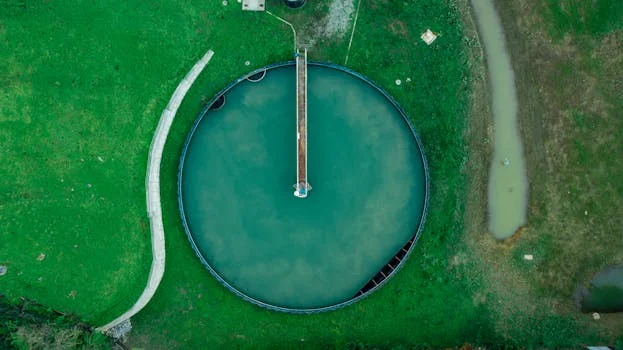
Prefabricated wastewater plants achieve 2–3 times higher volumetric loading rates than conventional activated sludge systems by utilizing high-surface-area media or membrane filtration. The WSZ series, for example, handles flows from 1 to 80 m³/h (approximately 264 to 21,134 GPD) within a footprint that can be entirely buried, preserving surface land for other uses. In industrial contexts requiring fats, oils, and grease (FOG) removal, a dissolved air flotation (DAF) system for industrial pre-treatment can handle up to 300 m³/h, removing over 90% of suspended solids before biological treatment begins. This pre-treatment is essential for protecting downstream biological units from fouling and excessive organic loads.
Scalability is a primary driver for procurement in growing industrial zones. Modular designs allow for "parallel train" expansion, where additional units are plumbed into the existing manifold as flow demand increases. This "start small, scale up" model reduces initial capital expenditure (CAPEX) while ensuring the facility remains compliant as production volumes grow. MBR systems are particularly advantageous here; because they maintain a higher Mixed Liquor Suspended Solids (MLSS) concentration (8,000–12,000 mg/L vs. 2,000–4,000 mg/L in conventional plants), they can process significantly more waste in the same tank volume. This modularity allows project managers to align infrastructure investment with actual occupancy rates in real estate developments, avoiding the costs of operating an oversized, underloaded facility during the initial phases of a project.
| System Type | Flow Range (m³/h) | Standard Footprint (m²) | Installation Type | Scalability Method |
|---|---|---|---|---|
| WSZ Integrated | 1–80 | 12–120 | Buried / Above-ground | Parallel units |
| MBR Skid | 2–200 | 8–80 | Containerized / Skid | Membrane module addition |
| DAF | 4–300 | 15–150 | Above-ground | Modular stacking |
| SBR Package | 5–100 | 25–180 | Above-ground | Tank expansion |
2025 Cost Analysis: What You’ll Pay and Why
In 2025, the 2025 wastewater treatment plant cost breakdown by capacity indicates that industrial-grade prefabricated plants range from $180 to $320 per GPD capacity. This pricing reflects a comprehensive turnkey package including internal piping, aeration blowers, sludge pumps, and PLC-based control systems. While the initial equipment cost may be higher than raw components, the reduction in civil engineering and onsite labor typically results in a 40% total project saving compared to traditional construction. The standardized manufacturing process minimizes unforeseen costs that often plague custom-built concrete facilities.
Operational expenditure (OPEX) is heavily influenced by the level of automation. Fully automated systems reduce the need for constant onsite supervision, cutting labor costs by 30–50%. However, technology choice impacts long-term maintenance budgets; MBR systems typically carry a 25–40% CAPEX premium and require membrane replacement every 5–8 years, whereas A/O systems have lower equipment costs but produce more sludge, increasing disposal fees. Energy consumption is another critical factor; high-efficiency blowers equipped with variable frequency drives (VFDs) can lower electricity costs by 20% by matching aeration intensity to real-time dissolved oxygen levels. The ROI is usually realized within 3 to 5 years through avoided municipal surcharges and the potential for onsite water reuse.
| Cost Component | A/O System (Estimated) | MBR System (Estimated) | DAF Pre-treatment (Estimated) |
|---|---|---|---|
| CAPEX ($/GPD) | $180 – $240 | $260 – $320 | $120 – $180 |
| Civil Works Savings | 35% | 50% | 30% |
| Annual Maintenance | 2–3% of CAPEX | 4–6% of CAPEX | 3–5% of CAPEX |
| Automation ROI | 4 years | 3 years | 5 years |
How to Choose the Right Manufacturer
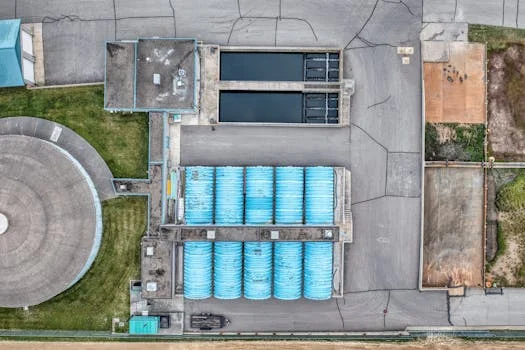
Selecting a prefabricated wastewater plant manufacturer requires a rigorous evaluation of engineering standards and long-term durability. Industrial and municipal buyers should prioritize vendors who provide hot-dip galvanization and high-build epoxy coating systems, which provide 12 to 15 years of corrosion protection in harsh environments (per AUC benchmarks). Compliance certification is non-negotiable; manufacturers must demonstrate that their systems meet local EPA standards or international benchmarks like the WHO standards for effluent reuse. Engineers should also verify the manufacturer's ability to design for specific environmental conditions, such as high-altitude oxygen transfer adjustments or reinforced structural supports for seismic-prone regions.
Automation and remote monitoring capabilities are critical for decentralized sites. A high-quality manufacturer will integrate PLC (Programmable Logic Controller) systems that allow for remote diagnostics, alarm notifications, and automated chemical dosing. Buyers should request a detailed maintenance protocol to ensure that the 20-plus year design life of the system can be met through routine preventive care. After-sales support, including the availability of replacement parts and operator training programs, is the final metric for selection. Manufacturers that offer comprehensive training ensure that local operators can manage the system effectively, minimizing downtime and ensuring consistent effluent quality over the plant's entire lifecycle.
| Evaluation Metric | Standard Tier | Industrial/Municipal Tier |
|---|---|---|
| Corrosion Protection | Single-coat epoxy | Hot-dip galvanized + High-build epoxy |
| Control System | Manual / Basic Timer | PLC with HMI & Remote Monitoring |
| Standard Compliance | Secondary discharge | Tertiary / Reuse / EU 91/271/EEC |
| Lifespan Expectancy | 10–15 years | 20
Get a Free Quote — Tell Us About Your Project
Contact Us
|