What Vienna manufacturers must establish before selecting equipment
A Vienna manufacturer should characterize the waste before selecting treatment equipment because the appropriate train depends on COD, flow variability, pH, oils, suspended solids, nutrients, temperature and toxicity. Trade waste must be distinguished from municipal sewage, and the receiving sewer or wastewater authority must be identified before a process is promised. Screening, equalization, dissolved air flotation, chemical dosing and biological or membrane treatment may be combined. Vienna’s main municipal plant was expanded to 680,000 m³/d and 4 million PE, but the factory remains responsible for reducing its own pollutant loads and obtaining project-specific sewer acceptance.
Start with a representative sampling plan covering normal production, cleaning, concentrated batch discharges and shutdown conditions. The brief should include COD, biochemical oxygen demand, suspended solids, pH, oils and grease, nitrogen and phosphorus, temperature, toxicity indicators, flow and discharge duration. A short laboratory campaign is not a substitute for characterizing recurring production loads.
Obtain written acceptance conditions from the relevant authority or sewer operator, including permitted discharge points, timing, monitoring, sampling, prohibited dilute discharges and any limits on industrial constituents. Do not infer an individual generator’s limit from municipal purification performance. The approximately 96% average purification reported by WTE for Vienna’s main plant describes a municipal system, not a factory discharge guarantee.
The Austrian wastewater-system research also frames the decision beyond outlet COD: phosphorus governance, greenhouse-gas mitigation, micropollutant removal, resource recovery and lifecycle cost belong in the assessment. This is particularly relevant where sludge, chemicals or concentrates create a secondary waste obligation.
| Required input | Why it changes the decision | Evidence to request before procurement |
|---|---|---|
| COD, BOD and flow profile | Defines organic loading and peak-versus-average demand. | Representative laboratory results and time-based discharge records. |
| Suspended solids, oils and colloidal material | Determines whether screening and DAF are needed before biological treatment. | Solids and oil-and-grease analyses, including batch-stream samples. |
| pH, nutrients, temperature and toxicity | Influences chemical control, biological performance and biological inhibition risk. | Site-specific analyses and a toxicity assessment. |
| Receiving-system conditions | Establishes the actual discharge obligation. | Written sewer acceptance conditions, monitoring rules and discharge restrictions. |
A comparison of manufacturer high-COD treatment strategies can support the process-selection step, but Vienna’s written acceptance conditions remain controlling.
How Vienna's receiving wastewater system shapes factory treatment
Vienna’s main wastewater treatment plant was expanded to 680,000 m³/d and 4 million PE, with an average degree of purification of approximately 96%, according to WTE. The expansion modified the biological stage, which WTE reports now comprises 15 aeration tanks and 15 secondary clarifiers. These figures describe municipal system capacity and performance; they do not authorize a manufacturer to discharge untreated or shock-loading industrial waste.
Factory pretreatment protects the receiving biological process from excessive COD, hydraulic peaks, oils, solids, pH excursions, toxic substances and incompatible contaminants. Equalization limits short-term load peaks, while source control prevents cleaning chemicals or concentrated production batches from entering the common stream. Where required, DAF removes suspended and floatable material before it reaches downstream biological equipment.
The municipal context also illustrates the importance of handling residuals rather than focusing only on treated liquid. WTE reports that expansion of the on-site sludge treatment reduced sludge volume by around 90%. Its four fluidised-bed incinerators generate energy on site from the treated sludge stream. That is evidence for resource recovery within the municipal installation, not a template that determines the factory’s selected equipment.
For a Vienna manufacturer, the correct interpretation is narrower: the receiving system has substantial treatment capacity, but each generator still needs a defensible pretreatment train and written acceptance. A factory treatment plan should reduce load before the sewer connection and preserve the municipal plant’s treatment and resource-recovery performance. Further context on industrial water reuse drivers should be applied only after the discharge objective has been defined.
Build a high-COD treatment train from source to final effluent
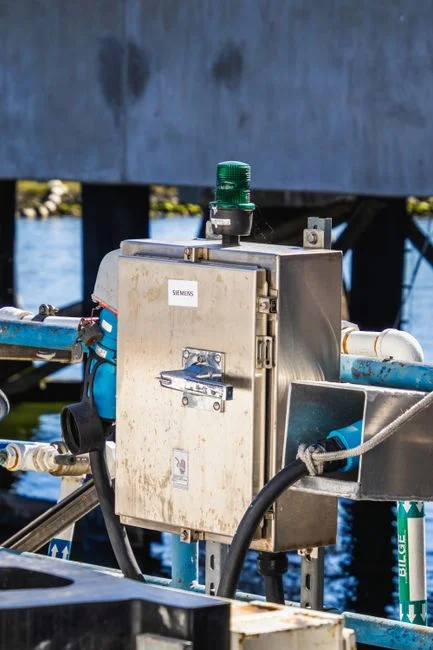
A high-COD treatment train should remove source risks first, stabilize the flow, separate material that can inhibit biology, and then treat biodegradable dissolved organics before final polishing. The sequence should follow the waste rather than a predetermined list of products.
- Segregate and control at source. Keep cleaning chemicals, concentrated production batches and incompatible streams separate until their treatment requirements are known. Correct leaks and uncontrolled discharges before adding tank capacity.
- Screen the flow. Continuous-duty mechanical screening removes rags, plastics and fibrous debris before pumps and biological equipment. The appropriate screen must match the expected solids and maintenance regime rather than headline capacity alone.
- Equalize flow and load. An industrial mechanical bar screen can protect downstream equipment, but the equalization tank is the main buffer against a high-COD slug. Controlled release matters as much as the tank’s nominal volume.
- Remove oils, floatables and selected solids. A DAF system for industrial wastewater pretreatment can separate suspended solids, FOG, oil, grease and colloidal matter before biological processing. Automatic skimming handles floatables; it does not remove all dissolved COD.
- Control chemistry from test data. Use a PLC-controlled automatic chemical dosing system for pH adjustment, coagulation, flocculation or nutrient control only after jar testing establishes the required dose and operating range.
- Remove biodegradable dissolved organics. Anaerobic, aerobic, MBR or another biological stage may be appropriate, depending on biodegradability, loading, temperature and the required effluent quality. An MBR membrane bioreactor for high-COD wastewater combines biological treatment with solids-retaining membrane separation, which can suit compact footprints or demanding reuse objectives but adds membrane and operational-control requirements.
- Manage separated solids. Route sludge, scum and chemical precipitates to thickening or dewatering and establish the final destination. WTE’s four thickeners and 22 centrifuges are municipal context, not evidence that one configuration fits the factory.
- Add polishing only for a defined need. Tertiary filtration, disinfection or advanced oxidation should follow from the reuse specification, residual contaminant risk or written acceptance conditions—not from an assumption that every high-COD stream requires it.
| Process stage | Primary function | Decision condition | Main risk if misapplied |
|---|---|---|---|
| Source control | Prevents incompatible or concentrated streams entering the train. | Known batch and cleaning discharges. | Downstream shock load and uncontrolled chemical exposure. |
| Screening | Removes rags, plastics and fibrous debris. | Solids can enter pumps or biological equipment. | Blockage, abrasion and pump damage. |
| Equalization | Blends flow and load variation. | Measured peak and batch-discharge profiles. | A slug leaves the tank faster than downstream biology can accept. |
| DAF | Separates suspended, colloidal and floatable material. | Solids, oil, grease or FOG require removal. | Treating dissolved COD as if it would be floated. |
| Chemical dosing | Controls pH, coagulation, flocculation or nutrients. | Jar-test evidence identifies the operating window. | Uncontrolled chemical cost, residual carryover or poor solids separation. |
| Biological treatment | Reduces biodegradable dissolved organics. | Biodegradability and inhibition have been assessed. | Biomass upset or incomplete organic removal. |
| MBR | Combines biological treatment with membrane solids separation. | Compactness or required solids separation justifies added complexity. | Membrane fouling, cleaning demand and higher operational burden. |
| Sludge treatment | Separates and prepares residuals for management. | Sludge solids, contaminants and destination are known. | Pollution is transferred from liquid effluent to sludge or cake. |
Compare the main treatment options for high-COD trade waste
DAF, biological treatment, MBR, electrocoagulation and advanced oxidation solve different problems and should not be treated as interchangeable. DAF is a physical separation step for suspended, colloidal and floatable material; biological treatment addresses biodegradable dissolved organics; MBR adds membrane solids separation; electrocoagulation uses electrically generated coagulant; advanced oxidation addresses specific residual chemical contaminants.
For a manufacturer with oils, FOG or appreciable suspended solids, the DAF system for industrial wastewater pretreatment is the more relevant starting point. HydropureWater specifies a range of 4–300 m³/h across 13 standard models, but the selected capacity must be checked against measured flow, batch discharge behavior, solids loading and the required clarification performance.
For biological solids separation and a compact treatment footprint, the MBR membrane bioreactor for high-COD wastewater is relevant. HydropureWater specifies capacities from 10 to 2,000 m³/day and filtration below 1 μm. Those specifications do not by themselves establish COD removal: biological loading, membrane flux, temperature, sludge characteristics and fouling control remain site-specific design issues.
Electrocoagulation requires stream-specific evidence. An MDPI study treated mineral-processing wastewater with an initial COD of 424.29 mg/L. That figure belongs to a Pb/Zn sulfide mineral flotation case, not to every Vienna trade stream. The MBR versus conventional activated-sludge comparison can clarify the biological choice, but it should not replace project testing.
Sludge equipment must match the residue, not the inlet COD. The plate and frame filter press for sludge dewatering offers a filtration-area range of 1–500 m². Selection still requires actual sludge solids, feed rate, operating pressure, cycle time and target cake consistency.
| Option | Problem addressed | Supported specification or evidence | Selection caution |
|---|---|---|---|
| DAF | Suspended solids, FOG, oil, grease and colloidal matter. | 4–300 m³/h across 13 standard models, according to HydropureWater. | Does not constitute complete dissolved-COD removal. |
| MBR | Biodegradable dissolved organics plus membrane solids separation. | 10–2,000 m³/day and filtration below 1 μm, according to HydropureWater. | Requires biological and membrane fouling data. |
| Electrocoagulation | Stream-specific COD reduction and contaminant separation. | Initial COD of 424.29 mg/L in mineral-processing wastewater, MDPI. | Not a universal Vienna trade-waste design value. |
| Plate and frame filter press | Batch solids recovery from sludge. | 1–500 m² filtration-area range, according to HydropureWater. | Area must follow sludge characteristics and cake target. |
| Advanced oxidation | Specific residual chemical or reuse-related contaminants. | No universal Vienna performance or limit is established by the supplied research. | Define contaminants, by-products and concentrate handling first. |
The supplied sources do not establish acquisition cost, payback or Vienna sewer limits. Those require a supplier quotation, site-specific design and written permit conditions.
Size and qualify the system using site-specific inputs
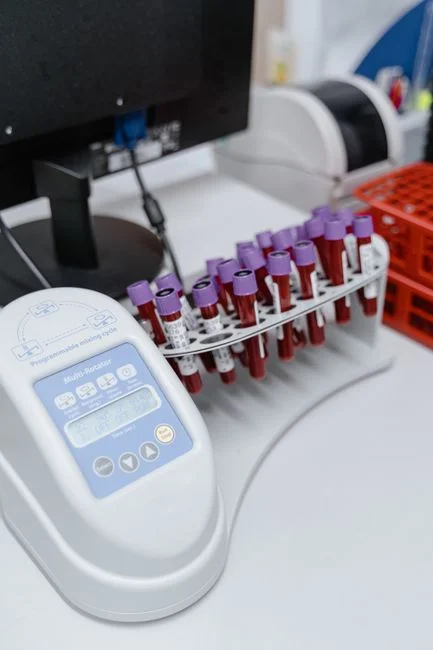
Equipment sizing must start from measured flow and load, not headline COD. The equalization and biological stages should be evaluated using average flow, peak flow, batch-discharge profile, operating duration, temperature, biodegradability and the required treatment objective. The supplied research provides no universal design ratio, so an assumed hydraulic multiplier would not be a defensible basis for procurement.
Model the operating envelope. A peak daily average can conceal a short, concentrated slug that overwhelms biological treatment or drives DAF solids carryover. Obtain production schedules, tank-level records, discharge logs and sampling data across representative operating conditions. Where variability remains uncertain, specify how the system responds: flow diversion, controlled equalization release, chemical-dose limits or automatic shutdown.
Request pilot, bench or jar-test evidence before fixing performance guarantees. This is particularly important for DAF, coagulation, flocculation, electrocoagulation and biological processes. The buyer should ask for raw data and operating conditions, including influent COD and solids, chemical consumption, hydraulic loading, temperature, removal performance and the method used to calculate removal.
| Qualification step | Evidence to request | Pass condition |
|---|---|---|
| Process feasibility | Representative sample analysis, jar tests or pilot results. | Proposed process meets the written effluent objective under defined influent conditions. |
| Hydraulic sizing | Average, peak and batch-discharge profiles. | Equalization and downstream stages contain the documented operating envelope. |
| Mechanical review | Footprint, utilities, access, controls and maintainability information. | Installation and operator requirements are compatible with the Vienna site. |
| Performance guarantee | Test protocol, sampling method, operating envelope and acceptance criteria. | Product performance and site-wide performance are clearly separated and measurable. |
| Residual management | Sludge, float, chemical precipitate and concentrate routes. | Each stream has a documented destination and acceptance basis. |
| Commercial review | Supplier quotation, exclusions, utilities, consumables and maintenance terms. | Lifecycle scope and site-specific cost are visible before award. |
Evaluate candidates for redundancy, maintenance access, replacement availability and compatibility with resource-recovery objectives. Clarify whether a guarantee applies to the packaged unit or the complete site treatment train. An industrial effluent treatment plant buyer’s guide provides a wider procurement framework, but Vienna acceptance conditions must govern the final specification.
Plan sludge handling and reuse without shifting the pollution
A treatment train must account for every residue it creates. Track sludge, separated oil, DAF float, chemical precipitates, membrane cleaning waste and advanced-treatment concentrate from the point of generation. Each stream needs a defined handling route; otherwise improved liquid effluent may simply move the pollutant load to a tank, cake or tanker.
Where batch operation and high solids recovery justify a filter-press arrangement, the plate and frame filter press for sludge dewatering should be selected against actual sludge solids, feed rate, pressure, cycle time and target cake consistency. The high-efficiency sedimentation tank may support solids separation or equalization, but its role must be defined by the overall mass balance rather than by product placement.
Sludge stabilization or permitted utilization should follow contaminant identification and written acceptance. Do not assume that COD removal makes the residual reusable. Reverse-osmosis concentrate, advanced-oxidation by-products, laboratory waste and incompatible chemical waste require separate management decisions.
The Austrian system-level research supports considering costs, resource recovery and environmental consequences together. The same principle applies at factory scale: the final comparison should include liquid effluent, residual volume, chemical consumption, sludge destination, energy demand and compliance risk.
Frequently Asked Questions
How much does a high-COD wastewater treatment system cost in Vienna?
The supplied research does not provide an acquisition price or project quotation for Vienna. Request a supplier quotation based on measured flow, COD and solids profiles, treatment objective, footprint, utilities, sludge route, controls and installation scope. Ask separately for equipment, civil works, chemical dosing, membranes or press media, commissioning, operator training, maintenance and consumables. An industrial effluent treatment plant buyer’s guide can help structure that request, but no generic budget should be assumed.
Should a Vienna manufacturer choose DAF, MBR or electrocoagulation for high-COD effluent?
Choose DAF when the priority is removing suspended solids, oil, grease, FOG or colloidal material before biology. Consider biological treatment or an MBR membrane bioreactor for high-COD wastewater when biodegradable dissolved organics and solids separation drive the design. Treat electrocoagulation as a stream-specific option requiring test evidence, not a default high-COD solution.
What wastewater tests are needed before asking a supplier for equipment sizing?
Request COD, BOD, suspended solids, pH, oils and grease, nitrogen, phosphorus, temperature and toxicity data, together with average, peak and batch-discharge flow records. Include screening and solubles tests where blockage, DAF performance or biological inhibition may be affected. Sampling must represent normal production as well as concentrated and cleaning events.
How can a buyer compare supplier performance guarantees and compliance risk?
Require the same test basis from every supplier: defined influent conditions, hydraulic and organic loading, sampling method, temperature, operating envelope, removal calculation and acceptance criteria. Check whether the guarantee covers the equipment alone or site-wide performance. Obtain the industrial sludge-dewatering process flow reference to identify which residual-handling obligations must also be included. The final guarantee must remain subordinate to written Vienna discharge or reuse conditions.
When does industrial wastewater treatment require advanced oxidation or membrane polishing?
Advanced oxidation is justified when a defined residual contaminant or reuse requirement cannot be met by the selected biological and physical processes. Membrane polishing is justified by the required solids separation, reuse specification or acceptance conditions. Ask for contaminant-specific test data, by-product characterization and concentrate handling; neither option should be added solely because the influent COD is high.
Related Equipment
- MBR membrane bioreactor for high-COD wastewater — specifications, capacity range, and technical data