What an Effluent Treatment Plant in Melaka Must Achieve
An industrial effluent treatment plant in Melaka must be selected against the factory’s wastewater flow, contaminant profile, discharge route and operating requirements, not a generic equipment catalogue. A 2022 Water Science & Technology study assessed 15 sewage treatment plants across SBR, EAAS, CAS, aerated lagoon and oxidation pond technologies. This supports local evaluation of biological reliability, but it does not establish universal industrial effluent limits for Melaka.
Begin by defining the wastewater source, production hours, average and peak flow, and whether discharges occur continuously, by batch or during cleaning. The receiving route then sets the treatment objective: direct discharge, sewer discharge, transfer to another treatment facility, or reuse within the factory or under a permitted reuse application.
An industrial ETP treats process wastewater before controlled disposal. A sewage treatment plant generally addresses domestic sewage. If industrial and domestic flows are combined, the hydraulic and contaminant design basis must identify each stream rather than rely on a generic “sewage” capacity.
Use the applicable Malaysian requirements and the site’s consent conditions. The supplied research does not establish a universal Melaka discharge limit, so the applicable receiving authority must confirm the required route and conditions before equipment selection. As an international reference only, the US EPA describes effluent guidelines as national regulatory standards for wastewater discharged to surface waters and municipal sewage treatment plants, issued by industrial category according to treatment and control technologies (US EPA, “Effluent Guidelines”).
Start with a Site-Specific Wastewater Profile
Equipment selection becomes defensible only after the buyer separates hydraulic variability from contaminant loading. A nominal production rate is not a wastewater design flow, and a single laboratory sample may conceal batch, shift or cleaning-cycle conditions that materially change treatment demand.
- Request average, peak and minimum flow in m³/h or m³/day, together with production hours and the timing of every discharge.
- Characterise pH, temperature, turbidity, suspended solids, oil and grease, COD, BOD and sector-specific contaminants.
- Identify whether quality varies by production batch, shift, cleaning cycle or rainfall-driven dilution.
- Map available footprint, power, drainage levels, noise limits, odour sensitivity and access for sludge removal.
The 2021 Acta Polytechnica Hungarica monitoring study supports pH, temperature and turbidity as practical operating indicators: sensors fed readings to an Arduino Uno R3, which transmitted data through GSM to an IoT cloud server. The study also used SMS alerts for emergency conditions (Acta Polytechnica Hungarica, November 2021). Require each bidder to distinguish continuously measured parameters from periodic laboratory tests and to define the operator action triggered by each abnormal reading.
For coarse solids protection, compare the rotary mechanical bar screen as a headworks option. Its suitability still depends on the debris type, flow regime and required solids removal.
| Procurement input | Evidence required | Decision affected |
|---|---|---|
| Hydraulic profile | Average, peak and minimum flow in m³/h or m³/day; discharge timing | Equalisation, screening, pumps and treatment capacity |
| Wastewater analysis | pH, temperature, turbidity, suspended solids, oil and grease, COD and BOD | DAF, biological treatment, MBR or polishing selection |
| Contaminant variability | Samples across batches, shifts, cleaning cycles and rainfall conditions | Equalisation, controls and treatment reserve |
| Site constraints | Footprint, power, drainage, noise, odour and sludge-removal access | Configuration, civil scope and installation method |
Match the Treatment Train to the Contaminants
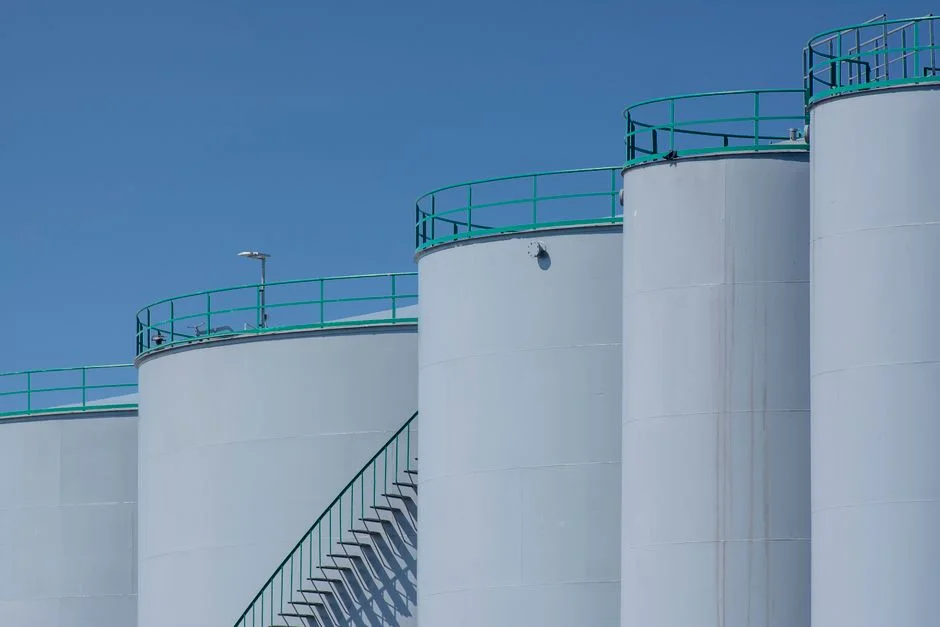
The correct treatment train follows the contaminant-to-equipment decision sequence: protect the plant, remove contaminants that interfere with the main process, reduce the organic load, separate solids and apply polishing or disinfection only where required.
- Protect downstream equipment: use screening where suspended solids, rags, plastics or fibrous debris could damage pumps, valves or biological systems.
- Remove floatable material: use DAF pretreatment where oil and grease, FOG or buoyant colloidal solids are present.
- Reduce organic load: compare SBR, EAAS, CAS, aerated lagoon and oxidation pond families against the actual wastewater and operating constraints. The Melaka study assessed all five technologies at 15 plants using reliability and Six Sigma process-capability methods (Water Science & Technology, 2022).
- Separate solids: consider an integrated MBR wastewater treatment system where biological treatment and high-quality membrane solids separation are required.
- Polish the effluent: use UF where colloids, bacteria or suspended solids require further control.
- Disinfect or add advanced polishing: apply only where the risk assessment, receiving route or reuse specification calls for it.
Published specifications provide comparison points, not a finished design. HydropureWater’s DAF range covers 4–300 m³/h across 13 models and uses micro-bubble technology with automatic skimming. Its MBR range covers 10–2,000 m³/day and combines activated sludge treatment with submerged PVDF membrane filtration. The listed UF system uses 0.03-micron PVDF membranes, handles 2,000–40,000 L/h and includes automatic backwash and air scour.
Nanofiltration and constructed wetlands should not become automatic first-stage choices. University of Twente investigated direct nanofiltration for polishing wastewater treatment plant effluent and effluent reclamation (University of Twente, PhD thesis). Wageningen University and Research studied constructed wetlands for micropollutant removal from treatment-plant effluent (Wageningen University and Research, September 2022). Both support project-specific evaluation, not guaranteed performance.
| Site condition | Process response | Key question for the supplier |
|---|---|---|
| Rags, plastics and fibrous debris | Screening and solids handling | What removal duty and downstream protection are covered? |
| Oil, grease, FOG or buoyant solids | DAF pretreatment | How is skimming, recovered sludge and washdown handled? |
| Organic load requiring biological treatment | Selected suspended-growth process | How is the selected process matched to flow and contaminant loading? |
| High-quality solids separation or reuse orientation | MBR | What membrane cleaning, recovery and replacement provisions are included? |
| Colloids, bacteria or suspended-solids control | UF polishing | What feed-water assumptions, backwash and air-scour requirements apply? |
| Advanced reuse or micropollutant objective | Nanofiltration or constructed wetlands | What performance evidence and site-specific pilot basis are offered? |
Turn the Wastewater Profile into an Equipment Sizing Brief
A comparable quotation must state both the selected duty flow and the contaminant basis used to size it. Hydraulic capacity alone does not demonstrate that a treatment train can handle the organic, solids or fouling load.
Issue the same sizing brief to each bidder. It should state the receiving route, production and discharge pattern, wastewater analyses, operating mode, footprint, utilities, civil interfaces, automation requirements, sludge handling and performance test points. Each response should include the process flow diagram, equipment list, treatment capacity, materials of construction, operating mode, automation level and included ancillaries.
Compare products only in their stated units and intended applications. The listed UF system is rated at 2,000–40,000 L/h, while the listed MBR system covers 10–2,000 m³/day. A nominal catalogue range is not a completed design: the final duty must be reconciled with site flow, contaminant loading and project requirements.
Ask bidders to explain peak-flow handling, equalisation, bypass provisions, standby power, sludge removal and maintenance access. A price should also identify pretreatment assumptions that could change the quoted footprint or price, such as grit removal, flow equalisation, chemical systems or additional polishing.
| Sizing question | Required bidder response | Buyer check |
|---|---|---|
| What is the selected duty flow? | Average and peak basis, operating mode and unit capacities | Does it represent the complete wastewater stream? |
| What contaminant load is being designed for? | Design values and the analysis used | Are batch peaks and fouling risks covered? |
| Which units and ancillaries are included? | Process flow diagram, equipment list and scope boundary | Are pumps, tanks, controls, sludge handling and chemicals included? |
| How are peaks and outages handled? | Equalisation, bypass, standby-power and maintenance arrangements | Do these provisions protect the treatment guarantee? |
| Are catalogue capacities design capacities? | Confirmed duty and application-specific suitability | Has the bidder reconciled the product range with the wastewater profile? |
Compare Treatment Performance Using Measurable Evidence
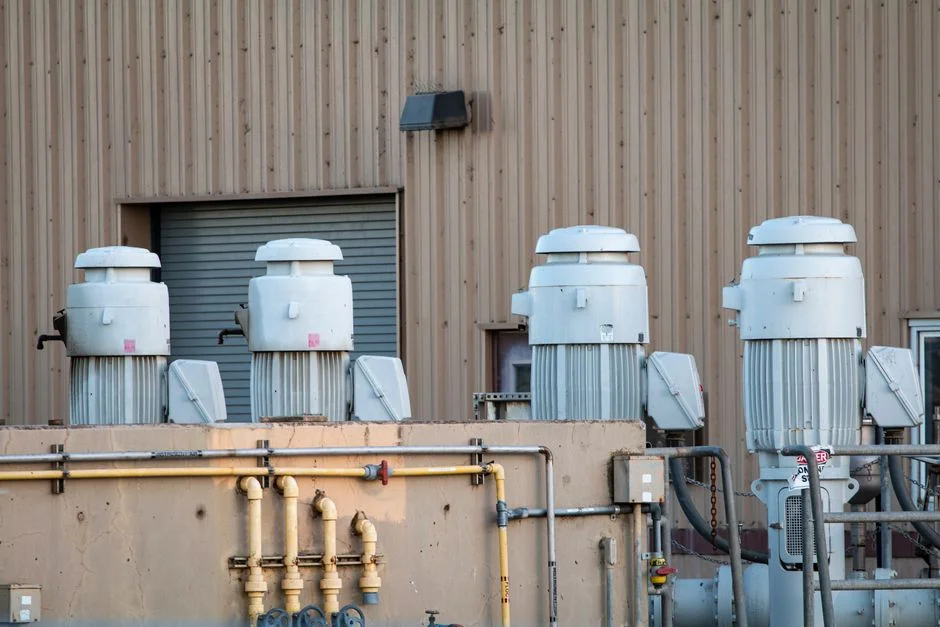
Performance should be measured at agreed test points against the actual wastewater profile, not judged by generic removal percentages. Define the parameters, test frequency, laboratory methods, acceptance period and consequence of non-conformity before accepting the quotation.
The Melaka study provides a benchmarking precedent: it combined reliability analysis and Six Sigma process-capability assessment for BOD5 and chemical oxygen demand across 15 sewage treatment plants and five suspended-growth technologies (Water Science & Technology, 2022). While its sewage scope differs from industrial wastewater, the method is relevant: reliability and process capability should be evaluated together, not reduced to an average result.
For controls, require real-time visibility, historical records and defined alarm responses for pH, temperature and turbidity where those parameters are monitored. The 2021 Acta Polytechnica Hungarica study demonstrated pH, temperature and turbidity sensing linked to a cloud server and SMS emergency alerts. Ask how overload, abnormal pH and excessive turbidity are prevented or flagged before they affect downstream treatment or discharge.
Also examine the handover evidence: commissioning records, operator training, maintenance intervals, spare-part availability and local technical support. The proposed PLC-controlled chemical dosing system should be evaluated within the complete control scope, including tank capacity, duty/standby arrangement, calibration and alarm response.
Advanced-treatment claims require separate scrutiny. University of Twente supports evaluating nanofiltration for effluent polishing, while Wageningen University and Research supports evaluating constructed wetlands for micropollutant removal. Neither source establishes performance for a specific Melaka industrial site, so require application-specific evidence or a defined verification test.
Plan Commissioning, Monitoring and Compliance Verification
Commissioning should prove that the installed train handles representative industrial wastewater and that the operating team can detect deviations before they become non-conformities. Include site acceptance testing, trial operation, operator training, calibration records and a spare-parts handover in the contract.
Agree how inlet and final-effluent samples will be taken, who will collect them, which laboratory methods will apply, how frequently testing will occur and how failures will be handled. Keep operating records that allow actual performance to be compared with the agreed treatment basis.
The monitoring architecture can draw on the 2021 Acta Polytechnica Hungarica study, which used pH, temperature and turbidity sensors, transmitted readings to a cloud server and sent SMS alerts in emergency conditions. The equipment and communication platform need not match, but the operating logic should identify the measured variable, trigger threshold, notification route and required response.
Document sludge generation, dewatering, storage and disposal as part of the operating plan. A plate-and-frame filter press may form part of that route, but the buyer must confirm feed characteristics, cake handling, cleaning requirements and available labour before selecting it.
Before commissioning, confirm all permits, consent conditions and receiving-authority requirements for the specific Melaka site. The supplied research does not provide universal local discharge limits, so compliance must be demonstrated against the applicable project conditions rather than an assumed general standard.
Questions to Ask Before Selecting a Supplier
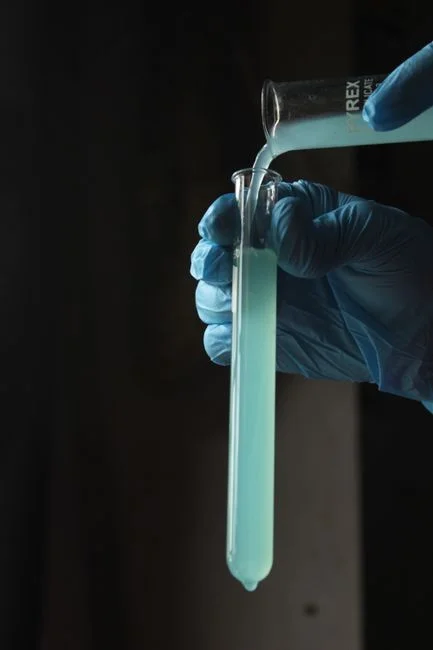
A credible supplier comparison starts with the same technical documents and a clearly defined scope boundary. Published specifications are useful comparison inputs, but they do not establish suitability until checked against the site wastewater profile, receiving route and project schedule.
- Request a process flow diagram, equipment list, duty basis, utilities consumption, footprint and complete scope boundary.
- Request the control philosophy, sensor list, alarm logic, remote-access arrangement and manual operating provisions.
- Identify excluded civil works, chemical supply, sludge disposal, laboratory testing, permits and commissioning support.
- Require measurable treatment guarantees linked to the actual wastewater profile and agreed test points.
- Confirm local installation capability, service response, operator training and spare-parts availability.
Evaluate a proposed PLC-controlled chemical dosing system as part of the plant rather than as an isolated product. HydropureWater states that its chemical dosing systems are skid-mounted, pre-wired and factory-tested, but the buyer should still verify the chemical inventory, pump duty, control interlocks, containment and operating sequence against site requirements.
| Supplier check | Evidence to request | Risk if omitted |
|---|---|---|
| Application-specific design | Process flow diagram and duty basis | Equipment may not match the wastewater stream |
| Performance basis | Guarantees, test points and acceptance methods | Claims cannot be verified objectively |
| Controls and monitoring | Sensor list, alarm logic, records and manual arrangements | Failures may go undetected |
| Scope boundary | Included and excluded civil, chemical, sludge, testing and permit items | Price gaps emerge after award |
| Handover and support | Training, commissioning records, spares and local service plan | Plant ownership risk transfers to the factory |
Frequently Asked Questions
How much does an effluent treatment plant in Melaka cost?
A defensible quotation requires wastewater flow, contaminant loading, treatment objectives, receiving route, footprint, utilities, civil works and automation. The supplied research contains no defensible local price range, so request itemised pricing for equipment, tanks, pumps, controls, membranes, chemical systems, civil works, installation, commissioning and sludge handling rather than compare headline prices.
Should an industrial facility choose MBR, DAF or UF for wastewater in Melaka?
DAF is suited to floatable contaminants such as oil, grease and FOG. MBR combines biological treatment with membrane solids separation, while UF generally controls solids and colloids or provides polishing. The correct choice depends on the wastewater profile and receiving route; these technologies can also serve different stages of one treatment train.
How do I select an ETP supplier in Melaka?
Require a site-specific process proposal, measurable treatment basis, commissioning plan, controls scope, maintenance support and a documented list of exclusions. Check local installation and service capability separately from equipment specifications, and require the supplier to confirm suitability against the actual wastewater rather than relying only on published capacities.
What size ETP does a factory in Melaka need?
Capacity cannot be selected until the buyer provides average and peak flow, production and discharge patterns, wastewater analysis, available footprint and receiving requirements. The supplier must then show how the selected duty relates to both hydraulic flow and contaminant loading.
How can the plant demonstrate compliance?
Agree the sampling plan, test methods, monitoring points, calibration requirements and non-conformity process before commissioning. Retain operating records, provide operator training, verify the final treatment performance with representative wastewater and confirm compliance against the project-specific consent and receiving-authority conditions.
Related Equipment
- DAF pretreatment system — specifications, capacity range, and technical data
- UF polishing system — specifications, capacity range, and technical data