What Payette-area plants must control before discharge
Food and beverage plants near Payette meet pretreatment obligations by assigning each regulated parameter to a specific control: screening and equalization stabilize the discharge; dissolved air flotation removes suspended solids and FOG; pH adjustment controls acidity or alkalinity; and biological treatment reduces dissolved BOD. Under EPA’s National Pretreatment Program, 40 CFR Part 403, Significant Industrial Users must follow limits established by the local control authority, self-monitor, sample, and document corrective actions. Payette limits must come from the plant’s controlling permit and local guidance—not from national thresholds or published study results.
A plant discharging to a POTW is an indirect discharger. Its pretreatment permit, not the utility’s NPDES permit, establishes enforceable obligations at the industrial plant. Oxmaint identifies BOD, TSS, FOG, and pH as the core food-plant parameters, with temperature and nutrients also potentially addressed by the permit. The local permit and any applicable sector guidance should define limits, monitoring methods, reporting deadlines, and prohibited discharges.
The distinction matters because the City of Payette WWTP’s NPDES permit governs the utility’s final discharge. IDEQ’s fact sheet for draft NPDES Permit ID0020672 places that discharge in the Payette River at 44°4’51.1” N, 116°56’57.2” W. The receiving water has designated uses including cold-water aquatic life habitat, salmonid spawning, primary-contact recreation, and domestic water supply.
Hixson describes 250 mg/L BOD and TSS as commonly referenced national pretreatment thresholds, not universal Payette limits. Before selecting equipment, obtain the City’s controlling pretreatment requirements and written guidance applicable to the plant’s SIC category, flow, and wastewater characteristics. An industrial DAF system for food-processing wastewater can address TSS and FOG, but it does not replace permit administration, monitoring, or biological treatment where BOD reduction is required.
Why food and beverage wastewater is difficult to treat
Food-processing wastewater can be 10 to 100 times stronger than domestic wastewater when measured by BOD5 and COD, according to Hixson’s food-processing wastewater guidance. That strength, combined with hourly variability, makes average daily flow an inadequate basis for equipment sizing.
Production-batch changes, clean-in-place cycles, and seasonal peaks cause swings in flow, organic load, pH, and temperature. Beverage plants may produce wastewater containing sugars, yeast, and acids; food processors may encounter starches, pulp, proteins, or food processing FOG. Those streams require different balances of physical separation, biological treatment, and chemical control. Treatment selection must follow characterization of the plant’s actual discharge, not a generic food-processing category.
Before design, request this record:
- Hourly wastewater flow and the associated production schedule
- Clean-in-place timing, volumes, and chemical characteristics
- BOD5, COD, TSS, FOG, pH, and temperature
- Nutrients where the permit or receiving-system requirements apply
- The controlling pretreatment permit and local guidance
Hixson gives brewery effluent values of approximately 338 mg/L BOD5 and 1,118 mg/L COD as an illustrative literature example. Those values are not a Payette design basis. The engineering basis must come from representative plant wastewater, including production and clean-in-place conditions that can stress the treatment train.
Build a treatment train around each discharge parameter
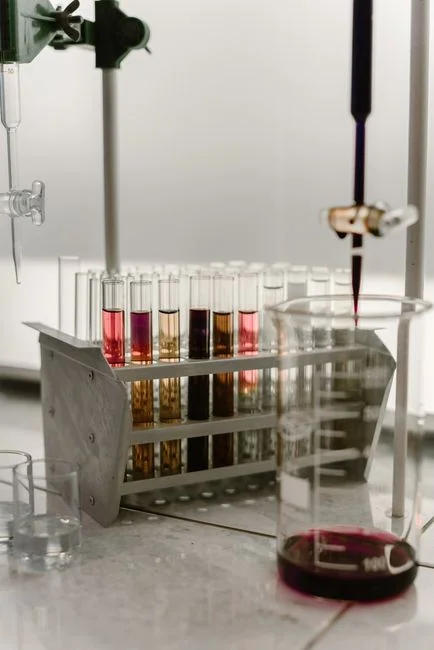
A defensible treatment train sequences complementary controls: screening and grit removal, equalization, pH adjustment, physical removal, biological treatment, and final monitoring. Nutrient treatment or additional polishing belongs only where the local limit or discharge objective requires it.
The sequence begins with screening and grit removal to protect pumps and downstream equipment. An industrial DAF system for food-processing wastewater then serves as the primary physical-removal step for TSS and food processing FOG. Hixson cites poultry-study results of 74% suspended-solids removal and 99% oil-and-grease removal under optimized conditions. Those results are study-specific, not guaranteed plant performance.
DAF does not reliably remove dissolved organic matter. Where the local limit or POTW loading requires BOD reduction, biological treatment is needed; physical separation alone leaves a soluble organic load. For pH, an automatic chemical dosing and pH control system should respond to measured acidity or alkalinity rather than operate as an optional stage.
Additional processes should follow the permit. Hixson cites beverage-facility MBR pilot results of 16.9 mg/L COD, 3.8 mg/L TSS, and 92.6% COD removal, which may justify an MBR integrated wastewater treatment system where high-quality effluent or a smaller footprint is required. For high-strength streams, Hixson also cites anaerobic COD removal of 89.8% to 96.5% and methane yields of 0.27 to 0.33 liters CH4 per gram of COD removed. Those figures identify an energy-recovery concept, not a universal configuration for a Payette plant.
| Discharge parameter | Primary treatment decision | Operating evidence | Corrective-action focus |
|---|---|---|---|
| TSS | Screening and DAF | Skimmer operation, recycle condition, coagulant response, scum removal | Inspect recycle, verify dosing, recover solids handling capacity |
| FOG | DAF with adequate scum handling | Skimming records and FOG sampling | Correct skimmer or chemical-control failure; remove accumulated scum |
| BOD/COD | Biological treatment where required | Organic loading, process controls, and dissolved-organics results | Reduce shock loading and restore biological treatment |
| pH | Automatic chemical dosing | Calibration records, dose rate, and measured pH | Verify probe, chemical supply, and control response |
| Nutrients or tighter limits | BNR, MBR, or polishing as permitted | Permit compliance samples and process records | Investigate biology, carbon balance, and polishing performance |
Size and operate the system for production swings
Equalization is the hydraulic and concentration buffer between variable plant discharges and sensitive treatment processes. It stores wastewater and releases it at a controlled rate, limiting shock loading on biological systems, DAF, and the POTW.
Size the plant around worst-case production flow, maximum clean-in-place wastewater, expected FOG accumulation, biological loading, and sludge or scum removal capacity. Average daily flow will not capture the batch or clean-in-peak event that determines whether the system can remain compliant. The selected sequence should also address where scum and sludge go; removing contaminants from the water creates a handling obligation that must appear in the operating plan.
DAF controls should include automatic skimming, defined scum handling, recycle inspection, and verification of coagulant or pH-aid dosing with representative wastewater. Published removal percentages apply to defined study conditions and do not substitute for a performance demonstration. A supplier should show how the proposed system responds to the plant’s production variability, chemistry, and local permit.
Layout decisions affect both performance and cost. Hixson notes that retrofitting can require longer pipe runs, additional pumping, compromised layouts, and higher capital costs. During plant expansions or production changes, revisit wastewater infrastructure early enough to account for drain routing, floor slopes, equipment access, equalization volume, and maintenance access.
Turn monitoring into a defensible compliance program
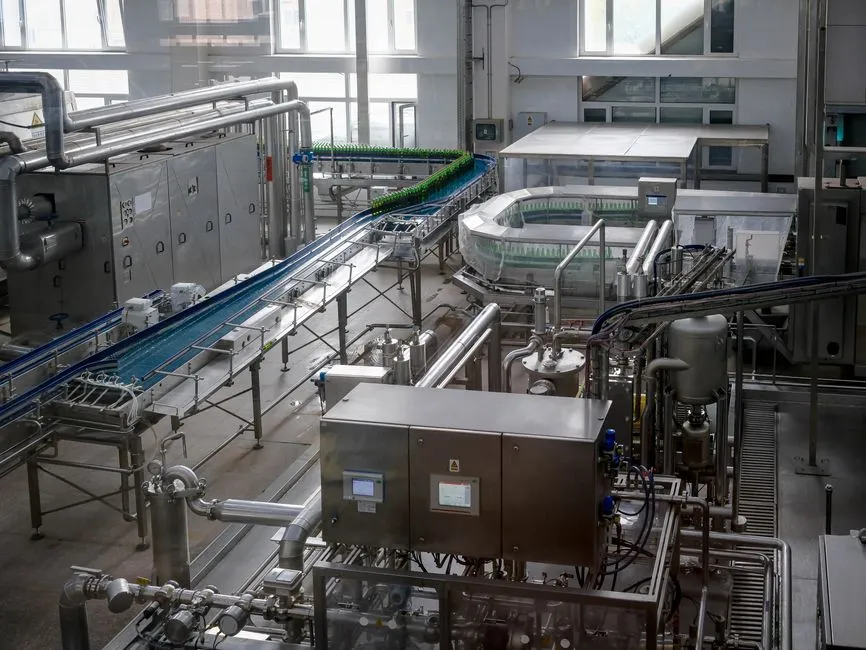
Compliance evidence requires more than a successful sample: it links process observations, measurements, calibration, maintenance, and corrective action to the same treatment assets and operating periods.
Oxmaint recommends daily operational checks, weekly skimmer inspections, monthly chamber cleanouts, and scheduled probe calibration. These frequencies should be adjusted to the permit and actual operating risk. An operating observation documents what an operator saw; a compliance sample documents the regulated discharge under the required method; a calibration record documents instrument status. None substitutes for the others.
Use a defined corrective-action workflow:
- Confirm the exceedance and identify its cause.
- Notify the POTW when required by the permit.
- Repair or adjust the affected treatment step.
- Collect verification samples using the required method.
- Retain the investigation, repair, results, and closure approval.
Link every calibration and sample record to the relevant DAF, equalization tank, pH-control system, or composite sampler. Missed limits can mean surcharges, and repeated violations can lead to permit suspension; those consequences make missing records a compliance issue, not merely an administrative gap.
The permit file should contain the controlling limits, monitoring frequencies, sampling methods, reporting deadlines, calibration records, maintenance records, sample results, chain-of-custody information where applicable, and corrective-action records. This separates evidence of treatment performance from evidence that the permit was followed.
Choose equipment and suppliers using a compliance-focused checklist
Procurement should begin with the local permit and wastewater characterization, not with a flow rate or equipment price. Require each bidder to map every proposed unit to a permit parameter and identify the operating record that demonstrates its performance.
| Bidder deliverable | Questions the plant must ask | Evidence required before award |
|---|---|---|
| Parameter-by-parameter design | Which unit controls BOD, TSS, FOG, pH, and any applicable nutrients? | Process basis and permit cross-reference |
| Performance criteria | What result is proposed, under what wastewater and operating conditions, and by which test method? | Defined criteria and test protocol |
| Controls and alarms | How are pH, flow, recycle, skimming, and equipment faults detected? | Control narrative and alarm list |
| Maintenance and residuals | How will chemicals, sludge, scum, membranes, and spare parts be managed? | Maintenance scope and residual-handling plan |
| Commissioning | Who trains operators and verifies stable performance? | Startup, training, and acceptance plan |
| Compliance support | Does the offer include sampling support, reporting templates, and permit documentation? | Separately listed compliance deliverables |
Require the design to address clean-in-place chemistry, production variability, scum and sludge removal, and the resulting sizing basis. For an MBR proposal, request expected effluent quality, membrane configuration, cleaning strategy, and footprint; Hixson notes that MBRs can provide high effluent quality in a smaller footprint but carry higher capital and energy costs. See the related MBR design for high-strength food-processing wastewater.
Permit conformity, sampling support, and records are separate deliverables. Do not assume they are included in an equipment quotation. Comparing bids only by purchase price leaves the plant exposed to unpriced gaps between treatment hardware and a defensible compliance program.
Frequently Asked Questions
How much does food and beverage wastewater pretreatment cost near Payette?
Compare total operating and compliance cost, not purchase price alone. The estimate should include DAF, biological treatment, controls, chemicals, sludge and scum handling, maintenance, sampling, energy, and recordkeeping. Request a line-item offer with the design basis, performance criteria, and exclusions. No defensible dollar estimate can be made without representative wastewater, maximum flow, permit limits, and the required treatment sequence.
How should pretreatment capacity be sized for a food or beverage plant?
Do not select capacity from average daily flow. Require representative wastewater characterization, maximum production and clean-in-place flows, production and cleaning schedules, organic and FOG loading, and the controlling permit limits. The supplier should show how those inputs determine equalization, treatment, biological loading, and residual-handling capacity.
What should a wastewater equipment supplier demonstrate before selection?
Ask for parameter-by-parameter design, clearly defined performance criteria, documented test methods, control narratives, alarm functions, maintenance scope, residual-handling provisions, commissioning support, and permit-compliance deliverables. For DAF, confirm the proposed TSS and FOG basis, skimming arrangement, recycle controls, and testing with representative wastewater. For MBR, require membrane configuration, cleaning strategy, footprint, and expected effluent quality.
What compliance risks should a Payette plant manage after installation?
Manage both exceedance risk and evidentiary risk. Missed limits can mean surcharges, and repeated violations can lead to permit suspension. Incomplete maintenance, calibration, sampling, and corrective-action records can also undermine the plant’s ability to demonstrate compliance. Keep permit requirements in the operating plan, identify responsible personnel, and close each exceedance with documented verification sampling and records retained by asset.
Further Reading
- <