
Which Treatment Better Fits Mining Wastewater?
For mining and metals wastewater near Grafton, an industrial membrane bioreactor (MBR) is the stronger screening choice when flow is below 2,000 m³/day, available footprint is below 500 m², and reuse or zero-liquid discharge is required; conventional activated sludge may be more economical for larger, dilute flows when electricity is inexpensive and usable aeration and clarification assets already exist. Neither process independently removes dissolved metals, so the real choice is between complete treatment trains incorporating precipitation, equalization, pH control, fine screening, biological treatment, solids separation and any required reuse polishing. A Grafton procurement should therefore use the 2026 MBR cost-per-m³ guide for initial screening, then rely on current permit terms, actual mine-water characterization and pilot results for selection.
The screening thresholds come from the HydropureWater commercial comparison, published in 2026, and are planning conditions—not Grafton measurements or regulatory criteria. For MBR, the comparison emphasizes compact solids separation, reuse readiness and reduced dependence on gravity settling. For conventional activated sludge, the economic advantage is strongest where existing aeration and clarification equipment remains usable and the wastewater is sufficiently dilute. Where those assets have little remaining life, or reuse must be demonstrated at a defined quality, the comparison must include membrane replacement, polishing and higher operating requirements.
Do not compare MBR and conventional activated sludge as isolated reactors. Upstream dissolved-metal precipitation, flow equalization and manufacturer-specified fine screening can affect both technologies and may determine whether either is viable. The defensible Grafton decision is therefore: choose MBR when compact separation and reuse justify membrane lifecycle costs; compare conventional activated sludge or a hybrid when existing assets, simpler operation and lifecycle economics dominate.
How MBR and Conventional Activated Sludge Work
Conventional activated sludge depends on successful aeration, floc formation and gravity separation in a secondary clarifier; sludge wasting then controls the solids inventory. An industrial membrane bioreactor retains biological solids on submerged membranes, so effluent solids separation does not depend on clarifier settling. That distinction affects resilience after metal or hydraulic shocks, but it does not make an MBR a substitute for upstream dissolved-metal treatment.
In both trains, biological treatment addresses biodegradable constituents, precipitation and pH control address selected dissolved metals, and downstream polishing depends on the reuse destination. Membrane retention is a solids-separation control. It does not demonstrate removal of arsenic, lead, zinc, copper, nickel, cadmium or other dissolved constituents. The integrated submerged-PVDF MBR system combines activated-sludge biology with membrane filtration, but its filtration specification must not be presented as a metals-removal guarantee.
| Evaluation point | Conventional activated sludge | Industrial membrane bioreactor |
|---|---|---|
| Biological stage | Aeration and mixed-liquor treatment | Aeration and mixed-liquor treatment |
| Solids separation | Secondary gravity clarification and sludge wasting | Submerged membrane separation |
| Main separation risk | Poor floc settling, bulking or filament growth | Fouling, cleaning demand and membrane damage |
| Dissolved metals | Requires appropriate pretreatment and analytical verification | Requires appropriate pretreatment and analytical verification |
| Typical procurement question | Can existing aeration and clarification assets provide reliable solids separation? | Can membrane area, controls and replacement costs deliver required performance within the footprint? |
The same process-allocation discipline applies to reuse. A membrane can produce a low-solids stream, but the buyer must still define whether that stream can enter a reuse process directly or requires additional ultrafiltration, reverse osmosis, polishing and their pretreatment.
Mining and Metals Wastewater Changes the Comparison
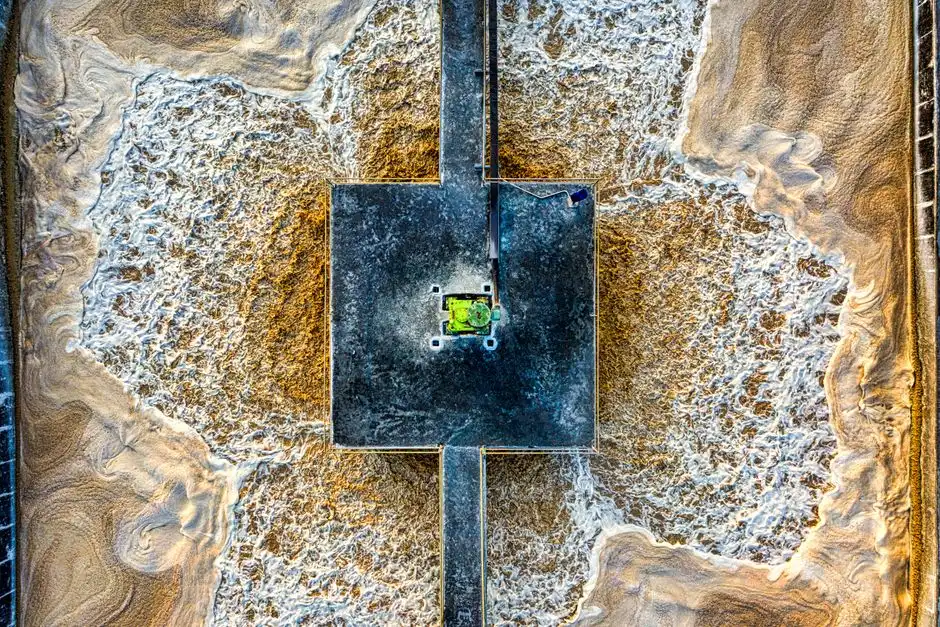
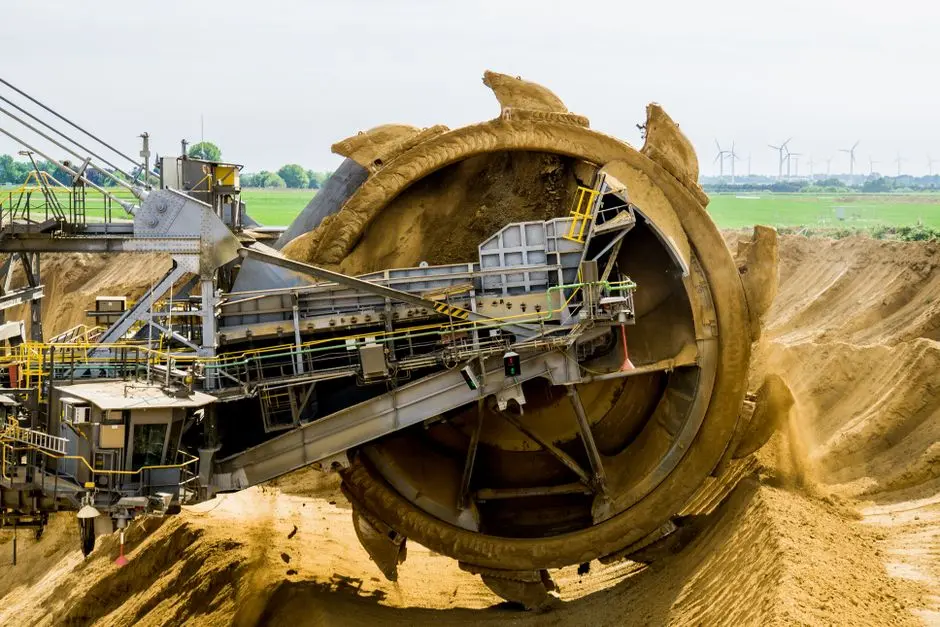
Mining influent variability can invalidate a generic equipment ranking because dissolved-metal pulses, abrasive pulp, salinity, flow surges and reagent-derived oxygen demand affect biology, settling, equipment wear and membrane fouling. A process that handles stable municipal wastewater may therefore fail under mine-water conditions unless equalization and pretreatment are designed around measured variability.
The HydropureWater commercial comparison, published in 2026, lists planning conditions including BOD/COD ratios below 0.3, hardness in the thousands of mg/L as CaCO₃, sulfate often above 1,000 mg/L, and TDS climbing past 5,000 mg/L in arid districts. These are commercial planning conditions, not Grafton measurements. They indicate why supplier design assumptions must be checked against a seven-day composite sample covering pH, metals, BOD, COD, hardness, sulfate, TDS and flow, supplemented by a flow-duration profile and equalization volume stated in hours of average flow.
Fine screening is a manufacturer-defined procurement requirement. The commercial comparison describes a broad 1–3 mm requirement, but screen cutoff is module-specific. For an MBR bid, require the supplier to identify the required screen and provide a GX Series fine screening system as an example of the relevant equipment category. Do not leave screening as an accessory or rely on a generic “pretreated influent” statement.
Measure dissolved, filtered and total-metal fractions before and after precipitation and after biological treatment. This prevents a solids-retention claim from being credited incorrectly as dissolved-metal removal. Add DAF equipment where turbidity, oil or floatables justify it, and include an automatic chemical dosing system where precipitation or pH control requires controlled reagent addition.
| Site input or risk | Required procurement treatment | Why it matters |
|---|---|---|
| Flow surges and duration | Flow-duration profile and equalization expressed in hours of average flow | Average flow alone does not establish biological or membrane capacity |
| Dissolved-metal inventory | Total, filtered and dissolved analyses before and after precipitation | Prevents membrane solids retention being credited as metal removal |
| Abrasive pulp and fibers | Manufacturer-specified screen cutoff | Protects pumps, membranes and controls |
| Oil, floatables or high turbidity | Test-driven DAF or other solids-removal step | Avoids adding pretreatment without demonstrated need |
| Scal-forming constituents | Anti-scalant, softening or other treatment only where data support it | Addresses flux decline and shortened cleaning intervals |
Performance, Stability and Fouling Under Real Mine Conditions
MBR solids retention can reduce dependence on floc settling, but membrane fouling still depends on pretreatment, solids loading, module design and operating control. The commercial evidence therefore supports a stability advantage to be tested, not a guaranteed site-performance claim.
The HydropureWater commercial comparison, published in 2026, reports mixed-liquor suspended solids of 8,000–12,000 mg/L for MBR, compared with 2,000–4,000 mg/L in a clarifier-based conventional activated-sludge basin. It also claims conventional activated sludge can lose 30–60% of removal efficiency during the 24–72 hours after a metal pulse because contaminant-bearing floc does not settle consistently. Both are commercial planning claims, not measured Grafton results or permit limits.
The commercial comparison gives sludge-retention-time contexts of 30–60 days for mining MBR, 1–5 days for nitrifying conventional activated sludge, and 5–15 days for non-nitrifying service. These values describe possible operating contexts; they are not automatic design criteria. The selected SRT must be justified by measured biodegradability, salinity, toxicity and treatment objectives.
Pilot testing should record normalized flux, cleaning frequency, recovery, cleaning chemistry, energy demand and sludge characteristics using actual mine water. A rented cassette or equivalent pilot is needed because laboratory synthetic feed will not reproduce the combination of metal pulses, abrasive fines and salinity that can change membrane behavior. Metal sampling should separately quantify dissolved, filtered and total fractions through the treatment train.
| Evidence item | Source and date | Engineering interpretation |
|---|---|---|
| 8,000–12,000 mg/L MBR MLSS; 2,000–4,000 mg/L CAS MLSS | HydropureWater commercial comparison, 2026 | Supports higher retained biomass; does not establish site performance |
| 30–60% CAS efficiency loss during 24–72 hours after a metal pulse | HydropureWater commercial comparison, 2026 | Commercial planning claim requiring actual-feed validation |
| 30–60 days mining MBR SRT; 1–5 days nitrifying CAS; 5–15 days non-nitrifying CAS | HydropureWater commercial comparison, 2026 | Operating context, not a default design value |
| Normalized flux, cleaning frequency and recovery | Must be measured in the proposed pilot | Needed to compare fouling risk and operating cost |
Footprint and Reuse Readiness
The verified HydropureWater product catalog lists an integrated submerged-PVDF MBR capacity of 10–2,000 m³/day, filtration below 1 μm and a claimed 60% smaller footprint than conventional systems. These are catalog specifications, not a guaranteed installed footprint or a Grafton reuse-quality result.
The space advantage comes from combining biological treatment and membrane separation while eliminating separate secondary clarification and conventional filtration. Installed area still includes equalization, chemical rooms, foundations, access, electrical service and pretreatment. Equalization and chemical dosing can become the controlling footprint elements if they are omitted from the initial comparison.
The broader commercial comparison in 2026 estimates roughly 50–70% less MBR footprint than an equivalent-capacity conventional plant. Treat that as a separate planning range, not a project guarantee. The procurement team should test it against an actual plot plan and the required expansion allowance rather than rely on reactor dimensions alone.
Water reuse must be defined before final polishing is selected. A UF water-treatment system and downstream reverse osmosis have different feed requirements and pretreatment from the biological stage. Also evaluate a hybrid where an existing clarifier or biological basin has useful remaining life and only the reuse stream needs higher-quality finish. Existing equipment must first be checked for hydraulic capacity, structural condition, sludge handling and achievable solids separation.
A high-efficiency sedimentation tank may be relevant where lamella clarification is justified for solids capture, but it should not be inserted into an MBR scope without process evidence. The reuse decision should state the destination, required quality, expected recovery and treatment steps; “near-reuse-quality” language in a catalog is not an acceptance criterion.
Capital Cost, Operating Cost and the Full Project Scope
The HydropureWater commercial comparison, published in 2026, estimates MBR capital cost at roughly 20–40% above equivalent-flow conventional activated sludge and operating cost at 15–30% higher per cubic metre. These are planning ranges, not Grafton quotations, and they exclude the need to normalize complete treatment trains before comparing bids.
The commercial cost drivers for the premium include membrane cassettes, fine screens, permeate pumps, PLC upgrades, scour aeration, chemical cleaning and replacement membranes. Each bidder should use the same flow basis and identify whether its price includes equalization, precipitation and pH control, fine screening, justified DAF, sludge handling, reuse polishing, instrumentation, power and automatic controls.
The same commercial comparison reports a 1,000 m³/day example in which MBR becomes more attractive when purchased-water or brine-disposal value exceeds roughly $2/m³, with electricity thresholds discussed at $0.07/kWh and $0.09/kWh. Those are source examples, not Grafton assumptions. The lifecycle model must use the site’s electricity tariff, avoided water purchases, disposal charges, brine-disposal value and a defined reuse value. A source-water value is not an avoided cost unless the mine can use the treated water for a defined purpose.
Request membrane area, material and flux basis; connected and average electrical loads; warranty conditions; a 10-year membrane replacement price; and the included chemical-cleaning and replacement-membrane scope. The commercial comparison gives an MBR service-life range of 5–8 years, but this is planning guidance because pretreatment, abrasive fines and aggressive cleaning affect actual life.
| Bid component | Information required from each bidder | Commercial or analytical treatment |
|---|---|---|
| Flow and equalization | Average, peak and duration flows; working volume in hours | Normalized design basis, not equipment price alone |
| Pretreatment | Precipitation, pH control, screening and justified DAF | Include or state explicit exclusions |
| Membrane system | Area, material, flux basis, cleaning method and fouling controls | Verify against proposed module and pilot |
| Power and controls | Connected and average loads; PLC, instrumentation and automatic controls | Price under the site tariff |
| Lifecycle commitments | Warranty conditions and 10-year membrane replacement price | Commercial estimate unless contractually fixed |
| Sludge and residuals | Handling, dewatering, disposal, cleaning chemicals and spent solutions | Include in the full project mass balance |
| Service life | Supplier basis for 5–8 year planning range | Planning guidance, not a warranted life |
Make the Decision with a Site-Specific Decision Framework
The current site-specific NPDES permit should be attached to the procurement memorandum before comparing equipment. Federal 40 CFR Part 440 provides the federal Ore Mining and Dressing framework, but it does not replace enforceable site-specific permit limits or applicable Virginia and local conditions. No supplied source establishes a guaranteed Grafton removal efficiency or effluent limit.
The decision should follow this sequence:
- Obtain the current NPDES permit, discharge monitoring requirements, applicable state and local conditions, and the intended reuse destination.
- Compile average, peak and duration flows; state equalization volume in hours of average flow; and complete a seven-day composite characterization of pH, metals, BOD, COD, hardness, sulfate and TDS.
- Assign treatment objectives to stages: pH control and dissolved-metal precipitation upstream; biological treatment for biodegradable contaminants; membrane or gravity separation for solids; and defined polishing for reuse.
- Compare MBR, conventional activated sludge and a hybrid using one flow, footprint, pretreatment, controls, warranty, sludge-disposal and polishing basis.
- Run a 60–90 day trial with actual mine water and a rented cassette or equivalent pilot, recording dissolved metals, membrane behavior, cleaning frequency, recovery and sludge characteristics.
- Select only after permit, pilot and lifecycle results are available, then translate accepted performance into tender guarantees and acceptance tests.
The mining-wastewater MBR versus activated-sludge comparison and 2026 mining-wastewater treatment buyer’s guide provide a method for structuring that comparison, but neither substitutes for Grafton permit review or site testing.
| Decision condition | Procurement action |
|---|---|
| Flow below 2,000 m³/day, footprint below 500 m², and reuse or zero-liquid-discharge driver | Carry MBR into the normalized comparison; these are commercial screening thresholds, not compliance rules |
| Large, dilute flow with usable aeration and clarification assets | Compare conventional activated sludge and verify remaining asset life |
| Useful existing biological or clarifier asset but stringent reuse stream | Evaluate a hybrid and verify hydraulic, structural and solids-removal capability |
| Metal, salinity or toxicity concerns remain unresolved by characterization | Do not award; define pretreatment and pilot evidence first |
Specify Pretreatment and Sludge Handling in the Tender
Fine screening, equalization, pH control and chemical dosing belong in the baseline treatment scope because omitted pretreatment can compromise either biological or membrane performance. The membrane supplier must state its required screen cutoff and identify the GX Series fine screening system or an approved equivalent. DAF should be added only where turbidity, oil, floatables or test data justify it.
Include MBR waste sludge in the complete mass balance and disposal plan. The HydropureWater commercial comparison favors a plate-and-frame press and reports 25–35% dry solids. Confirm the required dry-solids content against the actual disposal route rather than treating that result as universal. A plate-and-frame filter press should be quoted with assumptions for cake transport, handling and final disposal.
The tender must also allocate membrane-cleaning chemicals, spent cleaning solutions, equalization, chemical storage, instrumentation and automatic controls. If reuse is part of the project, clearly state whether polishing equipment and its pretreatment are included, and which guarantees apply to the combined biological and polishing train. A reactor-only price does not establish the reliability or installed cost of the treatment system.
Frequently Asked Questions
Is MBR more expensive than conventional activated sludge for a Grafton mining wastewater project?
The HydropureWater commercial comparison, published in 2026, estimates MBR capital cost at roughly 20–40% above equivalent-flow conventional activated sludge and operating cost at 15–30% higher per cubic metre. These are planning ranges, not quotations. Request bids on the same flow and treatment scope, then add the site’s actual electricity tariff, avoided water purchases, disposal charges and reuse value to the lifecycle model.
What flow and water-quality data are needed to size MBR versus conventional activated sludge?
Do not size from average flow alone. Require the flow-duration profile, average and peak flows, equalization volume in hours, and seven-day composite chemistry covering pH, metals, BOD, COD, hardness, sulfate and TDS. The bidder must then disclose membrane area, material and flux basis for MBR, or aeration, basin volume, sludge-retention time and secondary-clarifier basis for conventional activated sludge.
How should a buyer select a mining-wastewater MBR supplier?
Use a normalized bid scope and require manufacturer-specified screening, pilot results, automatic-control scope, warranty conditions and a 10-year membrane replacement price. Ask for normalized flux, cleaning frequency and recovery from a pilot using actual mine water. Supplier selection should also verify whether each price includes precipitation, pH control, sludge handling, polishing, membrane cleaning and replacement membranes.
Does 40 CFR Part 440 establish the effluent limits for the selected treatment train?
No. The current site-specific NPDES permit and applicable Virginia or local conditions establish enforceable requirements; 40 CFR Part 440 is the federal Ore Mining and Dressing framework, not a substitute for the permit. Set acceptance criteria around permit limits and analytical methods, and verify dissolved, filtered and total-metal fractions rather than inferring removal from membrane solids retention.
Should a pilot be completed before ordering an MBR or hybrid system?
Yes, when the pilot can change the technology decision. A 60–90 day trial with actual mine water should establish biodegradability, salinity and toxicity effects, dissolved-metal behavior, membrane fouling, cleaning frequency, normalized flux, recovery and sludge characteristics. If pilot results contradict the commercial assumptions, revise pretreatment or compare conventional activated sludge and hybrid alternatives before final award.