Which Treatment Is the Better Fit in Davella?
For mining and metals wastewater serving Davella, MBR is usually the stronger option when reliable solids separation, limited space, or water reuse justifies added cost; conventional activated sludge remains competitive for large dilute flows with inexpensive power and serviceable basins. Neither system removes all dissolved metals, so both generally need upstream precipitation or another dedicated metals-removal step. Final selection should follow the current NPDES permit, actual influent characterization, discharge or reuse route, and a 60–90 day pilot using site wastewater.
Location does not decide the technology. A Davella-area site with a constrained footprint, a defined reuse application, or a solids-separation duty that must remain reliable during metal or loading pulses has a stronger MBR case. Conversely, conventional activated sludge remains credible where flow is dilute, power is inexpensive, there is no reuse driver, and the aeration basin and secondary clarifier have useful remaining life. The broader mining-wastewater MBR comparison provides a useful technical screen, but it does not replace site-specific data.
MBR combines activated-sludge biology with submerged membrane separation. CAS uses aeration followed by gravity settling in a secondary clarifier. In both cases, dissolved metals require a dedicated removal step. Federal ore-mining and dressing requirements under 40 CFR Part 440 address arsenic, lead, zinc, copper, nickel, and cadmium; retaining solids in a membrane does not establish compliance with those requirements.
| Decision input | Favors MBR when | Favors CAS when |
|---|---|---|
| Solids separation | Reliable separation is required through short influent disturbances. | Existing clarification performs adequately and floc settleability remains stable. |
| Footprint | Civil space is constrained. | Land and civil construction are not limiting. |
| Discharge or reuse | Treated water has a defined reuse application or ZLD driver. | There is no meaningful reuse or zero-liquid-discharge requirement. |
| Existing assets | New separation and pretreatment are required. | The aeration basin and clarifier remain serviceable. |
| Permit and chemistry | Actual wastewater can support the biology and membrane operating envelope. | Actual wastewater supports biological loading and dependable gravity settling. |
The procurement decision should therefore begin with the current Davella-area NPDES permit, discharge location, reuse target, actual flow and chemistry, available footprint, and remaining life of existing equipment. The MBR wastewater cost per m³ guide can support early screening, but quotations must use identical site duties.
Separate the Three Treatment Functions
MBR is not a complete metals-treatment system; it combines biological treatment and solids separation, while dissolved-metals removal remains a separate process function. That distinction should appear in the conceptual design and in every supplier quotation.
- Equalization and pretreatment: Remove or control floatables, suspended material, oil and grease, and rapidly varying hydraulic and contaminant loads before either biological train.
- Biological treatment: Address biodegradable organics and, where suitable, nitrification. Low biodegradable carbon, sulfate, salinity, and high TDS can make biological loading difficult to transfer from municipal practice.
- Solids separation: A secondary clarifier settles biological floc in CAS; submerged membranes retain biomass and suspended material in MBR.
- Dissolved-metals treatment: Chemical precipitation converts dissolved metals into removable solids, which must then be captured by clarification or filtration.
- Discharge or reuse polishing: Add filtration, UV, reverse osmosis, or other barriers only when the receiving route or reuse specification requires them.
For cyanidation circuits, cyanide, ammonia, and thiosulfate can create oxygen-demand swings. Salinity and TDS can inhibit nitrifiers. Equalization reduces hydraulic and load shocks, but it is not a substitute for chemical treatment or biological characterization. Low BOD/COD, sulfate, hardness, or high TDS are screening flags for biological stress, membrane fouling, and sludge-handling difficulty—not automatic exclusions of MBR.
A high-rate sedimentation tank may be useful for solids capture, provided testing shows that its hydraulic and solids-loading duties suit the selected process. The critical design question is which contaminant each unit is expected to remove. A clarifier that retains precipitated solids does not eliminate dissolved metals unless the chemistry first converts them into particulate form.
Water reuse treatment should also be specified as an application-specific train. MBR permeate can support some reuse routes, but it is not automatically acceptable for boiler feed, cooling water, process water, or zero-liquid-discharge duties. Those applications require an explicit quality specification and appropriate downstream barriers.
MBR and Activated Sludge Performance Under Mining Conditions
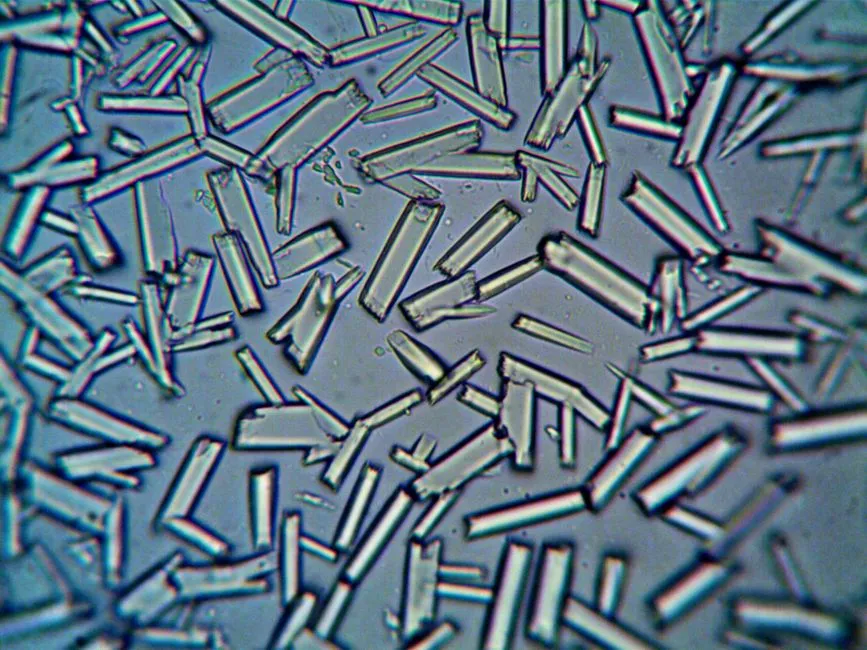
MBR separates solids through a physical membrane barrier, while CAS depends on the gravity settlement of biological floc in the secondary clarifier. That mechanical difference is the main technical reason MBR gains value where clarifier performance or footprint is problematic.
HydropureWater’s 2026 field-data comparison reports normal MBR operation at 8,000–12,000 mg/L MLSS, compared with 2,000–4,000 mg/L for conventional activated sludge using the Lamella-clarifier engineering reference, also from 2026. MBR physically retains solids, decoupling effluent solids concentration from floc settleability. CAS effluent quality remains linked to both biological treatment and the settling behavior of the produced sludge.
Disturbance sensitivity must still be tested on Davella wastewater. As a specific observation, not a universal performance rule, HydropureWater’s 2026 field data report that CAS systems lost 30–60% of removal efficiency during a 24–72-hour window after a metal pulse. The case illustrates how poor settling or metal-bearing floc can let particulate metals escape even while the biological reactor remains operational.
For referenced facilities, EPA MBR Fact Sheet values cited by HydropureWater in 2026 report effluent turbidity of 0.01–1.31 NTU and BOD5 of 0.10–0.72 mg/L. These values do not guarantee compliance at a Davella site. The governing comparison is the current NPDES permit and measured performance across the actual dissolved and particulate metals inventory.
HydropureWater’s 2026 screening flags identify BOD/COD below 0.3, hardness in the thousands of mg/L as CaCO3, sulfate above 1,000 mg/L, and TDS above 5,000 mg/L. They are not universal design thresholds. They indicate where biological stability, membrane fouling, chemical demand, and sludge handling deserve closer review.
| Evaluation point | MBR | CAS |
|---|---|---|
| Biological solids concentration | 8,000–12,000 mg/L MLSS in HydropureWater’s 2026 field-data report. | 2,000–4,000 mg/L MLSS using the Lamella-clarifier engineering reference, 2026. |
| Solids separation | Physical membrane retention; less dependent on floc settleability. | Gravity settling in a secondary clarifier; dependent on floc behavior. |
| Referenced effluent values | 0.01–1.31 NTU turbidity and 0.10–0.72 mg/L BOD5 in facilities cited through the EPA MBR Fact Sheet by HydropureWater, 2026. | No equivalent facility value is established by the supplied research. |
| Disturbance example | No universal pulse-response claim is supported. | 30–60% removal-efficiency loss during a 24–72-hour post-metal-pulse window in the HydropureWater 2026 observation. |
| Dissolved metals | Requires precipitation or another dedicated step. | Requires precipitation or another dedicated step. |
For a candidate train, the integrated submerged-PVDF MBR system should be evaluated on pilot flux, normalized transmembrane pressure, cleaning recovery, and solids dewatering—not on membrane area alone.
Choose the Pretreatment and Metals-Removal Train
Pretreatment should be defined from actual Davella wastewater because the chemistry that destabilizes biology can also increase membrane fouling, consume chemicals, and complicate downstream solids handling.
HydropureWater’s 2026 specification calls for 1–3 mm fine screening, with cited cutoffs of 1–2 mm for hollow-fiber modules and 2–3 mm for flat-plate modules. The selected screen specification must match the installed membrane format, with a defined bypass and integrity-monitoring arrangement. A rotary mechanical bar screen may form part of that duty, but screen selection should follow the measured solids profile.
Equalization volume should be calculated from actual diurnal flow and contaminant-load data, not nominal peak flow alone. The characterization program should cover oil and grease, turbidity, pH, metals, sulfate, hardness, TDS, and biodegradable carbon. For floatables, dissolved air flotation may be considered when influent testing supports it. For dissolved metals, precipitation remains a dedicated removal step rather than an MBR pretreatment function.
Use automatic pH and chemical-feed control, but define the chemical sequence through jar testing and pilot work. HydropureWater’s 2026 comparison gives approximate pH ranges of 8.5–9.5 for CAS precipitation and 6.5–7.5 ahead of MBR membranes, while stating that final targets require process design and permit review. These are comparison inputs, not universal operating instructions. An automatic chemical dosing system should therefore be quoted against the validated sequence and equipment operating envelope.
Downstream solids handling must be evaluated from measured sludge properties. HydropureWater states in 2026 that MBR waste sludge can have lower settleability and contain more colloidal particles than CAS waste activated sludge. A plate-and-frame sludge dewatering system should therefore be selected against pilot-derived sludge behavior rather than a generic solids concentration.
| Train element | Required evidence before selection | Why it matters |
|---|---|---|
| Fine screening | Module-specific cutoffs and solids characterization. | Limits membrane damage and gross solids loading. |
| Equalization | Diurnal flow, load, pH, and oxidation-demand data. | Reduces hydraulic and contaminant shocks. |
| Metals precipitation | Jar tests, residual-metal targets, chemical demand, and sludge generation. | Converts dissolved metals into material that can be captured. |
| Chemical feed | Validated sequence, control logic, reagent delivery, and cleanup strategy. | Prevents uncontrolled pH or chemical dosing. |
| Sludge dewatering | Measured settleability, solids content, filtrate quality, and cake handling. | Tests whether the residual sludge can be handled as proposed. |
Compare Cost, Footprint, and Reuse Value
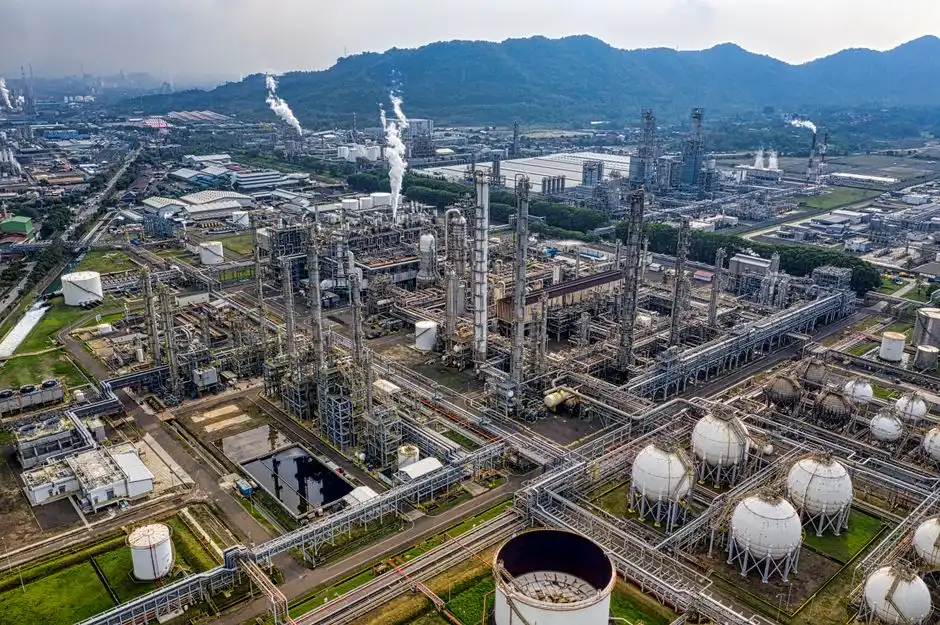
The economic comparison must use the same flow, effluent duty, civil scope, pretreatment, sludge handling, and replacement assumptions; otherwise, an apparent saving can simply move costs between scopes.
HydropureWater and the Lamella-clarifier engineering reference, both dated 2026, estimate that MBR can reduce concrete and civil footprint by approximately 60% relative to conventional activated sludge. For the same 2026 sources, a 1,000 m³/day comparison places MBR capital cost at 20–40% above equivalent-flow CAS and operating cost at 15–30% higher per m³. That is a screening comparison, not a Davella quotation.
Every MBR quotation should separately identify membrane cassettes, fine screens, permeate pumps, PLC upgrades, air-scour energy, chemical cleaning, membrane replacement, pretreatment, and sludge handling. A CAS quotation should include aeration, clarification, return and waste sludge systems, equalization, electrical service, and basin rehabilitation. Civil works, site utilities, access roads, containment, and disposal should not be left undefined on either side.
HydropureWater’s 2026 field data identify a typical payback condition of approximately 4–6 years when make-up water costs more than about $2/m³ or brine disposal has a real cost. These are screening conditions, not guaranteed return on investment for a Davella project. The same source identifies electricity below about $0.07/kWh as favorable for CAS. The buyer should model the actual tariff, water value, duty profile, cleaning interval, and replacement assumptions rather than insert these figures unchanged into a business case.
The MBR wastewater cost per m³ guide is useful for checking whether a quotation has exposed all major operating drivers. It is not a substitute for an equal-scope lifecycle model.
| Screening item | MBR | CAS |
|---|---|---|
| Civil footprint | Approximately 60% less concrete and civil footprint in the HydropureWater and Lamella-clarifier engineering reference, 2026. | Reference case for the comparison. |
| Capital cost | 20–40% above equivalent-flow CAS in the 1,000 m³/day comparison from HydropureWater field data and the Lamella-clarifier engineering reference, 2026. | Reference case for the comparison. |
| Operating cost | 15–30% higher per m³ in the same 1,000 m³/day comparison and scope. | Reference case for the comparison. |
| Payback screen | Approximately 4–6 years when make-up water exceeds about $2/m³ or brine disposal has a real cost, according to HydropureWater’s 2026 field data. | Potentially attractive where electricity is below about $0.07/kWh under HydropureWater’s 2026 screening condition. |
| Residual solids | Potentially lower settleability and more colloidal particles than CAS waste activated sludge, according to HydropureWater, 2026. | Reference residual-sludge basis for the comparison. |
Finally, do not price MBR permeate as reusable water until its destination is defined. UV, reverse osmosis, or another barrier belongs in the scope only when the reuse specification requires it.
Validate the Davella Decision with a Pilot and Permit Review
A defensible Davella selection starts with the permit route and actual wastewater, not with a catalog capacity. Obtain the current NPDES permit and identify whether the discharge goes to surface water, a publicly owned treatment works, an injection well, or a reuse system. Check site-specific selenium, sulfate, and other limitations. The regional mining metals wastewater compliance guide provides a useful review structure for permit and sewer-limit questions.
Where metal pulses, low BOD/COD, sulfate, hardness, or high TDS could affect biology, settleability, or membrane flux, HydropureWater’s 2026 guidance recommends a 60–90 day cassette pilot using actual wastewater. The pilot should include the proposed pretreatment and representative operating disturbances rather than only steady-state synthetic feed.
Track solids separation, dissolved and particulate metals removal, transmembrane pressure, normalized flux, chemical demand, cleaning recovery, and sludge dewatering. Membrane area or nominal production is not a substitute for these results. If CAS is retained as the alternative, compare biological stability, floc settleability, metal passage, and clarification performance under the same influent envelope.
Size the final train from required flow, actual influent matrix, pretreatment, permit duty, and reuse profile. Do not select equipment from peak nominal flow alone. The sequence for procurement is:
- Confirm permit route, limits, and reuse specification.
- Complete the site wastewater characterization and identify operating envelopes.
- Validate pretreatment and biological performance with actual wastewater.
- Pilot solids separation and measure membrane or clarifier performance.
- Compare equal-scope lifecycle costs and residual-solids handling.
- Obtain binding quotations with exclusions, guarantees, and replacement assumptions stated.
Supplier quotations should cover the same flow, effluent duty, civil works, pretreatment, sludge handling, power, cleaning, and membrane replacement. The 2026 mining-wastewater MBR versus activated-sludge comparison can support this comparison framework, but no generic performance range substitutes for site-specific validation.
Frequently Asked Questions
How much does MBR cost compared with conventional activated sludge for mining wastewater?
The 1,000 m³/day comparison is a screening reference: HydropureWater field data and the Lamella-clarifier engineering reference, both dated 2026, place MBR capital cost at 20–40% above equivalent-flow CAS and operating cost at 15–30% higher per m³. A binding comparison requires identical flow, effluent duty, civil scope, pretreatment, sludge handling, power, cleaning, and membrane-replacement assumptions. Request those items as priced line items and identify exclusions before comparing totals.
What MBR size is needed for a Davella mining wastewater plant?
The DF-series MBR membrane bioreactor module is described as a 0.1 μm PVDF flat-sheet configuration available in 80–225 m², producing 32–135 m³/day. The integrated MBR wastewater treatment system has a stated range of 10–2,000 m³/day. Neither range sizes a Davella plant by itself: confirm the number and configuration of trains, pretreatment, redundancy, required flow profile, and actual wastewater suitability in writing.
Does using MBR satisfy NPDES mining-discharge requirements?
No general compliance conclusion follows from membrane solids retention. Federal ore-mining requirements under 40 CFR Part 440 address arsenic, lead, zinc, copper, nickel, and cadmium, and both MBR and CAS generally need dedicated metals removal. Demonstrate performance with the current NPDES permit, actual dissolved and particulate metals, and site operating conditions. Keep compliance samples distinct from the general sampling and monitoring requirements that apply to the treatment works.
Which evidence should be requested when selecting an MBR supplier?
Request pilot flux, transmembrane-pressure trends, cleaning-recovery results, sludge-dewatering results, and written confirmation of the proposed pretreatment envelope. For a Davella comparison, require test data from representative mining wastewater rather than a generic clean-water membrane rating. Also require confirmation that the supplier’s guarantee covers the site’s actual flow, chemistry, duty, and cleaning assumptions rather than nominal production alone.