Start with the Columbus permit and applicable pretreatment rules
Fabricated metals plants near Columbus generally meet pretreatment limits through a permit-first, source-characterized treatment train—not by relying on a federal limit table alone. The controlling requirements are the plant’s industrial discharge permit, Columbus POTW pretreatment rules, any applicable categorical standards, and documented 40 CFR Part 433 applicability. A typical train combines flow equalization, oil and solids removal, treatment of cyanide or hexavalent chromium when present, dissolved-metals precipitation, DAF or lamella clarification, final pH control and sludge handling. The final design must reflect actual wastewater flow, batch dumps, pollutant concentrations and demonstrated operating envelope.
EPA identifies the POTW as the control authority responsible for identifying applicable standards and applying the most stringent requirements where multiple provisions apply (US EPA, 2026). Local limits are imposed at the industrial user’s end-of-pipe connection to the POTW collection system and address the specific needs of the POTW, its sludge processes and receiving waters. For a Columbus plant, that means the current industrial discharge or industrial user permit, the Columbus local-limit table, sewer-use requirements and any applicable categorical or narrative conditions must be reviewed together.
The cited Columbus public information does not provide the pollutant-by-pollutant numeric table. It states that limits are set by permit and sewer-use ordinance, with specific values depending on pollutant and permit class and potentially supplemented by Ohio EPA or federal categorical standards (us.citylaws.org, 2026). Do not freeze equipment sizing until the control authority supplies the controlling documents. The fabricated metals sewer-limit treatment guide provides the permit-first framework, but the site-specific permit remains the design authority.
| Document or decision | What it establishes | Why it affects equipment selection |
|---|---|---|
| Industrial discharge or industrial user permit | Authorization to discharge industrial wastewater to the Columbus sewer | Defines the approved discharge point, monitoring conditions and facility obligations |
| Current Columbus local-limit table | Potentially applicable pollutant-specific end-of-pipe limits | Sets the required treatment performance and sampling parameters |
| Categorical applicability determination | Whether federal pretreatment standards apply to the plant | Can add PSES, PSNS or narrative conditions beyond local limits |
| Enforcement provisions | Inspections, sampling, notices of violation, orders to comply and possible legal referral | Requires traceable operating and monitoring records rather than a one-time performance claim |
Those enforcement mechanisms are described by the Columbus program information (us.citylaws.org, 2026). Treat monitoring and operating records as part of the permitted system: a treatment skid that cannot document its chemical doses, flow response or operating envelope does not establish sustained compliance.
Determine whether federal categorical rules apply to the plant
40 CFR Part 433 applicability depends on the operations performed at the discharge point, not on the business description or the label “fabricator.” HydropureWater’s 2026 guidance identifies forming, finishing, forging, foundry, metal-spraying and machining-wash operations co-located with plating or anodizing lines as potentially covered activities. It also distinguishes a dry-stamping operation that ships parts to a separate finisher from on-site zinc, nickel or chromic-acid plating that can place a plant within covered scope (HydropureWater, 2026).
The applicant should assemble a factual record, not make a categorical argument from customer drawings alone. That record should include:
- Tank inventory and chemicals used in each wet process.
- Process descriptions identifying forming, finishing, forging, foundry, metal-spraying or machining-wash activities.
- Wastewater-source mapping from each process to its collection system and discharge connection.
- Contracts, shipping records and process descriptions establishing whether plating or anodizing occurs on site or off site.
- Material flow diagrams showing whether plating wastewater, rinse water, wash water or other regulated streams enter the same sewer connection.
EPA places categorical pretreatment standards under 40 CFR 403.6 and 40 CFR chapter I, subchapter N, while requiring the control authority to identify the standards applicable to each industrial user (US EPA, 2026). In Columbus, that determination should be confirmed with the city before finalizing the treatment basis.
Even where Part 433 applies, a federal table does not replace Columbus local limits or the industrial discharge authorization. Conversely, if the plant is outside Part 433, the permit, local-limit table, narrative prohibitions and monitoring conditions can still control the discharge. Record the determination, its supporting facts and the control authority’s response so the basis remains defensible during equipment review, commissioning and future audits.
Characterize the wastewater before sizing the treatment train
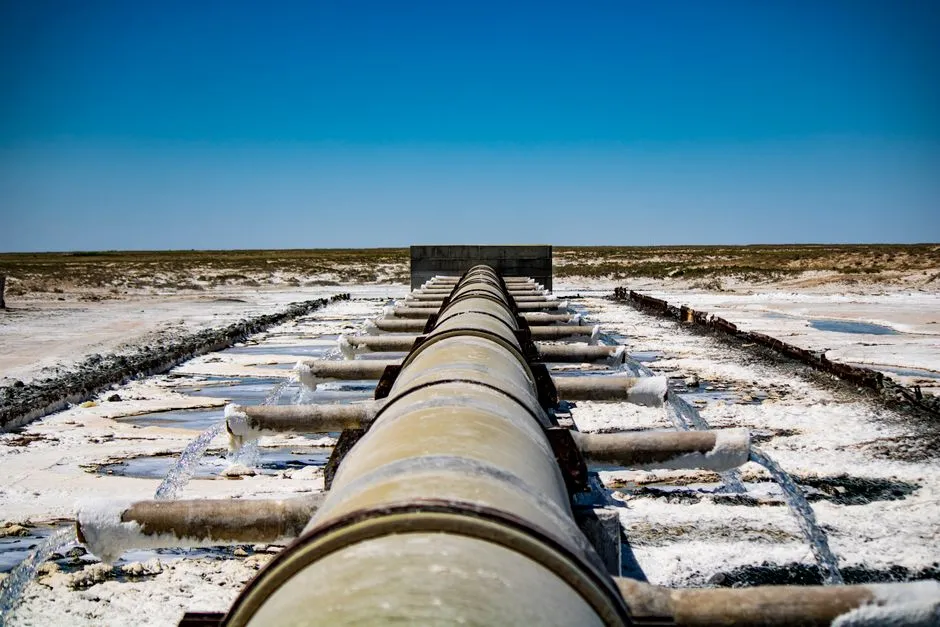
Wastewater characterization must cover the batch profile and the constituent load, because an average concentration can conceal a short dump that overwhelms the treatment train. Build the sampling plan around flow and discharge timing, oil concentration, emulsion character, pH, TSS, dissolved metals, and any identified cyanide or hexavalent chromium source. The plant’s operating schedule, production records and tank dumps should identify when those streams reach the sewer connection.
HydropureWater’s 2026 field-data screening ranges report oils at 50–500 mg/L, total dissolved metals at 5–200 mg/L, TSS at 100–1,000 mg/L and pH moving between 2 and 12 across batch dumps. These are screening ranges, not universal design limits and not substitutes for site data (HydropureWater, 2026). A broader metals-fabrication characterization workflow is described in this metals wastewater characterization guide.
Obtain a basin-level flow trend and a batch-discharge profile. HydropureWater’s 2026 guidance associates a flow coefficient of variation below 0.5 with smoother downstream chemistry (HydropureWater, 2026). Equalization should therefore precede the units that are vulnerable to hydraulic or concentration shocks. Oil removal, chemical dosing and clarification can lose their required performance envelope when a batch dump arrives faster than the selected equipment can accept it.
| Characterization input | Evidence to obtain | Design or compliance use |
|---|---|---|
| Flow and discharge timing | Basin-level trend and batch-discharge profile | Equalization volume, pumping capacity and diversion logic |
| Oil and grease | Concentration, emulsion character and batch observations | DAF duty, skimming and downstream solids handling |
| pH | Batch pH range and time history | Equalization, chemical demand and final pH control |
| TSS and colloidal solids | Representative sampling tied to operating conditions | Flocculation and clarification selection |
| Dissolved metals | Species-specific analytical results | Precipitation chemistry, sludge generation and residual monitoring |
| Cyanide or Cr(VI) | Source inventory and process-specific sampling | Oxidation or reduction stage and operating interlocks |
Map each result to the current permit, any applicable PSES or PSNS parameters and the stricter Columbus POTW local limits. The permit classification determines which parameters require monitoring and which analytical evidence must be retained. Sampling design should therefore serve both treatment sizing and compliance reporting; it cannot be limited to a single grab sample taken during routine production.
Build a treatment train around the contaminants actually present
The treatment sequence should follow the contaminant logic: flow equalization, oil or grease removal, Cr(VI) reduction where needed, cyanide oxidation where needed, hydroxide precipitation of dissolved metals, DAF or lamella clarification, final pH adjustment and sludge handling (HydropureWater, 2026). Omitting a stage is justified only when source characterization and the governing permit establish that it is unnecessary.
Cyanide must be destroyed before metals precipitation because untreated cyanide can redissolve downstream precipitates (HydropureWater, 2026). The same sequence applies to hexavalent chromium: reduction should occur under controlled conditions before the stream reaches the precipitation stage. HydropureWater’s 2026 chromium-precipitation guidance places that stage at pH 8.5–9.5, while other metals must be verified against the selected chemistry. This pH value is guidance from that source, not a substitute for the permit or species-specific treatment design.
| Unit operation | Control purpose | Key design evidence |
|---|---|---|
| Batch wastewater equalization | Buffers flow and concentration surges | Basin-level flow trend, batch profile and dump sequence |
| Oil or grease removal | Removes free oil and separates recoverable float | Oil concentration, emulsion character and DAF loading |
| Cr(VI) reduction | Converts hexavalent chromium to the selected treatment form | Source inventory, chromium speciation, reaction controls and residual monitoring |
| Cyanide oxidation | Destroys cyanide before downstream precipitation | Cyanide source, reaction chemistry, pH control and residual monitoring |
| Dissolved-metals precipitation | Converts dissolved metals to separable solids | Species-specific results, selected chemistry and pH control |
| DAF or lamella clarification | Separates precipitated solids and remaining floatables | Solids load, flocculation performance and selected operating envelope |
| Final pH adjustment | Meets the governing pH condition | Permit requirement, controlled dosing and continuous verification |
| Sludge handling | Removes captured solids from the liquid treatment path | Generation rate, characterization, storage and disposal route |
DAF addresses suspended solids, FOG, oil, grease and colloidal matter. A DAF system for metalworking pretreatment should be evaluated when those constituents dominate the removal duty. A lamella clarifier for precipitated metals sludge is more directly aligned with a flocculated-solids separation duty that supports sludge recirculation and inclined-plate separation.
Automatic chemical dosing is the control layer for coagulants, flocculants, pH adjusters and specialty chemicals. An automatic chemical dosing system for pretreatment control should be tied to measured flow, pH and batch conditions rather than fixed manual settings.
A protective diversion route to equalization can protect the sewer during an upset, but it does not lawfully dispose of excess batch wastewater. The diversion is a protective control, not the final treatment step.
Choose DAF or lamella clarification from the solids-removal duty
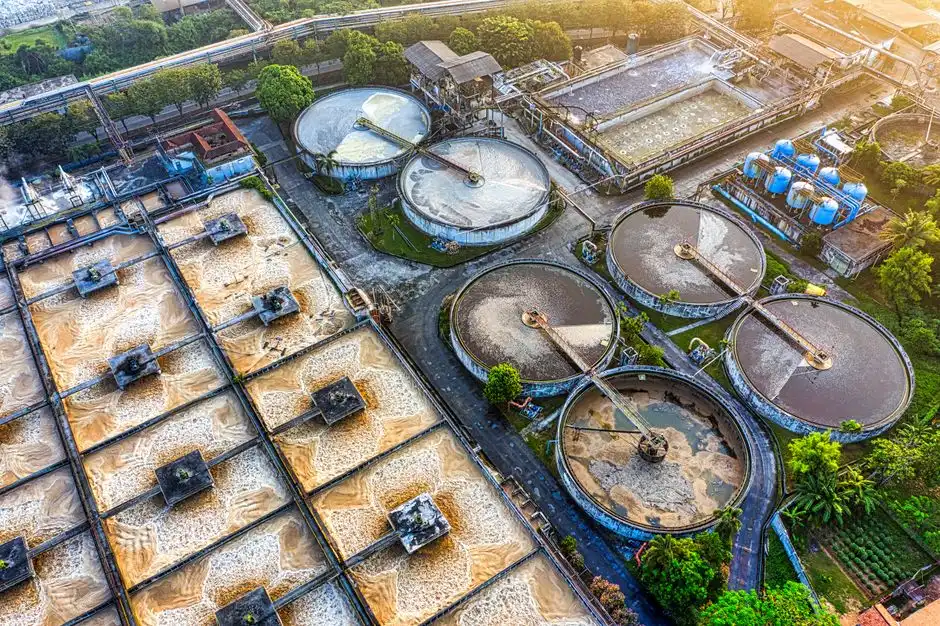
DAF is the stronger starting candidate when suspended solids, FOG, oil, grease or colloidal matter must be removed; lamella clarification is more suitable when the treatment chemistry produces flocculated solids that can be separated using sludge recirculation and inclined plates. The decision should follow the confirmed wastewater profile and the required solids-removal duty, not a generic preference for one equipment type.
HydropureWater’s DAF range covers 4–300 m³/h across 13 standard models, while its lamella clarifier guidance states surface loading rates of 20–40 m/h and chemical-consumption reductions of up to 30% (HydropureWater, 2026). The latter figure is a manufacturer-stated result with its stated scope, not a guaranteed saving for every Columbus installation.
| Decision point | Prefer DAF when | Prefer lamella clarification when |
|---|---|---|
| Primary removal target | Oil, FOG, colloids or mixed floatable solids | Flocculated or precipitated solids |
| Process context | Removal is needed before or alongside heavy-solids separation | Flocculation and sludge recirculation fit the process |
| Sludge handling | Float sludge and aqueous sludge need a defined route | Recirculated sludge and clarified solids can be handled consistently |
| Footprint | Compare the complete DAF, equalization and sludge-handling arrangement | Compare inclined-plate height, recirculation equipment and sludge handling |
| Final basis | Permit, characterization and demonstrated operating envelope | Permit, characterization and demonstrated operating envelope |
Both routes require protection from debris and oversized solids. The mechanical bar screen belongs on the protected collection route upstream of the selected treatment equipment, not as an accessory added after flotation. This metals wastewater DAF and clarifier decision guide provides a useful comparison framework, but the Columbus permit and site data remain controlling.
Treat the sludge and protect downstream equipment
Clarification is not the end of the treatment train: sludge generation, characterization, storage, transport and disposal belong inside the pretreatment scope. Residual solids can accumulate in the collection system, increase downstream maintenance demand and contribute to a sewer-limit exceedance if the liquid discharge is not properly controlled.
When industrial sludge dewatering is required, a plate and frame filter press for pretreatment sludge can be evaluated for liquid-solid separation. HydropureWater offers filtration areas from 1 m² to 500 m² with manual, hydraulic or fully automatic PLC-controlled operation (HydropureWater, 2026). Selection should follow measured sludge generation, solids characteristics, filtrate quality, cake handling and the disposal route rather than filter area alone.
Final pH adjustment and solids removal must both occur before discharge. A clear discharge sample does not justify bypassing a solids-removal stage if the solids have merely been redirected to an unverified sludge stream. Likewise, a sludge-handling problem should trigger a process review rather than an attempt to meet the sewer limit by sending more unresolved solids downstream.
Material selection should follow the actual corrosion exposure. GetChemReady identifies stainless steel as widely used because it resists corrosion and rust, while carbon steel, aluminum and nickel alloys are also used according to the application (GetChemReady, 2026). Chemical compatibility, cleaning requirements and structural conditions should be reviewed together; corrosion resistance alone does not establish suitability for every reagent.
Control batch discharges and document sustained compliance
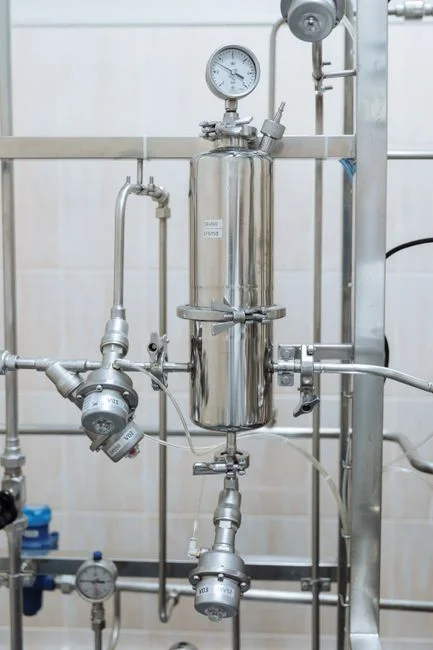
Sustained compliance depends on automatic, calibrated chemical injection and an operating sequence that reacts to changing batch conditions. Each metering pump should have a calibration column and stroke-count totalizer because fixed manual settings do not adequately control batch-discharge streams (HydropureWater, 2026). These records must be reconciled with chemical deliveries, flow data, pH and final discharge results.
Set level, flow, pH and dosing interlocks around equalization, treatment and diversion. Define the alarm condition, operator response, maximum permitted batch duration and restart authorization before commissioning. A protective diversion should isolate the upset from the sewer while preserving the wastewater for treatment; it is not an alternative treatment or disposal route.
| Control record | What it demonstrates | Review trigger |
|---|---|---|
| Chemical calibration and stroke totals | Actual dosing rather than an unverified set point | Batch response, abnormal consumption or changing wastewater chemistry |
| Level and flow trends | Equalization and diversion behavior | High level, hydraulic overload or unexpected discharge timing |
| Continuous pH records | Performance of reduction, oxidation, precipitation and final pH control | Excursion at any controlled stage |
| Composite samples | Concentrations against permit, categorical parameters and stricter local limits | Result above the governing limit or outside the demonstrated envelope |
| Upset and maintenance logs | Cause, response, recovered operating condition and release disposition | Any diversion, chemical interruption or treatment-capacity loss |
Composite sampling should follow the current industrial user permit, applicable PSES or PSNS parameters and the stricter Columbus POTW local limits (HydropureWater, 2026). Sewer-limit exceedances usually reflect an upset, inadequate control or a treatment step that cannot perform as designed; review all three rather than treating every event as a laboratory discrepancy.
Do not accept “meets sewer limits” as a performance statement unless the governing limit and demonstrated operating envelope are identified. Reserve polishing for an identified need such as tighter POTW limits, water reuse or a future requirement. Before acceptance testing, compare each treatment step with its governing limit and review the monitoring and sampling records that demonstrate operation across expected batches. This industrial ETP control framework illustrates the broader operating logic, but Columbus requirements remain site-specific.
Frequently Asked Questions
What documents are needed before sizing wastewater treatment for a Columbus fabricated metals plant?
Request the current industrial discharge or industrial user permit, the Columbus POTW local-limit table, sewer-use requirements, the control authority’s Part 433 applicability determination, and site wastewater characterization. These documents must be reviewed together because the most stringent applicable requirement controls (US EPA, 2026; us.citylaws.org, 2026).
How much should a Columbus wastewater treatment system cost?
No defensible price can be given without the permit limits, flow profile, constituent concentrations, batch schedule, treatment chemistry and sludge-disposal requirements. Ask each bidder for a priced equipment schedule, design basis, capacity basis, controls scope, installation inputs and exclusions. The wastewater treatment cost breakdown framework explains the cost categories to request without supplying a Columbus quotation.
Should the plant choose DAF or a lamella clarifier?
Choose DAF when the verified duty includes oil, FOG, colloids or floatable solids. Choose lamella clarification when the wastewater supports flocculation, sludge recirculation and inclined-plate separation of precipitated solids. This is a wastewater-based decision, not a universal equipment ranking; use the DAF and clarifier comparison as a technical screening framework.
Can protective diversion handle excess batch wastewater?
No. Diversion to equalization protects the sewer during an upset, but the retained wastewater still requires treatment and an authorized disposition. Operators need defined interlocks, upset response procedures and records showing when discharge is again permissible.
What should a buyer verify before selecting an equipment supplier?
Verify that the supplier will size against the Columbus permit, current local limits, site data and categorical determination—not generic ranges alone. Require a proposed treatment sequence, control narrative, chemical basis, capacity envelope, calibration provisions, monitoring outputs, commissioning tests and sludge-management plan. Omitting monitoring or operating records can undermine the compliance case even when the installed equipment performs during a supplier test.
Related Equipment
- DAF system for metalworking pretreatment — specifications, capacity range, and technical data