Is SBR suitable for fish processing wastewater?
An SBR can treat fish processing wastewater, but it should normally follow removal of solids, fats, oils and greases because these streams contain high organic loads, proteins, lipids and suspended solids. In a Korean study, a 2-hour anaerobic, 6-hour aerobic and 3-hour anoxic SBR cycle achieved average removals of 91% for COD, 95% for BOD and 67.1% for total nitrogen. Salinity remains a design concern: increasing NaCl from 5 to 30 g/L improved sludge settleability but reduced organic removal. Final suitability depends on flow variability, wastewater temperature, pH, salinity, nutrient targets and permit limits, with pilot testing recommended before full-scale procurement.
That evidence supports an SBR as a credible biological option, not a universal plant configuration. Fish-processing wastewater varies with the products processed, water use, cleaning practices and discharge schedule. It may contain blood, fish residues, oils and fats, nutrients, suspended solids and cleaning chemicals. The 2026 biological treatment design guide provides useful background on process selection, but the fish-processing study remains the more direct SBR evidence.
The US EPA describes sequencing batch reactors as particularly suitable for low or intermittent flow conditions. That is potentially favorable for a fish plant, but an intermittent discharge is not automatically an intermittent load: a short batch can contain the accumulated pollutant load from an entire production period. The buyer therefore needs both flow and load records, not just average daily flow.
Published removal figures should be treated as a starting point for design discussions. The Journal of Korean Society of Water and Wastewater study, titled Treatment of Fish Processing Wastewater Using Sequencing Batch Reactor, did not establish a guarantee for every fish-processing site. Reactor selection still depends on the actual wastewater, selected cycle, temperature, salinity, retention time and applicable effluent requirements.
Wastewater characteristics that drive SBR design
An SBR cannot be sized from product labels or a general COD range; it must be designed around a source-separated wastewater audit. Separate washing, clean-in-place, refrigeration cleaning, processing and floor-wash streams because they differ in flow, solids, fat, salt and chemical content. Mixing them before characterization can conceal the batch loads that the reactor will actually receive.
The US EPA’s Wastewater Technology Fact Sheet: Sequencing Batch Reactors, published in September 1999, identifies design flow, maximum daily flow, BOD5, TSS, pH, alkalinity, wastewater temperature, TKN, ammonia nitrogen and total phosphorus as core influent inputs. Industrial projects also require site-specific parameters. For fish processing, oil and grease, chloride or conductivity, cleaning-chemical contributions and the duration of each discharge are equally important.
Wageningen University and Research reported that, in the Philippine fish-canning context studied, suspended solids were mainly proteins and lipids. Its thesis also reported that 1–6% of raw fish weight entered wastewater streams and 40–60% became solid waste. Those results show why solids and lipid removal are process issues, not merely operating details.
Test salinity across the actual production range. In the Korean fish-processing study, increasing NaCl from 5 to 30 g/L enhanced sludge settleability but decreased organic removal; influent NaCl had a considerable relationship with COD removal. The practical lesson is that better settling does not automatically mean better treatment.
| Measurement | Why it affects SBR design |
|---|---|
| Average and maximum flow; batch duration | Sets fill capacity, basin count, equalization requirements and downstream flow control. |
| COD and BOD5 | Defines biodegradable organic loading and the biological reaction capacity required. |
| TSS, oil and grease | Indicates pretreatment needs and the risk of excessive solids loading or sludge flotation. |
| TKN, ammonia nitrogen and total phosphorus | Determines whether nitrification, denitrification or phosphorus removal must be included. |
| pH, alkalinity and temperature | Influence biological rates, nitrification and chemical demand. |
| Chloride or conductivity and salinity | Tests whether the biological population and settling response can tolerate the process water. |
A practical audit should include sampling across production, cleaning and shutdown periods rather than relying on a single composite sample. A DAF pretreatment system for fish processing wastewater should be evaluated using measured solids and fat loads, not simply because the process is known to produce oily wastewater.
Recommended treatment train for an SBR-based plant
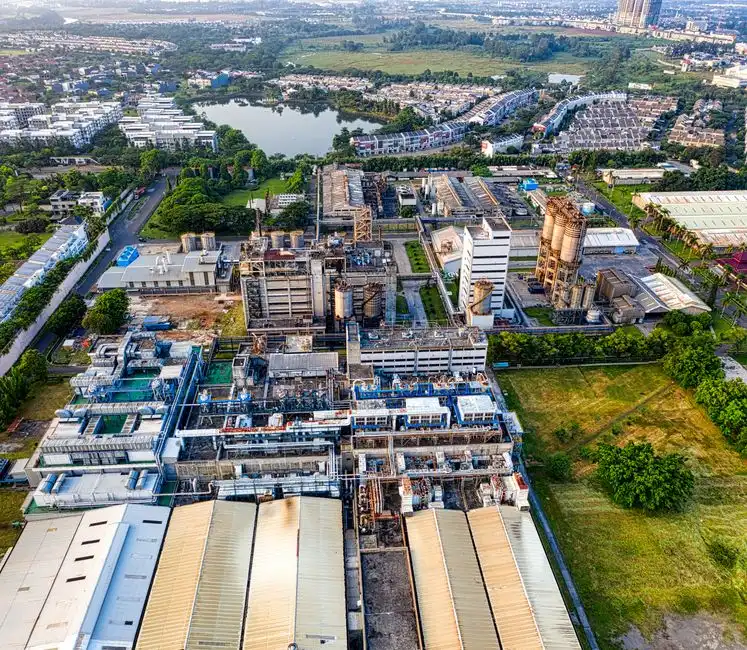
A defensible process train separates coarse material, biodegradable solids and fat before the SBR, then controls the biological load and routes the treated batch into downstream treatment. The sequence should be defined from the wastewater audit rather than copied from a generic fish-plant layout.
- Screen the wastewater. Install a rotary mechanical bar screen for wastewater headworks to remove bones, scales, heads, fins and other coarse material that could damage pumps or overload the biological stage.
- Equalize batch discharges where necessary. Equalization should cover production variation, cleaning peaks and the mass load released during a batch, not merely average flow.
- Remove suspended solids, fats, oils and greases. Evaluate DAF because it can recover floatable fish residues and oil before biological treatment. The EPA notes that primary clarification may be recommended when TSS or BOD exceeds 400–500 mg/L, based on historic data and manufacturer review (US EPA, September 1999).
- Apply biological treatment in the SBR. Select the cycle through industrial treatability work, using site-specific organic, nutrient and salinity data.
- Control downstream hydraulics. The EPA states that equalization may be required after an SBR when filters would otherwise have to accept the complete batch flow.
- Provide a complete solids-handling route. An SBR eliminates separate return activated-sludge and primary-sludge pumps in the EPA’s municipal comparison, but it still produces excess biomass requiring storage, disposal or dewatering.
| Process stage | Primary engineering function | Design question to resolve |
|---|---|---|
| Headworks | Remove coarse solids and protect downstream equipment. | What are the peak solids and grit loads from each production stream? |
| Equalization | Blend or buffer batch flow and pollutant loads. | Is volume needed before the SBR, after it, or at both locations? |
| DAF or equivalent | Recover suspended solids and floatable fats, oils and greases. | What removal performance is demonstrated on site wastewater? |
| SBR | Remove biodegradable organics and, where required, nitrogen. | What cycle maintains treatment and reliable settling under variable loads? |
| Polishing | Meet the selected discharge or reuse requirement. | Is filtration or disinfection needed, and can it accept batch flow? |
| Sludge treatment | Concentrate and dispose of waste biomass and DAF residuals. | What storage, dewatering and disposal route is included in the project scope? |
For the residuals, include sludge dewatering equipment for an SBR waste-treatment plant in the evaluation rather than treating sludge handling as an ancillary item.
How the SBR cycle removes organics and nitrogen
The EPA defines an SBR as a fill-and-draw activated-sludge system whose basic sequence is Idle, Fill, React, Settle and Draw. Equalization, biological treatment and secondary clarification occur within the timed reactor sequence, and two or more reactors may operate in a predetermined sequence (US EPA, September 1999).
The fish-processing study used a 2-hour anaerobic, 6-hour aerobic and 3-hour anoxic reaction sequence. This is one researched operating method, not a default cycle for every installation. Anaerobic and anoxic periods provide conditions for different biological reactions, while the aerobic period supports aerobic degradation of biodegradable organics and nitrification.
For nitrogen removal, the sequence must connect aerobic nitrification with anoxic denitrification. During anoxic operation, nitrate is used as the electron acceptor and converted to nitrogen gas. The Korean study reported average total-nitrogen removal of 67.1%, but a plant targeting a tighter limit would need to verify nitrate formation, residual carbon availability and cycle adequacy under its own wastewater.
The same study estimated a biomass yield coefficient of 0.35 gMLSS/gCODremoved, a microbial decay coefficient of 0.015 day−1 and a bioreaction rate constant of 0.209 hr−1. These values belong to the investigated fish-processing system and are suitable for design discussion, not automatic design constants for another feed.
| Design item | Evidence-backed reference | Procurement interpretation |
|---|---|---|
| Reaction sequence | 2-hour anaerobic, 6-hour aerobic and 3-hour anoxic operation in the Korean fish-processing study | Use as a pilot starting point, then adjust from treatability results. |
| Biomass yield coefficient | 0.35 gMLSS/gCODremoved in the Korean study | Require the supplier to state how its sludge estimate uses the selected cycle and loading. |
| Microbial decay coefficient | 0.015 day−1 in the Korean study | Ask whether site temperature and waste characterization justify the selected model. |
| Bioreaction rate constant | 0.209 hr−1 in the Korean study | Compare kinetics only on equivalent temperature and feed assumptions. |
| Industrial design examples | EPA: 4.0–24-hour cycles, 2,000–4,000 mg/L MLSS and 0.15–0.6/day F:M ratio | These are example criteria for pilot and vendor design work, not universal fish-plant requirements. |
Design risks for salty, high-strength fish wastewater
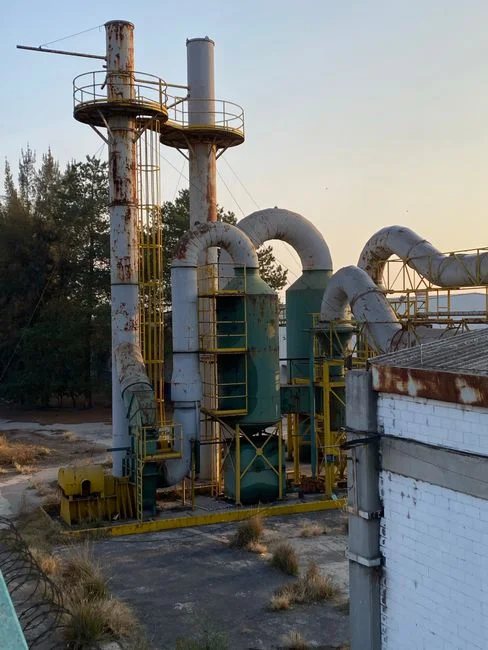
Salinity can create a misleading operating trade-off: sludge may settle more readily while COD removal deteriorates. In the Korean fish-processing study, increasing NaCl from 5 to 30 g/L improved settleability but reduced organic removal; NaCl had a considerable relationship with COD removal, although it did not significantly affect nitrogen removal. A settling-only acceptance test could therefore conceal a treatment failure.
Fats and proteins create a second risk because they contribute to solids loading and can interfere with biological treatment or sludge separation. Wageningen University and Research advised lipid removal before a high-rate methanogenic reactor because high lipid levels can inhibit methanogenesis and interfere with lipid hydrolysis. Although that advice concerns anaerobic treatment, it reinforces the need to control fat upstream when evaluating biological alternatives.
The EPA identifies three SBR-specific operating risks: floating or settled sludge may discharge during decanting; aeration devices may plug during selected cycles; and equalization may be needed after the reactor, depending on downstream processes (US EPA, September 1999). These are design and maintenance items that should appear in the supplier’s performance tests and control philosophy.
Programmable cycle control provides flexibility, but it also creates dependency on reliable timers, valves, aeration equipment, decanter positioning and interlocks. The automatic chemical-dosing system should be assessed where nutrients, alkalinity or pH require chemical correction; dosing demand must come from site data rather than a generic assumption.
| Risk | Operational consequence | Mitigation to specify and test |
|---|---|---|
| Salinity variation | Lower organic removal despite improved sludge settling. | Test across the expected salinity range and monitor COD removal and settleability together. |
| Excess fat and solids | Overloaded biology, floatation, decanter carryover and poor separation. | Demonstrate upstream DAF performance on representative wastewater. |
| Batch discharge | Biomass upset or downstream filter overload. | Provide adequate equalization and verify controlled discharge to each downstream unit. |
| Plugged aeration devices | Reduced oxygen transfer and unstable biological performance. | Specify accessible diffusers, maintenance access and a fouling-response plan. |
| Control-system failure | Missed phases, overdrawn effluent or uncontrolled biomass loss. | Require alarms, interlocks, manual recovery modes and documented preventive maintenance. |
How to pilot, specify and compare SBR suppliers
The EPA states that industrial wastewater applications typically require treatability studies to determine the optimum operating sequence (US EPA, September 1999). For fish processing, that study should use site wastewater and challenge the proposed cycle across representative production, cleaning and salinity conditions.
Issue the same design-basis request to every bidder: design flow, maximum daily flow, batch duration, temperature range, pH, salinity, COD, BOD5, TSS, TKN, ammonia nitrogen, total phosphorus, oil and grease, and the applicable sewer or discharge requirements. Without these inputs, a price or removal guarantee has no comparable basis.
Then require each proposal to state proposed cycle times, basin count, MLSS target, aeration method, decanter arrangement, equalization volume, sludge-wasting method, and expected energy and chemical use. The supplied research does not establish universal fish-plant energy use, chemical consumption or capital cost, so any forecast should identify its assumptions and calculation basis.
A representative wastewater pilot should verify organic removal, nitrogen removal, settling, decanting and salinity tolerance. Ask the supplier to demonstrate how the commercial configuration differs from the pilot unit; a successful laboratory batch does not by itself validate aeration, controls, decanting or full-scale hydraulics.
Compare guarantees using the same influent definition, sampling frequency, analytical method, guarantee period and operating conditions. Keep published SBR performance separate from contractual commitments. For regulated facilities, confirm the applicable obligations: the US EPA seafood-processing effluent guidelines cover preserving and canning facilities within 40 CFR Part 408, but facility applicability must be checked rather than inferred from the product description.
| Supplier package | Required content | Buyer check |
|---|---|---|
| Design basis | Actual wastewater characteristics, flow basis, batch profile and discharge route. | Do all bidders use the same influent and effluent definitions? |
| Process design | Cycle, basins, MLSS, aeration, decanter, equalization and sludge wasting. | Does the proposal include pretreatment and downstream flow control? |
| Pilot evidence | Representative wastewater, analytical results and operating log. | Were salinity, settling and decanting tested? |
| Performance guarantee | Defined parameters, methods, duration and operating conditions. | Is the guarantee conditional on inputs the plant cannot reliably maintain? |
| Commercial scope | Equipment, installation, controls, training, maintenance and sludge handling. | Are exclusions and lifetime costs visible? |
Where pretreatment limits need local review, use the food and beverage plant pretreatment requirements as a procurement reference rather than relying on generic equipment selection.
When SBR is the right choice—and when it is not
An SBR is a strong candidate when flow is low or intermittent, biological treatment is appropriate, solids and fat can be controlled upstream, equalization is feasible and footprint is constrained. Its integrated timing, settling and draw sequence can suit a variable industrial flow, provided the control system handles actual batch discharges rather than an idealized average.
Choose a different configuration—or add substantial pretreatment—when fats, oils and greases, suspended solids, salinity or batch peaks cannot be controlled before biological treatment. A pretreatment target based only on published averages will not establish a reliable inlet to the reactor.
For high-strength organic wastewater with energy-recovery objectives, evaluate anaerobic treatment alongside the aerobic SBR. Wageningen University and Research identified high biodegradable-organic potential and possible net biogas production in fish-processing wastewater, while also warning that lipid removal is needed before a high-rate methanogenic reactor.
Where stringent reuse water is required, add an appropriate polishing stage and account for batch hydraulics. An MBR or ultrafiltration concept may be relevant where the required separation exceeds what an SBR can deliver, but the choice must follow pilot solids data and the reuse specification. The integrated wastewater treatment configuration and ultrafiltration system for reuse applications should therefore be evaluated as alternatives or downstream stages, not assumed additions.
| Decision condition | Preferred path | Reason |
|---|---|---|
| Low or intermittent flow with controllable organic loading | SBR after screening and solids/fat removal | Matches the EPA’s stated SBR applicability and supports flexible timed operation. |
| High fat, solids or salinity entering the reactor | Additional pretreatment, then reassess the biological process | Protects biological treatment, settling and equipment reliability. |
| Batch peaks exceed manageable biological or downstream loading | Expand equalization and review flow-through or multi-reactor alternatives | Controls both hydraulic and pollutant-load disturbances. |
| Energy recovery is a project objective | Evaluate anaerobic treatment, with lipid control | Fish-processing organics may support biogas generation, subject to site evaluation. |
| Stringent reuse requirement | Add polishing based on pilot solids performance | Confirms whether biological treatment alone meets the reuse specification. |
The final selection should be based on site wastewater, pilot results and permit-specific targets. Literature averages are evidence that the process can work; they are not a substitute for demonstrating performance on the plant’s wastewater.
Frequently Asked Questions
What removal performance can an SBR achieve for fish processing wastewater?
In the Journal of Korean Society of Water and Wastewater study, the 2-hour anaerobic, 6-hour aerobic and 3-hour anoxic cycle achieved average removals of 91% for COD, 95% for BOD and 67.1% for total nitrogen. These are published study results, not guaranteed performance for every installation. A supplier should guarantee only the parameters, influent conditions, sampling methods and period defined against your actual wastewater.
How much does an SBR treatment system cost for a fish processing plant?
The supplied research provides no universal price for an SBR serving fish processing wastewater. A defensible quotation requires the design and maximum flows, wastewater characterization, pretreatment needs, salinity and temperature range, batch schedule, effluent or sewer limits, sludge-handling scope and required guarantee. Request capital cost, installation, controls, commissioning, training, energy, chemicals and sludge-disposal assumptions separately so that exclusions and operating-cost drivers are visible.
Should fish processing wastewater be treated by DAF before entering the SBR?
DAF should be evaluated when measured wastewater contains suspended solids or fats that would overload or interfere with biological treatment. Wageningen research found proteins and lipids to be important suspended-solid components in the fish-canning context studied, while the EPA notes that primary clarification may be recommended above its stated TSS or BOD screening threshold. Confirm the need through an audit, pilot testing and a solids balance.
What information should a buyer provide before requesting an SBR proposal?
Provide design and maximum flows, batch duration, source-separated wastewater composition, COD, BOD5, TSS, TKN, ammonia nitrogen, total phosphorus, oil and grease, pH, alkalinity, temperature, salinity or chloride, and the applicable discharge or sewer requirements. Also provide production schedules, cleaning practices, available footprint and downstream reuse or disposal constraints. These inputs allow bidders to compare proposals on the same basis.
How will high salinity affect SBR performance and sludge settling?
High salinity can improve settling while reducing biological removal. In the Korean study, increasing NaCl from 5 to 30 g/L enhanced sludge settleability but decreased organic removal; NaCl had a considerable relationship with COD removal. Evaluate the actual salinity range during pilot testing and monitor COD removal as well as settling. A wastewater plant preventive maintenance checklist should cover aeration, decanting and sludge observations under each tested salinity condition.
Related Equipment
- DAF pretreatment system for fish processing wastewater — specifications, capacity range, and technical data