Which Limits Apply to a Sidney-Area Sewer Discharge?
A mine or metals plant discharging to a Sidney-area POTW must reconcile the applicable federal mining standards, NPDES permit conditions, POTW local limits, sewer-use requirements and any connection approval. EPA states that NPDES permits establish discharge limits and conditions for industrial sources, while POTW pretreatment limits apply at the end-of-pipe connection and protect the treatment works, sludge process and receiving waters. The practical route is to characterize each wastewater stream, identify the pollutants that control treatment, select a compatible process train and verify performance through sampling and operating records.
The governing authority cannot be selected from “Sidney” alone. Confirm the receiving POTW, sewer-use ordinance, pretreatment program, current permit, local-limit worksheet, monitoring conditions and fee schedule with the receiving agency and applicable permitting authority. Do not assume that an NPDES permit covering a direct mine discharge also authorizes a connection to a POTW.
| Compliance layer | What the buyer must establish | Decision use |
|---|---|---|
| NPDES mining permit | Whether the proposed point source is covered, and whether any authorization is required for the sewer connection or discharge path. | Defines the applicable permit conditions and monitoring obligations. |
| 40 CFR Part 436 | The federal mining baseline and the subpart corresponding to the operation. | Provides the baseline, but does not replace local or permit requirements. |
| POTW pretreatment limits | Current numeric or narrative limits for each applicable pollutant. | These apply at the industrial user's connection and commonly control equipment acceptance. |
| Sewer-use and connection requirements | Prohibited discharges, permit conditions, monitoring, reporting and fees. | Defines the legal route for connection and continuing operation. |
EPA describes pretreatment local limits as site-specific numeric or narrative discharge limits, including best management practices, intended to address the needs and concerns of the POTW, its sludge and receiving waters. EPA also identifies local limits as enforceable pretreatment standards when developed and approved under 40 CFR Part 403.5(c) (EPA, Industrial Wastewater and Pretreatment Standards and Requirements—Local Limits, 2026).
Federal mining wastewater guidelines at 40 CFR Part 436 remain part of the baseline, but reserved subparts carry no current numeric effluent limits. The supplied HydropureWater source identifies Dimension Stone (A), Lightweight Aggregates (H), Lithium (U), Ball Clay (AH), Feldspar (AI), Talc/Steatite/Soapstone/Pyrophyllite (AJ) and Garnet (AK) as reserved subparts relevant to some Southeast mineral operations (HydropureWater, 2026-02). For those operations, the POTW requirements and permit conditions can constitute the entire enforceable limit set. The related mining pretreatment compliance guide illustrates why federal and local requirements must be reconciled.
Characterize Each Wastewater Stream Before Selecting Equipment
Each discharge stream must be characterized separately because dilution at a common outfall can conceal the acidity, metals or solids that determine the treatment design. A single blended sample may hide an acidic dewatering slug, ore-processing reagent residue and a high-TDS tailings-pond bleed, even when the combined sample appears manageable (AMPAC USA, 2025-09; HydropureWater, 2026-02).
| Stream | Characteristic contaminants or conditions | Characterization focus |
|---|---|---|
| Dewatering discharge | Composition changes sharply with geology and may include elevated metal loading or acidity. | Test pH, metals and suspended solids during normal and upset conditions. |
| Ore-processing water | Fine solids, metals, high TDS and process reagents may be present. | Test metals, TSS, pH and relevant process chemicals such as cyanide, ammonia or chloramines. |
| Tailings-pond effluent | Fine tailings, processing chemicals and leached metals. | Test suspended solids, metals, pH and conductivity. |
| Stormwater or other contact water | Runoff can transport site solids, oils and contaminated sediment. | Identify whether the flow is continuously discharged, segregated or excluded from the sewer. |
Build the sampling plan around suspended solids and fine tailings; iron, manganese, copper, zinc, arsenic and cadmium; and, where relevant, cyanide, ammonia or chloramines. Request a representative pH and metal profile for every stream, together with peak and average flow in m³/h. The supplied research identifies four inputs for accurate sizing and pricing: peak and average flow, stream-specific influent data, current local limits and the desired recovery percentage (EPA, 2026-02; LiqTech, 2025-08).
Collect representative rounds during normal operations and document known upset conditions, but do not invent a sampling frequency. Confirm monitoring frequency and sampling protocol with the POTW and permit. During sampling, record whether flow is continuous, intermittent or caused by rainfall, and whether streams can be isolated before treatment.
Wastewater from acid mine drainage, ore processing and aggregate washing should not be treated as interchangeable. AMD chemistry depends on sulfide minerals exposed to oxygen and water, while process water may contain reagents and salts that change chemical demand, membrane compatibility and sludge characteristics (AMPAC USA, 2025-09). Jar tests should therefore be performed on the actual stream, not inferred from a generic mining-water recipe. A site-specific comparison of DAF versus lamella clarifier for mining wastewater provides a useful decision framework, but influent testing remains the controlling evidence.
Build a Treatment Train That Removes the Binding Pollutants
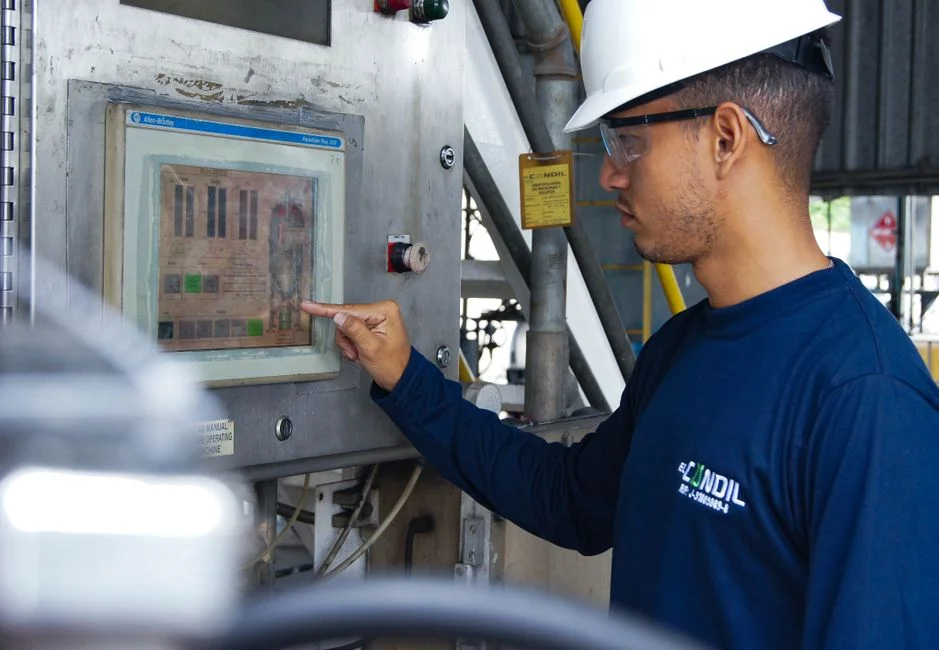
The required treatment train follows the contaminants identified during characterization: stream segregation and equalization, pH correction, coagulation/flocculation, solids separation, multimedia filtration, optional UF and RO, monitoring and sludge dewatering (HydropureWater, 2026-02).
1. Segregate and equalize. Keep acidic, reagent-bearing and high-solids streams identifiable through equalization. Equalization moderates short slugs, but its required volume must follow the measured flow history and operating strategy.
2. Correct pH and precipitate metals. Raising pH supports metal hydroxide precipitation and gypsum removal. The supplied source says lime is often used to reach pH greater than 10, but that is a chemical-treatment reference rather than a universal Sidney setpoint; establish the final value through jar and pilot testing against the stream’s metal profile and local limits (PMC review, 2024-02; HydropureWater, 2026-02).
3. Coagulate and flocculate. Coagulants and flocculants convert suspended solids and fine metal particles into flocs that can be separated before filtration (Genesis Water Technologies, 2026). Dose selection should follow the actual solids, metals, pH and chemistry rather than a generic feed rate.
4. Select the solids-separation method. Choose an industrial DAF system for mining wastewater when floc is buoyant, oils are present or floatable fines dominate. Choose a lamella clarifier when dense metal-hydroxide sludge, sludge volume and footprint drive the design and significant oil loading is absent (Genesis Water Technologies, 2025-11).
| Condition | Preferred separation stage | Basis |
|---|---|---|
| Buoyant floc, floatable fines or oil-bearing influent | DAF | Matches the separation mechanism to the buoyant solids and skimming requirement (Genesis Water Technologies, 2025-11). |
| Dense metal-hydroxide sludge with no significant oil loading | Lamella clarification | Supports compact separation when sludge volume and footprint are principal constraints (Genesis Water Technologies, 2025-11). |
| Residual turbidity and colloids before membranes | Multimedia filtration | Protects downstream UF and RO; specify the required filtered-water SDI rather than inlet turbidity (HydropureWater, 2026-02). |
| Dissolved metals or salts remain after filtration | UF and industrial RO | UF addresses fine colloids; RO provides the dissolved-load barrier (AMPAC USA, 2025-09). |
| Metal-hydroxide residuals require dewatering | Filter press | Separates the liquid stream from the metal-bearing sludge cake (LiqTech, 2025-08). |
5. Polish only as required. Multimedia filtration should precede UF or RO. Use UF where fine colloids remain and industrial RO where dissolved metals or salts require removal. The supplied source reports greater than 99% rejection of dissolved metals and salts for RO, but also directs buyers to request a recovery curve rather than relying on a nameplate figure (AMPAC USA, 2025-09).
6. Integrate controls and manage sludge. Use a PLC-controlled chemical dosing skid linked to an HMI with continuous pH, flow and conductivity monitoring. Then specify sludge capture and dewatering rather than treating the liquid line as a complete treatment system. The cited RO recovery ranges—50–70% for AMD feed and 70–85% when RO precedes thermal zero-liquid-discharge—are application-specific figures from AMPAC USA (2025-09), not default Sidney design values.
Match Equipment to Stream Conditions and Commercial Constraints
Equipment capacity must follow the highest anticipated discharge and the chemistry of each stream, not a catalog maximum or average plant flow. The supplied HydropureWater information lists 13 DAF models with capacities from 4 to 300 m³/h; use that range as a screening reference and verify selected capacity against the documented peak condition (HydropureWater, 2026-02).
For lamella clarification, the supplied source gives surface-loading rates of 20–40 m/h and reports up to 30% lower coagulant consumption than conventional basins (HydropureWater, 2026-02). These figures support a footprint and operating comparison, but they do not replace settling trials using the actual floc.
The supplied UF range is 2,000–40,000 L/h, using 0.03-micron PVDF membranes with automatic backwash and air scour (HydropureWater, 2026-02). The UF system should be assessed against measured colloid load and the RO pretreatment requirement. A multimedia filtration system should be specified around the filtered-water SDI target.
| Equipment or constraint | Sourced reference | Project decision |
|---|---|---|
| DAF | 4–300 m³/h across 13 standard models (HydropureWater, 2026-02). | Select against peak discharge and floatable-solids conditions, not average flow alone. |
| Lamella | 20–40 m/h surface loading; up to 30% lower coagulant use than conventional basins (HydropureWater, 2026-02). | Verify with site settling and floc-density tests. |
| UF | 2,000–40,000 L/h; 0.03-micron PVDF; automatic backwash and air scour (HydropureWater, 2026-02). | Match membrane area and backwash operation to the measured solids and recovery target. |
| RO | Greater than 99% dissolved-metal and salt rejection; application-specific recovery ranges (AMPAC USA, 2025-09). | Require a recovery curve for the actual feed and concentrate disposal route. |
| Filter press | 1–500 m² range in the supplied source (HydropureWater, 2026-02). | Base the quotation on sludge quantity, solids concentration, cake target and operating schedule. |
| Water reuse | 40–60% freshwater-intake reduction reported for the RO polish (AMPAC USA, 2025-09). | State the reuse objective and treatment targets in the basis of design. |
No universal complete-train price was provided in the research. Ask each supplier to demonstrate the same treatment sequence—chemical dosing, separation, multimedia filtration, UF/RO where required and sludge dewatering—at comparable flows and with mining or aggregate references. The industrial RO system should be quoted with feed chemistry, recovery, concentrate handling and membrane-cleaning assumptions, while the plate-and-frame filter press should be priced from measured sludge characteristics.
Turn the Basis of Design into a Defensible Quotation
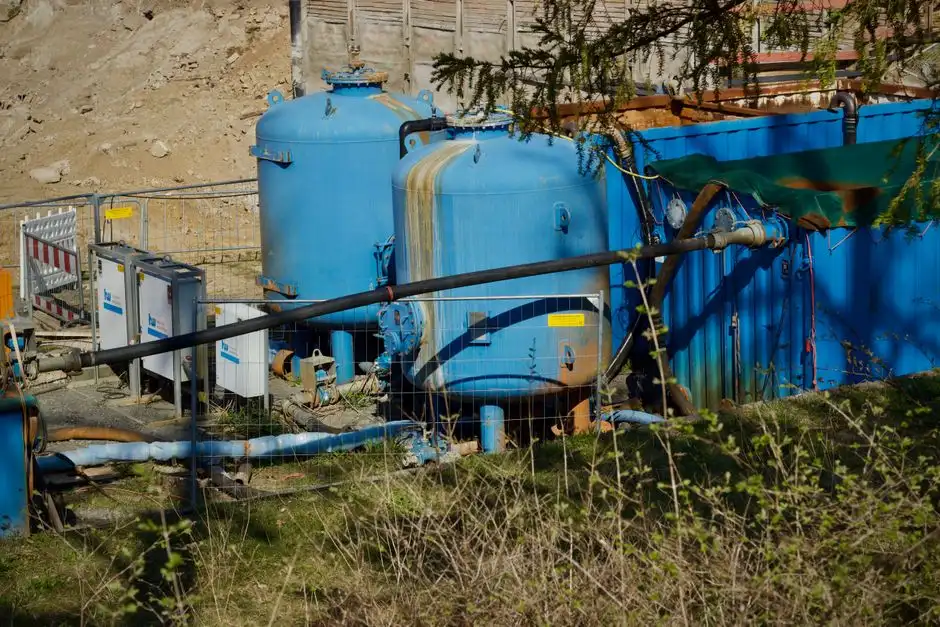
A defensible quotation begins with four documented inputs: peak and average flow in m³/h, a representative pH and metal profile for each stream, current POTW limits for metals, pH and TSS, and the desired recovery percentage if reuse is in scope (EPA, 2026-02; LiqTech, 2025-08).
- Identify every source stream and whether it can be segregated.
- State unit capacities and the design flow assigned to each.
- List chemical assumptions, including reagent concentration and expected consumption.
- Estimate sludge generation and identify its dewatering and disposal route.
- Define PLC/HMI control, alarms, monitoring points and reporting interfaces.
- State explicitly whether UF, RO and sludge dewatering are included.
- Make compliance documentation, startup testing, operator training and operating-cost assumptions acceptance items.
Ask bidders to provide coagulant dosing system design criteria, including control logic, chemical storage assumptions and how dosing changes as stream chemistry shifts. Also request evidence supporting the selected separation method; the supplied research provides no standard complete-train price range, so any project price must be tied to the documented basis of design (AMPAC USA, 2025-09).
Verify installed references at flows in the same order of magnitude. Ask how the supplier will handle variable mining-water chemistry, upset flows, chemical availability and membrane scaling. For a parallel equipment-selection comparison, see the DAF or clarifier buyer’s guide.
Prove Compliance Through Monitoring, Startup and Sludge Controls
Startup testing must demonstrate that the installed process meets the current permit and POTW requirements; supplier performance claims are not substitutes for permit verification. Set the startup sampling plan, compliance monitoring and reporting frequency from those documents, then reconcile the results with the design basis.
Confirm that pH, flow and conductivity instruments feed the PLC/HMI and chemical-dosing controls. Maintain a traceable chain from representative influent sampling through final-effluent testing to sludge handling, because metals can remain in the dewatered sludge even when the liquid discharge passes.
Review treatment trends after slugs, high-total-solids episodes and chemical-reagent changes. Use measured results to adjust equalization, reagent dosage, flocculation or separation performance. Parts and media requirements should also be included in the operating plan so that maintenance does not introduce unverified changes to the treatment sequence.
Frequently Asked Questions
How much does a complete mining wastewater treatment train for sewer discharge cost?
The supplied research provides no standard price range for a complete treatment train. Request a project-specific quotation using four inputs: peak and average flow in m³/h, stream-specific pH and metal profiles, current POTW limits for metals, pH and TSS, and the desired recovery percentage if reuse is in scope. The quotation should also state chemical consumption, sludge quantity, controls, startup testing and whether UF, RO and dewatering are included.
What flow and water-quality data should be used to size the equipment?
Size from peak and average flow, stream-specific chemistry and current POTW limits—not equipment capacity alone. Separate dewatering, processing, tailings and stormwater streams because a blended sample can conceal short-duration pH, metal, TSS or TDS excursions. Use the site’s highest anticipated discharge condition to check hydraulic capacity, and verify the chemical and solids basis with representative samples and pilot testing.
How should a buyer choose between DAF and a lamella clarifier?
Choose DAF when floc is buoyant, oils are present or floatable fines dominate; choose lamella clarification for dense metal-hydroxide sludge when sludge volume and footprint are principal constraints and significant oil loading is absent (Genesis Water Technologies, 2025-11). Confirm that choice with settling or flotation trials using the actual wastewater and flocant program.
What compliance documents must be reconciled before startup?
Reconcile the NPDES permit, applicable 40 CFR Part 436 requirements, POTW pretreatment limits, sewer-use requirements and any connection or discharge permit. EPA identifies the NPDES permit as the authorization for point-source mining discharges and explains that POTW local limits apply at the industrial user’s end-of-pipe connection. Startup should proceed only after the agency confirms the applicable limits, monitoring requirements and connection authorization.