DAF or Clarifier for Mining Wastewater in Valdez: The 2026 Decision
For mining and metals wastewater in Valdez in 2026, choose dissolved air flotation when floatable oil, FOG, lightweight solids or conditioned colloids dominate; choose a gravity or lamella clarifier when heavy solids settle readily. Neither process independently removes dissolved metals. The defensible choice requires source-specific wastewater characterization, peak hydraulic and solids loads, chemical conditioning, effluent goals, pretreatment and a defined sludge route. Compare bids using the same wastewater and acceptance criteria, then verify capacity from measured loads rather than a catalog model.
The separation mechanism, not the product name, governs the decision. A “flotation clarifier” is a DAF system: conditioned particles attach to microbubbles, rise and are skimmed. A gravity clarifier removes solids by density-driven settling; a lamella clarifier adds inclined plates to improve separation within a compact vessel. Clearwater’s April 27, 2026 equipment description specifies 30–50 micron microbubbles for its DAF systems, but that is a source-specific specification—not a universal Valdez design requirement.
Neither mechanism establishes discharge compliance. DAF can capture particulate or precipitated metals when conditioning makes them floatable or settleable, while a clarifier can capture the same particulate material through settling; dissolved metals require an additional treatment mechanism. The current permit, applicable state requirements and receiving-jurisdiction rules control the compliance case.
For a Valdez plant, build the basis around individual process, contact and stormwater sources, including batch releases and washdown events. Then document the destination of the treated water and the collection, storage, dewatering and disposal route for each separated solids stream. This approach extends the same logic used in mining and metals wastewater compliance planning and provides a useful regional DAF versus clarifier comparison, but the final decision must reflect Valdez wastewater and permit conditions.
How to Identify the Wastewater Your Separator Must Treat
A separator should be selected from measured contaminant behavior across representative operating conditions, not from one averaged sample. HydropureWater’s 2026 factory guide identifies flow, suspended solids, oils and greases, pH, metals and variability across process, contact and stormwater inflows as core characterization requirements. It also calls for peak flow, batch-discharge profiles, washdown events and each source’s contribution.
Build the sampling program source by source. Record average flow, peak flow, operating duration, discharge concentration, equalization behavior and stormwater contribution. Obtain grab samples across normal production, batch discharge and washdown periods. For each source, test suspended solids, settleable solids, particle-size distribution, pH, oils and greases, total metals and dissolved metals. Where available, record solids density and perform settling observations to distinguish heavy material from fine colloids.
Oil characterization must distinguish free oil from emulsified oil and include temperature and field observations. That evidence determines whether flotation has a credible contaminant to capture. Metal analysis must also distinguish dissolved metal from metal attached to settleable, floatable or precipitated particles, because neither DAF nor gravity clarification directly removes the dissolved fraction.
Do not leave the solids route as an equipment-bid footnote. Document expected sludge volume, moisture content, storage time, withdrawal method, dewatering route, disposal destination and operating labor. A skid that meets the water target but produces sludge the plant cannot store or dewater is not a feasible selection.
| Design-basis input | Evidence to obtain | Decision affected |
|---|---|---|
| Flow profile | Average and peak flow, operating hours, batch releases, washdown events, stormwater contribution and equalization data | Hydraulic capacity, equalization and controls |
| Solids behavior | TSS, settleable solids, particle-size distribution, settling observations and solids density where available | DAF flotation performance or gravity settling capacity |
| Floatable contaminants | Oils and greases, free-versus-emulsified observations, temperature and representative sampling | DAF applicability, skimming and sludge handling |
| Metals | Total and dissolved results with defined sample locations and analytical methods | Need for precipitation or another dissolved-metals process |
| Destination and solids route | Effluent or reuse objective, sludge volume, moisture, storage, dewatering and disposal route | Train completeness and acceptance criteria |
Coarse material may justify separate protection before the separator. A rotary mechanical bar screen can be evaluated where gross solids could damage pumps, valves or downstream equipment, but it does not replace clarification or flotation.
DAF or Lamella Clarifier: Match the Separation Mechanism
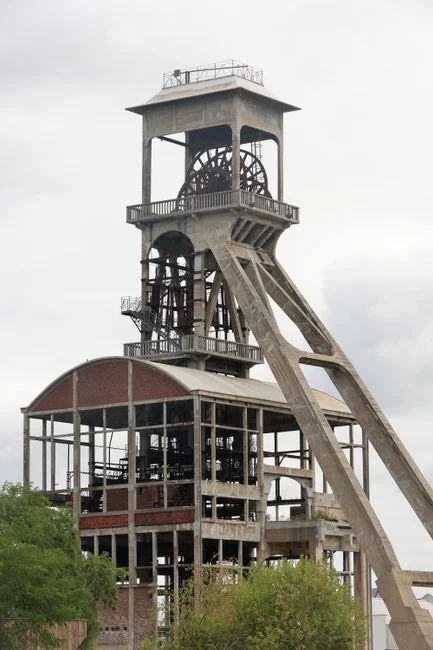
DAF and lamella clarification capture different fractions because they use different physical forces. DAF releases pressurized air as microbubbles; conditioned solids attach to the bubbles, rise and form float that is removed by a skimmer. Heavier material may settle into a bottom collection zone. In contrast, gravity clarification removes material by density-driven settling, while a lamella unit uses inclined plates to shorten the effective settling distance.
DAF is therefore the stronger starting point for floatable oil, FOG, lightweight solids and conditioned colloids. Clarification is the stronger starting point for heavy, readily settleable solids and coarse precipitates. Mixed streams require application-specific testing because a total suspended-solids concentration does not reveal whether the material floats, settles rapidly, settles slowly or remains dispersed.
Coagulation and flocculation are integral to both process options, but the desired floc differs. In DAF, conditioning should create particles large enough and structured enough to contact microbubbles. In clarification, flocculation must support capture in the settling zone. bidders should state chemical assumptions, mixing conditions, dose-control logic and the resulting floc observations rather than treating reagent addition as a generic accessory.
| Selection factor | Dissolved air flotation | Gravity or lamella clarification |
|---|---|---|
| Separation principle | Microbubbles attach to conditioned material; the float is skimmed | Settling by density; lamella plates add inclined separation surface |
| Best contaminant fit | Floatable oil, FOG, lightweight solids and conditioned colloids | Heavy, readily settleable solids and coarse precipitates |
| Conditioning objective | Improve particle size and bubble contact | Form floc that settles and remains within the collection zone |
| Solids withdrawal | Surface float is skimmed; heavier material may collect separately at the bottom | Settled solids are withdrawn from the bottom; lamella systems may recirculate sludge |
| Key design evidence | Flotation response, float stability, skimming and conditioned-solids loading | Settling observations, effective area, sludge collection and flow distribution |
The HydropureWater DAF system should be quoted by separation principle, flotation area, recycle arrangement, skimming capacity and controls. A lamella clarifier for heavy mineral solids should be quoted by effective settling area, inclined-plate arrangement, sludge recirculation, collection system and hydraulic distribution.
Two published references can support an initial bid review but cannot establish Valdez performance. HydropureWater’s catalog gives a lamella surface-loading range of 20–40 m/h, while S1 reports DAF energy consumption of 0.5–1.5 kWh/m³ and an air-to-solids reference of 0.01–0.05 mL air per milligram of solids. These are equipment or screening references, not guaranteed results for site wastewater.
Size the System Around Peak Flow and Solids Loading
Final capacity must cover the measured peak hydraulic condition and the peak solids-production rate, not merely average daily flow. S1 gives a DAF hydraulic-loading range of 2–6 gpm/ft² as an initial comparison range, but the selected unit must be matched to representative flow, loading, operating hours and the proposed conditioning system.
Mass loading can control a mining DAF even when hydraulic loading appears acceptable. Batch releases may raise solids concentration abruptly; a skimmer that can handle average flow may still lose float or overload the sludge route during a batch. Require the designer to state how hydraulic loading, mass loading, surface area and solids-handling capacity change across the operating envelope.
Equalization may be necessary where stormwater, washdown and process batches produce incompatible surges. It should dampen those surges while keeping feed conditions within the selected equipment’s design window. Controls should coordinate flow, level, chemical feed and separator operation. Do not let equalization conceal chronic overload: assess both the controlled peak and the sustained solids load.
A catalog model is not a design. HydropureWater’s 2026 DAF catalog lists 13 models across 4–300 m³/h; that published range describes available scale, not the required Valdez capacity. Require the proposal to show peak flow, operating hours, batch and washdown events, hydraulic loading, mass loading, flotation or settling area, recycle system and sludge capacity.
Retrofit decisions require a separate engineering audit. Lamella packs may be installed in an existing basin if structure, flow distribution and collection arrangements are suitable. An existing tank cannot be assumed suitable for pressure-rated DAF service. For either route, verify structural condition, available footprint, piping, utilities, controls and the downstream sludge capacity.
Build a Treatment Train Around Pretreatment and Sludge
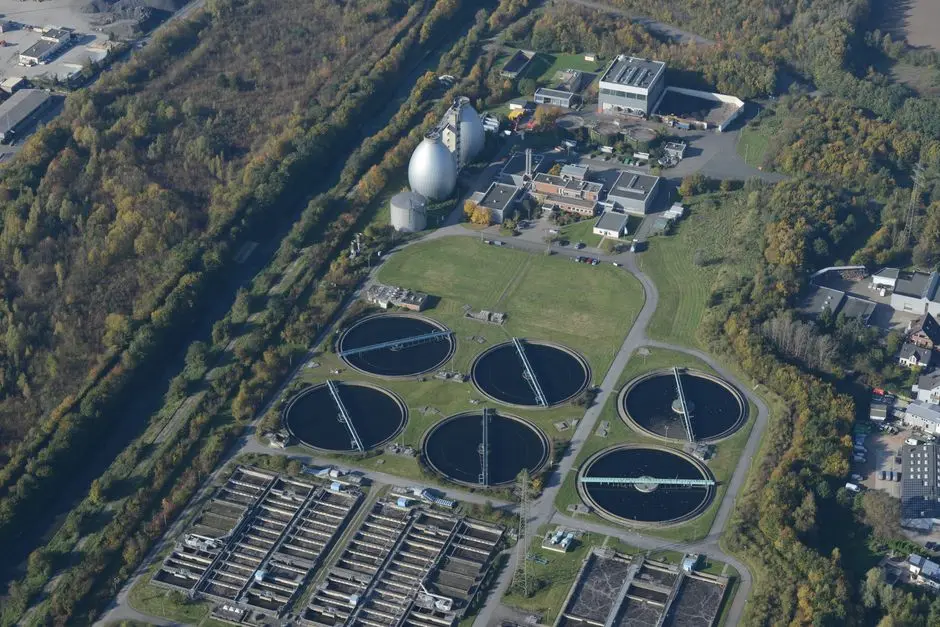
A defensible treatment train normally follows this sequence:
- Equalization and source segregation
- Coarse screening where needed
- pH control and chemical conditioning
- Primary separation
- Sludge withdrawal and storage
- Sludge dewatering
- Final discharge or reuse
Each stage needs a design boundary and owner. A rotary mechanical bar screen protects downstream equipment from gross solids but does not remove dissolved contaminants or replace the separator. Chemical conditioning should be integrated with flow, level and pH control through an automatic chemical dosing system, including reagent storage, metering pumps, instruments and control logic.
For a mixed stream containing substantial heavy solids and significant FOG, test a clarification-then-DAF sequence. Define the intermediate solids split, hydraulic load, chemical demand, float and bottom-sludge routes, and whether the second stage adds enough removal to justify its footprint and operating cost. Do not assume that serial equipment is automatically redundant; the decision requires wastewater-specific performance and downstream solids results.
The economic comparison must include downstream handling. S1 reports indicative DAF capital costs of $80,000–$350,000, circular clarifier equipment costs of $50,000–$200,000, and conventional civil-project costs 30%–50% above modular DAF project costs. These are comparative references, not Valdez quotations; final pricing must use the same site requirements and cost boundary.
Review sludge compatibility before choosing a dewatering route. HydropureWater’s plate-and-frame filter-press catalog covers 1–500 m², but that range is available equipment scale. Required area depends on measured sludge volume, solids concentration, operating cycle, cake handling and disposal frequency. Compare the complete plate-and-frame sludge dewatering route rather than pricing the separator alone.
| Train boundary | Required bid information | Buyer check |
|---|---|---|
| Source control and equalization | Segregation, storage volume, peak attenuation and controls | Does the selected design cover batch, washdown and stormwater events? |
| Pretreatment | Screen type, pH control, chemical reagents, mixing and duty | Are protected equipment and chemical demands included? |
| Separator | Separation principle, area, recycle, skimmer or sludge collection and controls | Is capacity checked against both peak flow and peak solids load? |
| Sludge route | Withdrawal, storage, moisture, dewatering, labor and disposal | Can the complete solids stream be handled? |
| Performance | Defined wastewater, dose, flow, temperature, method, sampling point and criterion | Is the guarantee transferable to representative Valdez conditions? |
S1’s generic claim of 90%–99% DAF suspended-solids and oil/grease removal must not become a Valdez guarantee. Bind any commitment to the wastewater source, conditioning assumptions, loading, analytical method and sampling point.
Compare Vendor Proposals Using the Same Design Basis
Every DAF and clarifier bid should use the same wastewater characterization, flow profile, chemical-conditioning assumptions, treatment objectives and acceptance criteria. Otherwise, the comparison measures different problems or different vendor scope. Require each bidder to identify the actual separation principle because “clarifier” alone does not establish whether the offer is a flotation or gravity system.
Use the 2026 chemical-dosing design criteria to require integration of reagent feed with pH, flow, level and equipment controls. The mine-site wastewater treatment process guide also supports evaluating pretreatment, separation and sludge handling as one train.
Request site-specific pilot data or comparable references with the wastewater, chemical doses, flow, temperature, test method, sampling point and acceptance criterion disclosed. A generic removal percentage or reference from a different wastewater is not a performance guarantee. Include the required treatment target and define how compliance is demonstrated.
Compare total cost of ownership with separate assumptions for equipment, pretreatment, pH control, chemical use, electricity, labor, maintenance, controls, sludge collection, sludge dewatering and disposal. Also request tank or vessel dimensions, separation area, recycle system, sludge arrangement, materials, utilities, installation inputs, startup, service scope and maintenance requirements.
| Bid component | Same information required from every bidder | Reason it controls selection |
|---|---|---|
| Wastewater basis | Source-specific characterization, representative testing and analytical methods | Prevents technology-specific or generic performance claims |
| Hydraulic basis | Average and peak flow, operating hours, batch and stormwater cases | Establishes whether the selected equipment can handle the duty |
| Mass and chemistry basis | Peak solids load, oil characterization, pH and chemical assumptions | Defines conditioning, separation and sludge production |
| Performance | Defined test method, sampling point, target and acceptance criterion | Makes results auditable and comparable |
| Mechanical and controls scope | Area, recycle, sludge arrangement, materials, controls and utilities | Exposes differences hidden by model names |
| Commercial scope | Capital and operating assumptions, sludge route, installation, startup and service | Prevents purchase price from being mistaken for total project cost |
Compliance must remain tied to the actual permit and receiving requirements. The EPA’s Abstracts of Industrial NPDES Permits, second edition dated July 1984, describes approximately 270 permit abstracts as illustrative and not directly transferable, requiring case-by-case review. That historical compilation cannot substitute for the plant’s current permit, applicable Alaska requirements or receiving-jurisdiction rules.
Frequently Asked Questions
What will DAF or clarifier equipment cost for a Valdez mining or metals plant?
The supplied S1 figures are indicative comparison references, not a Valdez quotation: $80,000–$350,000 for DAF capital cost, $50,000–$200,000 for circular clarifier equipment, and 30%–50% more civil-project cost for conventional projects than modular DAF projects. Request a site-specific quotation using the same wastewater, capacity, materials, pretreatment, controls, installation and sludge assumptions. Require operating-cost assumptions for chemicals, electricity, labor, maintenance, dewatering and disposal.
Which capacity figures should a buyer use when comparing DAF and clarifier bids?
Use catalog figures only to identify available scale. HydropureWater’s 2026 DAF catalog lists 13 models across 4–300 m³/h; S1 gives a preliminary DAF hydraulic-loading range of 2–6 gpm/ft²; and HydropureWater’s lamella catalog gives 20–40 m/h surface loading. None is a final Valdez design value. The selected design must use measured flow and solids loading, representative settling or flotation behavior, operating hours, batch events, sludge capacity and the proposed equipment’s actual duty.
How should a buyer select a supplier for DAF or clarification?
Give every bidder the same representative wastewater, flow profile, conditioning assumptions, treatment target and acceptance criteria. Require disclosure of separation mechanism, effective area, recycle and sludge arrangements, materials, controls, utilities and site-specific performance evidence. Check references for comparable wastewater and operating conditions, and verify that each performance commitment identifies its test method, sampling point, chemical dose, flow and temperature.
Does either separator guarantee that the plant will meet its discharge limits?
No. DAF and clarification are separation steps, not permits. The plant’s current permit, applicable Alaska requirements and receiving-jurisdiction rules establish the compliance basis. Use the mining and metals wastewater compliance planning framework to connect measured wastewater, pilot performance and treatment objectives, then document the final selected train against the actual requirements.
Related Equipment
- HydropureWater DAF system — specifications, capacity range, and technical data