Why the wastewater permit cannot simply transfer with the plant
When ExxonMobil acquires an industrial plant in India, wastewater compliance becomes a closing and post-closing obligation. Under Section 25 of the Water (Prevention and Control of Pollution) Act, 1974, consent to establish and consent to operate are issued to the person or occupier, not the asset; the supplied research therefore indicates that a change of occupier requires fresh consent from closing. The buyer must map every discharge route, verify the relevant State Pollution Control Board’s conditions, test whether the existing ETP can treat the acquired process profile, assess legacy contamination and allocate remediation responsibility. A valid seller permit or an adequate-looking treatment plant does not, by itself, establish compliance.
The legal entity occupying the site must hold the applicable consent. The seller’s historical records describe its own period of occupation; they do not discharge ExxonMobil from present operating obligations. The first diligence question is therefore not whether the seller possessed a permit, but which person or occupier will operate the plant after closing and what fresh authorizations that occupier must obtain.
Identify the relevant State Pollution Control Board, the plant’s exact industrial location, and whether the site belongs to a common-effluent-treatment system or a critically polluted industrial cluster. These facts determine the consent pathway, the discharge conditions and the treatment obligations that must be addressed before closing.
Consent sequencing is a transaction issue. The supplied 2026 India acquisition research gives statutory windows of 90 days for consent to establish and 60 days for consent to operate, but states that hearings and site inspections can extend the realistic timetable to 4–6 months. The buyer should not represent either window as an approval date or rely on an application alone to cure an unauthorized discharge.
ExxonMobil’s 2026 Sustainability Report also extends the work beyond statutory compliance. It states that OIMS is applied across operated and non-operated assets and that Project Environmental Standards establish minimum environmental and socioeconomic requirements for major capital projects. The acquisition file should therefore test whether the plant can be brought into that control framework without an unplanned capital programme. A related plant-acquisition wastewater review provides a comparative transaction perspective, but the Indian authority and consent analysis remains site-specific.
Map every wastewater source, outlet and controlling instrument
Every wastewater route must be traced from source to final outlet because the controlling authority, consent condition and treatment standard can differ by destination. A plant that discharges one stream to a municipal sewer, another through an authorized CETP and a third to land cannot be assessed as one homogeneous effluent.
- Document the water source and industrial segregation system.
- Follow each stream through collection, equalization and treatment.
- Identify meters, sampling stations, authorized discharge points and bypasses.
- Trace sludge, oily skimmings and hazardous waste to their handling and disposal routes.
Reconcile this map with utility invoices, process records, drainage drawings, operating logs, sewer agreements, CETP documentation and the seller’s consent records. An observed outlet that is absent from the consent record is not automatically a minor correction for the operating team; it is a transaction issue requiring verification, allocation or an explicit closing condition.
Ask the relevant SPCB to confirm, in writing, the applicable consent pathway, current consent conditions, effluent limits, monitoring requirements, renewal status and any cluster-specific obligations. Written confirmation is particularly important where the site is near a common-effluent-treatment system or within an industrial cluster. The industrial ETP versus DAF selection guide provides useful treatment-side context, but it does not replace an outlet-specific Indian regulatory review.
| Route element | Evidence to obtain | Decision significance |
|---|---|---|
| Water source and process segregation | Utility invoices, source records and process-flow diagrams | Establishes which production streams and treatment loads are included. |
| Collection and treatment | Drainage drawings, equipment registers, maintenance and operating logs | Shows whether the installed ETP matches the current process profile. |
| Discharge destination | Consent records, sewer agreement, CETP documents and outlet inspection | Identifies the controlling route and possible authorization gap. |
| Metering and sampling | Calibration records, sampling plans, laboratory reports and chain-of-custody records | Tests whether discharge quantities and quality are demonstrably controlled. |
| Bypasses and sludge handling | Bypass register, line drawings, manifests and disposal records | Prevents unauthorized discharge or untracked waste from remaining outside the compliance system. |
Build the Indian wastewater evidence file
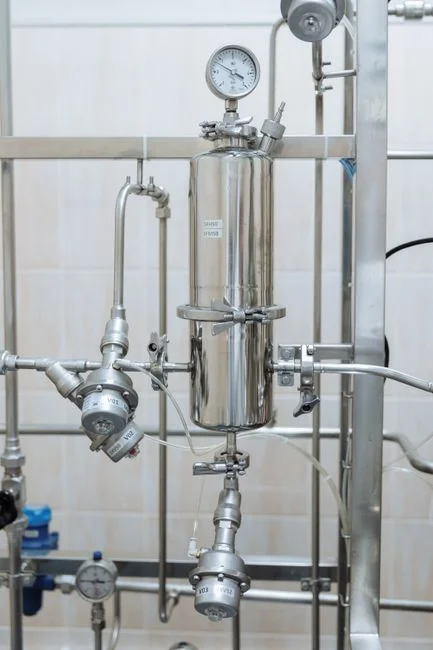
The evidence file must connect the seller’s historical compliance record to the operating conditions ExxonMobil will inherit. Request the CTE and CTO applications, current authorizations, amendments, renewal correspondence, inspection records, consent-condition compliance reports, monitoring reports and all authority correspondence.
The supplied 2026 India acquisition research distinguishes monthly grab samples from 24-hour composite samples for Schedule VI parameters. The applicable plant-specific monitoring plan still needs verification: the buyer should not assume that every parameter, point or frequency is identical across discharge routes or SPCB conditions.
| Evidence item | Technical review | Escalation trigger |
|---|---|---|
| CTE, CTO and amendments | Check status, authorized outlets, conditions, renewal correspondence and whether the instruments match current operations. | Expired authorization, missing consent or an outlet not covered by the authorization. |
| Monitoring reports | Reconcile parameters, sampling points, dates, values and authority submissions. | Omitted parameters, inconsistent results or unexplained gaps. |
| Laboratory evidence | Review accreditation, analytical methods, chain of custody, sample preservation and reporting completeness. | Unverified laboratory status, incomplete custody records or method changes without explanation. |
| Inspection and corrective actions | Trace each finding through closure evidence. | Open findings, recurring deviations or unsupported closure claims. |
| Operating history | Compare production, chemical use, water source and discharge routes with the treatment design and consent. | Materially changed process profile or treatment system no longer aligned with discharge. |
Check whether the seller’s production and chemical profile has changed since the treatment system was designed, commissioned or last validated. An older ETP may have been sized for a different flow, pollutant mix, operating pattern or collection configuration.
Where records are missing, internally inconsistent or no longer describe current operations, commission targeted sampling and an independent review. Absence of records proves neither historical compliance nor non-compliance; it establishes an unresolved evidence gap that must be closed before the transaction risk can be priced or accepted. The India industrial effluent treatment plant guide can support engineering review, but site records remain the controlling evidence.
Determine whether the existing ETP has real compliance capacity
Compliance capacity must be demonstrated against the acquired wastewater, not inferred from the presence of treatment equipment. Require an influent characterization covering flow, pollutant parameters, variability, discharge route, current consent limits, reuse objectives, available footprint, sludge constraints and operating history.
Then confirm physical adequacy across equalization, oil and FOG removal, solids separation, biological treatment, polishing, disinfection, final reuse or disposal and bypass control. A treatment train cannot be accepted if any stage lacks hydraulic capacity, reliable controls, defined maintenance or an approved destination for its residuals.
DAF is appropriate for pretreatment where suspended solids, FOG, oil and grease or colloidal material are the principal challenge. The supplied 2026 research lists an industrial DAF pretreatment system range of 4–300 m³/h across 13 standard models and identifies it as relevant to petrochemical pretreatment. That is an initial technology screen, not a plant selection.
MBR is more suitable where the process basis requires biological treatment and a low-solids reuse-quality effluent. The supplied 2026 research gives an MBR wastewater treatment and reuse system range of 10–2,000 m³/day. Selection still requires verified flow, biodegradability, effluent objectives, footprint, reuse criteria and operator capability.
| Design condition | Potential process role | Evidence required before approval |
|---|---|---|
| Oil, FOG or suspended solids dominate the pretreatment load | DAF or another physical separation stage | Influent characterization, flow, oil and solids data, downstream acceptance criteria and sludge route. |
| Biological treatment and low-solids reuse are required | MBR | Biodegradability, hydraulic load, membrane objectives, footprint, reuse criteria and commissioning plan. |
| Zero liquid discharge is applicable | Advanced treatment, recovery and concentrate-management stages | Verified site classification, feed chemistry, recovery objectives, residual-disposal route and authority direction. |
| Production or chemical use changes after acquisition | Process reassessment and possible retrofit | Change-controlled influent testing, equipment capacity review and revised consent assessment. |
Evaluate oil, grease and solids before downstream biological or membrane stages. Treat sludge dewatering and disposal as part of the compliance scope, not an ancillary installation. No site-specific flow, pollutant data, verified limits, capital cost or payback figure is available in the supplied research, so equipment or price should not be selected from an acquisition announcement. The India wastewater treatment plant cost and technology guide should be used to structure the commercial request, not to substitute for a process basis.
Treat legacy contamination as a separate acquisition risk
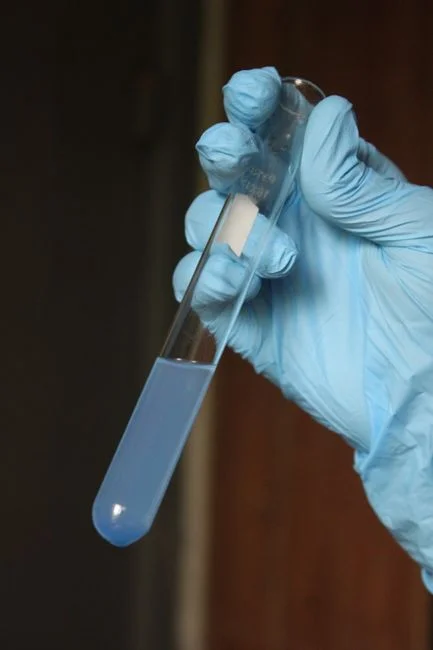
A current wastewater consent addresses authorized present discharge; it does not establish that the property is free of contamination caused by earlier operations. Keep present discharge compliance and legacy contamination as separate workstreams with separate decision criteria, owners and contractual allocations.
Request spill records, chemical and waste-handling history, old drain routes, groundwater use, septic-system records, former discharge locations and prior soil or groundwater findings. Reconcile those records with the physical route taken by current wastewater. An old drain, septic system or former outlet may connect historical operations to present exposure.
Commission a site-specific environmental assessment where records are missing, the wastewater route has materially changed, or the available history cannot explain reported contamination. The assessment should define the exposure, identify further investigation requirements and establish whether remediation is necessary. The supplied 2026 research provides no contamination thresholds or remediation costs; those must come from site findings, applicable Indian requirements and project-specific engineering.
Allocate the issue through the purchase agreement using representations, indemnities, remediation obligations, closing conditions, funding or a holdback. Do not leave it with an informal expectation that the buyer will remediate after closing. The approach described in a separate plant-acquisition wastewater review illustrates the allocation discipline, but the Indian legal analysis must be based on the site’s own facts and Indian requirements.
Material production or chemical changes can also alter the contamination assessment boundary. A changed process profile may change wastewater chemistry, sludge characteristics and the potential for future release. The assessment therefore should not be frozen as a historical report while operations move to a different chemical regime.
Resolve ROEMS, zero-discharge and local-cluster obligations
ROEMS and zero-liquid-discharge duties can override a simple assumption that the existing consent and ETP remain adequate. First determine whether the acquired plant falls within the 17-category Grossly Polluting Industry framework or a CPCB-notified critically polluted industrial cluster.
The supplied 2026 India acquisition research states that ROEMS covers pH, flow, TSS, COD and conductivity transmitted to the CPCB server every 15 minutes, and identifies day 60 for ROEMS installation. It also states that a plant in a CPCB-notified critically polluted industrial cluster must achieve zero liquid discharge, with reuse to reverse osmosis or evaporation.
For a stand-alone facility outside a notified industrial cluster, the same research says CETP membership renegotiation can potentially be deferred to day 60–90. That is not a substitute for the SPCB’s actual written direction. The buyer should obtain confirmation of classification, ROEMS applicability, analyser acceptance, data-validation responsibilities and any timing condition before representing the plant as ready for consent.
| Condition to verify | Potential consequence | Required diligence action |
|---|---|---|
| Plant is in a 17-category Grossly Polluting Industry framework | ROEMS may apply. | Obtain written classification and confirm analyser, server, calibration and reporting responsibilities. |
| Plant is in a CPCB-notified critically polluted industrial cluster | Zero liquid discharge may be required, with reuse to RO or evaporation. | Confirm the notification boundary and obtain the SPCB’s site-specific conditions. |
| Stand-alone facility outside a notified cluster | CETP membership renegotiation may potentially be deferred to day 60–90 under the supplied research. | Confirm timing and conditions directly with the SPCB and CETP. |
| Production or product mix changes materially | Environmental Clearance may require review under EIA Notification 2006, particularly for Category A units. | Obtain a written regulatory assessment of the proposed change. |
Do not assume the seller’s monitoring arrangement satisfies ExxonMobil’s reporting or project-standard needs. Reconcile statutory monitoring with OIMS and Project Environmental Standards, including data ownership, analyser reliability, escalation and retention. The petroleum-plant context in this pretreatment and monitoring review is illustrative, not a substitute for the relevant Indian SPCB’s written requirements.
Use a closing decision framework before ExxonMobil accepts the site
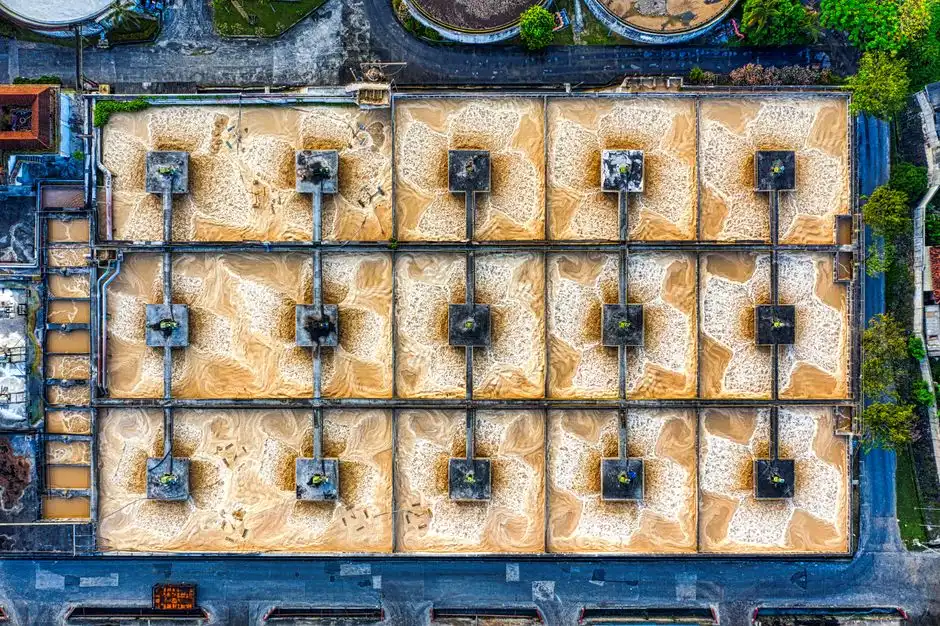
Every material wastewater issue should receive an explicit decision: resolved, accepted with contractual protection, conditioned before closing, remediated before closing, or deferred only with documented authority, funding and an enforceable deadline. A generic statement that the buyer will address post-closing issues is not an adequate decision.
Escalate a missing or non-transferable consent, unresolved discharge route, unauthorized outlet, material contamination finding, or treatment system without demonstrated compliance capacity. These findings can affect both legal standing and the plant’s ability to operate at the acquired production profile.
| Gate | Proceed only when | Condition or hold when |
|---|---|---|
| Regulatory pathway | Each route, authority, consent and cluster condition is confirmed. | Fresh consent is missing, timing is not achievable or an outlet is unresolved. |
| Permit and compliance evidence | Current instruments and monitoring history reconcile with operations. | Records are materially incomplete, inconsistent or do not describe the current discharge. |
| Physical treatment adequacy | Verified influent data demonstrate an acceptable treatment and reuse basis. | Capacity, pretreatment, bypass control or sludge handling is unproven. |
| Legacy environmental liability | Exposure is understood and responsibility is allocated. | Material contamination remains uncharacterized or unprotected. |
Assign separate owners for EHS, engineering, legal, operations, laboratory coordination, consent renewal, reporting, record retention and authority correspondence. Build an inspection-ready evidence room containing current consents, renewal evidence, laboratory reports, chain-of-custody records, submissions, operating logs, bypass controls and corrective-action files.
Set a change-control protocol for production, chemistry, water source, drainage configuration, treatment operation and reuse objectives. EHS and counsel should be notified before material changes because they may affect consent conditions, ROEMS, zero-discharge requirements, treatment adequacy and environmental liability. The DAF-versus-clarifier decision framework in this equipment-selection review illustrates why a change in process conditions requires engineering review rather than an unchanged equipment assumption.
Frequently Asked Questions
Can ExxonMobil use the seller’s existing wastewater consent after closing?
No. The supplied 2026 India acquisition research states that consent under Water Act 1974 Section 25 attaches to the person or occupier. A share or asset purchase that changes the occupier requires fresh consent from closing. The seller’s historical evidence remains relevant to diligence and allocation, but it is not the buyer’s current authorization.
How long should due diligence and consent work be allowed to take?
The supplied research gives 90 days for consent to establish and 60 days for consent to operate, while stating that hearings and inspections can extend the realistic timetable to 4–6 months. The buyer should therefore test the closing timetable against the authority’s actual process and treat the statutory windows as application periods, not guaranteed approval dates.
When should a supplier propose DAF, and when is MBR more appropriate?
Use DAF when oil, FOG, suspended solids or colloidal matter are the principal pretreatment challenge. Consider MBR when the process basis requires biological treatment and a low-solids reuse-quality effluent. Before selecting equipment, require the supplier to accept the site-specific flow, pollutant characterization, applicable consent limits, footprint, sludge route, reuse objective, commissioning plan and validation criteria.
What should ExxonMobil request before selecting an ETP or wastewater equipment supplier?
Request a process basis based on accepted influent data, design flow, applicable limits, reuse targets, available footprint, sludge-disposal route, operator requirements, utility needs, commissioning and validation plan, warranty scope and exclusions. The buyer should also request itemized capital and operating-cost inputs, but the supplied research contains no plant-specific quotation, so pricing should follow—not precede—the technical basis.
Does a valid wastewater permit prove that the site has no legacy contamination?
No. Permit compliance and historical liability are separate questions. A site-specific assessment may be needed where historical records are missing, the wastewater route changed or reported contamination cannot be explained by available history. Any remediation obligation, threshold or cost must be established from site findings and then protected through the purchase agreement. A broader comparison of acquisition wastewater requirements reinforces the need to keep permit evidence, treatment adequacy and legacy liability as independent diligence gates.