Wastewater Requirements for a Mexico Plant Acquisition
When ExxonMobil acquires a plant in Mexico, wastewater compliance becomes a closing issue as well as an operating obligation. The buyer should verify the wastewater permit, water source and discharge route, analytical results, reporting history and treatment-system condition before closing. Tecma identifies NOM 001 SEMARNAT 1996 for relevant industrial discharges to ground or a septic system under federal jurisdiction and NOM 002 SEMART 1996 for industrial discharges to a municipal sewer. Annual testing, annual reporting and generally annual permit renewal apply as described by Tecma, while legacy contamination requires separate allocation.
The acquisition review should be organized as four independent gates: regulatory pathway, permit and compliance evidence, physical treatment adequacy, and legacy environmental liability. An acquisition announcement does not establish the applicable permit, pollutant limits, wastewater flow, treatment configuration or remediation scope. Those conclusions require the site’s official instruments, analytical history, physical inspection and transaction-specific findings.
The controlling operational question is where the water comes from and where each waste stream ultimately goes. That routing determines the federal or state pathway and which discharge standard must be evaluated. A permit and a contamination assessment answer different questions; the permit addresses authorized discharge and monitoring, while the assessment addresses contamination that may predate the acquisition. Both belong in the closing workstream, supported by the due-diligence approach used for wastewater requirements for a plant acquisition and industrial plant acquisition wastewater due diligence.
Determine the Applicable Federal or State Pathway
Water source and discharge destination determine the applicable regulatory route, so each outlet must be mapped before the permit file is assessed. Tecma states that drawing water from a well places the activity under federal jurisdiction, while drawing water from a municipal system places it under state jurisdiction. The receiving route then determines the relevant standard for the discharge.
For a mixed-source or mixed-discharge plant, do not collapse the review into one system-wide conclusion. A well-fed process line discharging to ground and a municipal-supply line discharging to a municipal sewer require separate pathway analyses. Utility invoices, well records, drainage drawings and operating logs should be reconciled against the permit narrative.
| Site fact to establish | Evidence requested | Diligence conclusion |
|---|---|---|
| Water source | Supply agreements, utility invoices, well construction records and source maps | Federal or state pathway |
| Discharge destination | Site drawings, permits, sewer agreements, discharge points and operating records | Applicable standard and receiving requirements |
| Controlling authority | Permit cover page, authorization correspondence and authority register | Named regulator and jurisdiction |
| Current obligations | Official NOM text, permit conditions and Mexican counsel confirmation | Site-specific limits, monitoring and reporting duties |
Tecma identifies NOM 001 SEMARNAT 1996 for industrial wastewater discharged to the ground or a septic system under federal jurisdiction. It identifies NOM 002 SEMART 1996 for industrial wastewater discharged to a municipal sewer. These pathway descriptions do not provide verified pollutant-limit values for this plant. The buyer should therefore request the current official standard, permit conditions and written confirmation from Mexican environmental counsel rather than importing generic limits into the transaction model.
Build a Permit and Compliance Evidence File
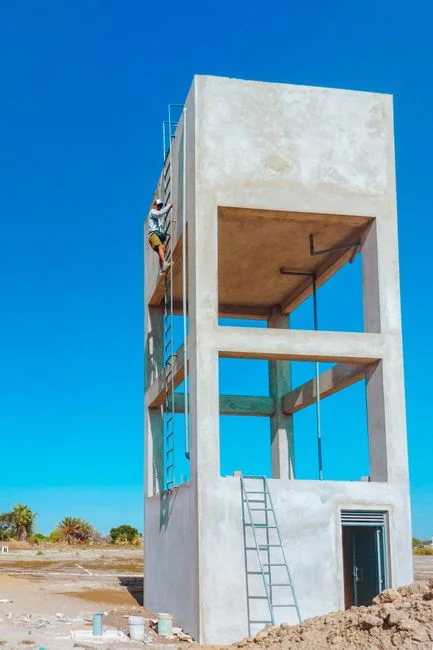
The permit file must be complete enough to establish both historical compliance and the buyer’s post-closing obligations. Tecma states that annual wastewater testing is required, that annual reporting applies to industrial discharges and testing, and that almost all wastewater permits and authorizations must be renewed every year. The actual dates, parameters and site-specific reporting frequency still require verification.
Request the wastewater permit, related authorizations, renewal correspondence, inspection findings, discharge-monitoring reports, annual-report submissions and authority correspondence. Reconcile the permit’s status, conditions, discharge points, renewal dates and history of modification, suspension or noncompliance. Where a permit does not cover every observed outlet or activity, treat that discrepancy as a transaction issue rather than a post-closing administrative task.
| Evidence item | Verification question | Decision use |
|---|---|---|
| Permit and authorizations | Are the instruments current, and do their conditions match the actual outlets? | Establish permit gap and transfer action |
| Renewal and correspondence file | Are renewals, modifications, suspensions and authority commitments complete? | Identify unresolved conditions |
| Laboratory reports and chain of custody | Does the history support the required sampling locations, parameters and laboratory status? | Test the compliance baseline |
| Annual reports and submissions | Do submitted results reconcile with laboratory reports and permit limits? | Detect omissions or inconsistencies |
| Inspection and corrective-action records | Were findings closed, and is closure evidence available? | Assess recurring compliance risk |
Tecma states that annual testing for industrial wastewater discharged to a municipal sewer must be performed by an accredited and authorized Mexican laboratory. Obtain historical laboratory reports, chain-of-custody records, sample locations and analytical methods. Missing records, inconsistent parameter lists or unexplained changes in sampling method should trigger targeted sampling and independent review rather than an assumption of historical compliance. Tecma also describes daily, monthly and annual reports as possible compliance components, so the buyer should identify which apply to the acquired site rather than assume annual reporting is the only obligation.
Assess Legacy Contamination Separately from Permit Compliance
Permit compliance does not establish that a property is free of legacy contamination. Tecma states that a company that purchases, leases or acquires an industrial property immediately becomes responsible for prior contamination found there. This potential consequence makes historical site conditions a closing issue for ExxonMobil, even if the current discharge permit appears valid.
Review historical spills, waste and chemical disposal practices, groundwater use, septic-system use, soil and groundwater findings, and plausible contaminant-migration pathways. Reconcile those records with the physical route taken by current wastewater. A well, septic system or former discharge location may link historical operations to a present compliance or liability question.
Where records are missing, the wastewater system has materially changed, or the available history cannot explain prior findings, commission a separate environmental assessment. Missing analytical history is not evidence of no contamination, and a current permit is not a release from liability associated with earlier operations. The assessment should identify findings, delineate plausible exposure and define what further work remains.
Mexican environmental counsel should then allocate responsibility through purchase-agreement representations, indemnities, remediation obligations and closing conditions. The supplied research supports no specific contamination thresholds or remediation costs. Those require site findings, applicable official requirements and project-specific engineering; they should not be replaced with generic figures during negotiation.
Test Whether the Existing Treatment System Can Meet the Permit
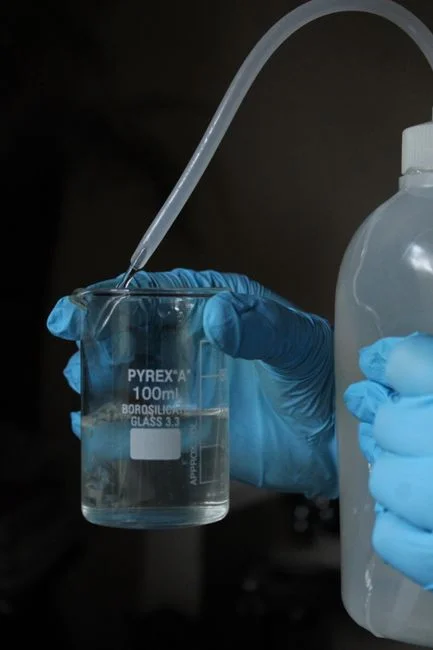
The installed treatment unit is only one part of the compliance system. Inspect the complete route: water source, collection, equalization, treatment, discharge point, metering, sampling points, bypasses, sludge handling and maintenance records. A sound treatment train can still create risk through an unapproved bypass, leaking collection line, unidentified outlet or inconsistent sludge handling.
Request wastewater flow, pollutant parameters, variability, discharge route, permit limits, reuse objectives, available footprint, sludge-handling constraints and operating history. Also establish whether the current production and chemical profile has changed since the treatment system was designed or last validated. These inputs determine whether the existing equipment has a genuine compliance margin.
| Compliance or reuse driver | Process to assess | Selection evidence still required |
|---|---|---|
| Suspended solids, oil and grease, FOG or colloidal matter | Industrial DAF system for suspended solids, FOG and oil removal | Influent characterization, flow, applicable limits and sludge disposition |
| Biological treatment and high-quality reuse | MBR membrane bioreactor for industrial reuse | Flow, biodegradability, effluent objectives, footprint and reuse criteria |
| pH, coagulation or flocculation duties | Automatic chemical dosing integrated with process control | Chemical demand, operating control, waste handling and permit basis |
HydropureWater’s DAF systems cover 4–300 m³/h across 13 standard models and are described as relevant to petrochemical pretreatment applications. Its MBR systems cover 10–2,000 m³/day and are marketed for industrial process water and reuse projects. These specifications provide an initial technology screen, not a plant selection. The buyer must still reconcile them with actual flow, pollutants, limits and site constraints.
Do not select equipment or quote a price from the acquisition announcement. The supplied research contains no plant-specific flow, pollutant data, verified limits, acquisition cost or payback figures. Before approving a retrofit or replacement, require a process basis, included scope, validation plan, operator requirements, civil work, commissioning, consumables, sludge handling and warranty exclusions. A supplier’s configuration becomes meaningful only after the site’s wastewater characterization is accepted.
Assign Closing Conditions and Post-Closing Controls
Environmental diligence and post-closing compliance should have separate owners, budgets and escalation routes. The transaction team should determine which unresolved findings can be accepted, which require conditions, and which require remediation funding or a holdback before closing. Operational controls should transfer into a controlled schedule after closing rather than remain with the seller or an external consultant.
Before closing, assign owners for sampling, laboratory coordination, permit renewal, authority correspondence, reporting and record retention. A missing permit, an unresolved discharge pathway, material contamination or a treatment system without demonstrated compliance capacity should be escalated to EHS, engineering and Mexican counsel for an explicit transaction decision.
| Control area | Pre-closing action | Post-closing control |
|---|---|---|
| Permits and renewals | Confirm status, conditions, gaps and transfer requirements | Calendar renewal, maintain current instruments and correspondence |
| Sampling and reporting | Reconcile history and commission targeted sampling where needed | Assign laboratory and reporting owners; retain chain of custody |
| Treatment operation | Inspect the complete route and obtain operating data | Maintain logs, bypass controls, maintenance and change notifications |
| Contamination | Complete assessment and negotiate allocation | Execute approved remediation and verify closure |
| Inspections | Build the evidence room and protocol | Keep records and corrective actions inspection-ready |
Tecma states that SEMARNAT may inspect without advance notice and may request wastewater and water-use records, authorizations, test results and access to the physical plant. The site should therefore maintain current permits, renewal evidence, laboratory reports, chain-of-custody records, submissions, operating logs and corrective-action files in an inspection-ready evidence room.
Prepare a corrective-action protocol covering who can stop an unauthorized discharge, who preserves samples, who communicates with the authority and who approves and documents remediation. Operations should notify EHS and counsel whenever production, chemistry, water source, drainage configuration or treatment operation changes. A historical report does not demonstrate present compliance if it no longer describes the discharge being made.
What Must Be Resolved Before ExxonMobil Closes?

A wastewater permit should not be accepted at face value: confirm the regulatory pathway, permit status, historical test and reporting record, contamination exposure, treatment-system condition and allocation of responsibility. Require targeted sampling and independent engineering review when documents are missing or the system appears materially changed.
| Decision point | Required before closing | Permitted post-closing control |
|---|---|---|
| Regulatory pathway | Map each source and outlet to the controlling authority and instrument | Maintain route and permit-change controls |
| Permit and records | Reconcile current authorization, renewals, reports, laboratory evidence and findings | Calendar renewals, monitoring, reporting and retention |
| Legacy contamination | Define exposure and allocate remediation responsibility | Execute approved remediation and closure verification |
| Treatment adequacy | Confirm the physical system and identify any capacity or process gap | Operate, maintain and validate the accepted train |
| Unresolved exposure | Escalate to EHS, counsel and transaction decision-makers | Proceed only if explicitly accepted and protected |
After closing, transfer the permit into a controlled operating schedule with named owners for renewals, monitoring, reporting and record retention. Any unresolved discharge pathway, unauthorized outlet, permit gap or material contamination finding should be resolved or explicitly allocated before ExxonMobil accepts the environmental condition.
Frequently Asked Questions
What wastewater permits are required when ExxonMobil acquires a plant in Mexico?
The required instrument depends on the water source and discharge route. Tecma identifies federal jurisdiction for water drawn from a well and state jurisdiction for municipal supply. It also identifies NOM 001 SEMARNAT 1996 for industrial discharges to ground or a septic system under federal jurisdiction, and NOM 002 SEMART 1996 for industrial discharges to a municipal sewer. Obtain the current official standard, permit conditions and written confirmation from Mexican environmental counsel
Frequently Asked Questions
What wastewater permits does ExxonMobil need to verify before acquiring a plant in Mexico?
The primary document required is the Discharge Permit (Permiso de Descarga) issued by the National Water Commission (CONAGUA). You must verify that the permit is current and that the discharge volumes authorized align with the plant’s actual operational capacity. Additionally, if the plant discharges into municipal sewers rather than federal bodies, you must confirm the existence of a valid municipal discharge agreement (Convenio de Descarga) and current proof of compliance with local utility regulations.
Furthermore, review the Certificate of Compliance with NOM-001-SEMARNAT-2021, which sets the maximum permissible limits for pollutants in discharges to national waters. Ensure the site maintains a comprehensive inventory of all discharge points (descargas), as any unpermitted outfall constitutes a significant liability under the National Waters Law (Ley de Aguas Nacionales).
How much does it cost to upgrade wastewater treatment for an acquired Mexican plant?
Upgrade costs for industrial wastewater treatment in Mexico typically range between $200,000 and $2.5 million USD, depending heavily on the influent characteristics and the required effluent quality. Projects involving basic primary treatment enhancements or chemical dosing stations are generally at the lower end, while implementing advanced tertiary treatment for water reuse or to meet stringent NOM-001-2021 standards for toxic substances can exceed $1 million USD.
These estimates exclude civil engineering costs, which can add 20% to 40% to the total project budget due to Mexican seismic code compliance requirements for concrete basins and structural containment. It is essential to conduct a pilot study to determine specific hydraulic loading rates before finalizing a capital expenditure budget, as existing infrastructure often requires significant retrofitting to meet current environmental discharge parameters.
Should we select DAF or MBR for the acquired plant's industrial wastewater?
The selection between Dissolved Air Flotation (DAF) and Membrane Bioreactor (MBR) depends on the specific contaminant profile of the plant’s effluent. DAF is the standard choice for pre-treatment when the primary objective is the removal of fats, oils, grease (FOG), and suspended solids, typically achieving 70% to 90% removal efficiency. It is cost-effective for high-load, low-complexity waste streams where downstream biological treatment is not yet required.
Conversely, MBR should be selected if the plant aims for high-quality effluent suitable for water reuse or if the facility must meet the stringent nitrogen and phosphorus limits mandated by updated Mexican environmental standards. While MBR offers superior permeate quality, it involves higher operational expenditures (OPEX) due to membrane fouling, energy consumption, and the requirement for specialized technical staff to manage the biological process.
What should Mexican environmental counsel review during an industrial plant acquisition?
Mexican environmental counsel must conduct a thorough Due Diligence audit focusing on the Environmental Impact Authorization (MIA) and the Risk Assessment (Estudio de Riesgo) to ensure that the existing wastewater treatment plant (WWTP) infrastructure is consistent with the permits granted. Counsel should review the historical record of fines or administrative proceedings (procedimientos administrativos) initiated by PROFEPA or CONAGUA over the previous five years to identify potential legacy liabilities.
Counsel must also verify the Chain of Custody for laboratory analysis reports. In Mexico, all wastewater sampling must be performed by an accredited laboratory (Laboratorio Acreditado) in accordance with the Mexican Accreditation Entity (EMA). Any data generated by non-accredited labs is legally insufficient for compliance reporting and poses a significant risk during regulatory audits.
How should the site prepare for a SEMARNAT wastewater inspection after closing?
Immediately post-closing, the site must compile a "Compliance Binder" containing the last 24 months of discharge monitoring reports, calibration certificates for flow meters, and evidence of hazardous waste disposal generated by the WWTP (such as sludge management records). Under Mexican law, sludge from industrial treatment is often classified as hazardous waste (Residuos Peligrosos) under NOM-052-SEMARNAT-2005, and failing to provide manifests for its disposal is a common trigger for heavy fines.
Ensure that all flow measurement devices are calibrated by an EMA-accredited entity and that the site’s "Bitácora de Operación y Mantenimiento" (Operations and Maintenance Logbook) is up-to-date. Inspectors will verify that the plant is operating within the parameters defined in the original discharge permit; any discrepancy between the reported flow rates and the physical meter readings can lead to immediate administrative sanctions or partial site closures.