What System Does a Surabaya Factory Actually Need?
A Surabaya factory needs a DAF system when its wastewater mainly requires separation of suspended solids, oil and grease, FOG, or colloidal material; DAF uses pressurized air, microscopic bubbles, and skimming to float contaminants from the water. A full industrial ETP is needed when the wastewater also requires broader chemical, biological, or solids treatment. The correct choice depends on factory effluent tests, peak flow, discharge or reuse requirements, and available space. HydropureWater DAF systems cover 4–300 m³/h across 13 models, while a complete ETP should be defined through testing, analysis, pilot trials, process design, installation, commissioning, and operator training.
Use DAF as the primary treatment when the principal objective is to recover free oil, FOG, or suspended solids and separate them physically from the water. Consider a broader industrial effluent treatment plant in Indonesia when soluble organic loading, pH correction, biological treatment, filtration, disinfection, or managed sludge treatment must also be included.
DAF is not a substitute for wastewater treatment as a whole. It is one separation step within a treatment train. A food-processing factory, for example, may need DAF for FOG recovery, followed by biological treatment because soluble organic matter remains. A factory discharging only segregated, non-hygienic process water may have a different route, but that conclusion must come from sampling and analysis rather than from the factory’s stated production capacity.
Ady Water identifies an industrial ETP as treatment designed specifically for industrial liquid waste, unlike sewage treatment for domestic waste or water treatment for raw water. The decision therefore rests on four inputs: the factory process, wastewater characteristics, average and peak flow, and the final discharge, sewer, or reuse requirement. The same site-specific selection logic applies to a Surabaya plant, with the final scope based on local wastewater and regulatory conditions.
Match Factory Effluent to the Treatment Objective
DAF is appropriate as a starting point when the required outcome is physical separation of oil, FOG, suspended solids, or colloidal material. The mechanism is well defined: air dissolves in the wastewater under pressure, then releases at atmospheric pressure in a flotation tank, creating microscopic bubbles that attach to suspended contaminants and carry them to the surface for skimming (PT. Hydromart Utama Indonesia, Dissolve Air Flotation, accessed 2026).
That mechanism makes DAF a screening choice for industries with separable contaminants. PT. Hydromart identifies oil refineries, petrochemical and chemical plants, natural-gas processing plants, and paper mills as DAF application sectors. Those sectors indicate where flotation has been applied; they do not establish that a particular Surabaya factory needs the same configuration. The same source describes DAF as effective for suspended solids, fats, oils, metals, and non-soluble BOD, but those claims still require site testing rather than becoming a guaranteed effluent specification.
| Information to request | Why it affects treatment selection | Decision supported |
|---|---|---|
| Process source and production schedule | Identifies the waste stream, batch discharges, and whether streams can be segregated | DAF-only route, combined treatment train, or separate streams |
| Suspended solids, oil and grease, and FOG | Defines the contaminant load associated with flotation and skimming | DAF suitability and contaminant-loading basis |
| pH, temperature, and flow pattern | Establishes conditions affecting chemical conditioning, equipment selection, and hydraulic design | Equalization, conditioning, and peak-capacity requirements |
| Metals and biological load, where relevant | Separates contaminants addressed by flotation from those requiring other treatment mechanisms | Need for biological, filtration, or other ETP stages |
| Rags, plastics, and fibrous debris | Protects pumps and downstream equipment from gross solids | Mechanical screening before DAF |
Factory wastewater characterization should therefore separate routine samples from peak-production and batch-discharge samples. Where rags, plastics, or fibrous material could overload pumps or downstream units, request a mechanical-screening assessment. An inclined mechanical screening arrangement may then form the pretreatment step, but its selection and location still depend on debris characteristics and flow.
DAF or Full Industrial ETP: Compare the Process Scope
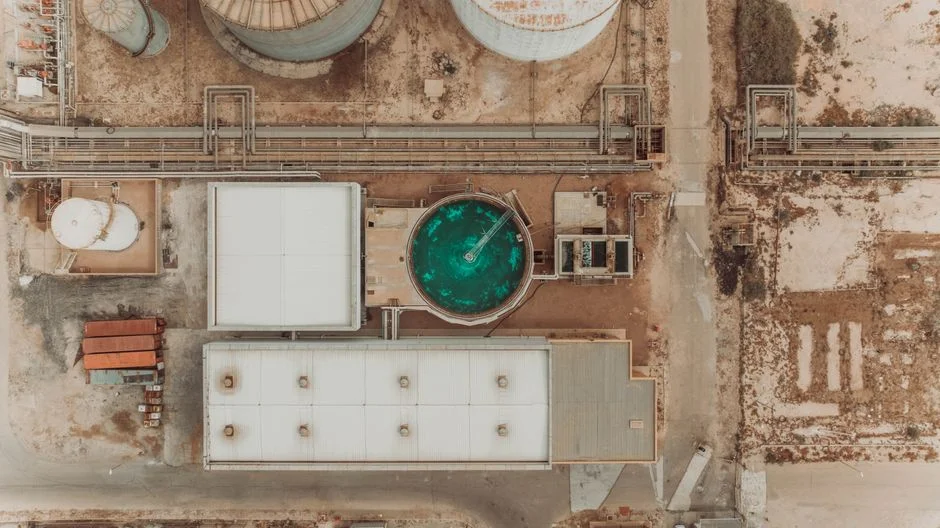
DAF is directly associated with floating and separating oil, FOG, suspended solids, and colloidal material; a full ETP can coordinate chemical, biological, clarification, filtration, disinfection, and sludge-handling stages as required. The choice is therefore driven by the required endpoint and the contaminants that remain after physical separation, not by the generic label “industrial wastewater.”
| Factory condition | Recommended starting point | DAF role | Additional ETP considerations | Evidence still required |
|---|---|---|---|---|
| Food or edible-oil processing with FOG separation and recovery as the primary objective | DAF-led treatment train | Primary flotation and FOG skimming stage | Soluble organic load, discharge endpoint, and recovered-material handling | Representative FOG analysis, flow records, and recovery objective |
| Mixed wastewater with substantial soluble organic or biological load | Broader ETP | Upstream removal of floating material and suspended solids | Biological treatment and any required filtration, disinfection, or polishing | Biological demand testing and downstream quality requirements |
| High-solids factory discharge containing rags, plastics, or fibrous debris | Screening and equalization before flotation | Downstream separation stage after gross-solids protection | Pump protection, hydraulic balance, and solids handling | Debris survey and batch-discharge profile |
| Segregated wastewater requiring only oil, FOG, or suspended-solids separation | DAF as the possible primary unit | Physical separation and skimming | Confirm whether the treated water can meet the specified discharge or reuse route | Wastewater analysis, peak flow, and applicable endpoint |
The expected treatment flow is screening and equalization, optional chemical conditioning, DAF separation, downstream biological or tertiary treatment where required, and sludge handling. This is an indicative sequence, not a fixed plant design.
A DAF purchase may appear simpler than a full ETP, but the full scope must include equalization, controls, utilities, cake or wet-sludge removal, access, and residual treatment. A full ETP introduces additional stages, operating controls, civil interfaces, and possible biological-sludge management. A buyer comparing offers should use the DAF-versus-alternatives engineering comparison and, where the waste contains metals, also examine the DAF versus clarifier comparison for metals wastewater. The chemical and physical properties of the actual Surabaya stream—not the application label—must decide the process.
Size the DAF and ETP from Real Factory Data
Final sizing should begin with representative wastewater testing, not nominal factory output. Envitech Perkasa’s documented project sequence begins with problem identification through testing, analyses, and pilot trials, followed by process design and detailed engineering (Envitech Company Profile 2013, published 2013). This older sequence remains useful as a procurement framework, but its design values and results must be replaced by current site data.
Collect average flow, peak flow, production shifts, batch discharges, operating schedule, and expected future expansion. These records determine hydraulic configuration, equalization requirements, and whether a duty/standby arrangement is justified. They also prevent a supplier from selecting equipment against an average that does not represent the discharge condition the plant must handle.
The HydropureWater DAF catalog range of 4–300 m³/h across 13 standard models is a preliminary equipment screen, not a site-specific design. Final selection must reconcile peak hydraulic demand, contaminant loading, operating hours, wastewater variability, and the required endpoint with the selected model.
| RFQ information | Supplier’s expected response |
|---|---|
| Wastewater sources and representative sample results | Test basis, analyzed parameters, and proposed process criteria |
| Average flow, peak flow, shifts, and batch discharges | Hydraulic calculations, equalization basis, and selected capacity |
| Required discharge, sewer, or reuse endpoint | Defined performance basis and proposed treatment stages |
| Available footprint, access, utilities, and installation preferences | General arrangement, utility requirements, and civil-work assumptions |
| Sludge-disposal route | Sludge collection, handling, and disposal scope |
| Scope preferences | Separate listing of testing, pilot trials, engineering, equipment, civil works, installation, start-up, commissioning, and training |
Keep equipment selection separate from plant engineering. Ask each bidder to price a complete industrial DAF system for Surabaya factory wastewater, then identify which engineering and delivery activities are included. A dissolved air flotation package may be only one line in the supply schedule; controls, tanks, pumps, air supply, chemical equipment, civil interfaces, sludge handling, commissioning, and training can define the actual project boundary.
Build a Treatment Train That Supports Reuse or Discharge
The final treatment train should reflect what remains after DAF, not what can be sold as a standard package. Add chemical dosing only where testing shows that pH correction, coagulation, flocculation, or another chemical function is required. HydropureWater automatic dosing systems use PLC-controlled injection for coagulants, flocculants, pH adjusters, and specialty chemicals, making PLC-controlled chemical dosing for DAF pretreatment a defined package to request when the process basis supports it.
DAF alone is generally not a complete biological treatment stage. If wastewater characteristics include soluble organic material requiring biological treatment, place the appropriate biological process downstream of physical separation, subject to process testing. A broad industrial ETP may also require clarification, filtration, disinfection, or other tertiary steps for the specified endpoint.
UF and RO should not be treated as universal DAF replacements. Their suitability depends on the required water quality, upstream pretreatment, and reuse application, so the supplier must define the water-quality basis and identify the pretreatment required to protect the membranes. The same discipline applies to solids: removed oil, FOG, and sludge remain as residues and need an identified management route. A plate and frame filter press is one available dewatering option, not a default sludge solution.
For any turnkey wastewater treatment plant proposal, require a responsibility matrix. It should state which stages are included in the ETP scope, which are excluded, who operates them, who handles chemicals and residuals, and which site works remain the factory’s responsibility. This prevents a water-treatment train from being mistaken for a complete wastewater treatment plant.
Evaluate Supplier, Installation, and Operating Risk
A technically credible offer should begin with a site-specific process basis, not a product list. Request representative wastewater results, hydraulic calculations, equipment drawings, materials of construction, utility demand, control philosophy, and a clear performance basis tied to the required effluent or reuse outcome. Where performance is claimed, ask the supplier to identify the test method, operating condition, and evidence supporting it.
Confirm whether the quotation covers problem identification through testing and analyses, pilot trials, process design, detailed engineering, equipment and materials, civil construction, installation, start-up, commissioning, operator training, and maintenance support. Envitech Perkasa’s 2013 company profile documents that sequence as part of a turnkey delivery model. Although the source is dated, the procurement checkpoints remain valid when applied to the current factory data and revised scope.
Ask how the supplier will manage factory shutdowns, commissioning samples, operator handover, spare parts, and performance under variable batch discharges. Those questions expose risks that a catalog model selection cannot answer. A supplier that cannot define the performance basis, commissioning acceptance method, or residual-management responsibility has not provided enough engineering information to compare offers.
Request a site-specific cost proposal covering equipment, civil and installation work, chemicals, power, sludge handling, commissioning, and ongoing operation. Do not compare a DAF equipment price with a complete ETP scope as if they were equivalent. The 2026 industrial DAF system cost and ROI guide can help structure the commercial review, but the final comparison must use the same effluent basis, flow profile, utilities, site conditions, and delivery responsibilities.
Frequently Asked Questions
Which DAF capacity should a Surabaya factory request from suppliers?
Use the 4–300 m³/h range across 13 HydropureWater models only as a preliminary screen. Request sizing based on measured average and peak flow, batch-discharge behavior, contaminant loading, operating hours, and the required endpoint. Ask each supplier to show the hydraulic calculation and explain how its selected model handles the governing peak condition.
How should a factory compare the budget for a DAF unit and a full ETP?
Compare complete scopes using the same wastewater data and required outcome. Ask for separate prices for equipment, civil and installation work, chemicals, power, sludge handling, commissioning, training, and operation. Since the supplied research provides no Surabaya project quotation, request a site-specific proposal rather than using an uncontextualized DAF price as the project budget.
What supplier-selection check matters most before ordering wastewater treatment equipment?
Require a process basis supported by representative wastewater testing and a response to the full delivery sequence: testing, pilot trials, detailed engineering, equipment, civil works, installation, commissioning, and training. Also check materials, utilities, controls, performance criteria, operator handover, and maintenance support before comparing commercial offers.
Which legal requirement should be confirmed before finalizing the treatment design?
Confirm the applicable Surabaya discharge, sewer-entry, or reuse requirement with the responsible authority and the factory’s environmental professional. Supply the proposed process, effluent basis, sampling plan, and selected treatment stages for review. Do not treat catalog claims or a generic treatment objective as regulatory acceptance.
Related Equipment
- industrial DAF system for Surabaya factory wastewater — specifications, capacity range, and technical data