DAF or a Full ETP? Start With the Treatment Objective
A Kolkata factory should choose between DAF, a full ETP, or a combined treatment train only after testing the raw effluent and reviewing its WBPCB consent. DAF is a physico-chemical clarification step for suspended solids, oil, grease and colloidal matter, not a complete substitute for biological or tertiary treatment. Food plants may need DAF with polyelectrolyte dosing before MBBR or activated sludge, while refinery effluent may need oil-water separation, DAF and biological treatment. In Ganga basin locations, also assess online monitoring, real-time reporting, monsoon flood protection and reusable-water or ZLD requirements.
The distinction matters because a DAF unit and an industrial effluent treatment plant solve different problems. In DAF, pressurized air dissolves in water and forms micro-bubbles when released at atmospheric pressure. Those bubbles attach to suspended solids and oil droplets, causing the separated material to float for mechanical skimming. Aquagreentechs describes DAF as clarification for oil, grease, suspended solids and organic contaminants, with clarified water proceeding to further treatment or discharge.
A Quora technical answer, dated July 2025, states that DAF micro-bubbles are typically 10–100 microns in diameter. It also positions DAF in refinery ETPs as protection for downstream biological reactors: emulsified oil can interfere with biological treatment, so coagulation and flotation remove residual oils and fine solids before biological polishing. Treat the bubble-size range as a technical explanation, not a universal design specification; vendor performance data and site-specific testing should govern final equipment selection. The DAF working principle and micro-bubble mechanics provide useful background, while an industrial dissolved air flotation system should be evaluated as a clarification package within the complete treatment objective.
Map the Factory Effluent to the Treatment Train
Wastewater composition determines the treatment train; average daily flow alone does not. The preliminary analytical programme should cover pH, BOD, COD, TSS, oil and grease, total chromium, sulphide, TDS and colour, together with process-specific contaminants. Samples should represent normal production, cleaning, batch discharge and stormwater-influenced operating conditions rather than a single laboratory bottle collected during an unusually dilute period.
Spans, a commercial ETP supplier, publishes sector profiles for Kolkata industries. These are screening values, not substitutes for site testing. The appropriate sequence differs substantially among food plants, tanneries, jute mills, textile dyers and pharmaceutical manufacturers.
| Sector profile reported by Spans | Reported wastewater characteristics | Treatment sequence indicated in the research |
|---|---|---|
| Food processing, FMCG and dairy | BOD/COD of 500–8,000 mg/L, with fats, oils and greases | DAF with polyelectrolyte dosing before MBBR or activated sludge |
| Tannery | Total chromium 50–500 mg/L, sulphide 50–200 mg/L, BOD 1,000–5,000 mg/L and high TDS | Chromium precipitation and recovery, sulphide oxidation, physico-chemical treatment, coagulation-flocculation-DAF, aerobic biological treatment, then sand and carbon filtration |
| Jute mill | BOD 500–3,000 mg/L, high suspended solids and variable pH | Physico-chemical treatment, biological treatment and filtration are required according to the representative effluent profile |
| Textile dyeing | COD 1,500–4,000 mg/L, high colour and high TDS | Coagulation-flocculation, colour removal, biological treatment and polishing as required |
| Pharmaceutical and API | COD 2,000–10,000 mg/L, with APIs, solvents and complex organic effluent | Physico-chemical pretreatment, MBR or MBBR, tertiary polishing and, where required, ZLD with RO and MEE/MVR evaporation |
For food processors, the key question is how much oil, grease and suspended material reaches the biological stage. The food-processing DAF selection guide should therefore be read alongside the factory’s FOG and solids analysis. For pharmaceutical effluent, the possible MBR, MBBR, RO and evaporation stages are not interchangeable add-ons; their inclusion depends on the specified outlet, reuse objective and consent conditions. An MBR-integrated treatment package may be relevant where membrane separation is justified by the required effluent quality.
Collect the Data Needed to Size a DAF or ETP
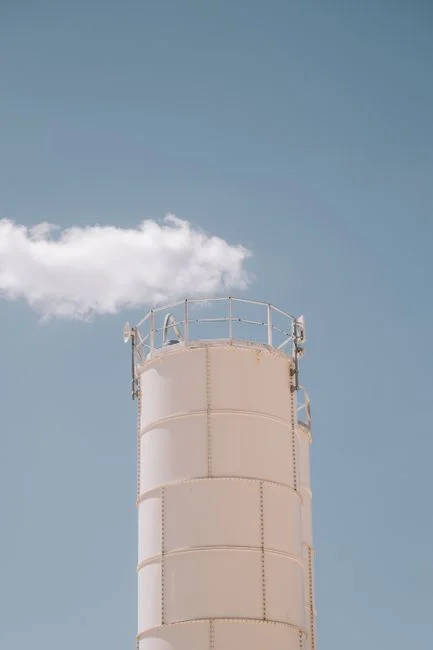
Representative wastewater analysis and peak-flow data must precede equipment sizing. A catalogue flow rating or a supplier’s generic removal claim does not establish that a DAF or ETP will meet the factory’s WBPCB consent conditions. The design basis should identify the selected flow, relevant contaminant loads, operating variability and the wastewater characteristics used in the calculation.
Ask bidders to show how hydraulic capacity relates to contaminant mass loading, solids or FOG loading, hydraulic retention and flotation surface-loading criteria. If the selected system is DAF-led, the calculation should also address the recycle arrangement, chemical conditioning, skimming capacity and anticipated sludge yield. If it is a biological ETP, the proposal should explain the biological process, aeration and solids-management basis.
Kolkata’s monsoon adds a separate hydraulic constraint. Spans reports annual rainfall of 1,600+ mm and identifies flood-proofing and stormwater separation as necessary civil-design considerations for Kolkata ETPs. The factory should therefore document monsoon inflow, stormwater ingress, flood exposure, production-shutdown drainage and the maximum flow that can reach each treatment stage. If rainfall-derived flow can enter the process train, hydraulic and contaminant calculations must identify whether equalization and pretreatment are required.
Define the outlet from the actual consent, including applicable BOD, COD, TSS and sector-specific limits. For the systems it describes, Spans cites consent targets of BOD below 30 mg/L, COD below 250 mg/L and TSS below 100 mg/L. These figures are a supplier-published reference, not a substitute for the factory’s signed consent conditions.
For a brownfield site, issue bidders a site pack covering the available footprint, headroom, power supply, sludge-removal route, maintenance access, tie-in points, production constraints and permissible shutdown windows. The 2026 DAF engineering, cost and selection framework and the guide to choosing an industrial DAF manufacturer provide useful screening questions, but the final sizing basis must remain site-specific.
Compare DAF, ETP and Combined Treatment Options
Choose a treatment train by matching each stage to a pollutant and protection requirement. DAF is strongest as a front-end clarifier when oil, grease, suspended solids or colloids must be removed before biological treatment. Coagulation, flocculation and polyelectrolyte dosing may be necessary to make those contaminants float reliably.
| Option | Best-supported application | Stages or controls that may be required | Main procurement risk |
|---|---|---|---|
| Standalone DAF | Clarification where the specified contaminants and regulatory outcome can be demonstrated without biological or tertiary treatment | Equalisation, chemical conditioning where required, skimming and sludge handling | The research does not establish a universal single-DAF compliance claim |
| DAF-led ETP | Food, dairy, FMCG and other effluents where FOG or solids would impair downstream biological treatment | DAF, polyelectrolyte dosing, MBBR or activated sludge, clarification and required polishing | Front-end under-sizing can transfer FOG and solids loading into the biological stage |
| Full biological ETP | General industrial effluent with high soluble organic load | Aerobic or anaerobic treatment, clarification, sludge handling and any required tertiary polishing | Inadequate equalisation, aeration or solids handling can prevent the outlet guarantee from being achieved |
| DAF plus biological ETP | Refinery or petrochemical effluent containing free oil, emulsified oil, fine solids and dissolved organics | API/CPI oil-water separator, DAF and multistage biological treatment | Each stage must be designed for the mass and emulsion load entering it |
| Advanced ETP or ZLD | Pharmaceutical, distillery and selected textile applications requiring high-quality reuse or zero discharge | Biological treatment, tertiary polishing, RO and MEE/MVR evaporation where the cited process applies | Additional energy, membrane, evaporation and maintenance complexity must be justified by the reuse or discharge objective |
A standalone DAF should be selected only where the clarified-water objective and analysis demonstrate that the specified contaminants and regulatory outcome can be met without further biological or tertiary stages. A full biological ETP is more appropriate for soluble organic loads, while advanced treatment is justified when reuse, ZLD or discharge restrictions make conventional polishing insufficient.
HydropureWater’s catalogue lists DAF systems from 4–300 m³/h across 13 standard models. Use that range for initial screening, not selection: a catalogue capacity does not demonstrate contaminant removal, skimming performance or consent compliance. Compare an industrial dissolved air flotation system with biological and advanced options using the same influent data and outlet guarantee. Where reverse osmosis is part of the selected train, the reverse-osmosis treatment package should be evaluated as one part of the overall process.
Design for Kolkata Compliance, Monsoon and Retrofit Conditions
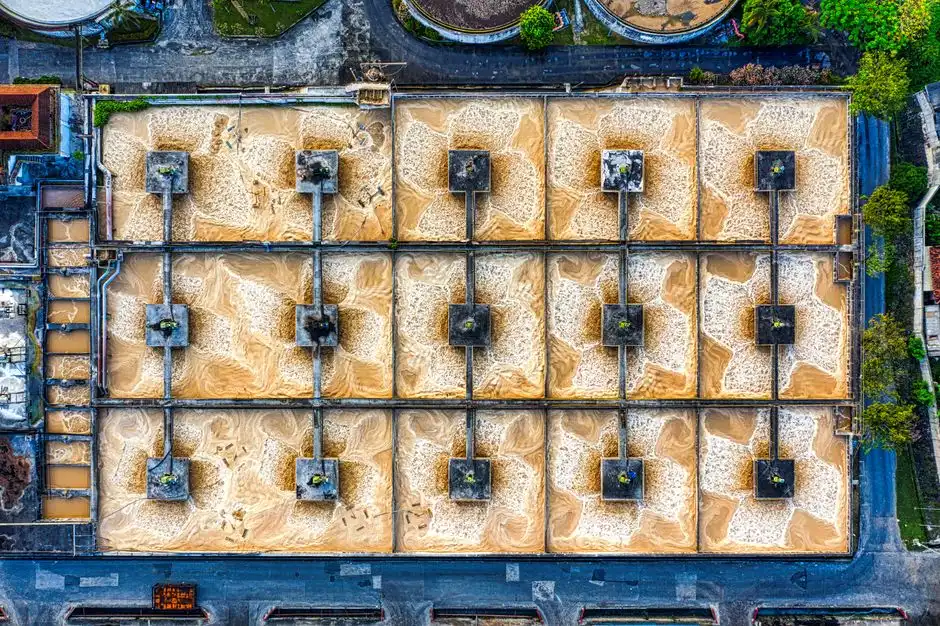
Location can change the practical treatment design even when the effluent chemistry is unchanged. Spans states that ETPs in or near the Ganga Action Plan zone around Kolkata and the Hooghly river may face continuous online monitoring, CPCB-specified effluent parameters and real-time transmission to the WBPCB online portal. The factory should confirm its precise obligations from its consent rather than infer them from a general industry description.
The consent review must be sector-specific. A tannery, pharmaceutical plant, refinery, textile mill and food processor should not be compared against a single generic ETP specification. Required parameters may include the organics and solids already identified in testing, plus chromium, sulphide, colour, TDS, FOG or other sector-specific substances. Monitoring location, sample frequency, reporting format and the required analyser or online equipment should be included in the supplier scope.
Civil and electrical design should address monsoon flood exposure. Spans identifies flood-proof control rooms, electrical panels and biological treatment units, together with stormwater separation to prevent hydraulic overloading. In the procurement drawings, identify equipment elevations, access routes, drainage isolation and the operating response to inflow above the treatment design flow.
For older plants, Spans identifies many Kolkata ETPs as 20–30 years old and recommends phased brownfield upgrades where production cannot be interrupted. A retrofit should begin with a performance and capacity audit against current consent conditions. The audit should identify hydraulic, organic and equipment bottlenecks before a supplier fixes the scope.
Maintainability belongs in the design. Provide access for skimmers, pumps, compressors, chemical dosing equipment and sludge removal, and include operator training, preventive maintenance and compliance reporting. Where chemical conditioning is required, a PLC-controlled chemical dosing system should be evaluated with the DAF or coagulation-flocculation process, not purchased as an unrelated accessory. A plate-frame filter press may be considered for sludge dewatering where the sludge characteristics and disposal route support it.
Turn the Decision into a Supplier Evaluation Checklist
Compare bids on engineering evidence and operating responsibility, not headline capacity or removal percentages. Each proposal should identify the design flow, peak-flow basis, representative influent analysis, contaminant loading, selected tank area or surface-loading criterion, recycle arrangement, sludge yield and utility demand.
Request a treatment guarantee tied to the stated influent range, outlet parameters, skimming performance, automatic controls and operating envelope. The commercial scope should state whether it includes civil works, electricals, instrumentation, installation, commissioning, operator training, preventive maintenance and WBPCB compliance support. A brownfield bidder should also provide a phased execution plan covering temporary treatment, tie-ins, outage windows and contingencies.
Use catalogue capacity only to shortlist equipment. HydropureWater’s DAF range of 4–300 m³/h is a screening range; representative wastewater testing and process design must determine the final selection. This approach turns the industrial DAF manufacturer selection guide into a technical tender process rather than a catalogue exercise. The DAF overload and emergency guide is also relevant to asking bidders how the equipment responds when receiving flow or solids beyond its normal operating envelope.
Frequently Asked Questions
Are DAF and an ETP different products?
Yes. DAF is a physico-chemical clarification method, while an ETP is a treatment train combining stages such as oil-water separation, coagulation-flocculation, biological treatment, clarification and tertiary polishing. A DAF may form the front end of that train.
Can a factory select equipment from average daily flow and industry type alone?
No. Require representative wastewater analysis, peak-flow and loading data, the signed WBPCB consent and the required outlet quality. Sector profiles can guide preliminary planning, but they do not replace site testing or process design.
What should a Kolkata-specific supplier evaluation check?
Check whether the location triggers Ganga basin monitoring and real-time reporting, and whether the design includes monsoon separation, flood protection and brownfield execution. Also require maintenance access, operator training and a documented compliance-support scope.
What determines the cost of a DAF or ETP project?
No defensible project price can be stated from the supplied research because the equipment capacity, wastewater loading, civil scope and installation conditions are not yet known. Request itemized quotations for equipment, civil works, electricals, instrumentation, installation, commissioning, sludge handling, chemicals, power, maintenance and WBPCB compliance support. Use the DAF engineering, cost and selection framework to structure those inputs, and require each bidder to state the design assumptions behind its price.