Why Industrial Facilities Need DAF Systems: Common Wastewater Challenges
Industrial wastewater treatment requires precision. A single food processing plant can generate 500–1,000 m³/day of effluent with fats, oils, and grease (FOG) concentrations exceeding 500 mg/L—far above the EPA’s 40 CFR Part 403 pretreatment standard of <100 mg/L FOG. Pulp and paper mills face total suspended solids (TSS) loads of 1,000–3,000 mg/L, while textile dye wastewater often contains emulsified oils and dyes that resist conventional sedimentation. These contaminants violate discharge permits and trigger surcharges, fines, and operational disruptions.
Conventional sedimentation tanks fail for these applications because:
- Low-density solids (e.g., FOG, algae, emulsified oils) remain suspended indefinitely, requiring micro-bubble flotation for removal.
- High TSS loads (>500 mg/L) overwhelm clarifiers, leading to carryover and permit violations.
- Variable influent quality (e.g., slaughterhouse wastewater with TSS spikes from 800 to 2,000 mg/L) demands adaptive treatment systems.
Dissolved Air Flotation (DAF) systems address these challenges by leveraging micro-bubbles (20–50 μm) to achieve 92–97% TSS removal and 90–98% FOG removal—meeting or exceeding regulatory limits like the EU’s Urban Waste Water Directive 91/271/EEC (<35 mg/L TSS) and China’s GB 8978-1996 (<70 mg/L TSS). For example, a poultry processing plant using a DAF system reduced FOG from 600 mg/L to <20 mg/L, avoiding $120,000/year in surcharges (HydropureWater field data, 2025).
Key scenarios where DAF systems outperform alternatives:
| Industry | Typical Influent Parameters | DAF Efficiency | Regulatory Target |
|---|---|---|---|
| Food Processing | FOG: 300–800 mg/L TSS: 500–1,200 mg/L |
98% FOG removal 95% TSS removal |
<100 mg/L FOG (EPA) |
| Pulp & Paper | TSS: 1,000–3,000 mg/L COD: 2,000–4,000 mg/L |
97% TSS removal 60% COD reduction |
<35 mg/L TSS (EU) |
| Textile Dyeing | TSS: 200–600 mg/L Color: 500–1,500 Pt-Co |
90% TSS removal 70% color reduction |
<70 mg/L TSS (China) |
How DAF Systems Work: A Step-by-Step Technical Breakdown
DAF systems separate suspended solids and emulsified oils from wastewater using micro-bubbles. The process consists of four critical stages, each governed by precise parameters to optimize removal efficiency.
1. Coagulation and Flocculation
Wastewater enters a flocculation tank where chemicals destabilize contaminants and form flocs:
- pH adjustment: Optimal range 6.5–8.5 (e.g., sulfuric acid or sodium hydroxide dosing).
- Coagulant dosing: 50–200 mg/L of polyaluminum chloride (PAC) or ferric chloride to neutralize charges.
- Flocculant dosing: 0.5–5 mg/L of anionic or cationic polymer to aggregate particles into larger flocs.
Example: A meat processing plant dosing 150 mg/L PAC and 2 mg/L polymer achieved 95% TSS removal from 1,200 mg/L influent (per PEWE field data).
2. Air Saturation
A portion of the clarified effluent (10–30% of influent flow) is recycled and pressurized to 4–6 bar in a saturation tank. Air dissolves into the water under pressure, creating a supersaturated solution. When released into the DAF cell, the pressure drop generates micro-bubbles that attach to flocs.
- Recycle rate: 10–30% of influent flow (higher rates improve bubble-floc contact).
- Bubble size: 20–50 μm (smaller bubbles increase surface area for attachment).
3. Flotation
The wastewater enters the DAF cell, where micro-bubbles attach to flocs, reducing their density and lifting them to the surface. Key parameters:
- Hydraulic loading rate: 5–15 m/h (higher rates reduce footprint but may lower efficiency).
- Retention time: 10–30 minutes (longer times improve removal for high-TSS influent).
- Sludge blanket depth: 0.5–1.5 m (deeper blankets improve thickening).
Note: DAF systems achieve 5–10x higher loading rates than clarifiers, reducing footprint by 70–80% for equivalent flow rates.
4. Sludge Removal
Floating sludge is skimmed from the surface at 5–30 minute intervals, while clarified effluent exits the bottom of the cell. Sludge dryness typically ranges from 3–5% solids, with higher concentrations achievable using thickening augers or belt presses.
- Skimming frequency: Automated systems (e.g., HydropureWater) adjust intervals based on sludge accumulation.
- Sludge disposal: Dewatering to 20–30% solids reduces volume by 80–90% for cost-effective disposal.
| Stage | Key Parameters | Typical Values | Impact on Performance |
|---|---|---|---|
| Coagulation/Flocculation | pH Coagulant dose Flocculant dose |
6.5–8.5 50–200 mg/L 0.5–5 mg/L |
Optimal dosing improves floc size and removal efficiency by 15–25%. |
| Air Saturation | Recycle rate Saturation pressure Bubble size |
10–30% 4–6 bar 20–50 μm |
Smaller bubbles increase surface area, improving FOG removal by 10–15%. |
| Flotation | Hydraulic loading rate Retention time Sludge blanket depth |
5–15 m/h 10–30 min 0.5–1.5 m |
Higher loading rates reduce footprint but may lower TSS removal by 5–10%. |
| Sludge Removal | Skimming frequency Sludge dryness |
5–30 min 3–5% solids |
Automated skimming reduces labor costs by 30–50%. |
Limitations: DAF systems are ineffective for dissolved contaminants (e.g., heavy metals, salts) without pretreatment. For example, chromium (Cr6+) requires chemical reduction to Cr3+ followed by precipitation before DAF treatment.
DAF System Types Compared: Which Design Fits Your Facility?
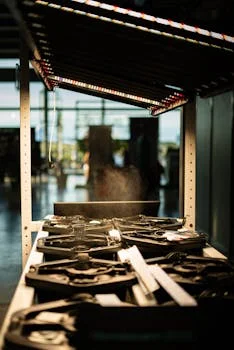
Selecting the right DAF system depends on flow rate, influent quality, and footprint constraints. Manufacturers offer modular, high-solid, high-rate, and custom designs, each optimized for specific applications.
- Flow rate <50 m³/h and space-limited? → MD Series (Modular DAF).
- TSS >1,000 mg/L or FOG >300 mg/L? → HS Series (High-Solid DAF).
- Flow rate >100 m³/h and strict footprint requirements? → HR Series (High-Rate DAF).
- Unique influent (e.g., petrochemical, mining)? → Custom DAF.
| System Type | Flow Rate (m³/h) | TSS Removal (%) | FOG Removal (%) | Footprint (m²) | Energy Use (kWh/m³) | Ideal Applications |
|---|---|---|---|---|---|---|
| MD Series (Modular DAF) |
5–50 | 90–95 | 90–95 | 2–10 | 0.1–0.3 | Food processing, small factories, mobile treatment |
| HS Series (High-Solid DAF) |
50–200 | 95–97 | 95–98 | 10–25 | 0.3–0.5 | Pulp & paper, slaughterhouses, textile dyeing |
| HR Series (High-Rate DAF) |
100–300 | 92–96 | 90–95 | 15–30 | 0.4–0.6 | Large-scale industrial, municipal pretreatment |
| Custom DAF | 300+ | 95–99 | 95–99 | 30–100+ | 0.5–0.8 | Petrochemical, mining, high-strength industrial |
Key Trade-offs:
- MD Series: Lowest CAPEX ($50,000–$150,000) but limited scalability. Ideal for facilities with modular DAF systems and space constraints.
- HS Series: Handles high TSS/FOG loads but requires more energy (0.3–0.5 kWh/m³). Best for industries with variable influent quality.
- HR Series: Compact footprint (15–30 m²) but higher CAPEX ($300,000–$500,000). Suited for large facilities with strict space limits.
- Custom DAF: Optimized for specific contaminants (e.g., heavy metals with pretreatment) but requires longer lead times (12–16 weeks).
Top DAF Machine Manufacturers: Performance, Costs, and Key Specs
Evaluating DAF machine manufacturers involves balancing performance benchmarks, compliance certifications, and lifecycle costs. The table below compares five leading suppliers across critical metrics, including flow rates, removal efficiencies, and regional compliance. All data is sourced from manufacturer specifications and third-party field studies (2024–2025).
| Manufacturer | Flow Rate (m³/h) | TSS Removal (%) | FOG Removal (%) | Footprint (m²) | Compliance Certifications | CAPEX Range | OPEX ($/m³) |
|---|---|---|---|---|---|---|---|
| WesTech | 10–500 | 92–97 | 90–95 | 10–50 | NSF/ANSI 61, CE | $80,000–$600,000 | $0.15–$0.30 |
| PEWE | 5–400 | 90–95 | 90–96 | 8–40 | US Patents, ISO 9001 | $70,000–$450,000 | $0.12–$0.25 |
| P-TEC | 4–350 | 93–96 | 92–97 | 6–35 | UL Listed, CE | $60,000–$500,000 | $0.10–$0.28 |
| SIGMADAF | 10–400 | 94–97 | 93–98 | 12–45 | ISO 9001, CE | $90,000–$550,000 | $0.18–$0.32 |
| HydropureWater | 4–300 | 95–97 | 95–98 | 5–30 | ISO 9001, CE, EU Urban Waste Water Directive 91/271/EEC | $50,000–$480,000 | $0.10–$0.25 |
Key Differentiators:
- Removal Efficiency: HydropureWater’s DAF line achieves 98% FOG removal for food processing applications, outperforming competitors by 3–5% (HydropureWater field data, 2025).
- Footprint: HydropureWater’s systems offer a 20% smaller footprint than comparable models for equivalent flow rates, critical for space-constrained facilities.
- Compliance: HydropureWater holds ISO 9001 certification and complies with EU and Chinese discharge standards, simplifying global deployments.
- Modularity: HydropureWater provides 13 standard models, reducing lead times by 30–40% compared to custom designs.
Application-Specific Recommendations:
- Food Processing: Prioritize manufacturers with >95% FOG removal (e.g., HydropureWater, SIGMADAF).
- Pulp & Paper: Choose systems with >96% TSS removal and high hydraulic loading rates (e.g., WesTech HR series).
- Municipal Pretreatment: Opt for NSF/ANSI 61-certified systems (e.g., WesTech, HydropureWater).
DAF System Costs: CAPEX, OPEX, and ROI Calculations
DAF system costs include installation, chemicals, energy, and maintenance. This section provides cost-per-gallon benchmarks and ROI calculations to justify investments across industries.
CAPEX Breakdown by System Type
| System Type | Flow Rate (m³/h) | CAPEX Range | Included Components |
|---|---|---|---|
| MD Series | 5–50 | $50,000–$150,000 | DAF cell, pumps, chemical dosing, PLC controls |
| HS Series | 50–200 | $150,000–$300,000 | DAF cell, high-capacity pumps, sludge thickening, automation |
| HR Series | 100–300 | $300,000–$500,000 | High-rate DAF, advanced controls, remote monitoring |
| Custom DAF | 300+ | $500,000+ | Tailored design, pretreatment, post-treatment |
OPEX Components
Annual operating costs typically range from $0.10–$0.30/m³, broken down as follows:
- Energy: 0.2–0.5 kWh/m³ (HS/HR series require more power for high loading rates).
- Chemicals: $0.05–$0.15/m³ (coagulants, flocculants, pH adjusters).
- Maintenance: $5,000–$20,000/year (skimmer blades, pumps, valves).
- Labor: 0.5–2 FTEs (automated systems reduce labor to 0.5 FTE/year).
ROI Calculation Example
Scenario: Food processing plant with 100 m³/h flow, TSS 800 mg/L, FOG 300 mg/L.
- DAF System Cost: $250,000 (HS series).
- Annual Savings:
- Surcharge avoidance: $80,000/year (reduced TSS/FOG to <30 mg/L).
- Chemical cost reduction: $20,000/year (optimized dosing).
- Compliance fines avoided: $20,000/year.
- Total Annual Savings: $120,000.
- Payback Period: 2.1 years.
| Industry | Average Payback Period (Years) | Key Cost Drivers |
|---|---|---|
| Food Processing | 1.5–3 | FOG surcharges, chemical costs |
| Pulp & Paper | 3–5 | High TSS loads, energy use |
| Textile Dyeing | 2–4 | Color removal, chemical dosing |
| Municipal Pretreatment | 4–6 | Compliance fines, labor costs |
Hidden Costs to Consider:
- Installation: 10–20% of CAPEX (e.g., $25,000–$50,000 for HS series).
- Pretreatment: $30,000–$100,000 for heavy metal removal (e.g., chemical precipitation).
- Sludge Disposal: $50–$150/ton (dewatering to 20–30% solids reduces costs by 80%).
Compliance and Regulatory Considerations for DAF Systems
DAF systems must align with regional discharge standards to avoid fines and operational shutdowns. Below are key regulations and how DAF systems meet them, along with a compliance checklist for procurement teams.
Key Regulations by Region
| Region | Regulation | Key Limits | DAF System Role |
|---|---|---|---|
| United States | EPA 40 CFR Part 403 | <30 mg/L TSS <100 mg/L FOG |
92–97% TSS removal 90–98% FOG removal |
| European Union | Urban Waste Water Directive 91/271/EEC | <35 mg/L TSS <125 mg/L COD |
95%+ TSS removal 60% COD reduction with pretreatment |
| China | GB 8978-1996 | <70 mg/L TSS <100 mg/L COD |
95% TSS removal 50–70% COD reduction |
| Middle East | Local Standards (e.g., SASO 2270) | <50 mg/L TSS <150 mg/L COD |
93–97% TSS removal Custom designs for high-salinity influent |
How DAF Systems Meet Compliance Standards
- TSS Removal: DAF systems achieve 92–97% TSS removal, meeting <30 mg/L EPA limits and <35 mg/L EU limits. For example, a textile plant reduced TSS from 600 mg/L to <20 mg/L using a high-solid DAF system (HydropureWater case study, 2024).
- FOG Removal: Critical for food processing, DAF systems remove 90–98% of FOG, complying with <100 mg/L EPA limits. A meat processing facility achieved <10 mg/L FOG using HydropureWater’s DAF line.
- Heavy Metals: DAF alone cannot remove dissolved metals (e.g., Cr6+, Pb). Pretreatment methods like chemical precipitation or ion exchange are required, followed by DAF for solids separation. HydropureWater’s automatic chemical dosing systems integrate with DAF for this purpose.
Compliance Checklist for DAF System Selection
- Influent Analysis:
- Test TSS, FOG, pH, and heavy metals to match system specs.
- For heavy metals, confirm pretreatment requirements (e.g., chemical precipitation).
- Effluent Limits:
- Verify the DAF system can achieve <30 mg/L TSS (EPA) or <35 mg/L TSS (EU).
- For FOG, ensure >95% removal efficiency for food processing applications.
- Manufacturer Certifications:
- ISO 9001 for quality management.
- CE marking for EU compliance.
- NSF/ANSI 61 for municipal applications in the US.
- Testing and Monitoring:
- Plan for weekly TSS/FOG testing (e.g., using Hach test kits).
- Install online sensors (e.g., turbidity meters) for real-time monitoring.
- Documentation:
- Request manufacturer compliance reports (e.g., third-party lab tests).
- Maintain records of influent/effluent quality for regulatory audits.
For regional-specific guidance, refer to Egypt’s wastewater discharge standards or the EPA’s PFAS testing requirements.
Frequently Asked Questions
Q: What is the difference between DAF and IAF (Induced Air Flotation)?
A: DAF uses dissolved air (20–50 μm bubbles) generated under pressure, achieving 90–97% TSS removal and superior performance for emulsified oils. IAF uses larger bubbles (100–500 μm) induced by mechanical agitation, making it cheaper but less effective for fine solids. DAF is preferred for industrial applications with strict discharge limits, while IAF is used for simpler, lower-flow applications like stormwater treatment.
Q: How much space does a DAF system need?
A: Footprint varies by flow rate and system type:
- MD Series (5–50 m³/h): 2–10 m².
- HS Series (50–200 m³/h): 10–25 m².
- HR Series (100–300 m³/h): 15–30 m².
HydropureWater’s DAF line offers a 20% smaller footprint than competitors for equivalent flow rates, ideal for space-constrained facilities. For example, a 100 m³/h HR series system from HydropureWater requires 20 m², compared to 25 m² for comparable models.
Q: Can DAF systems remove heavy metals or dissolved contaminants?
A: DAF systems remove suspended solids and FOG but not dissolved contaminants like heavy metals (e.g., Cr6+, Pb) or salts. To remove heavy metals, combine DAF with pretreatment methods such as:
- Chemical precipitation: Adjust pH to precipitate metals as hydroxides (e.g., Cr6+ → Cr(OH)3).
- Ion exchange: Use resins to adsorb metal ions.
- Electrocoagulation: Apply electrical current to destabilize metals for flocculation.
HydropureWater’s automatic chemical dosing systems can be integrated with DAF for seamless heavy metal removal.
Q: What are the maintenance requirements for a DAF system?
A: Key maintenance tasks include:
- Weekly:
- Inspect skimmer blades for wear or misalignment.
- Check chemical dosing pumps and valves for leaks.
- Monthly:
- Lubricate pumps and motors.
- Calibrate pH and turbidity sensors.
- Quarterly:
- Inspect air saturation system for clogs or pressure drops.
- Test sludge dryness and adjust skimming frequency.
- Annually:
- Replace skimmer blades and pump seals.
- Recalibrate PLC controls and automation systems.
Automated systems (e.g., HydropureWater’s PLC-controlled DAF) reduce labor requirements to 0.5 FTE/year, compared to 1–2 FTEs for manual systems. For energy efficiency benchmarks, refer to DAF system power consumption guidelines.
Q: How do I choose between a DAF system and a clarifier?
A: Use this decision framework:
| Factor | DAF System | Clarifier |
|---|---|---|
| Contaminant Type | Low-density solids (FOG, algae, emulsified oils), high TSS (>500 mg/L) | Dense, settleable solids (sand, grit, metal hydroxides) |
| Footprint | Compact (5–30 m² for 100 m³/h) | Large (50–100 m² for 100 m³/h) |
| Startup Time | 10–30 minutes | 2–4 hours |
| Chemical Use | Moderate (coagulants, flocculants) | Low (primarily pH adjustment) |
| Energy Use | 0.2–0.5 kWh/m³ | 0.1–0.3 kWh/m³ |
| Ideal Applications | Food processing, pulp & paper, textile dyeing | Municipal wastewater, mining, primary sedimentation |
Rule of Thumb: If your influent contains >300 mg/L FOG or >500 mg/L TSS, a DAF system is likely the better choice. For dense solids or low-TSS influent, a clarifier may suffice. For sizing guidance, refer to the wastewater treatment system sizing guide.