ISO 9001 certified wastewater equipment manufacturers utilize QMS standards to reduce system failure rates by 25% and ensure 100% regulatory compliance. While the industry average for mechanical downtime in uncertified facilities hovers around 12% annually, an ISO 9001 certified wastewater equipment manufacturer implements rigorous process controls that drive this figure below 3%, providing a significant competitive advantage for industrial operators. At HydropureWater, we view certification not merely as a badge on a website, but as a technical framework that dictates every weld, every line of code in a PLC, and every hydraulic test performed on our factory floor.
Section 1: The Strategic Value of ISO 9001:2015 in Wastewater Manufacturing
The transition to the ISO 9001:2015 standard marked a pivotal shift from simple procedural documentation to risk-based thinking. For an ISO 9001 certified wastewater equipment manufacturer, this means identifying potential failure points in a water treatment system before the first piece of steel is cut. A documented Quality Management System (QMS) covers the entire lifecycle of equipment, ensuring that from the initial design phase to post-installation maintenance, every action is recorded, verified, and optimized.
Statistical data indicates that manufacturers adhering to these stringent QMS standards typically see a 15-20% improvement in operational efficiency compared to non-certified shops. This efficiency stems from the elimination of redundant processes and the reduction of material waste. In the context of industrial wastewater, where custom engineering is often required, ISO 9001 provides a template for consistency. Clause 8 (Operation) of the standard is particularly critical; it mandates strict control over manufacturing processes and the vetting of all outsourced components. Whether it is a specialized pump or a high-precision sensor, an ISO-certified manufacturer must prove that every sub-component meets the same high standards as the primary equipment.
ISO 9001:2015 requires a focus on "Evidence-Based Decision Making." This means that if a specific welding technique or a particular brand of membrane shows a higher-than-average failure rate in the field, the QMS forces a formal investigation and a corrective action plan. This iterative improvement cycle ensures that the equipment delivered today is technically superior to the equipment delivered a year ago. This commitment to continuous improvement ensures that high-precision systems meet the most demanding operational requirements.
Section 2: Precision Engineering for High-Performance Systems: DAF and MBR
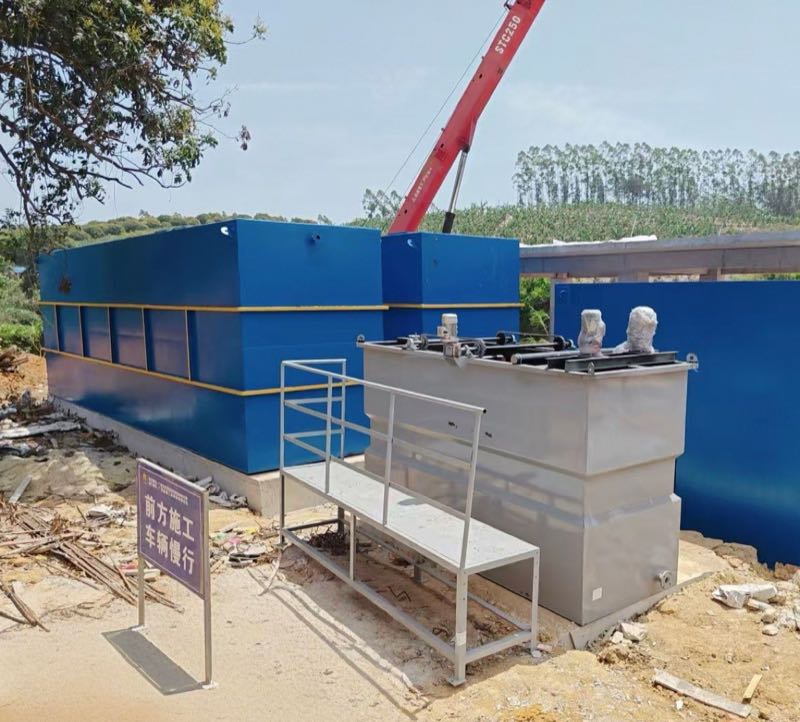
In the realm of physical-chemical and biological treatment, precision is the difference between meeting discharge limits and facing heavy fines. Our Dissolved Air Flotation (DAF) System is engineered under strict ISO protocols. One of the most critical technical checkpoints is the hydraulic pressure test. Every dissolved air vessel we produce undergoes a 100% hydraulic pressure test at 0.6MPa. This exceeds standard operating pressures to ensure that the structural integrity of the vessel is never compromised during the micro-bubble generation process, where pressure fluctuations are common.
Similarly, biological treatment requires extreme consistency in material science. Our MBR Membrane Bioreactor System is manufactured using ISO-certified PVDF (Polyvinylidene Fluoride) materials. By controlling the manufacturing environment, we ensure a consistent 0.1 μm pore size across the entire membrane surface. This level of precision is mandatory for achieving high-quality effluent suitable for reuse, as even a minor deviation in pore size can lead to breakthrough of suspended solids or pathogens.
| Equipment Type | ISO Quality Checkpoint | Technical Parameter |
|---|---|---|
| DAF | Hydraulic Vessel Integrity | 0.6MPa Pressure Test (24 Hours) |
| Integrated MBR | Membrane Pore Consistency | 0.1 μm Nominal Filtration Rating |
| Aeration Systems | Oxygen Transfer Efficiency | Standardized SOTE Testing |
By utilizing standardized manufacturing workflows, an ISO 9001 certified wastewater equipment manufacturer can also reduce lead times by up to 30%. This is achieved through optimized supply chain management and the use of pre-verified modular components. When a client orders an MBR system, the ISO framework allows us to bypass the "trial and error" phase of assembly, moving straight from design approval to precision fabrication. Maintaining this level of accuracy requires a rigorous inspection framework that monitors every stage of production.
Section 3: Quality Control Checkpoints: From Raw Steel to PLC Integration
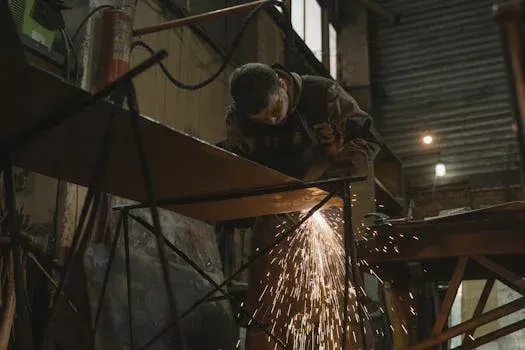
The longevity of industrial equipment is determined by the quality of its invisible components—the internal welds, the circuit logic, and the raw material chemistry. HydropureWater implements a comprehensive 5-stage inspection process that goes beyond the basic requirements of international standards. This process begins with raw material verification, where every plate of stainless steel or carbon steel is checked against its Mill Test Certificate (MTC) to ensure the alloy composition matches the design specifications.
During the fabrication of our Plate and Frame Filter Press, we employ X-ray weld testing on critical structural joints. This ensures that the high clamping pressures required for sludge dewatering do not result in structural fatigue over time. Each filter press is calibrated to handle specific sludge densities, with automated hydraulic systems tested for over 500 opening and closing cycles before they leave our facility. This "stress testing" phase is a hallmark of a dedicated ISO 9001 certified wastewater equipment manufacturer.
For advanced filtration, such as our Industrial Reverse Osmosis (RO) System, the focus shifts to electrical and software reliability. ISO 9001 mandates full traceability, meaning every high-pressure pump, membrane housing, and PLC module in your RO system can be traced back to its specific raw material batch or manufacturing date. To verify system stability, we perform a 48-hour continuous PLC stress test. During this period, the control system is subjected to simulated fluctuating loads and power surge scenarios to ensure the software logic remains stable and the hardware does not overheat. This prevents the common "infant mortality" failures of electronic components once they are installed at a remote project site. These rigorous testing protocols not only ensure immediate performance but also provide the data necessary to support long-term operational guarantees.
Section 4: Risk Mitigation: How Certification Impacts Long-Term Warranty
Choosing an ISO 9001 certified wastewater equipment manufacturer is a strategic financial decision. There is a direct correlation between a manufacturer's quality management and their ability to stand behind their products. Research shows that certified manufacturers are 40% more likely to offer comprehensive extended warranties. This is not a marketing gimmick; it is a calculation based on lower failure data. Because our manufacturing processes are predictable, our risk is lower, and we pass that security onto the buyer.
The implementation of ISO-driven maintenance protocols can effectively extend the lifespan of a sewage treatment plant from the industry-standard 10 years to over 20 years. When equipment is built with traceable parts and standardized tolerances, repairs become predictable rather than reactive. For a detailed breakdown of how manufacturing quality influences long-term costs, buyers should consult our Wastewater Treatment Equipment Warranty Comparison Guide.
Another often-overlooked benefit of the ISO 9001 standard is the "Control of Documented Information." This mandate ensures that spare parts for legacy systems remain available and identifiable for at least 10 years after production has ceased. If a client needs a specific seal for a DAF pump manufactured a decade ago, our QMS ensures that the exact specifications and original supplier data are instantly accessible, preventing the need for costly custom retrofits or premature equipment replacement. Beyond equipment longevity, these standardized records are essential for navigating the complex landscape of international environmental regulations.
Section 5: Global Compliance: Meeting EPA, EU, and World Bank Standards
For international projects, ISO 9001 certification is frequently a non-negotiable prerequisite. Global regulatory bodies and financial institutions, such as the World Bank, require proof of quality management to ensure that invested capital results in functional, long-lasting infrastructure. Alignment with ISO 9001 ensures that all equipment documentation—including material certificates, FAT reports, and O&M manuals—meets the stringent requirements of the EU Industrial Emissions Directive 2010/75/EU.
Equipment manufactured under these rigorous standards helps industrial facilities achieve 99.9% compliance with local discharge permits. By maintaining tight tolerances in equipment like RO systems and MBRs, we help operators consistently hit targets for Chemical Oxygen Demand (COD), Biochemical Oxygen Demand (BOD), and Ammonia Nitrogen. For engineers currently in the procurement phase, our Industrial Wastewater Treatment Equipment Selection Guide provides further insights into matching equipment specs with regional regulatory demands.
Beyond technical compliance, standardized reporting from an ISO 9001 certified wastewater equipment manufacturer simplifies the administrative burden for the end-user. Whether you are applying for environmental insurance or seeking green financing, having a "Quality Passport" for your equipment—a comprehensive dossier of all ISO-mandated inspections—accelerates the approval process. It provides third-party auditors with the objective evidence they need to verify that the facility is built on a foundation of reliability and environmental stewardship. To help clarify the procurement process, we have addressed common questions regarding certification and its impact on equipment quality.
Section 6: FAQs: Choosing an ISO 9001 Certified Manufacturer
How can I verify if a manufacturer's ISO 9001 certificate is legitimate?
Always verify the certification body listed on the document. Reputable manufacturers use internationally recognized registrars such as TUV, SGS, or Intertek. You can use the certificate number to check the status on the registrar's official website to ensure the 9001:2015 certification is valid and hasn't expired.
What is a Factory Acceptance Test (FAT) and why does it matter?
A FAT report is a mandatory output of an ISO-certified production line. It is a documented process where the equipment is operated under simulated field conditions at the factory. This ensures that the system meets all performance specifications before it is crated and shipped, preventing costly on-site modifications.
Does certification cover custom-engineered products?
Yes, but you must check if the certification scope covers "Design and Manufacture." If a manufacturer is only certified for "Sales" or "Assembly," their custom engineering may not follow the same rigorous QMS protocols. HydropureWater maintains certification for the full design and manufacturing scope to ensure custom solutions meet global standards.