What an Equipment Warranty Comparison Must Cover
An equipment warranty comparison for industrial and municipal wastewater plants separates structural coverage from wear parts, labor, and exclusions. Plants typically see 1–2 years on parts and labor, 5–10 years on major vessels, and shorter windows on pumps, valves, and controls. Tiered coverage, not the headline year count, drives lifecycle risk and repair cost.
Food and process plants that miss COD or oil limits pay for both non-compliance and unplanned downtime. Warranty length, parts-versus-labor scope, and transferability change total cost of ownership as much as nameplate capacity. Industry practice still treats about 1–2 years for parts and labor and 5–10 years for major components as a common baseline. Premium tank coverage often runs 10 years to lifetime, while budget packages stay nearer 1–5 years.
Component-level data from water-treatment warranties confirm that pattern. Mineral and brine tanks often carry 5 years to lifetime coverage, while control valves more often sit at 1–5 years (Aqua Clear Water Systems, 2026). Package sewage plants can go further on structure: Graf publishes a 15-year tank warranty with three years on serviceable parts (WCI Group / Graf). Earlier buyer guides often stopped at “up to 10-year or lifetime tanks”; the Graf terms show structural coverage can exceed that band when the manufacturer states it in writing.
HydropureWater DAF systems are specified for about 95% removal under design conditions, so warranty terms should match the mechanical and process risk of that train. A well-structured warranty program has been associated with maintenance-cost reductions of up to 30% when coverage, inspection, and claim paths are defined in the purchase contract. Buyers should still treat brand reputation, spare-parts lead time, and field support as equal decision factors.
Key Components of Wastewater Treatment Equipment Warranties
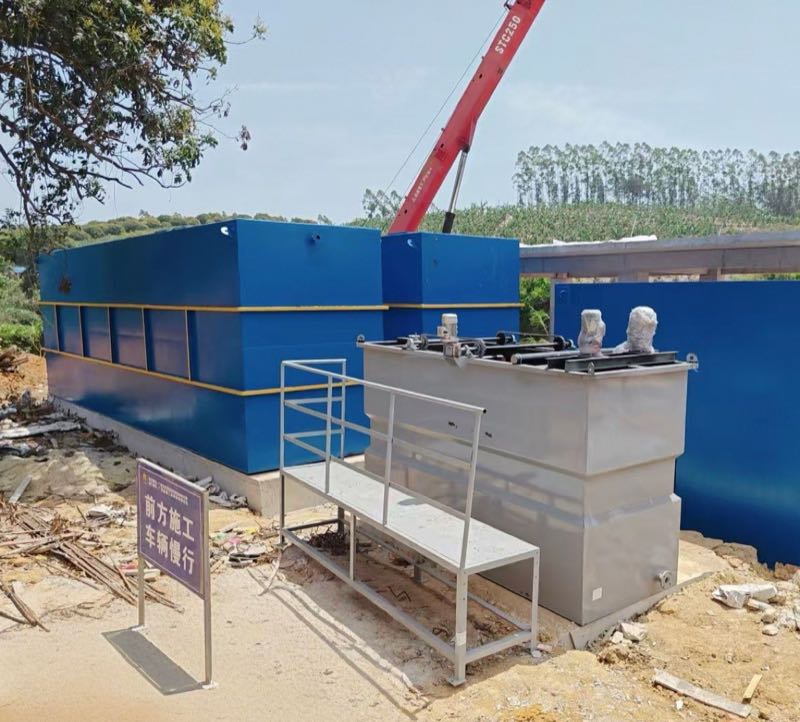
Wastewater treatment equipment warranties break into duration, coverage scope, and exclusions that void claims. Duration alone is a weak signal if labor, freight, or field dismantling sit outside the document. For packaged biological trains, review the warranty attached to units such as the Underground Package Sewage Treatment Plant (WSZ Series) before bid award.
Warranty Duration and Coverage
Warranty duration on wastewater equipment commonly ranges from one year to lifetime on selected static components. Coverage may stop at valves and electronics, or extend to media, tanks, and structural shells. A Dissolved Air Flotation package should state whether the skimmer, saturation system, and tank share one period or separate clocks. The Dissolved Air Flotation (DAF) System warranty should be read as a system document, not a single marketing year.
Exclusions and Limitations
Warranty exclusions for industrial treatment gear usually omit misuse, unauthorized repairs, and damage from feedwater or power outside stated limits. Missed maintenance, non-approved spare parts, and DIY installation are common void conditions on water-treatment gear (Aqua Clear Water Systems, 2026). Operators who map exclusions against their O&M plan reduce denied claims and unplanned capital spend.
Comparing Warranties of Top Wastewater Treatment Equipment Brands
Brand warranty tables for wastewater equipment only help when duration, parts-versus-labor scope, and maintenance duties sit in one view. The matrix below keeps those three columns visible for bid scoring.
Key Warranty Components
A workable wastewater equipment warranty states duration, coverage, and maintenance duties in the same schedule. The following table compares the warranties of top brands:
| Brand | Duration | Coverage | Maintenance Requirements |
|---|---|---|---|
| HydropureWater | 5-10 years | Parts and labor | Regular maintenance and inspection |
| Brand A | 2-5 years | Parts only | Annual maintenance and inspection |
| Brand B | 5-10 years | Parts and labor | Bi-annual maintenance and inspection |
Warranty Comparison
HydropureWater lists 5–10 years with parts and labor under regular inspection. Brand A lists 2–5 years on parts only with annual maintenance. Brand B matches the 5–10 year parts-and-labor band but requires bi-annual inspection, which raises owner labor hours.
DAF trains that target about 95% removal still need scheduled inspection written into the warranty path. Parts-only offers shift field labor and freight onto the plant from day one, which changes the true five-year cost even when the purchase price looks lower.
How do Suez and Ovivo warranties typically compare?
Suez (now largely under Veolia for water technologies) and Ovivo compete on MBBR/IFAS fit more than on a single shared warranty template. Process selection should follow kinetics, sieve design, media strategy, and integrator scope first. Warranty language then needs a line-by-line read for startup clock, shipment clock, labor, and media attrition. Use the same checklist on every OEM so brand preference does not hide a parts-only or short commercial window.
How to Choose the Best Wastewater Treatment Equipment Warranty for Your Needs
Buyers choose a wastewater equipment warranty by running a side-by-side equipment warranty comparison that matches coverage length, labor inclusion, and exclusions to duty cycle and spare-parts lead time. Quote packages that hide component clocks behind one headline year create false equivalence at bid opening.
The following table provides a comparison of typical warranty components:
| Warranty Component | Typical Coverage |
|---|---|
| Equipment lifespan | 5-10 years |
| Parts and labor | 1-5 years |
| Corrosion protection | 5-10 years |
HydropureWater DAF packages that target about 95% removal under design conditions commonly pair that performance claim with parts-and-labor coverage for up to 5 years when the contract states it. Commercial water-treatment warranties are often far shorter than residential ones; some commercial schedules cover unnamed components for only one year from purchase (Aqua Clear Water Systems, 2026). Score labor inclusion, registration deadlines, and consumable exclusions before award.
What drives industrial treatment equipment cost beyond price?
Industrial wastewater equipment cost beyond purchase price is driven by labor under warranty, freight on returned parts, mandatory service intervals, and downtime risk. A parts-only 2–5 year offer can cost more over five years than a 5–10 year parts-and-labor offer when technician rates and travel apply. Pair warranty scoring with an Industrial Wastewater Treatment Equipment Selection review so process fit and commercial terms move together.
Selection checklist before you sign
- Break coverage by tank, pump, valve, media, and controls—not one headline year.
- Confirm whether field labor, dismantling, and reinstallation are included.
- List exclusions tied to feedwater limits, power quality, and unauthorized parts.
- Record required inspection intervals and who must perform them.
- Check transferability if the asset may change ownership or site.
- Align claim clocks with startup date versus shipment date in writing.
- Size the plant correctly using a Wastewater Treatment System Sizing Guide so overload does not void coverage.
Case Studies: Real-World Examples of Wastewater Treatment Equipment Warranties in Action
Warranty programs that bundle inspection and repair can cut downtime when the plant actually uses the claim path. One large industrial facility reported about 30% less downtime and about 25% lower maintenance cost after adopting a structured warranty-plus-service program. That outcome depends on documented maintenance and clear coverage for pumps, tanks, and controls.
The following table illustrates the key components of the warranty program:
| Component | Warranty Period | Coverage |
|---|---|---|
| Pumps | 5 years | Parts and labor |
| Treatment tanks | 10 years | Materials and workmanship |
| Control systems | 2 years | Parts and labor |
Plants that match those component clocks to required capacity avoid both under-sizing and warranty disputes. Revisit hydraulic and load assumptions in the Wastewater Treatment System Sizing Guide: How to Calculate Capacity for Industrial & Municipal Needs when duty changes mid-contract.
Who This Is For
This guide is for plant engineers, EPC buyers, and procurement teams comparing industrial or municipal treatment warranties before award. It is less useful for residential softener shoppers who need dealer-only consumer terms. If you are scoring packaged biological units such as the Underground Package Sewage Treatment Plant (WSZ Series) or DAF bids now, request the component warranty schedule with your next inquiry. That keeps labor scope and exclusions visible before price is locked.
Frequently Asked Questions
What is a normal warranty length for industrial wastewater equipment?
Most industrial packages still sit near 1–2 years for parts and labor and 5–10 years for major vessels when the contract is explicit. Budget offers often stay in a 1–5 year band, while premium tanks may reach 10 years to lifetime. Always read component clocks; a headline decade usually applies to the longest static part, not every rotating assembly.
Should I prefer parts-and-labor coverage over parts-only?
Parts-and-labor coverage usually lowers five-year ownership cost when field rates and travel are high. Parts-only shifts technician time and often freight onto the owner from the first claim. For remote sites or high-duty DAF and biological trains, labor inclusion is often worth more than a slightly longer parts-only year count.
Do tank warranties and serviceable-part warranties match?
They rarely match. Structural tanks can carry 5–15 years while pumps, valves, and other serviceable parts stay near 1–3 years in published package-plant examples such as Graf’s 15-year tank and three-year parts terms. Score both lines separately so a long tank number does not hide short rotating-equipment risk.
Can missed maintenance void a wastewater equipment warranty?
Yes. Missed service, non-approved parts, feedwater outside limits, and unauthorized modifications are common void conditions on water-treatment warranties. Keep inspection logs, spare-part invoices, and startup records aligned with the written maintenance schedule if you expect claims to be honored.
How should warranty scoring sit beside process selection?
Process fit comes first: MBBR/IFAS, DAF, or packaged biology must meet load and permit limits before warranty points matter. After shortlisting OEMs on process, score duration, labor, exclusions, and claim clocks with the same checklist. That order prevents buying a strong warranty on the wrong unit process.