What MBBR Can and Cannot Do in Fish Processing
MBBR can treat the soluble biodegradable fraction of fish processing wastewater when high solids, oil and grease, and other shock loads are controlled upstream. Floating media support attached biofilms for organic-matter oxidation, while aerobic and anoxic zones can provide nitrification and denitrification. A related 2019 study using Kaldnes K1 at 20% fill reduced COD from 910 mg/L to 56.3 mg/L and BOD from 441 mg/L to 39.67 mg/L after 10 days, but these figures are not fish-processing guarantees. Final design requires a site-specific wastewater characterization and permit review.
An industrial wastewater MBBR is a continuous-flow biological process in which microorganisms attached to suspended carriers consume biodegradable organics under controlled oxygen conditions. That makes it a biological conversion step, not a solids-removal or disinfection device. Fish-processing effluent may contain flesh particles, blood, fish residues, fats, oils, suspended solids, cleaning chemicals and variable organic loads. Equalization, screening and oil and grease control therefore determine whether the biological stage receives a feed it can treat.
The 2021 Aquaculture and Fisheries review examined moving bed bioreactors for recirculating aquaculture systems rather than fish-processing effluent. Its relevance is limited but useful: it identifies salinity, organic matter, disinfectant effects and reactor start-up as factors that can alter MBBBR performance, and it discusses nitrification, simultaneous nitrification-denitrification and hybrid nitrogen-removal concepts. Those findings support a site-specific review; they do not transfer aquaculture performance data to a food-processing plant.
MBBR cannot establish a discharge or reuse limit by itself, nor guarantee a fish-processing effluent result without wastewater characterization, appropriate pilot work where uncertainty remains, and review of applicable regulatory requirements. A defensible design also reserves space for downstream solids separation and any required disinfection. For broader process context, see MBBR design for food processing wastewater.
Characterize the Waste Before Sizing the Reactor
A single grab sample cannot support reactor sizing for fish processing effluent because production, washing, cleaning and discharge conditions create different pollutant fractions. The design basis should come from a representative sampling program covering normal production, peak washing, cleaning and discharge periods, with the frequency agreed around the plant’s operating calendar.
Separate streams where their character differs: fish cutting and gutting, washing, fillet processing, equipment cleaning and sanitation should not be combined simply because they share a collection header. The engineer should document how much each stream contributes and whether segregation is practical. Seasonal or campaign variation also matters because fish-processing output and wash-water production can change through the production cycle.
The municipal MBBR study in Applied and Environmental Microbiology supports a time-based approach: investigators collected monthly biofilm and suspended-biomass samples over 12 months and found that treatment systems and microbial communities change over time. That finding is qualitative evidence for recurring monitoring, not a fish-processing sampling rule.
| Parameter to establish | Why it affects the design | Buyer should request |
|---|---|---|
| Flow and production schedule | Defines hydraulic and organic loading patterns. | Time series covering normal, peak, cleaning and discharge periods. |
| pH and temperature | Influence biological activity, chemical dosing and disinfection requirements. | Diurnal and campaign-based values where relevant. |
| BOD and COD | Indicate biodegradable organic loading and the treatment basis. | Representative concentrations and load calculations. |
| Suspended solids and oil and grease | Determine pretreatment and solids-handling duties. | Stream-specific results and proposed removal points. |
| Ammonia and total nitrogen | Define the need for nitrification, denitrification and carbon balance. | Influent and effluent targets tied to permit or reuse requirements. |
| Salinity and disinfectant residual | May inhibit or alter biological activity and start-up. | Measured ranges, cleaning practices and chemical-use records. |
No acceptance value, loading rate or reactor volume should be assumed from this list. The supplier should show how each design parameter follows from the measured waste. When comparing pretreatment scopes, choosing between a DAF system and a full ETP provides a useful frame for defining treatment objectives before equipment is selected.
Build a Pretreatment Train That Protects the Biofilm
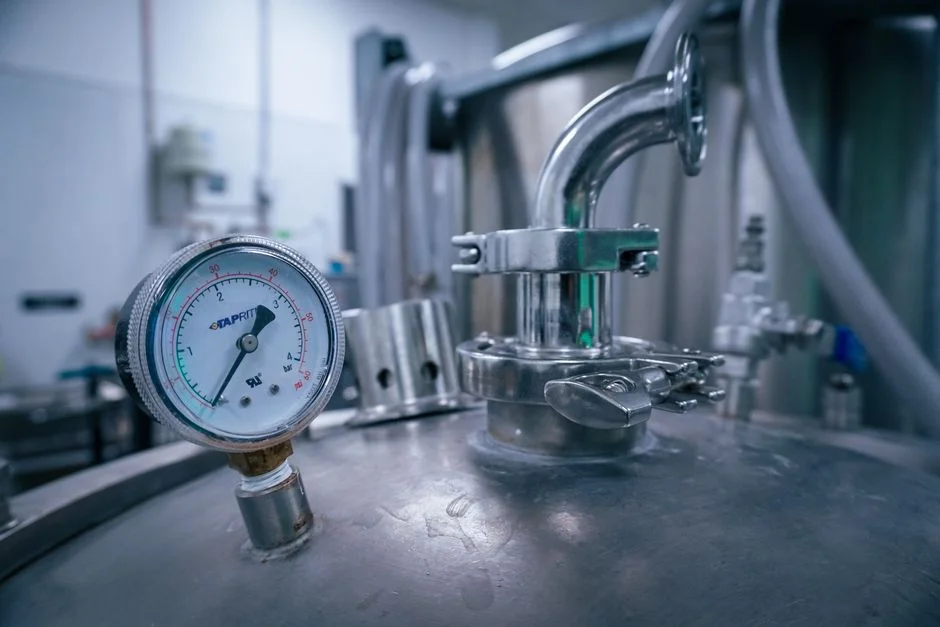
The biological reactor should receive a stable feed after bulk material has been removed and flow equalized. A practical process sequence is source segregation and collection, fine screening, equalization, oil and grease or suspended-solids control, pH adjustment where needed, biological treatment, solids separation, and final disinfection or reuse treatment as required.
DAF is a pretreatment option for floatable material, oil and grease, colloids and suspended solids that could foul carrier surfaces or interfere with downstream clarification. A DAF pretreatment system for fish processing wastewater must be selected against measured flow and contaminant loads, not an assumed design flow. HydropureWater’s DAF product information states a 4–300 m³/h range and 13 standard models; these are catalog parameters, not a recommended plant size for this application.
Fine screening may also be required before equalization. A rotary mechanical bar screen for pretreatment can form part of the solids-control scope, but opening size, duty and extracted-solids handling should match the fish-residue characteristics.
| Process step | Primary duty | Design check before MBBR |
|---|---|---|
| Segregation and collection | Keeps high-strength or chemically distinct streams separate. | Stream inventory, controllable drainage and production changes. |
| Fine screening | Removes flesh, fish residues and other coarse solids. | Screen aperture, extracted-solids disposal and carryover. |
| Equalization and flow control | Dampens hydraulic and organic peaks. | Measured flow series and equalization performance criteria. |
| DAF or solids control | Removes floatables, oil, grease, colloids and suspended solids. | Pollutant mass loading, flotation performance and sludge handling. |
| pH control, if required | Protects biological activity and chemical reactions. | Target operating range and automatic dosing response. |
The 2019 Tanjungpura University laundry study found reductions in COD, BOD, phosphate and surfactant using Kaldnes K1, but its 20% media fill, 15-day seeding period and 6-, 8- and 10-day treatment sequence are not fish-processing design values. If a newly loaded reactor loses organic-removal performance, check upstream solids carryover, oil and grease, pH, oxygen transfer and biofilm condition before increasing capacity.
Design Aerobic and Anoxic MBBR Stages for Organic and Nitrogen Removal
Aerobic and anoxic zones should be assigned different biological duties rather than treated as one universal tank. In the aerobic zone, attached organisms oxidize biodegradable organics and, where conditions support it, oxidize ammonia to nitrate. The anoxic zone maintains low oxygen so denitrifying organisms can use nitrate as an electron acceptor. That reaction requires available carbon; the engineer must establish a carbon balance instead of assuming the fish-processing stream supplies enough.
The 2014 International Journal of Molecular Sciences study showed that carrier pores can support stratified microbial communities, including nitrifying and anammox organisms. The carrier interior and exterior biofilm layers experience different mass-transfer conditions, so pore geometry, biofilm thickness and oxygen availability affect the active biological habitat.
The 2021 Aquaculture and Fisheries review describes nitrification, simultaneous nitrification-denitrification and hybrid nitrogen-removal approaches. These are engineering options, not a default recipe. The applicable arrangement depends on the measured ammonia and nitrate load, residual carbon, hydraulic conditions and the required nitrogen outcome. High-organic-load MBBR design can help frame the need to resolve carbon demand and stage configuration together.
The 2019 laundry results illustrate what one carrier and wastewater combination produced, not what fish processing will produce. After 10 days, Tanjungpura University reported COD falling from 910 mg/L to 56.3 mg/L, BOD from 441 mg/L to 39.67 mg/L, phosphate from 38.24 mg/L to 5.31 mg/L, and surfactant from 47.8 mg/L to 5.62 mg/L. The source scope was laundry wastewater, so quoting these values as fish-processing guarantees would be technically wrong.
| Design item | Basis required from site data | Question the proposal must answer |
|---|---|---|
| Reactor volume and stage split | Measured flow, BOD, COD, ammonia, nitrogen and operating variation. | Which calculation and worst-case condition govern the volume? |
| Media fill and hydraulic retention | Carrier characteristics, oxygen transfer, mixing and pilot evidence where used. | How are fill fraction and retention linked to treatment performance? |
| Aeration | Oxygen demand, aerobic-zone objectives and process configuration. | How will dissolved oxygen be measured and controlled by zone? |
| Anoxic carbon | Influent biodegradable carbon and denitrification requirements. | Is external carbon needed, and how is its dose controlled? |
The supplied research does not establish fish-processing reactor volume, media fill, hydraulic retention, aeration capacity or loading rates. Those values must remain open until the site data and applicable permit criteria are supplied.
Select Carrier Media on Performance Evidence, Not Surface Area Alone

Carrier comparison should be based on protected active surface area per cubic metre of reactor, expressed on the same basis across suppliers. Carrier volume, shape and nominal area alone do not establish performance in fish-processing effluent. The proposal should also address mixing, biofilm retention, abrasion resistance, cleanability, material composition, replacement strategy and behavior under the project’s salinity, pH and temperature conditions.
Ecologix states that its Eco Chip provides more than 5,500 m²/m³ of active surface area. That figure is a supplier claim about its own product, not an independently established fish-processing performance guarantee. A buyer should request the basis and test method, then compare it with competing media without changing the measurement basis.
The same commercial source describes self-cleaning through carrier movement and shear: protected biofilm remains inside pores while shear keeps exterior growth thinner. That mechanism may help maintain usable surface area, but it does not remove the need for upstream solids control. Fish-processing carryover can still clog carriers or reduce active area.
| Selection criterion | Evidence to request | Reason for the buyer |
|---|---|---|
| Protected active surface area | Supplier value, test basis and a like-for-like comparison. | Supports comparison, but does not replace site loading calculations. |
| Biofilm retention and mixing | Demonstrated carrier movement and retention in comparable geometry. | Prevents loss of active biomass and uneven contact. |
| Cleanability and clogging resistance | Operating evidence relevant to the proposed wastewater. | Addresses solids and biofilm accumulation. |
| Material and durability | Composition, abrasion information and replacement planning. | Supports long-term operability and cost review. |
| Application evidence | Comparable projects and clearly stated wastewater scope. | Distinguishes relevant data from generic performance claims. |
Tanjungpura University used Kaldnes K1 in its 2019 laundry study and recommended further research on media-fill volume, longer treatment times and carrier type. That recommendation is important for procurement: Kaldnes K1 is an example in the evidence, not a universal selection for fish processing. The supplier scope for carrier media, valves and related treatment parts should identify exactly what is supplied and under what conditions.
Build Monitoring and Start-Up Controls Around the Biofilm
Commissioning should proceed in a controlled sequence: verify pretreatment, seed with appropriate biomass or use a defined acclimation method, establish carrier motion, control dissolved oxygen by zone, and increase organic loading only after the biofilm stabilizes. The objective is to establish stable treatment evidence, not simply to start feeding the full design load.
The 2019 Tanjungpura University study used a 15-day seeding period and evaluated treatment at 6, 8 and 10 days. That is one documented example for laundry wastewater, not a universal start-up duration. Fish-processing start-up depends on wastewater characteristics, inoculum, temperature, loading and measurable stabilization criteria.
Operations should combine rapid field trends with periodic laboratory sampling. Useful parameters include flow, pH, temperature, dissolved oxygen, carrier condition, BOD, COD, suspended solids, ammonia and nitrate. Sampling frequency and operating bands should be set by the operating plan and permit requirements.
For rising ammonia or COD, use a fixed escalation sequence. First check hydraulic shock and upstream solids carryover, then pH, aeration and carrier movement, and finally inspect biofilm condition and possible inhibitor effects. This order prevents the biological stage from being blamed for a pretreatment or control problem. The municipal MBBR study’s 12-month monthly sampling also demonstrates why one commissioning sample is insufficient for long-term performance management.
Chemical dosing should be linked to measured demand and operating control rather than fixed consumption. An automatic chemical dosing system for pH or pretreatment control should include the proposed control logic, duty, reagent compatibility and verification method.
Decide Where MBBR, DAF and Solids Separation Fit
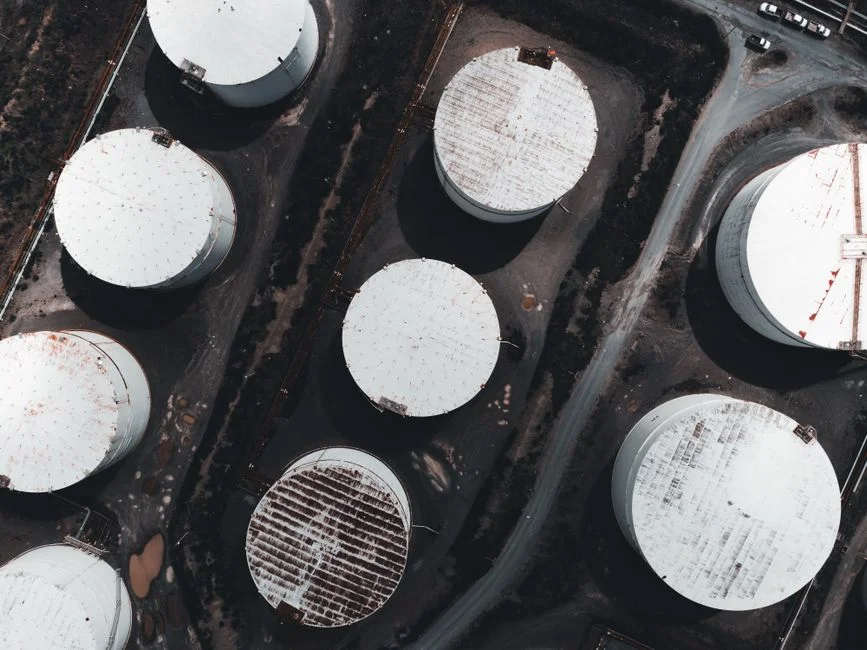
The equipment sequence follows from pollutant duty: DAF handles floatables, oil and grease, colloids and suspended solids; MBBR performs biological organic oxidation and, with appropriate aerobic and anoxic zoning, nitrogen-management duties; clarification or filtration handles solids leaving the biological process.
HydropureWater’s DAF catalog information states an equipment range of 4–300 m³/h and 13 standard models. This identifies available equipment configurations, not a recommended capacity for a fish-processing facility. The correct operating point requires the measured flow, pollutant loading, flotation performance and sludge-handling basis.
The MBBR outlet is not automatically suitable for reuse or discharge. Biological treatment can produce excess biomass, and the carrier stage does not replace solids separation. Where a sedimentation duty is required, a high-efficiency sedimentation tank for MBBR effluent is a candidate technology; its catalog information states a 20–40 m/h surface-loading range, which is supplier information rather than a project recommendation.
| Unit | Credible primary duty | Selection limitation |
|---|---|---|
| DAF | Remove floatables, oil and grease, colloids and suspended solids before the biological stage. | Requires site loading, performance and sludge-handling data. |
| Aerobic and anoxic MBBR | Biodegradable organic oxidation and configured nitrogen treatment. | Does not replace solids separation or establish discharge compliance. |
| Clarification or filtration | Separate biological solids and residual suspended material. | Final duty depends on effluent quality and reuse or discharge criteria. |
| Disinfection | Address the project’s defined microbial-control requirement. | Requires a validated dose, contact arrangement and residual strategy. |
A chlorine dioxide generator for project-specific disinfection offers on-site generation and automated configurations stated by the supplier from 50 g/h to 20,000 g/h. This range is equipment information only. It should not be presented as proof that MBBR effluent meets microbial limits without an appropriate disinfection design.
Specify a Supplier Proposal That Can Be Compared
A comparable proposal must begin with the project’s engineering basis, not a reactor size. Require the design wastewater flow, representative influent dataset, applicable discharge or reuse requirements, treatment objectives, pretreatment assumptions and proposed performance-test methods.
The technical scope should include a process flow, equipment schedule, media quantity, aerobic-anoxic configuration, aeration design, controls philosophy, utility demand, installation requirements and operating and maintenance scope. A supplier should also state which design values are calculated, which are assumed and which require pilot validation.
Ask for comparable reference projects and identify the wastewater behind each performance claim. Fish-processing evidence is directly relevant; another food-processing stream is a weaker comparison, and unrelated industrial wastewater has limited value. The 2019 laundry results are context, not a procurement guarantee. A responsible proposal must use fish-processing wastewater data and address remaining uncertainty through pilot or validation work.
Service terms matter as much as equipment. Define start-up support, operator training, commissioning acceptance tests, spare-parts availability, media replacement planning, troubleshooting responsibility and performance verification. Where cost is a decision factor, request a transparent cost breakdown for pretreatment, media, tankage, aeration, controls, installation and ongoing operation. The wastewater-treatment maintenance cost planning guide can support that review, but it does not replace a project quotation.
Frequently Asked Questions
How much does an MBBR system for fish processing wastewater cost?
The supplied research contains no defensible cost range for an MBBR serving fish-processing wastewater. A quotation requires the design flow, measured wastewater characteristics, pretreatment scope, nitrogen objectives, carrier quantity, tankage, aeration, controls, installation requirements and operating assumptions. Request an itemized offer with exclusions, utilities, maintenance and media replacement identified.
Can an MBBR handle the entire fish processing wastewater stream?
Usually not as a stand-alone train. Bulk solids, oil and grease, cleaning chemicals and sanitizing residuals may require screening, DAF, equalization or chemical control before biological treatment. Final clarification, filtration and disinfection depend on the discharge or reuse requirements. Decide treatment duties by pollutant fraction rather than treating the whole stream as one bioreactor load.
How do I select an MBBR supplier for a fish processing plant?
Request the site-specific design basis, process flow, equipment schedule, carrier evidence, comparable references, start-up support and measurable acceptance tests. The supplier should explain how reactor volume, media fill, stage split and aeration follow from the submitted wastewater data. Do not accept a generic performance guarantee that does not identify its wastewater scope or test method.
How long does an MBBR take to start?
The 2019 Tanjungpura University laundry study used 15 days for seeding and evaluated treatment at 6, 8 and 10 days, but that duration is not a fish-processing design rule. Startup must be based on inoculum, temperature, loading, wastewater characteristics and defined evidence of biofilm stabilization before the design load is accepted.
Is DAF better than MBBR for fish processing wastewater?
They address different duties. DAF removes floatables, oil and grease, colloids and suspended solids; MBBR performs biological organic oxidation and potentially nitrogen removal. They are often used in sequence: DAF protects and conditions the feed for MBBR, while downstream clarification handles biological solids. For related application context, see MBBR treatment design for another high-organic-load industrial stream.
Related Equipment
- DAF pretreatment for fish processing wastewater — specifications, capacity range, and technical data