Define the Wastewater and Discharge Route Before Choosing Equipment
An effluent treatment plant in Dakar should be selected from the actual wastewater, required effluent quality and final discharge or reuse route—not from a generic package specification. Industrial flows containing oil, grease or suspended solids may require pretreatment such as DAF, which HydropureWater offers from 4–300 m³/h. Municipal sewage or lower-strength process flows may suit the WSZ biological package at 1–80 m³/h, while MBR systems from 10–2,000 m³/day provide filtration below 1 μm. A representative wastewater analysis, flow survey, operating schedule and local permit criteria must be included in the supplier brief.
Flow rate alone does not define the treatment duty. Request a representative wastewater characterization covering the operating schedule, pH, suspended solids, oil and grease, biochemical oxygen demand, chemical oxygen demand, nutrients, metals, color and any process-specific contaminants. The sampling plan should identify whether samples represent normal production, peak discharge, batch dumps, cleaning operations or seasonal changes. A composite sample may be appropriate for routine wastewater characterization, while individual event samples may be needed to characterize intermittent discharges.
Map the final route before procurement. A municipal sewer discharge, direct environmental discharge, controlled reuse or higher-grade reclamation imposes different treatment objectives and evidence requirements. The receiving authority may also impose sewer acceptance conditions, pretreatment requirements or restrictions that are not visible in a general discharge permit. Confirm the applicable requirements with the relevant Senegalese and Dakar authorities; the supplied research does not contain a Dakar limit table, so imported regulatory thresholds should not be presented as local requirements.
Each quotation should identify the pollutant-removal duty assigned to every proposed stage. Ask the supplier to identify the expected influent range, treatment mechanism, chemical assumptions, generated sludge or waste streams, and the parameters used to demonstrate performance. Where fibrous material, plastics or rags could overload downstream equipment, a GX Series rotary mechanical bar screen can be evaluated as headworks protection rather than treated as an automatic process-selection criterion.
| Procurement input | Information to obtain | Decision affected |
|---|---|---|
| Representative wastewater | Flow, operating pattern, pH, solids, oil and grease, BOD, COD, nutrients, metals, color and process-specific contaminants | Unit selection, chemical dosing and biological loading |
| Final destination | Municipal sewer, direct environmental discharge, controlled reuse or higher-grade reclamation | Required effluent quality and treatment train |
| Authority requirements | Permit conditions, sewer acceptance rules and project-specific reuse criteria | Contractual compliance and acceptance tests |
| Site and operations | Footprint, utilities, operating hours, future expansion, sludge route and access for maintenance | Configuration, footprint, controls and lifecycle cost |
Match the Treatment Train to the Industrial Wastewater
A complete treatment train assigns each process stage a specific contaminant-removal duty before equipment is selected. The supplier’s proposal should therefore read as a process sequence, not merely a list of packaged units. Screening protects downstream equipment; equalization controls hydraulic and loading variation; physical-chemical pretreatment removes separable contaminants; biological treatment addresses biodegradable organics; clarification or membrane separation captures solids; filtration and disinfection provide downstream barriers where required.
Use the GX Series rotary mechanical bar screen as headworks protection where rags, plastics, fibrous debris and suspended solids could overload downstream pumps, valves or biological processes. It does not replace equalization, grease removal or biological treatment. Equalization must also be evaluated where intermittent production discharges would otherwise create hydraulic shocks.
For oil, grease, free oil and other floatable contaminants, evaluate an industrial DAF system for oil, grease and solids removal. HydropureWater DAF systems cover 4–300 m³/h across 13 standard models, use micro-bubble technology and include automatic skimming. DAF is not interchangeable with biological treatment: its duty depends on contaminant properties, pH, chemical conditioning and the ability to remove and manage recovered sludge or oil.
For suitable sewage and wastewater duties, the WSZ integrated biological treatment package combines anoxic and aerobic contact oxidation, sedimentation and disinfection in one buried unit. HydropureWater lists capacities from 1–80 m³/h. Suitability must be established from the wastewater characterization, hydraulic loading, biological treatment requirements, solids separation and destination—not from the package description alone.
Where biological treatment and membrane solids separation are required, evaluate the integrated MBR wastewater treatment system. HydropureWater MBR systems cover 10–2,000 m³/day, provide filtration below 1 μm and are stated to occupy 60% less footprint than conventional systems. UF is a different barrier: HydropureWater UF systems provide 2,000–40,000 L/h through 0.03 μm PVDF membranes, accept turbidity up to 300 ppm and use automatic backwash and air scour. Use UF for solids removal or RO pretreatment where the feed and required finish justify it, not as an assumed substitute for biological treatment.
Disinfection follows the solids and organic-load removal needed for the selected route. The HydropureWater chlorine dioxide range covers 50–20,000 g/h and is stated for configurations including industrial cooling loops, hospital effluent, process wastewater and municipal drinking water. The proposed dose and contact arrangement must follow the confirmed discharge or reuse criteria rather than a generic equipment output.
| Stage | Primary duty | Relevant option | Buyer check |
|---|---|---|---|
| Headworks | Remove rags, plastics and fibrous debris | GX Series rotary mechanical bar screen | Screen size, capacity, extracted-material handling and maintenance access |
| Physical-chemical pretreatment | Remove oil, grease, floatables and suspended solids | DAF, 4–300 m³/h across 13 standard models | Contaminant basis, chemical demand, skimming and sludge route |
| Biological treatment | Remove biodegradable organics | WSZ, 1–80 m³/h | Influent loading, aeration, settling and destination requirements |
| Integrated membrane separation | Combine biological treatment with membrane solids separation | MBR, 10–2,000 m³/day | Membrane duty, cleaning, replacement and peak-flow response |
| Polishing | Provide a fine solids barrier or RO pretreatment | UF, 2,000–40,000 L/h through 0.03 μm PVDF membranes | Feed turbidity, backwash, recovery and downstream acceptance |
| Disinfection | Inactivate pathogens as required | ClO₂, 50–20,000 g/h | Confirmed target, dose, contact and monitoring method |
Decide Between Packaged Biological Treatment and MBR
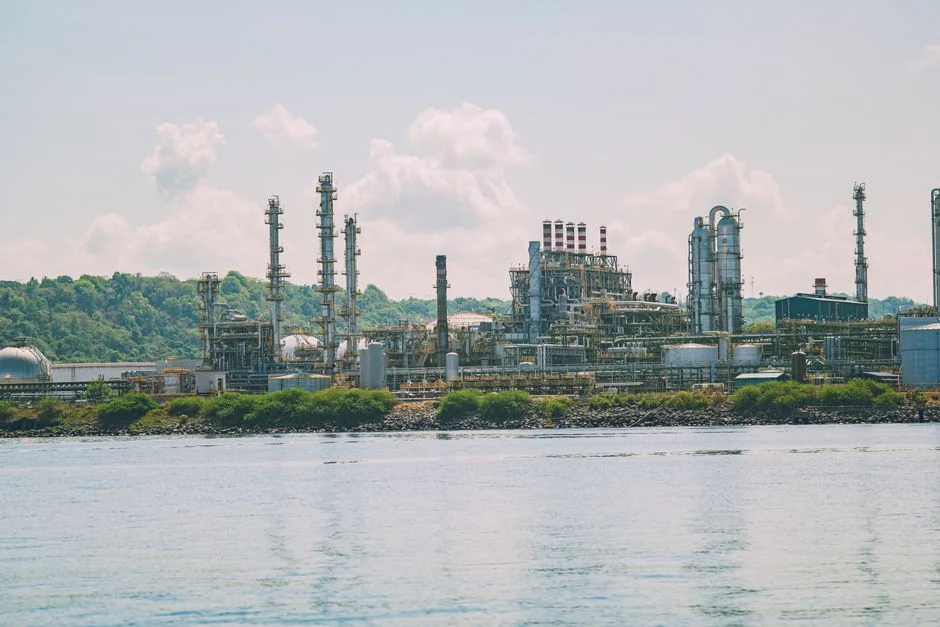
WSZ and MBR should be compared by project requirements rather than treated as interchangeable products. WSZ is a candidate when the wastewater falls within its 1–80 m³/h range, a compact buried installation has engineering or land value, and the project does not require membrane-grade solids separation. Its integrated anoxic and aerobic contact oxidation, sedimentation and disinfection arrangement reduces the number of separately specified process units, but suitability still depends on the influent and receiving route.
MBR becomes the stronger candidate when the duty falls within 10–2,000 m³/day and the required finish calls for an integrated activated-sludge and submerged-membrane process. HydropureWater states that its MBR systems provide filtration below 1 μm. That separation capability can be relevant where the receiving route or controlled reuse application requires a more refined solids barrier, but it introduces membrane cleaning, replacement and integrity-management obligations that must be priced and assigned.
| Decision factor | WSZ | MBR |
|---|---|---|
| Stated capacity range | 1–80 m³/h | 10–2,000 m³/day |
| Process configuration | Integrated biological treatment, sedimentation and disinfection in one buried unit | Integrated biological treatment and submerged-membrane separation |
| Separation objective | Evaluate against the required effluent quality | Filtration stated below 1 μm |
| Buyer focus | Footprint, biological loading, settling and destination suitability | Footprint, membrane maintenance, energy demand, peak-flow response and reuse target |
Ask each bidder to compare the same project basis: footprint, mechanical complexity, operator requirements, peak-flow response, energy demand, membrane or media replacement, maintenance access, downtime strategy and lifecycle cost. For a broader equipment comparison, use the package versus conventional wastewater treatment comparison.
Higher-grade reuse may require polishing beyond the selected biological process. A University of Twente thesis identifies nanofiltration as a technique for polishing wastewater treatment plant effluent to EU Water Framework Directive standards and for agricultural or direct and indirect potable-use applications. Those findings are research evidence, not Senegalese approval criteria; do not transfer the EU standard to Dakar without local confirmation.
For persistent micropollutants, a 2022 Wageningen University thesis documents research into constructed wetlands for removing them from wastewater treatment plant effluent. Feasibility still requires testing against the actual flow, climate, land availability and effluent matrix. The high-efficiency sedimentation tank may be relevant to solids separation, but it should not be credited with micropollutant removal unless project-specific evidence supports that claim.
Build a Supplier-Ready Technical and Commercial Brief
Comparable quotations require the same verified inputs, performance basis and commercial scope. The brief should contain the wastewater characterization, diurnal and seasonal flow data, available footprint, utilities, operating hours, desired reuse outcome, sludge-handling route and applicable authority requirements. If some data is missing, state the assumption and require the bidder to identify it rather than silently price around it.
Each bid should state the proposed process, unit-by-unit sizing basis, design influent, required effluent parameters, test methods, performance guarantees, equipment scope, civil works, controls and utility requirements. Capacity quoted in m³/h or m³/day is not an effluent quality guarantee. Require the guarantee to state the representative sample or sampling campaign, parameters, limits, measurement locations, test methods, operating conditions and remedy for non-conformance.
The leading commercial result reviewed for this guide describes site inspection before customized plant selection. That practice should be converted into contractual deliverables: inspection report, sampling plan, equipment selection calculations, agreed design assumptions and acceptance criteria. Ask whether inspection and representative wastewater sampling are included, who performs the tests, and whether results from atypical batch discharges are covered.
| Commercial element | Question for each bidder | Evidence to request |
|---|---|---|
| Design basis | What flow, influent range and operating schedule were used? | Calculation notes and stated assumptions |
| Performance | What effluent parameters are guaranteed, under what conditions? | Performance guarantee and test protocol |
| Scope boundary | Are delivery, installation, civil works, controls and commissioning included? | Exclusion list and responsibility matrix |
| Operations | Are training, preventive maintenance, consumables and replacements included? | O&M scope and support schedule |
| Sludge | What is the route for DAF float, biological solids or filter-press cake? | Mass balance, storage, transport and dewatering plan |
Separate equipment delivery from installation, commissioning, operator training, preventive maintenance, membrane or media replacement, performance testing and long-term spare-parts support. Chemical dosing must also be defined, including the duty, storage, containment, metering and control philosophy for an automatic chemical dosing system.
For sludge-producing processes, obtain a defined dewatering route. HydropureWater plate and frame filter presses cover filtration areas from 1 m² to 500 m² with manual, hydraulic or fully automatic PLC-controlled operation. The relevant plate and frame filter press should be sized around the expected sludge characteristics, operating cycle and disposal route. A reliable budget and implementation schedule cannot be prepared from headline plant capacity alone; request itemized pricing, freight, installation, commissioning, utilities, civil works, consumables, maintenance and long-term support.
Plan Commissioning, Monitoring and Long-Term Operation
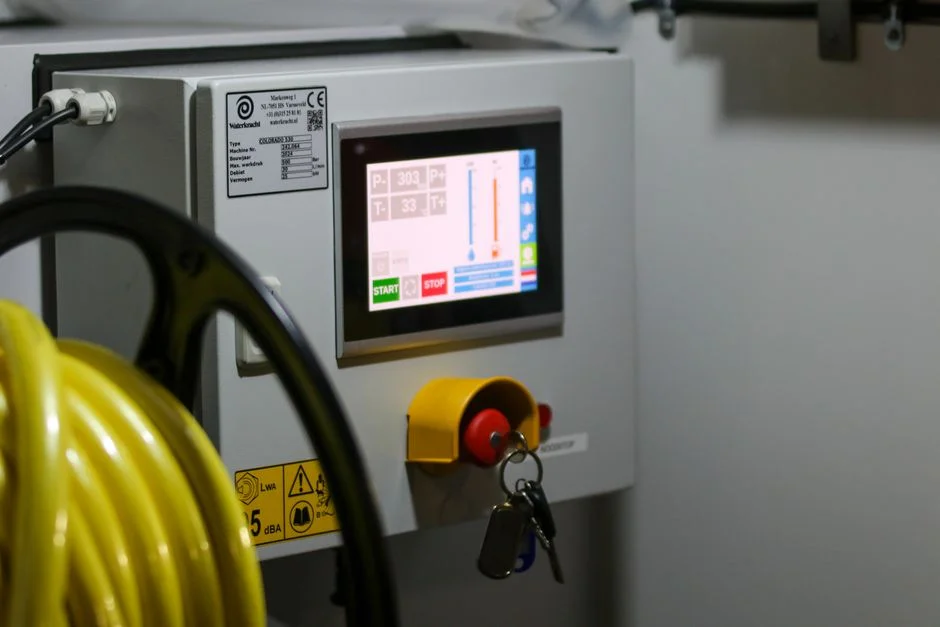
Acceptance should test the installed process with the factory’s representative wastewater, not only verify that individual units start. Make influent characterization, equipment delivery, installation, wet commissioning, operator training and performance testing separate contractual milestones. Define the responsibilities, witness points and acceptance evidence for each stage so a delay or failed test is attributed clearly.
Specify sampling points, monitoring frequency, laboratory methods, alarm conditions and corrective-action responsibilities before contract execution. These should include the parameters identified during wastewater characterization and the pollutants relevant to the confirmed discharge or reuse route. Contract language should distinguish temporary commissioning results from the formal performance test and state what happens if the test cannot be interpreted because the wastewater differs from the agreed design basis.
Define routine work for screens, DAF skimming, pumps, MBR membranes, UF backwash, chemical dosing, disinfection and sludge dewatering. Name the service interval, responsible party, consumables, access requirement and expected operating effect for each task. For a packaged biological plant, operator competency and access to control functions are especially important because process changes can affect biological performance even when the equipment remains available.
Require access to membrane elements, filter elements and critical spares. HydropureWater supplies RO and UF membranes, filter cartridges and membrane pressure vessels compatible with plants from any original supplier, which can be evaluated through the membrane and filter-element supply scope. Related valves and media should also be specified through the water-treatment spare-parts and media scope. The contract should establish compatibility responsibility and recommended stock levels rather than leave critical procurement to the operator after handover.
Monitoring must reflect the specific contaminants and site conditions. A peer-reviewed clinoptilolite column study found that competing calcium, magnesium, sodium and potassium ions increased elution of caesium and strontium, with calcium, magnesium and potassium more effective competitors than sodium. Although that study addressed nuclear-waste remediation rather than the Dakar project, it demonstrates why removal results from one wastewater matrix cannot be transferred automatically to another.
Frequently Asked Questions
What is the most economical way to procure an industrial ETP in Dakar?
Start with a representative wastewater characterization, flow survey, destination and authority requirements; do not compare headline equipment prices alone. Obtain itemized bids for the process train, civil works, utilities, commissioning, training, chemicals, membrane or media replacement, sludge handling, maintenance and spares. The lowest initial equipment quotation may not be the lowest lifecycle cost. For a consistent comparison structure, use the industrial ETP and DAF selection guide and this article’s supplier brief.
How should a buyer select a supplier and compare quoted capacity with guaranteed performance?
Require site inspection and representative wastewater sampling, then ask each supplier for unit-by-unit sizing calculations, design influent, required effluent parameters, test methods and a performance guarantee. Quoted capacity describes a treatment rate; it does not prove that the specified effluent quality will be achieved. The acceptance protocol should identify sampling points, operating conditions, measurement methods and the remedy for non-conformance.
What information is needed before a reliable budget or implementation schedule can be prepared?
Request the wastewater analysis, diurnal and seasonal flow data, operating schedule, available footprint, utility connections, desired reuse outcome, sludge route, authority requirements, site access and proposed performance test. Also ask for a transparent scope boundary covering equipment, installation, civil works, commissioning, training, maintenance, consumables, replacements and spares. Without these inputs, any price or delivery date remains conditional.
Why should EU reuse standards not be used directly for Dakar discharge compliance?
Confirm the applicable Senegalese and Dakar authority requirements for the selected discharge or reuse route. The University of Twente thesis on nanofiltration discusses EU Water Framework Directive standards, but it does not establish local regulatory approval. A supplier’s reference to those standards should be treated as technical research unless the project authority has adopted or applied the relevant requirement.