Start with the wastewater, not the plant layout
An effluent treatment plant in Irbid should be designed around the actual industrial stream, required discharge or reuse route, peak flow and available space—not a standard package selected from flow alone. Industrial effluent may contain suspended solids, oil and grease, BOD, COD, salts and other contaminants. Pulp-and-paper research illustrates the variation: small mills reported BOD of 680–1,250 mg/L and COD of 3,400–5,780 mg/L, while large mills reported COD of 716 mg/L. The defensible approach is to sample the actual wastewater, map each contaminant to treatment steps, then match DAF, biological treatment, MBR, UF or advanced polishing to the verified duty and reuse objective.
Wastewater Digest describes effluent as wastewater produced by industrial or commercial premises and distinguishes it from domestic sewage. It notes that industrial effluent can contain several contaminants and must be cleaned before entering receiving waters. For an Irbid buyer, that means a industrial ETP and DAF selection guide should begin with characterization, not equipment dimensions.
Use representative samples collected across production cycles. A single compliance sample can miss batch discharges, cleaning water, variable pH and intermittent flow. Request average, peak and intermittent flow records, operating schedules, retention times, available footprint and utilities. Also define the endpoint: controlled discharge, sewer pretreatment, production reuse, cooling-water reuse or higher-quality reclamation.
The initial screening should cover BOD, COD, suspended solids, pH, oil and grease, temperature, conductivity and toxicity, plus contaminants specific to the process. The pulp-and-paper comparison published by Frontiers on 2022-08-10 demonstrates why this matters:
| Parameter | Small mills | Large mills | Design implication |
|---|---|---|---|
| BOD | 680–1,250 mg/L | 155 mg/L | Organic loading differs substantially. |
| COD | 3,400–5,780 mg/L | 716 mg/L | Flow alone cannot define biological duty. |
| COD/BOD ratio | 3.9–5 | 4.6 | Biodegradability must be assessed. |
| pH | 8.2–8.5 | 8.5–9.5 | Neutralization requirements may differ. |
| Suspended solids | 900–2,000 mg/L | 3,300 mg/L | Solids separation may control sizing. |
These Frontiers values illustrate industrial variability; they are not Irbid discharge limits. Use them to test whether a bidder’s assumptions are credible, then replace them with site data. A DAF system for suspended solids and floatables or an integrated MBR wastewater treatment system cannot be selected responsibly until the actual stream and target endpoint are documented.
Translate the discharge objective into a treatment train
The correct treatment sequence follows the contaminant load and intended water quality, rather than a fixed equipment list. Build the concept in this order:
- Source control and screening: identify where contamination enters, remove coarse material and prevent incompatible streams from mixing.
- Equalization: balance flow, concentration, pH and temperature where the production cycle creates variable discharges.
- Physical or chemical pretreatment: remove suspended solids, oil and grease, colloids or inhibitory constituents before biological or membrane systems.
- Biological treatment: apply where the wastewater contains biodegradable organics and the process conditions support the required biomass.
- Clarification or membrane separation: separate biomass or remaining solids according to the next process duty.
- Disinfection: apply where the discharge or reuse route requires pathogen control.
- Polishing: add membrane or other advanced treatment when the endpoint requires more than the primary treatment train can deliver.
DAF is primarily a separator for suspended solids, floatables, oil and grease and colloidal material. HydropureWater lists DAF capacity from 4–300 m³/h across 13 standard models. That catalog range supports initial screening, but hydraulic and contaminant loading still determine the selected unit. A UF polishing and pretreatment system can reduce solids further; its listed specification includes 0.03 μm PVDF membranes, capacity of 2,000–40,000 L/h and acceptance of up to 300 ppm turbidity.
MBR combines biological treatment with fine solids separation. HydropureWater lists capacity from 10–2,000 m³/day and filtration below 1 μm. It is relevant where biodegradable organics and solids separation must be combined, but membrane fouling, feed chemistry and the required effluent quality need project-specific review.
The WSZ package plant has a listed capacity of 1–80 m³/h and integrates anoxic and aerobic contact oxidation, sedimentation and disinfection. That configuration is primarily relevant to sewage and sewage-like duties, including domestic, hospitality, hospital, community and factory sewage. It should not be treated as a default solution for heavily industrial trade effluent without confirming the stream’s biodegradability, toxicity and separation requirements.
For demanding reuse, University of Twente research on direct nanofiltration evaluates polishing wastewater treatment plant effluent to EU Water Framework Directive standards and for agricultural or direct/indirect potable use. This supports advanced membrane polishing as a research-supported route, not an automatic solution: nanofiltration feasibility remains dependent on the original effluent and the required reuse standard. Wageningen University & Research’s 2022 thesis also investigated constructed wetlands for micropollutant removal from treatment-plant effluent. That is an additional research route requiring project-specific evaluation, not a default commercial ETP configuration.
Compare treatment options by industrial duty
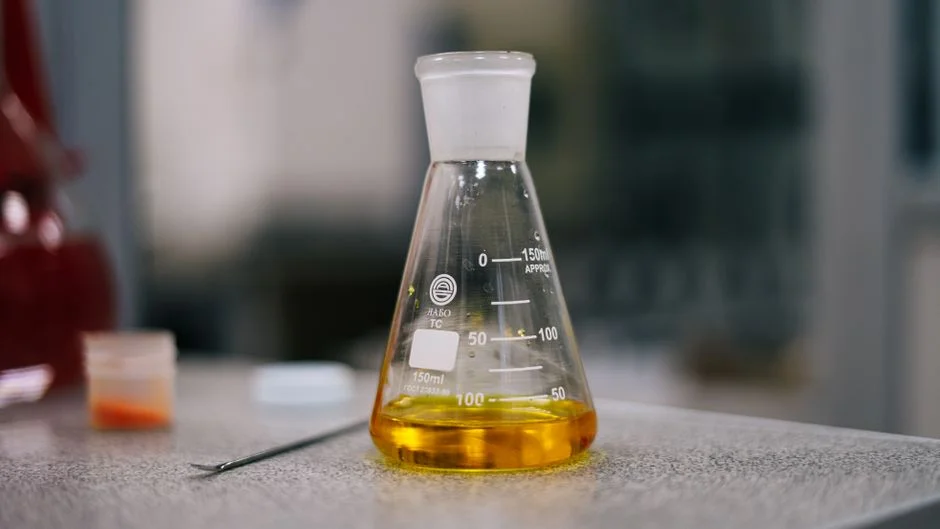
DAF, MBR, UF, WSZ and advanced membrane polishing solve different problems, so the dominant contaminant and water objective should drive the comparison. DAF removes floatable and suspended material; it does not by itself establish COD, BOD or reuse compliance. Biological or MBR treatment addresses biodegradable organics and can provide solids separation, but neither label establishes the final discharge result.
The Frontiers comparison makes the sizing risk explicit. Small mills had COD of 3,400–5,780 mg/L compared with 716 mg/L for large mills. Suspended solids were 900–2,000 mg/L and 3,300 mg/L, respectively. Reported COD/BOD ratios were 3.9–5 for small mills and 4.6 for large mills. These are research observations from pulp-and-paper effluent published 2022-08-10, not Irbid limits or design guarantees, but they show why identical flow rates can produce radically different treatment duties.
| Option | Dominant duty | Principal constraints | Potential reuse role |
|---|---|---|---|
| DAF | Suspended solids, floatables, oil and grease, colloidal material | Needs appropriate conditioning; does not independently establish biological compliance | Clarification or pretreatment before later stages |
| MBR | Biodegradable organics plus fine solids separation | Biodegradability, membrane fouling, controls and maintenance require definition | Useful where the endpoint requires biological treatment and low suspended solids |
| UF | Fine solids reduction and membrane polishing | Feed turbidity, membrane condition and pretreatment must be checked | Polishing or pretreatment for a defined higher-quality route |
| WSZ package | Domestic, sewage-like and suitable factory-sewage duties | Integrated biological, settling and disinfection scope may not fit heavy trade effluent | Applicable only where the wastewater character and endpoint align |
| Advanced membrane polishing | Demanding dissolved contaminants and reuse quality | Original effluent composition and reuse standard govern feasibility | Potential route supported by University of Twente nanofiltration research |
Footprint and operating complexity should be scored separately. Biological systems require controlled biological conditions; DAF requires solids-handling and chemical-conditioning provisions; membranes require feed protection, cleaning access and replacement planning. Ask each bidder to identify which constraints arise from the submitted data and which require pilot or confirmatory testing.
Every reuse or discharge claim should be tied to a defined endpoint: destination, required water quality, operating conditions and representative verification. A generic “near-reuse” result is not a discharge guarantee. For additional procurement context, compare the 2026 effluent treatment plant buyer’s guide and the MBR versus activated sludge comparison for chemical wastewater against the site data—not against a preferred equipment type.
Build an Irbid project brief suppliers can quote accurately
A comparable quotation requires a source-data appendix containing the production schedule, flow record, wastewater analysis, stream diagram, chemicals used, retention times, reuse destination, required sampling frequency and available utilities. Include representative results from multiple production conditions and identify the sampling method and analytical scope.
Require each proposal to separate:
- the duty basis and process stages;
- equipment sizing, hydraulic retention and treatment assumptions;
- power, water, compressed air, chemicals and drainage requirements;
- controls, alarms, redundancy and operator access;
- maintenance items, membrane or media replacement, and spare-parts scope;
- commissioning tests and performance guarantees;
- pilot work or additional testing needed to close evidence gaps.
Compare complete project costs, not equipment invoices alone. Include civil works, installation, commissioning, operator training, initial chemicals, membrane or media replacement, power, sludge handling and long-term maintenance. Request the valves, filter media and treatment spares schedule and a clear chemical-management proposal, including the role of an automatic chemical dosing system where dosing is part of the process.
Wastewater Digest notes that ETP installations generate sludge as a by-product. Make that a separate design workstream: establish sludge characteristics, destination, storage, conditioning and final disposal. HydropureWater’s plate and frame filter press is listed with filtration areas from 1 m² to 500 m² for solid–liquid separation, so its plate and frame filter press options can be evaluated against the actual sludge generation and dewatering duty.
Treat four approvals separately: municipal acceptance, sewer acceptance, industrial discharge authorization and reuse-quality approval. The supplied research does not establish specific Irbid limits, permit procedures or reuse rules. Those requirements must be confirmed directly with the responsible Jordanian authorities before any bidder guarantees compliance.
Plan commissioning, monitoring and the path to reuse
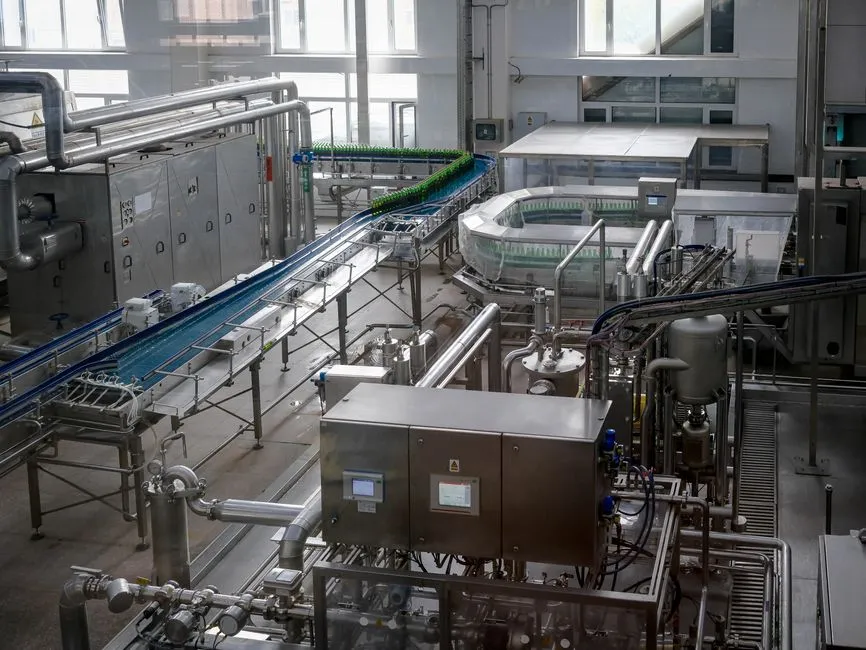
Commissioning should test the installed treatment train against the project objective, not a generic visual standard for “clear water.” Establish baseline sampling points at the process inlet, after each major treatment stage and at the final discharge or reuse point. Define acceptance tests around verified flow, pH, suspended solids, BOD, COD and stream-specific parameters, with the analytical methods and sampling plan stated in advance.
Wastewater Digest reports, citing USGS, that primary treatment removes about 60% of suspended solids and secondary treatment removes more than 90%. These figures provide context only; they are not Irbid plant guarantees and should not be transferred into a contract without project-specific basis and testing.
Price commissioning support and operating work packages explicitly. These include membrane cleaning and backwash, sludge removal, chemical dosing, inspection, spare parts, calibration and control-system testing. For an MBR route, confirm membrane-cleaning access and replacement provisions against the integrated MBR wastewater treatment system scope. For a UF polishing route, verify feed-water limits, cleaning cycles and recovery against the proposed UF polishing and pretreatment system. Where disinfection is required, define the control strategy and monitoring point; a chlorine dioxide generator may form part of a proposed train, but its use and dosing basis must be validated.
Advanced treatment should be approached as a sequence. University of Twente evaluates nanofiltration for polishing wastewater treatment plant effluent to EU Water Framework Directive standards and for agricultural or direct/indirect potable use. The local project must first identify the applicable endpoint and regulatory route, then confirm that the original effluent and proposed membrane train can meet it. A reclamation pathway that works in research does not become a valid reuse claim without site testing and approval.
Frequently Asked Questions
How much does an effluent treatment plant in Irbid cost?
The supplied research provides no Irbid ETP price. Request itemized quotations covering process equipment, civil works, installation, utilities, sludge handling, controls, commissioning, training and maintenance. Make suppliers identify excluded work and price any pilot or confirmatory testing separately.
How should an ETP be sized for an industrial facility in Irbid?
Size from verified peak flow, wastewater characteristics and the required endpoint. Use the DAF, MBR, UF and WSZ catalog capacities only for initial screening, then require bidders to state the hydraulic, contaminant-loading and retention assumptions behind their selection.
What should a buyer check when selecting an industrial wastewater treatment supplier?
Request the process basis, equipment submittals, utility demand, maintenance scope, control philosophy, commissioning plan and traceable performance guarantees. The supplier should also identify which guarantees are supported by the submitted wastewater data and where pilot testing is still required.
Does equipment selection itself guarantee legal compliance in Irbid?
No. Confirm the applicable Irbid and Jordan requirements for industrial discharge, sewer acceptance and reuse with the responsible authorities. Treat equipment capability, permit approval and reuse acceptance as separate decisions requiring documentary evidence.
When is advanced membrane polishing appropriate for wastewater reuse?
Advanced polishing may be appropriate for demanding reuse targets, as supported by University of Twente nanofiltration research, but the receiving use, required quality and regulatory route must be defined first. Then test the original effluent and proposed membrane train against that endpoint before including reuse in the contractual guarantee.