Which separator fits a Tuscaloosa chemical plant's wastewater?
Chemical factories in Tuscaloosa should choose dissolved air flotation (DAF) when the objective is to float suspended solids, FOG, oils or chemically flocculated material; lamella clarification is usually better for heavier, readily settleable solids. The 2026 decision should be based on stream-specific wastewater testing, peak flow and solids loading—not average flow or a generic removal claim. Require bidders to define the separation mechanism, equalization and pretreatment needs, chemical conditioning, controls, sludge route and acceptance criteria. Mixed streams may justify a sequence, but only after testing demonstrates that both separation mechanisms are needed.
Do not start procurement with an equipment category. Start with the wastewater: characterize each source, test whether the contaminants float or settle, establish hydraulic and mass-loading duties, select the process, and then compare pretreatment, controls, sludge handling and total ownership cost.
Terminology can obscure the selection. Some suppliers call a DAF unit a “flotation clarifier,” although flotation and gravity clarification are different mechanisms. The bid should state whether the process uses pressurized dissolved air and skimming or gravity settling with inclined plates.
For indirect dischargers, confirm discharge eligibility and local pretreatment requirements with the receiving POTW before transferring unresolved pollutants. The EPA’s historical 1983 development document for the organic chemicals, plastics and synthetic fibers sector lists both clarification and dissolved air flotation as established control and treatment technologies, but it is not a current Tuscaloosa permit or design standard.
The 2026 DAF versus clarifier selection framework for chemical wastewater provides a useful process-screening structure, but the available NCDEQ and EPA sources do not supply a Tuscaloosa chemical-factory design basis. Influent testing, the receiving authority’s requirements and the supplier’s site-specific calculations must supply that basis.
The wastewater evidence that decides DAF versus clarification
A representative, source-specific characterization program—not one averaged sample—is the minimum evidence needed to distinguish floatable contaminants from settleable material. The supplied 2026 guide identifies flow, TSS, oils and grease, pH, metals and variability across process, contact and stormwater inflows as core data.
Document flow by source, average and peak flow, batch-discharge and washdown profiles, stormwater contribution and equalization behavior. These facts determine hydraulic loading, equalization needs, chemical demand and whether the separator can handle transient loads. The chemical plant wastewater characterization and sewer pretreatment guidance provides the appropriate data-collection structure, but no general result should be treated as an approved Tuscaloosa design value.
Metals require particular care. A dissolved metal remains in the aqueous phase unless the chemistry creates a separable precipitate. Metals attached to settleable or floatable solids can be removed if the solids are conditioned and then separated. The supplied 2026 guide therefore requires total and dissolved metals, pH, alkalinity and chemistry variability to distinguish these mechanisms.
For solids, document TSS, particle-size distribution, settleability, solids density where available and grab samples across production and batch cycles. For oils, record oils-and-grease results, temperature, free-oil observations and emulsion characteristics. Also establish expected sludge volume, moisture content, storage time, dewatering method and disposal route.
| Evidence to obtain | Decision supported | Why an average sample is inadequate |
|---|---|---|
| Flow by source, peak flow, batch and washdown profiles, stormwater contribution | Equalization, hydraulic duty and peak equipment capacity | Hides short discharges that can control separator loading |
| TSS, particle-size distribution, settleability, solids density and grab results | Floatability, settling behavior and pretreatment need | Total mass does not show whether particles float, settle or remain dispersed |
| Total and dissolved metals, pH, alkalinity and chemistry variability | Metal precipitation, conditioning and separation route | Dissolved metal and metal-bearing solids require different treatment logic |
| Oils-and-grease results, temperature, free oil and emulsion observations | DAF suitability, free oil handling and emulsion treatment | Oil type and dispersion behavior determine floatability and skimming performance |
| Expected sludge volume, moisture, storage time, dewatering and disposal route | Sludge collection, storage and dewatering scope | A separator can meet water targets while creating an unmanageable sludge route |
Where floatability, particle behavior or transient loading remains uncertain, use on-site wastewater testing or pilot work. Generic capacity tables cannot resolve unknown chemistry, peak flow or sludge behavior, as noted in the supplied 2026 guide.
How the two separation mechanisms perform
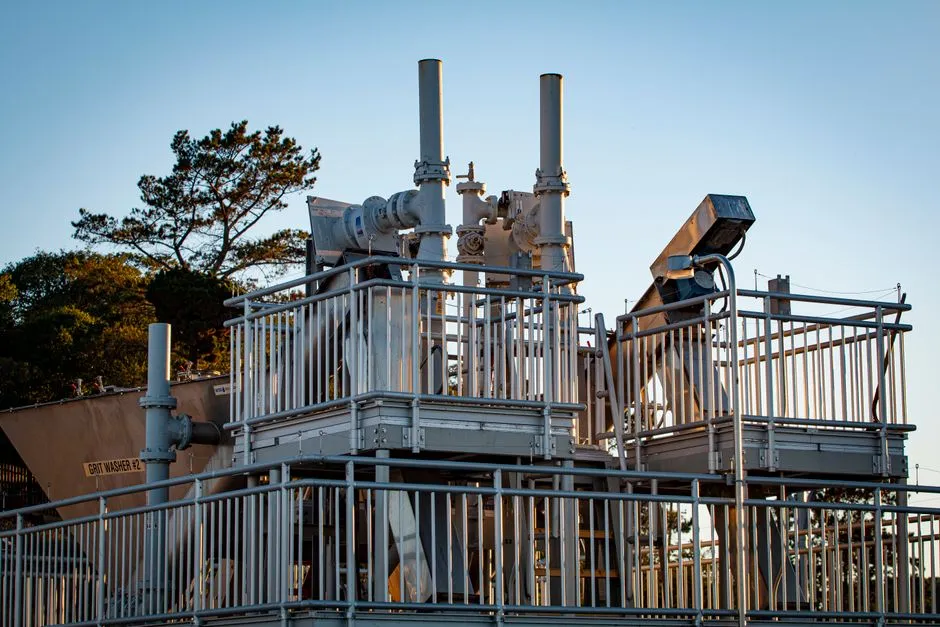
DAF separates by flotation, while clarification separates by gravity; the practical difference is whether the target material can be made buoyant or will settle readily without elaborate flotation conditioning.
In a DAF unit, air is dissolved under pressure and released into the wastewater as microbubbles. The bubbles attach to suspended or conditioned particles, which rise and are removed by a skimmer. Clearwater’s April 27, 2026 publication specifies 30–50-micron microbubbles for its DAF systems. Coagulation and flocculation are part of that mechanism because conditioning increases particle size and improves bubble contact.
A conventional clarifier collects gravity-settled solids at the bottom. A lamella clarifier adds inclined plates to improve separation in a compact tank. The supplied 2026 guide describes lamella clarification as combining sludge recirculation, flocculation and inclined-plate separation.
| Selection factor | Dissolved air flotation | Lamella or gravity clarification |
|---|---|---|
| Primary separation principle | Microbubbles attach to particles; floatable material rises and is skimmed | Settleable solids move downward; lamella plates improve separation within the tank |
| Target contaminants | Suspended solids, FOG, oils, colloidal matter and conditioned metal-bearing floc | Heavier, readily settleable fractions |
| Conditioning objective | Build particle size and surface condition for effective bubble attachment | Optimize aggregation and settling; dosing objectives differ from flotation |
| Main solids route | Surface skimming followed by dewatering | Bottom sludge collection; lamella systems may use sludge recirculation |
| Principal bid question | How are bubble attachment, skimming capacity and peak sludge production controlled? | What are the settling area, surface loading, flow distribution and sludge collection basis? |
Compare both mechanisms using the same wastewater and proposed chemical assumptions. A vendor should describe the intended contaminant fraction and test the proposed chemistry rather than rely on a generic removal percentage. The industrial DAF system for floatable chemical wastewater and lamella clarifier for settleable chemical solids represent different separation principles, not interchangeable product labels.
Match the separator to flow, loading and batch discharges
A separator selected from average flow alone is not a defensible design for a chemical plant with batch discharges; hydraulic peak and solids production must be evaluated together.
The supplied 2026 guide gives DAF screening rates of 2–6 gpm/ft² of surface area. Use that only as a comparison point, not a final design value. The selected configuration, wastewater chemistry, equalization arrangement and peak flow must support the supplier’s calculation.
The same guide recommends equalization upstream of DAF to damp flow surges and states that influent flow should remain within 80%–110% of nominal design flow. For a variable chemical-plant discharge, the bidder must identify how batch volumes, washdown flow and stormwater enter the system and how equalization prevents a short peak from driving separator and skimmer capacity.
For variable solids loading, require sizing against peak mass loading in lb/hr of solids as well as flow. A design that meets peak hydraulic flow can still fail if the skimmer or sludge collection system cannot handle maximum sludge production without carryover. The guide also cites an air-to-solids ratio of 0.01–0.05 ml of air per mg of solids as an operating range; the supplier must show how its recycle system, pressure and conditioning assumptions meet the selected duty.
For lamella clarification, require the supplier to state surface loading, settling area, sludge collection, flow distribution and recycle arrangement. HydropureWater’s catalog gives surface loading rates of 20–40 m/h for its lamella clarifier, but final selection must use the proposed equipment and site chemistry. These figures are comparison inputs, not evidence that a unit is approved for a Tuscaloosa installation.
| Design-basis item | Required bidder response | Reject when |
|---|---|---|
| Hydraulic duty | Source-level flow, peak and batch profile, equalization assumptions and selected surface-loading calculation | Equipment is selected only from average flow |
| Mass-loading duty | Peak solids loading, skimmer or sludge withdrawal capacity and carryover assessment | No peak lb/hr of solids basis is stated |
| DAF recycle system | Recycle flow, pressure, air-to-solids assumptions and operating control | Published air-to-solids range is quoted without a design calculation |
| Lamella arrangement | Settling area, surface loading, flow distribution, sludge collection and recycle arrangement | Only a model and nominal flow are provided |
| Controls response | PLC-controlled chemical dosing and coordinated flow, level and equipment controls | Dosing is treated as an optional accessory |
The automatic chemical dosing system should therefore be evaluated as part of the separator duty, because chemical demand and feed control affect floatability, settling and peak-load response.
Build the treatment train before comparing prices

The separator is one step in a treatment train, so a bid is not comparable until pretreatment, chemical conditioning, sludge removal and disposal boundaries match.
A defensible process flow is: segregate sources; equalize flow; screen or remove gross solids where needed; control pH; apply coagulation and flocculation; separate with DAF or lamella clarification; withdraw sludge; store and dewater it; then route the clarified water to downstream treatment or discharge. Which unit occupies each position depends on the characterization and pilot results.
A stream containing substantial sand and significant FOG may need distinct pretreatment rather than forcing every contaminant into one separator. Heavy material may warrant removal before the selected unit, while emulsified oil may require a different conditioning approach. The supplied 2026 guide cautions that a DAF followed by a clarifier is uncommon and should be justified case by case. It may be appropriate where testing identifies distinct floatable and settleable fractions or where a defined polishing requirement justifies the added footprint and capital cost.
Chemical dosing should not be left as an accessory line item. Require a PLC-controlled coagulant and flocculant package integrated with pH, flow, level and equipment controls. Define solution strength, storage, duty, standby requirements and the response to high-flow or off-specimum chemistry.
Sludge routes also differ. The supplied guide says DAF sludge is skimmed and sent to dewatering, while lamella clarification uses sludge recirculation. Require each bidder to state whether material is recirculated, wasted, blended or conditioned before dewatering. Include storage, expected moisture content, dewatering frequency and disposal assumptions in the comparison, including the available plate-frame sludge filter press or another selected route.
A valid bid compares an operating treatment train, not a tank price with an undefined sludge and chemical scope.
Compare capital cost, operating cost and compliance risk
The lowest separator quotation may not produce the lowest installed system cost or the lowest compliance risk.
The supplied 2026 guide gives DAF equipment screening estimates of $80,000–$350,000 and conventional circular clarifier estimates of $50,000–$200,000. These are dated commercial screening figures, not quotations for a Tuscaloosa project. The guide also notes that conventional clarifiers may require larger civil footprints, while modular DAF projects can see total project costs 30%–50% higher after civil construction. The comparison must therefore include site work and installation rather than treating equipment cost as installed cost.
For operating cost, the guide cites DAF compressor and recycle-pump energy use of 0.5–1.5 kWh/m³ of treated water. Clarifiers have lower power demand for rake mechanisms, but chemical demand may differ and must be evaluated using the same wastewater and dosing assumptions. Obtain reagent consumption, labor, maintenance, spares and sludge-disposal costs under each proposed operating scenario.
| Commercial scope | Information required from each bidder |
|---|---|
| Separator and pretreatment | Equipment, screens or solids removal, equalization, pH control and installation |
| Chemical and controls systems | Coagulants, flocculants, dosing equipment, PLC, instrumentation, alarms and data logging |
| Utilities | Power, compressed air, water, drainage, HVAC and connection requirements |
| Sludge route | Withdrawal, storage, conditioning, dewatering, frequency and disposal |
| Lifecycle and service | Maintenance, spare parts, consumables, training, warranty and supplier support |
| Performance | Defined wastewater, flow, temperature, chemical doses, test method, sampling point and acceptance criterion |
Reject unsupported claims that equipment “meets all limits.” A performance commitment must identify the wastewater, chemical doses, flow, temperature, analytical method, sampling point and acceptance criterion. The factory must also confirm its current permit or local sewer requirements; general technology information and a vendor’s reference project cannot replace that compliance review. The 2026 sludge-volume reduction guide is useful for checking whether the proposed solids route is complete.
Award the system with a site-specific bid checklist
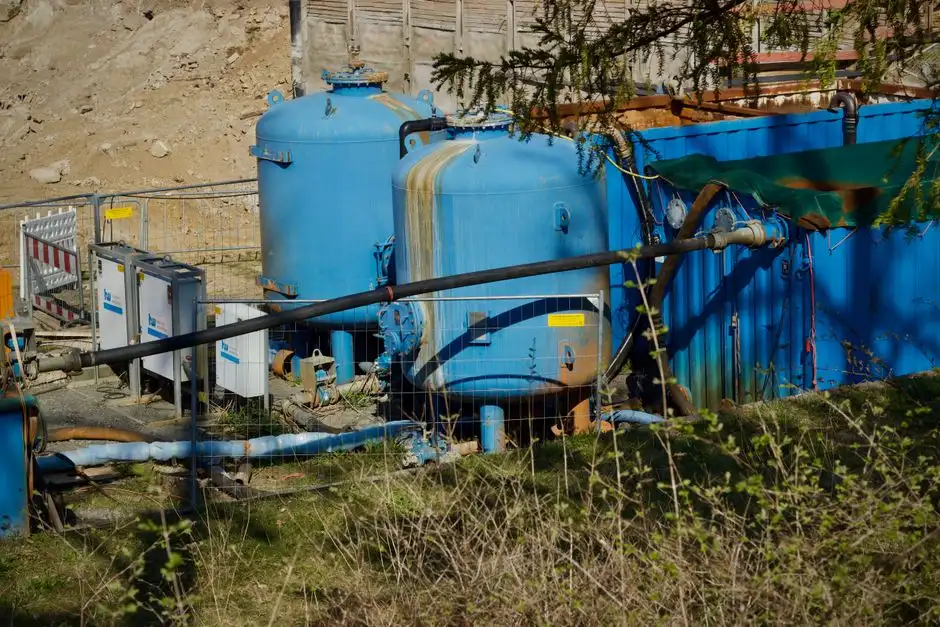
A technically complete bid links every equipment promise to measured plant conditions, a defined design duty and an acceptance method.
- Require stream-by-stream flow, representative characterization, chemical properties, peak and batch conditions, stormwater contribution and stated treatment objectives.
- Require the separation mechanism, tank and surface area, solids-handling arrangement, recycle system, materials, utilities, controls and installation inputs.
- Request a controls and instrumentation schedule covering chemical dosing, pH instrumentation, level control, skimmer or sludge withdrawal, monitoring, alarms and data logging.
- Make pretreatment, sludge removal, storage and dewatering boundaries explicit. Include the plate-and-frame sludge filter press or selected alternative in the ownership comparison.
- Request site-specific test plans or references under comparable wastewater and operating conditions, stating chemical doses, flow, temperature, analytical method, sampling point and acceptance criteria.
- Require bidders to screen DAF and lamella clarification using the same wastewater, hydraulic profile, chemical assumptions and performance criteria, or explain the technical screening that excluded the alternative.
| Bid component | Minimum supporting document | Commercial evaluation |
|---|---|---|
| Process design basis | Source characterization, hydraulic profile, peak mass loading, equalization and pretreatment calculation | Confirm that every stated duty is priced |
| Equipment and materials | Separation mechanism, dimensions, surface area, recycle, sludge collection, materials and utilities | Check completeness and corrosion rationale |
| Controls | Instrument list, control narratives, alarm and data-logging requirements | Price the integrated package, not accessories |
| Sludge handling | Generation basis, storage, dewatering, frequency and disposal route | Include downstream ownership and operating costs |
| Performance evidence | Comparable wastewater test plan or reference with complete conditions | Reject generic removal claims |
| Commercial scope | Equipment, installation, commissioning, training, warranty, spares and service | Compare complete installed and lifecycle scope |
Use the industrial wastewater DAF and clarifier bid comparison as a review aid, but require the supplier to apply it to the actual Tuscaloosa wastewater. A reference project is evidence of experience; it is not a guarantee that the proposed model will meet the factory’s performance requirements.
Frequently Asked Questions
How should a chemical factory size a DAF or clarifier in Tuscaloosa?
Do not size either unit from average flow or a generic removal percentage. Require source-level flow, peak and batch conditions, peak solids loading, equalization assumptions and wastewater testing. The bidder must then show the proposed surface area, hydraulic loading, mass-loading duty and sludge-handling capacity. Pilot testing is appropriate where floatability, particle behavior or transient loading remains uncertain.
What should a buyer budget for DAF versus clarification?
The supplied 2026 guide’s DAF equipment range of $80,000–$350,000 and conventional circular clarifier range of $50,000–$200,000 are screening values, not Tuscaloosa bids. Request installed pricing and assumptions for equalization, civil work, pretreatment, pH control, chemical dosing, controls, utilities, sludge handling, dewatering, installation, maintenance, spares and service. Compare chemical and energy use under the same wastewater assumptions.
How should procurement evaluate a separator supplier?
Require a mechanism-specific scope, design calculations, controls, materials, utilities, sludge route and acceptance criteria. Ask for comparable wastewater references or site-specific test plans that state flow, temperature, chemical doses, analytical method and sampling point. A product name or a claim that the equipment “meets all limits” is not sufficient supplier evidence.
When is a DAF followed by a clarifier justified?
Use a serial arrangement only when testing identifies distinct floatable and settleable fractions or a defined polishing requirement justifies the additional footprint and capital cost. The supplied 2026 guide describes DAF-then-clarifier configurations as uncommon and generally discouraged without a specific technical basis. A stream with both substantial sand and significant FOG may be better served by distinct pretreatment and one appropriately selected separator.
How should compliance risk be addressed before award?
The factory must confirm current permit and local sewer requirements with the responsible authority. Each vendor’s performance commitment must identify the wastewater, chemical doses, flow, temperature, test method, sampling point and acceptance criterion. The EPA’s 1983 organic chemicals development document confirms that DAF and clarification are established industrial technologies, but it does not establish a current Tuscaloosa requirement or guarantee compliance for the proposed installation.