Why Sludge Volume Reduction Is a 2026 Priority
Sludge handling and disposal consume 50–60% of total wastewater plant operating expenditure, a figure reconfirmed in the 2025 Frontiers in Microbiology review on in-situ sludge reduction biotechnology (source: Frontiers in Microbiology, 2025). For a 20 MLD plant running ₹1.2 crore/month in OPEX, that is ₹60–72 lakh/month exiting the budget through cake haulage, polymer, digester heating, and tipping fees — a line item that now exceeds the energy cost of the biological process itself. The regulatory pressure is matching the financial one: wastewater treatment plants contribute roughly 2% of total societal carbon footprint, and an 80% in-situ reduction rate drops post-treatment emissions to 576 tCO₂-eq per the same 2025 review. China's binding target of >90% waste activated sludge reduction-and-recycling by end-2025 has set the de facto benchmark that suppliers and lenders are now importing into other markets.
Engineers evaluating sludge volume reduction methods in 2026 are no longer choosing between thickening and dewatering — they are choosing between two strategic families. Traditional sludge reduction (TSR) is end-of-pipe: thicken, digest, dewater, dry, or incinerate. In-situ sludge reduction (ISR) attacks yield at the aeration tank through enzymes, metabolic uncouplers, microbial inoculation, or biofilm manipulation. TSR is mature and bankable; ISR is where the 2026 procurement interest is concentrated because it avoids the largest CAPEX line items. The remainder of this guide ranks the credible options, anchors each to a quantified reduction band, and closes with a sequencing roadmap an engineer can act on Monday morning.
The Seven Sludge Volume Reduction Methods at a Glance
Seven credible sludge volume reduction methods are in commercial or pilot use as of 2026. The table below maps each to its typical reduction band, energy profile, and CAPEX tier so the reader can locate candidate options before reading the technical detail.
| Method | Family | Reduction / Performance Band | Energy Profile | CAPEX Tier |
|---|---|---|---|---|
| Mechanical dewatering | TSR | 20–30% cake solids from 0.5–2% feed DS | Low–medium | Low |
| Anaerobic digestion (mesophilic/thermophilic/THP) | TSR | 30–55% VS destruction; 0.3–0.5 m³ biogas/kg VS | Medium | High |
| Thermal drying / incineration | TSR | Up to 90% volume cut; >90% DS cake | Very high | Very high |
| Chemical oxidation (Fenton / ozone / alkaline) | ISR/TSR | Rapid solubilization, 30–60% SS reduction | Medium | Medium |
| Enzymatic hydrolysis | ISR | ~70% biosolids organics cut (cellulase+protease+lipase) | Low | Low |
| Metabolic uncoupling | ISR | ~80% reported; toxicity and bulking risk | Low | Low |
| In-situ biotechnology (microbial / protozoan / phage / biofilm) | ISR | 12–58.4% (inoculation), 33–65% (predation), 33% SVI (phage), 27.3–72.1% (biofilm) | Low | Low–medium |
Two numbers frame the rest of the article. First, mechanical dewatering using a plate and frame filter press remains non-negotiable for any plant that hauls cake off-site — it converts dilute sludge into a stackable solid regardless of what happens upstream. Second, pairing that press with a lamella clarifier for pre-thickening is the lowest-cost way to push feed DS from 0.5–1% up to 2–4% and halve the press's polymer and cycle-time load. The remaining five methods are decision-dependent.
Mechanical Dewatering: The First Step Every Plant Needs
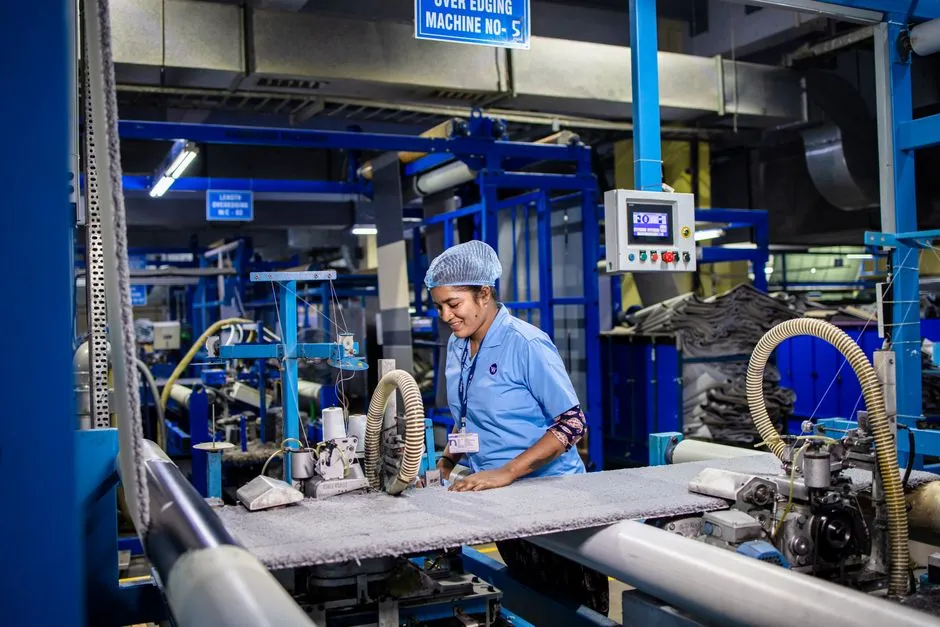
Mechanical dewatering takes WAS from 0.5–2% dry solids and exits at 18–30% cake solids, depending on the device. A well-operated plate and frame filter press consistently delivers 22–30% cake solids at 6–8 bar feed pressure, against 18–25% for a decanter centrifuge running at 2,500–3,500 G and a 2–4% polymer dose. Belt presses are the CAPEX-light option but cap out at ~18% cake solids and lose economics above 50 m³/h, which is why most plants above 10 MLD have already moved to filter press or centrifuge duty.
Polymer conditioning is the operating-cost lever. Cationic polyacrylamide at 8–15 kg/t DS is the baseline; switching to a structured high-molecular-weight grade, plus a maturation dwell of 30–60 s ahead of the press, typically cuts dose 20–40% without sacrificing cake dryness. A 2026 engineering walkthrough of dosing trim and cake-release diagnostics is covered in the How to Reduce Polymer Consumption in Dewatering: 2026 Engineering Guide. The critical point for downstream method selection: cake dryness dictates whether you can send solids to landfill, land-apply, or feed an incinerator — and that decision sets the floor for everything else on the roadmap.
Anaerobic Digestion: The Workhorse for Mass Reduction
Mesophilic anaerobic digestion (AD) at 35°C with a 20–25 day SRT remains the baseline mass-reduction option, delivering 30–50% volatile solids destruction and 0.3–0.5 m³ of biogas per kg VS fed (per IWA Publishing, Sludge Reduction Technologies in WWTPs). Thermophilic AD at 55°C pushes VS destruction 5–10 points higher and adds a Class A biosolids compliance pathway, at the cost of roughly 30% more heating energy and elevated ammonia inhibition risk above 4,000 mg/L NH₃-N.
Two-stage configurations are where the 2026 procurement case lives. Thermal hydrolysis pretreatment (THP) at 160–180°C and 6 bar ahead of the digester lifts VS destruction above 55%, improves dewaterability of the digested cake by 3–5 DS points, and generates enough surplus biogas to displace the THP steam demand. For sites without THP CAPEX headroom, free nitrous acid (FNA) pretreatment is the lower-cost variant: the UQ 2014 study demonstrated that FNA dosing into the sludge recycle line simultaneously reduced sludge mass and enhanced downstream methane yield. The decision between mesophilic, thermophilic, THP, and FNA is driven by feedstock VS, available waste-heat, and whether the biogas can be monetized on-site.
In-Situ Biotechnology: The 2026 Frontier
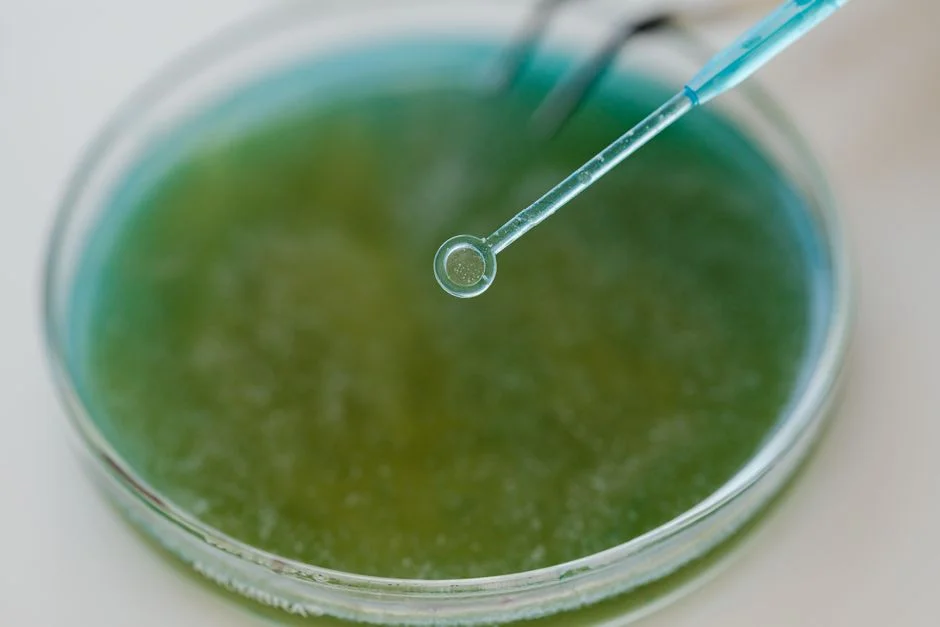
In-situ sludge reduction biotechnology (ISRB) is the strategy class gaining the most 2026 attention because it sidesteps the CAPEX of thermal and chemical systems. Performance bands from the 2025 Frontiers in Microbiology review vary widely by mechanism, and the table below consolidates the data points an engineer needs for a pre-feasibility screen.
| ISRB Mechanism | Reported Reduction | Operational Risk | Maturity (2026) |
|---|---|---|---|
| FCS-SBBR bioreactor (Bacteroidetes + Mizugakiibacter enrichment) | 49.65% sludge production reduction | Medium — requires biofilm carrier retrofit | Pilot–early commercial |
| Enzyme pretreatment (cellulase + protease + lipase) | ~70% biosolids organics cut; 17.14% SS cut; up to 22% solubilization gain | Low — dosing stability to be verified | Commercial |
| DO elevation 2 → 6 mg/L in high-yield systems | 25% sludge reduction | Low — blower cost offset | Commercial |
| Bacteriophage HHY against Haliscomenobacter hydrossis | 33% SVI reduction; faster settling | Medium — host-range specificity | Pilot |
| Biofilm-based manipulation (carriers / MBBR) | 27.3–72.1% reduction | Low–medium | Commercial |
The strategic advantage of ISRB over physicochemical ISR is the 3R profile: lower energy (no incineration, no thermal drying), lower chemical input (no Fenton or ozone dosing), and easier downstream recycling because the biology stays biological. The remaining hurdle is stability — long-term microbial community drift in full-scale reactors is still under-documented, which is why most 2026 retrofits are deploying ISRB as a 10–30% overlay on top of conventional dewatering rather than as a full replacement.
How to Choose: A Decision Framework by Sludge Type
Method selection collapses to four sludge characteristics: SVI, extracellular polymeric substances (EPS) content, volatile solids fraction, and the available footprint. The matrix below maps each combination to the recommended primary and secondary methods.
| Sludge Profile | Primary Method | Secondary / Polish | Rationale |
|---|---|---|---|
| High EPS, SVI >150 mL/g (bulking WAS) | Enzymatic hydrolysis or metabolic uncoupling | Bacteriophage dosing against filamentous organisms | Breaks the water-binding EPS matrix that resists mechanical dewatering |
| High organic fraction (VS >70%) | Mesophilic or thermophilic AD with THP | FNA pretreatment where THP CAPEX is blocked | Best energy return via biogas; 30–55% VS destruction |
| Low organic, high inorganic (e.g. drinking-water residuals) | Mechanical dewatering → landfilling | Lime stabilization for haulage | Digestion is uneconomic; dewatering floor is the right CAPEX tier |
| Space-constrained retrofits (no new tanks) | Biofilm-based ISR or MBR membrane bioreactor retrofit | Enzyme dosing at the RAS line | 27–72% reduction in existing basin footprint |
| Discharge-limited plants (reuse quality needed) | MBR with automatic chemical dosing system polish | UV or RO for reuse-grade effluent | Hits both effluent TSS and sludge yield in one footprint |
Two patterns dominate real plant decisions. First, high-EPS bulking sludge pays twice — once in polymer, once in cake volume — so enzymatic pretreatment is rarely optional, even when the rest of the train is conventional. Second, when CAPEX ceiling is binding, an MBR membrane bioreactor retrofit is the most cost-effective route to both effluent quality and 27–72% sludge reduction, because it absorbs thickening, biological treatment, and solids separation into one skid. A paired automatic chemical dosing system is the cleanest way to deliver enzyme or FNA pretreatment without operator overhead.
Integration Roadmap: Sequencing Methods for Maximum Volume Cut
The most overlooked gap in current comparison content is the lack of a sequenced integration path. The five-step sequence below is the procurement-grade chain that combines the methods above into a single upgrade plan.
- Step 1 — Thicken. Use a DAF system or lamella clarifier to push feed DS from 0.5–1% to 2–4%. Lamella surface loading of 20–40 m/h handles 80% of municipal and food-processing flows without polymer.
- Step 2 — Digest. Route thickened sludge to a mesophilic AD (35°C, 20–25 day SRT) for 30–50% VS destruction. Add FNA pretreatment at the recycle line (per the 2014 UQ study) or THP at 160–180°C if the energy balance supports it; both lift VS destruction above 50%.
- Step 3 — Dewater. Press digested biosolids through a plate and frame filter press to 22–30% cake solids. Centrifuge as fallback for >80 m³/h throughput, accepting the 3–5 DS-point penalty.
- Step 4 — Dry (optional). Add thermal drying only if cake must reach >90% DS for incineration or Class A reuse; otherwise send 25%+ cake directly to landfill or land application.
- Step 5 — ISR overlay. Layer enzyme dosing at the RAS line, or retrofit biofilm carriers into the aeration basin, to attack residual yield at the source. Target 10–30% additional WAS reduction without new tanks.
The sequence is deliberately front-loaded with low-CAPEX steps (thicken, dewater, ISR overlay) before any thermophilic or THP decision is made. Plants that follow this order typically reach a 70–85% total volume reduction with CAPEX under ₹8–12 crore for a 20 MLD facility, and OPEX savings that payback the thickening and dewatering upgrades inside 18–30 months.
Frequently Asked Questions
What is the most cost-effective sludge volume reduction method for a 20 MLD municipal plant?
Mechanical dewatering via a plate and frame filter press paired with mesophilic anaerobic digestion delivers 30–50% VS destruction at the lowest CAPEX-per-tonne-removed ratio. The combined train typically pays back inside 24 months through avoided haulage and polymer savings.
How do I choose between thermal hydrolysis, FNA pretreatment, and standard mesophilic digestion?
Select THP when surplus waste-heat is available and the plant needs >55% VS destruction; choose FNA pretreatment where THP CAPEX is blocked but a sidestream nitrite source exists (per the 2014 UQ study); default to standard mesophilic AD when the budget cannot support either. FNA is the lowest CAPEX route to a measurable methane-yield uplift.
Is in-situ sludge reduction biotechnology mature enough to specify in 2026?
Enzymatic hydrolysis (cellulase + protease + lipase) and biofilm-based manipulation are commercially deployed at 27–72% reduction; bacteriophage dosing remains pilot-scale at 33% SVI improvement. Specify ISRB as a 10–30% overlay on conventional dewatering rather than as a stand-alone replacement until long-term community-drift data is published.
Can ISRB be retrofitted onto an existing activated sludge plant without new tanks?
Yes. Biofilm carrier retrofits, DO elevation to 6 mg/L, and enzyme dosing at the RAS line all operate inside the existing aeration basin. An MBR membrane bioreactor retrofit is the most cost-effective option when the plant also needs improved effluent quality, absorbing thickening and solids separation into one skid.