Start with the permit and the receiving sewer
Mining and metals plants near Odds meet sewer pretreatment limits by identifying the controlling federal category, state authorization, POTW local limits, and site-specific discharge conditions. A defensible treatment train is designed around representative wastewater testing, peak flow, pH, metals, suspended solids, reuse objectives, and sludge handling rather than a generic mining package. Federal rules and sewer restrictions operate in layers; therefore, neither a categorical standard nor a local limit should be used alone. This mining and metals pretreatment compliance guide explains the site-specific approach for another U.S. market.
40 CFR Part 436 covers wastewater discharges from mine drainage, mineral processing operations, and stormwater runoff, and its requirements are incorporated into NPDES permits (US EPA, 2026). The operator must check the mineral category and applicable subpart. US EPA lists Dimension Stone, Lightweight Aggregates, Lithium, Ball Clay, Feldspar, Talc/Steatite/Soapstone/Pyrophyllite, and Garnet among the reserved subparts (US EPA, 2026). A reserved subpart cannot be treated as proof that no requirement applies.
The POTW industrial pretreatment program adds locally established limits and may regulate pH, metals, and total suspended solids. Obtain the sewer authority’s current rules, limits, and prohibitions in writing, then reconcile them with the facility’s NPDES coverage, state requirements, discharge permit or industrial user permit, monitoring conditions, and any reuse rights. No Odds-specific permit, sewer authority, local limit, or numeric discharge standard can be inferred from the available research.
| Control layer | What the buyer must obtain | Decision supported |
|---|---|---|
| Federal categorical rule | Mineral category, applicable Part 436 subpart, and related NPDES conditions | Whether categorical requirements apply and which parameters are controlled |
| State authorization | Current state discharge or industrial-user authorization and operating conditions | Additional monitoring, reporting, or discharge controls |
| POTW pretreatment limits | Current local limits, prohibited discharges, monitoring rules, and acceptance conditions | Numerical treatment targets for pH, metals, TSS, and other parameters |
| Site-specific conditions | Signed permit conditions, reuse rights, and controlling facility records | The final compliance basis for equipment selection and acceptance |
Characterize each wastewater stream separately
Mine drainage, process water, tailings-pond effluent, and dewatering discharge require separate sampling and treatment objectives because their contaminant profiles differ (AMPAC USA, 2025-09). Proper characterization prevents the dilution of high-concentration streams that control metals loading, chemical demand, or peak treatment flow.
Acid mine drainage can become acidic and carry dissolved metals including iron, manganese, copper, zinc, arsenic, and cadmium (AMPAC USA, 2025-09). Mineral-processing water may contain process chemicals and dissolved ore constituents, including cyanide, ammonia, or chloramines depending on the process. Dewatering discharge varies with local geology, while tailings-pond effluent adds fine solids, processing chemicals, and leached metals.
The sampling program should include flow, pH, metals, TSS, oil and grease, process-reagent residuals, conductivity or TDS, and seasonal or storm-event variation. Sampling must represent normal production, peak discharge, startup, shutdown, rainfall, and other material operating conditions before equipment sizing. These data establish the chemical load, hydraulic load, and operating envelope.
| Wastewater stream | Characterization focus | Primary design question |
|---|---|---|
| Acid mine drainage | pH, dissolved metals, acidity, flow, and storm-event variability | What chemical dose and solids-separation capacity are needed at the controlling condition? |
| Mineral-processing water | Ore constituents, process-reagent residuals, conductivity or TDS, and relevant metals | Does the stream require precipitation, polishing, or separate handling of process-specific contaminants? |
| Tailings-pond effluent | TSS, fine solids, metals, and residual process chemicals | What solids capture and sludge-handling capacity are required? |
| Dewatering discharge | Flow variation, pH, metals, TSS, and geology-dependent composition | Should the stream be treated separately or combined after equalization? |
Map contaminants to treatment objectives
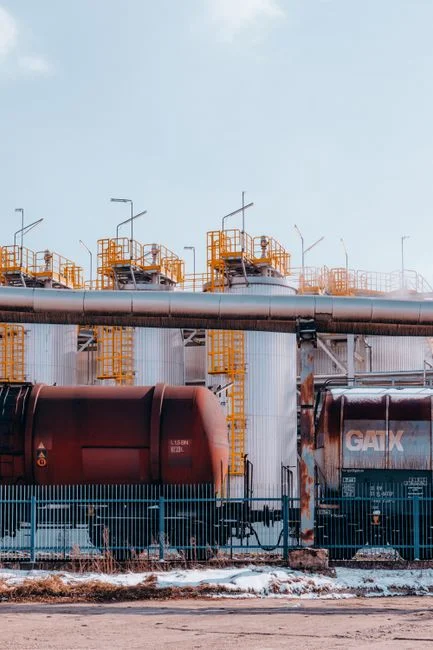
A defensible process sequence includes equalization, pH correction, coagulation and flocculation, DAF or lamella clarification, multimedia filtration, UF, RO, and controlled sludge dewatering. Each operation must have a measurable purpose, control point, and acceptance evidence.
pH correction supports hydroxide precipitation of dissolved metals, while coagulants and flocculants aggregate suspended solids and fine metal particles (Genesis Water Technologies; PMC review, 2024-02). A PLC-controlled chemical dosing system for mining wastewater provides the controlled pH and reagent additions needed by this sequence.
DAF is appropriate where buoyant floc, oils, or floatable fines are present. Lamella clarification is appropriate where sludge volume and footprint constrain the installation, as described in the supplied HydropureWater mining comparison (HydropureWater, 2026-02). A DAF system for mining wastewater solids separation addresses the former application; the high-efficiency sedimentation tank addresses the latter.
Multimedia filtration removes residual solids and colloids and protects downstream membranes. The supplied product catalog specifies multi-media filters for SDI suitable for downstream RO protection. UF applies where fine colloids remain: the supplied UF specification accepts up to 300 ppm turbidity and removes bacteria, colloids, and suspended solids without chemicals (HydropureWater product catalog). RO is reserved for dissolved metals or salts that remain above the sewer requirement or reuse target; the supplied research reports greater than 99% rejection of dissolved metals and salts (AMPAC USA, 2025-09).
| Process step | Treatment objective | Control point | Acceptance evidence |
|---|---|---|---|
| Equalization | Buffer hydraulic and chemical variation | Level and discharge flow | Peak-flow operating record and equalization model |
| pH correction and coagulation | Precipitate dissolved metals and form separable floc | pH, chemical dose, mixer operation | Calibrated pH records, dosing trends, and jar or pilot results |
| DAF or lamella | Remove precipitated solids and floatable material | Solids loading, flotation or settling performance | TSS removal and sludge-generation data |
| Multimedia filtration | Remove residual solids and colloids | Differential pressure and filter run time | Turbidity and SDI measurements at the required control point |
| UF or RO | Protect membranes or remove dissolved metals and salts | Flux, transmembrane or differential pressure, recovery | Validated permeate quality and recovery curve |
Size the system for peak discharge and reuse goals
Equalization and pumping capacity must be based on the highest anticipated discharge rather than average flow, according to HydropureWater mining research (HydropureWater, 2026-02). Mining treatment capacity varies with wastewater content, required quality, and operating needs. Buyers must define site flow records, permitted discharge conditions, and the selected reuse scenario before fixing capacity.
The quotation package should state peak and average flow in m³/h, representative influent pH and metal results, POTW limits for metals, pH, and TSS, and the desired recovery percentage if reuse is in scope (HydropureWater, 2026-02). The design package should also identify sampling locations, chemical storage and handling, residual-sludge destination, controls, redundancy, and stream segregation.
Where reuse is included, the supplied research reports a 40–60% reduction in freshwater intake for RO-enabled internal reuse compared with once-through operation (AMPAC USA, 2025-09). The final recovery target must be validated through a site-specific mass balance that accounts for water lost with sludge, membrane concentrate, and other discharge streams.
Require each bidder to model average and peak flow, chemical consumption, sludge generation, membrane recovery, concentrate management, and redundancy. A supplier that quotes equipment nameplate capacity without showing these operating assumptions has not demonstrated that the proposed train will meet the discharge condition during its controlling event.
Compare the equipment options against the actual wastewater
DAF and lamella clarification serve different functions. The supplied catalog describes DAF for suspended solids, FOG, oil and grease, and colloidal matter across 4–300 m³/h, while lamella clarification is suited to compact sludge separation. It specifies lamella surface-loading rates of 20–40 m/h and up to 30% chemical-consumption reduction (HydropureWater product catalog). These are equipment-selection values, not guaranteed performance.
Multimedia filtration, UF, and RO function as successive barriers. Multimedia filtration removes suspended solids, turbidity, and colloids. UF provides 0.03-micron barrier separation with automatic backwash and air scour. RO addresses dissolved salts and metals. The multi-media filtration system, ultrafiltration system for membrane pretreatment, and RO membrane system should be evaluated as integrated stages.
Automatic chemical dosing is an integrated control layer because pH adjustment and coagulant or flocculant addition support the precipitation and separation steps. The supplied catalog specifies skid-mounted, pre-wired, PLC-controlled systems. Chemical-precipitation residues also require a disposal route: the supplied plate-and-frame press catalog covers filtration areas from 1 m² to 500 m² and offers manual, hydraulic, or fully automatic configurations (HydropureWater product catalog). A plate-and-frame filter press for precipitated mining sludge should be specified against measured cake volume, target dryness, cycle time, and receiving-site acceptance criteria.
| Option | Primary function | Selection trigger | Key check |
|---|---|---|---|
| DAF | Float suspended solids, FOG, oils, and suitable colloidal matter | Buoyant floc or floatable contaminants are present | Feed characteristics, flotation performance, and sludge handling |
| Lamella clarification | Settle precipitated solids with a compact installation | Sludge volume or footprint is the constraint | Solids loading, chemical demand, and underflow performance |
| Multimedia filtration | Remove residual solids and colloids | Downstream protection or solids polishing is required | Filtrate turbidity and SDI |
| UF | Provide fine-colloid and suspended-solids separation | Fine colloids remain before RO | Acceptable feed turbidity and backwash performance |
| RO | Remove dissolved metals and salts | Dissolved constituents exceed the sewer limit or reuse target | Recovery, concentrate, membrane compatibility, and permeate quality |
| Plate-and-frame press | Dewater chemical-precipitation residues | A managed solids route is required | Cake volume, dryness, cycle time, and disposal acceptance |
The practical selection rule is to choose equipment by influent characteristics, required effluent quality, peak flow, chemical footprint, sludge volume, available footprint, and operator capability. The DAF versus clarifier selection for mining wastewater provides a more detailed mechanical comparison.
Build a permit-ready monitoring and operating plan
Continuous pH, flow, and conductivity monitoring should feed PLC/HMI records and support POTW self-monitoring requirements, following the monitoring and reporting step identified in the supplied research (HydropureWater, 2026-02). These records must be traceable to the permit condition they demonstrate.
Define sampling points for untreated streams, equalization, chemical treatment, clarification, filtrate, and final discharge. That arrangement lets operators determine whether a failure originated in source chemistry, dosing, solids separation, filtration, or membrane treatment. Verification should cover pH setpoints, dosing rates, solids-removal performance, filter or membrane differential pressure, RO recovery, and sludge-generation records.
Establish written alarm, bypass, upset, and high-flow procedures so an equipment failure does not become an unpermitted discharge. The procedure should identify isolation points, permitted storage, sampling requirements, notification responsibilities, and restart criteria. Final monitoring frequencies and numerical compliance triggers must come from the current permit and POTW requirements.
Frequently Asked Questions
What should a buyer request when budgeting for a complete mining pretreatment
Frequently Asked Questions
How much does a complete mining wastewater pretreatment system cost near Odds?
A complete industrial-scale wastewater pretreatment system for a mining or metals facility typically ranges from $250,000 to over $2 million. The final cost is highly dependent on the influent chemical profile, the required flow rate in gallons per minute (GPM), and the specific discharge limits mandated by local Odds municipal authorities.
Capital expenses include specialized equipment such as pH neutralization tanks, dissolved air flotation (DAF) units, and heavy metal precipitation stages. Ongoing operational costs, including chemical dosing, sludge disposal, and regular maintenance, often add 15% to 25% of the initial capital expenditure annually.
What information should I request in a wastewater treatment supplier's quotation?
A comprehensive quotation must include a detailed process flow diagram, a mass balance calculation, and a guaranteed effluent quality report. You should specifically request the expected chemical consumption rates, the estimated electrical load in kW/h, and the footprint requirements in square feet to ensure the system fits within your existing infrastructure.
Additionally, ask for a clear breakdown of the instrumentation and control logic, specifically how the system handles flow pacing and real-time monitoring of pH, total suspended solids (TSS), and heavy metal concentrations to ensure compliance with sewer use ordinances.
How do I size a mining wastewater treatment system for peak sewer discharge?
To size a system correctly, you must calculate the hydraulic peak flow rate rather than the average daily flow, typically incorporating a peaking factor of 1.5 to 2.0. This ensures that the equalization tanks have sufficient residence time to buffer surge flows and prevent hydraulic overloading of secondary treatment components.
Engineers must also account for the concentration peak of specific contaminants during high-production cycles. System sizing should be based on the maximum mass loading (mg/L multiplied by flow rate) to ensure that the chemical dosage equipment remains effective even during the facility's highest production periods.
Which pretreatment limits apply to a mine or metals plant discharging near Odds?
Discharge into municipal sewers near Odds is governed by local Pretreatment Standards, which typically align with federal categorical standards for Metal Molding and Casting (40 CFR Part 464) or Metal Finishing (40 CFR Part 433). Common limits include a pH range between 5.0 and 11.0, and strict concentration caps on heavy metals like lead (typically <0.69 mg/L), copper (<3.38 mg/L), and zinc (<2.61 mg/L).
Local authorities may also impose specific limits on total toxic organics (TTO), oil and grease (often capped at 100 mg/L), and total suspended solids. It is essential to consult your local sewer use ordinance (SUO) as municipalities often set more stringent local limits than national baselines to protect their specific biological treatment works.
Is RO necessary for mining wastewater before sewer discharge?
Reverse Osmosis (RO) is generally not required for basic sewer discharge unless the wastewater contains high concentrations of Total Dissolved Solids (TDS), chlorides, or specific soluble ions that exceed local municipal limits. Most mining and metals plants can achieve compliance using conventional physical-chemical treatment, such as coagulation, flocculation, and sedimentation.
RO should only be considered if your facility is required to meet strict discharge limits for conductivity, sulfates, or total dissolved solids that cannot be achieved through chemical precipitation. Due to the high energy intensity and the challenge of managing RO reject brine, it is usually reserved for plants pursuing zero liquid discharge (ZLD) or those facing exceptionally restrictive sewer ordinances.