The Three-Layer Compliance Stack for a Fargo-Area Mining or Metals Site
A mining or metals plant near Fargo that wants to discharge to the City of Fargo sanitary sewer in 2026 has to read three documents together, not one. 40 CFR Part 436, the federal Mineral Mining and Processing Effluent Guidelines and Standards that the EPA promulgated in 1975 and amended in 1976, 1977, 1978, and 1979, sets the floor for wastewater discharges from mine drainage, mineral processing operations, and stormwater runoff, and the rule is incorporated into NPDES permits (EPA, 2026-02).
The state layer is North Dakota Administrative Code Chapter 33.1-16-01, promulgated under Chapter 61-28 of the North Dakota Century Code (the Water Pollution Control Act), which authorizes the NDPDES program in North Dakota (ND DEQ, 2023-12). The local layer is the City of Fargo POTW's NDPDES Permit No. ND0022870, effective January 1, 2024 through December 31, 2028, with discharge to the Red River of the North (ND DEQ, 2023-12). Permit ND0022870 embeds an Industrial Pretreatment Program under section BP 2009.09.10 and an annual Pretreatment Report obligation, with the first submittal in the current cycle due March 28, 2025 (ND DEQ, 2023-12). Because the layers stack, the operator has to keep both the federal 40 CFR Part 436 numbers and the Fargo local-limit numbers in front of them when sizing a treatment train, not one or the other (HydropureWater, 2026-02). The rest of this article walks that stack from top to bottom and then maps it to a defensible treatment train.
None of the three dominant search results for this topic ties the federal floor to the actual Fargo permit number or to Chapter 33.1-16-01, so an operator in Cass County currently has to assemble the stack themselves. The Fargo-area 2026 mining/metals pretreatment guide reproduces that same three-layer logic in a regional context; the analysis below is specific to the City of Fargo permit text.
Confirm Your Subpart Before You Size a Single Pump
Sizing a treatment train against the wrong rule set is the single most common error in pretreatment engineering for this sector. Several 40 CFR Part 436 subparts carry no current numeric effluent limits and are listed as reserved: Dimension Stone (Subpart A), Lightweight Aggregates (H), Mica and Sericite (I), Trona (P), Rock Salt (Q), Mineral Pigments (T), Lithium (U), Fire Clay (AA), Attapulgite and Montmorillonite (AB), Kyanite (AC), Shale and Common Clay (AD), Aplite (AE), Kaolin (AG), Ball Clay (AH), Feldspar (AI), Talc/Steatite/Soapstone/Pyrophyllite (AJ), and Garnet (AK) (EPA, 2026-02). If the operator's mineral falls under a reserved subpart, the federal numeric limit may not exist and the local Fargo POTW layer becomes the binding constraint; if the mineral falls under an active subpart, the 40 CFR Part 436 numeric limit applies first, and Fargo local limits apply on top (HydropureWater, 2026-02). That decision has to be made before the first pump is specified.
Mining wastewater is not interchangeable from site to site, so influent characterization by stream is a prerequisite, not an option. A copper mine, a coal operation, and a dimension-stone quarry produce fundamentally different wastewaters and cannot share a single default treatment train (AMPAC USA, 2025-09). The four common mining wastewater categories the operator must identify are process water (flotation, heap leaching, cyanide gold extraction, chlorination), tailings pond effluent, dewatering discharge, and acid mine drainage (AMPAC USA, 2025-09). Acid mine drainage in particular shows up wherever sulfide minerals such as pyrite and pyrrhotite are exposed to oxygen and water, producing sulfuric acid and dissolved heavy metals (iron, manganese, copper, zinc, arsenic, cadmium) at concentrations far above regulatory limits (AMPAC USA, 2025-09). Sampling each stream separately is the only way to know which subpart and which local limit actually apply.
What the City of Fargo Permit Actually Asks of an Industrial Discharger
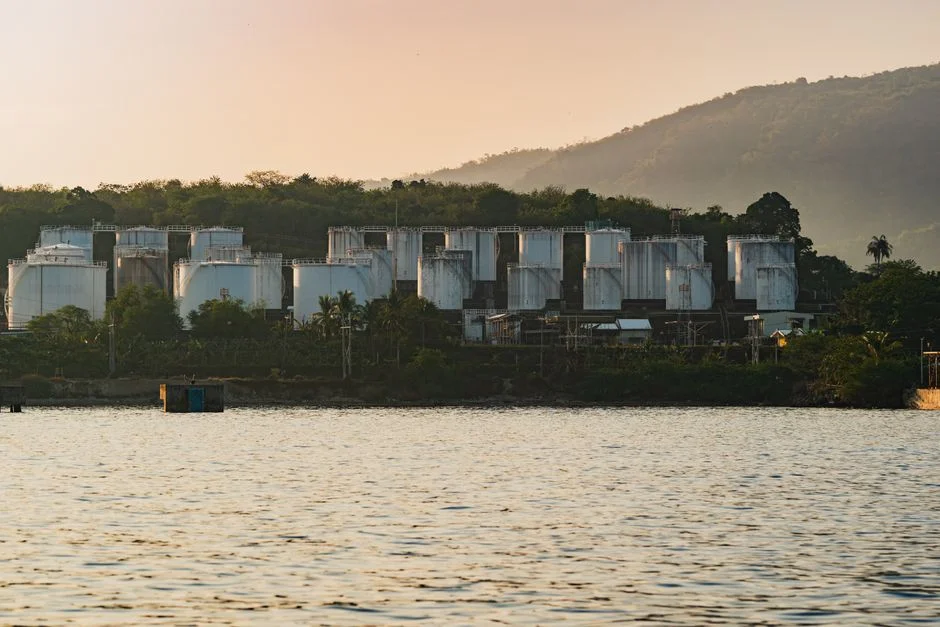
Permit ND0022870 spells out day-to-day compliance deliverables in its Industrial Pretreatment Program section (BP 2009.09.10) and its Local Limits section (ND DEQ, 2023-12). For an industrial discharger, the binding schedule of self-monitoring deliverables in the current cycle is: an annual Pretreatment Report (first due March 28, 2025), annual metals analyses at outfalls 007M and 009M (first due January 31, 2025), and quarterly metals analyses at outfall 010M (first due April 30, 2024) (ND DEQ, 2023-12). The permit also requires a Mercury Pollutant Minimization Plan plus annual dissolved-mercury sampling at the total-facility discharge station for the life of the permit, and it identifies outfall 006 as a Sanitary Sewer Overflow outlet subject to SSO reporting (ND DEQ, 2023-12). The Mercury Pollutant Minimization Plan is the document an inspector will ask to see in 2026; it is not optional, and it has to identify residential, institutional, municipal, commercial, stormwater, and inflow/infiltration sources (ND DEQ, 2023-12).
The permit defines 'average monthly,' 'average weekly,' and 'maximum daily' discharge limitations and 'daily discharge' by units of mass or other units, and it requires additional non-routine sampling whenever a discharge could reasonably be expected to cause or contribute to a violation that routine sampling would not detect (ND DEQ, 2023-12). The practical reading is that a single quarterly or annual metals analysis is not enough; the operator has to trigger additional sampling on any operational change that could move a metal above the local limit. A cross-reference for how a comparable POTW structures the same deliverables in a different industry is the POTW pretreatment-limits engineering guide for industrial plants.
The Six-Step Treatment Train for a 2026 Fargo-Area Mining or Metals Plant
The unit-operation sequence that reliably clears both the federal 40 CFR Part 436 floor and the Fargo local limits for a 2026 mining or metals plant has six steps. The first is pH correction, raising the influent to a pH greater than 10 with lime so dissolved metals precipitate as hydroxides and gypsum drops out, with chemistry controlled by a PLC-controlled automatic chemical dosing skid for lime, coagulant, and flocculant (PMC review, 2024-02; HydropureWater, 2026-02). The second is coagulation and flocculation, where the coagulant and flocculant are matched to the floc density that drives the next separation step (Genesis Water Technologies, 2025-11). The third is solids separation, with a DAF system for buoyant floc and floatable fines in the solids-separation step when the floc is buoyant or oils are present, and a lamella clarifier for heavy metal-hydroxide sludge and footprint-constrained sites when sludge volume and footprint are the constraint (HydropureWater, 2026-02; Genesis Water Technologies, 2025-11). The fourth is multimedia filtration through a multi-media filter sized to a target SDI for RO feed protection, specifying the post-filter SDI rather than inlet turbidity (HydropureWater, 2026-02). The fifth is membrane polish, using UF for fine colloids and an industrial RO system delivering >99% rejection of dissolved metals and salts, with RO rated at 50–70% recovery on AMD feed and 70–85% recovery on a ZLD RO stage (AMPAC USA, 2025-09). The sixth is monitoring and reporting, with a PLC/HMI on continuous pH, flow, and conductivity tied into the POTW self-monitoring records that the City of Fargo Pretreatment Report schedule requires (LiqTech, 2025-08; ND DEQ, 2023-12). Sludge from chemical precipitation is dewatered with a filter press sized to the cake volume from chemical precipitation (HydropureWater, 2026-02).
On sizing, a small dimension-stone or sand-and-gravel site typically sits in the low-to-mid two-digit m³/h range, while a process plant with heap leach or milling sits an order of magnitude higher; the operator should size against peak anticipated daily discharge, not the average, because equalization basin volume and pump selection are driven by peak (LiqTech, 2025-08). The published head-to-head on DAF versus lamella in a mining context is the DAF vs clarifier factory comparison for mining/metals wastewater.
| Step | Unit operation | Sizing lever / setpoint | Quantitative target |
|---|---|---|---|
| 1. pH correction | Automatic chemical dosing skid (lime) | Target pH, hydraulic residence time | pH > 10 before thickening; gypsum drop-out (PMC review, 2024-02) |
| 2. Coagulation / flocculation | Dosing skid (coagulant, flocculant) | Floc density matched to next separator | Jar-test validated dose (Genesis Water Technologies, 2025-11) |
| 3. Solids separation | DAF or lamella clarifier | Air-to-solids ratio (DAF) or plate spacing (lamella) | Polymer-compatible floc; bulk solids removed (HydropureWater, 2026-02) |
| 4. Multimedia filtration | Multi-media filter | Target post-filter SDI, backwash cycle | SDI suitable for downstream RO (HydropureWater, 2026-02) |
| 5. Membrane polish | UF + RO | Membrane material, flux, recovery | >99% rejection of dissolved metals and salts; 50–70% recovery on AMD feed, 70–85% on ZLD RO (AMPAC USA, 2025-09) |
| 6. Monitoring & reporting | PLC/HMI | Continuous pH, flow, conductivity | POTW self-monitoring records for the City of Fargo Pretreatment Report (LiqTech, 2025-08; ND DEQ, 2023-12) |
Reuse Economics: Why Compliance Spending Stops Being a Cost
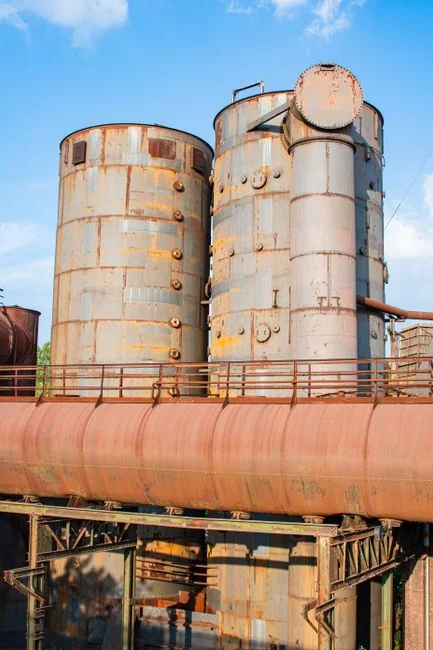
The same RO polish that clears Fargo local limits is also the lever that turns the compliance investment into a freshwater-savings project. Internal RO reuse is reported to reduce freshwater intake by 40–60% compared to once-through operation (AMPAC USA, 2025-09). On a ZLD train, RO handles the bulk water recovery (70–85%) before the more energy-intensive thermal stages treat the remaining concentrate, so the operator should request a recovery curve, not a nameplate figure (AMPAC USA, 2025-09). The sizing logic is "reuse as much as economics allow, then polish the rest to sewer quality," which keeps the discharge stream as small as possible and the equalization basin volume correspondingly modest (HydropureWater, 2026-02). Even with reuse, any volume not recycled still has to meet Fargo local limits on metals, pH, and TSS, which is why the RO polish step is built in even when reuse dominates the mass balance (AMPAC USA, 2025-09). A working numerical example for a comparable site is the detailed Tenino-area 2026 mining pretreatment walkthrough.
What to Put in a 2026 Supplier RFQ for a Fargo-Area Site
The supplied research does not publish price points for a complete pretreatment train, so a buyer has to request a quotation against their own basis of design rather than rely on a published range (HydropureWater, 2026-02). The four documents to put in front of a supplier are the peak and average flow in m³/h, the influent pH and metal profile from a representative sampling round, the local sewer-authority discharge limits for metals, pH, and TSS, and the desired recovery percentage if reuse is in scope (HydropureWater, 2026-02). The supplier should be told whether the site's mineral falls under an active 40 CFR Part 436 subpart with numeric limits or a reserved subpart such as Dimension Stone A, Lightweight Aggregates H, Lithium U, Ball Clay AH, Feldspar AI, Talc/Steatite/Soapstone/Pyrophyllite AJ, or Garnet AK, so the quotation is sized against the correct federal floor (EPA, 2026-02).
The supplier should be asked to confirm installed references at flows in the same order of magnitude and to tie the chemistry dosing, PLC/HMI controls, and membrane skid into a single integrated control system (LiqTech, 2025-08; HydropureWater, 2026-02). The buyer should request a basis of design and a recovery curve, not a nameplate figure, and should validate site-specific design values against current permits, influent testing, and the final equipment proposal (AMPAC USA, 2025-09; HydropureWater, 2026-02). A pricing-framework reference that does not invent a Fargo-specific number is the 2025 B2B pricing guide for prefabricated wastewater plants.
Frequently Asked Questions
Do I size against 40 CFR Part 436 or the City of Fargo local limits?
Both. 40 CFR Part 436 is the federal floor, and the City of Fargo NDPDES permit ND0022870 adds local limits plus an Industrial Pretreatment Program and an annual Pretreatment Report on top (ND DEQ, 2023-12; EPA, 2026-02). The operator has to confirm the subpart first, then pull the local-limit numbers for metals, pH, and TSS, and design the train against the tighter of the two at every parameter (HydropureWater, 2026-02).
What does a small dimension-stone or aggregate site near Fargo actually need in 2026?
At a small site the binding constraint is often the local Fargo limit rather than a federal numeric limit, because Dimension Stone (Subpart A) and Lightweight Aggregates (Subpart H) are reserved under 40 CFR Part 436 (EPA, 2026-02). The practical answer is a six-step train scaled to low-to-mid two-digit m³/h peak flow, with the RO polish sized to >99% rejection of dissolved metals and salts (AMPAC USA, 2025-09; LiqTech, 2025-08). The operator should request a basis of design and a recovery curve before accepting a quotation, because the supplied research does not publish a price for this scope (HydropureWater, 2026-02).
How do I pick a treatment supplier for a Fargo-area 2026 build?
Ask for installed references at flows in the same order of magnitude, and confirm the supplier will deliver a single integrated control system across chemistry dosing, PLC/HMI, and the membrane skid (LiqTech, 2025-08; HydropureWater, 2026-02). Verify that the proposed scope includes the same six unit operations the engineering literature supports, and tie the acceptance test to the recovery curve, not a nameplate figure (AMPAC USA, 2025-09).
What is the lead-time and compliance risk for a 2026 build?
The compliance clock is the binding constraint, not the fabrication clock. Under permit ND0022870, the annual Pretreatment Report for the current cycle is due March 28, 2025, annual metals analyses at outfalls 007M and 009M are first due January 31, 2025, and quarterly metals analyses at outfall 010M are first due April 30, 2024, with the Mercury Pollutant Minimization Plan maintained for the life of the permit (ND DEQ, 2023-12). The buyer should put the influent sampling round, the basis of design, and the recovery-curve acceptance test in the RFQ so that a 2026 build can be commissioned against documented performance rather than against a nameplate (HydropureWater, 2026-02; AMPAC USA, 2025-09).