What a Toomsboro Mining or Metals Plant Is Actually Trying to Clarify
Toomsboro sits inside the Georgia kaolin belt, and that geography defines the stream. The wastewater arriving at a primary clarifier in Wilkinson County is typically kaolin wash water, aggregate fines from a sand plant, or a metals-bearing slurry — not the heavy sulfide tailings a western hard-rock mine would produce. The dominant particles are clay platelets, silica fines, and iron or aluminum hydroxides, almost always below 100 microns and frequently in the colloidal range where settling is slow and reagent carryover is common.
Four stream properties decide whether dissolved air flotation or a gravity clarifier is the right primary unit: dominant particle size, the fraction of oil/grease or residual flotation reagents, settleability, and flow rate. Kemco Systems lists the contaminants a DAF is designed to remove — TSS, FOG, BOD, COD, metals, and VOCs — and that list works as a checklist for characterizing the Toomsboro stream before equipment selection. DAF microbubbles in the 30–50 micron range attach to floc particles in that size class, so anything you can coagulate and flocculate to roughly 30 microns or larger becomes a DAF candidate rather than a clarifier candidate (Clearwater Industries, 2026-04).
Before talking to a vendor, list the flow in GPM or m³/h, the peak-to-average ratio, the discharge destination (POTW, surface water, or in-process recycle), and the existing chemistry program. A dissolved air flotation system and a lamella clarifier are only competitive once those four inputs are accurate, because both technologies will underperform on a stream that does not match their design envelope.
How a DAF Clarifier Works on Mining and Metals Water
A DAF unit clarifies by floating, not by settling. Pressurized recycle water is saturated with air inside a saturator; on release back to atmospheric pressure in the flotation tank, the dissolved air comes out of solution as a cloud of 30–50 micron microbubbles that nucleate on conditioned floc particles and lift them to the surface (Clearwater Industries, 2026-04). A paddle skimmer then scrapes the floated layer into a sludge trough, while heavier settleable solids drop to a bottom collection zone and are augered out.
DAF is a physical separator, not a chemistry replacement. The Clearwater Industries design notes that DAF "should be paired with proper chemical coagulation and flocculation treatments to ensure optimal performance" — typically delivered through serpentine flocculator mix tubes or chemical mix tanks upstream of the flotation cell, with an automatic coagulant and flocculant dosing skid controlling the rate.
SigmaDAF model families, supplied through Clearwater Industries, cover the flow range a Toomsboro site is likely to see:
- FPAC — small-to-medium flow, very high solids (TSS and FOG), low-profile cross-flow with a large free surface.
- FPBC — low-to-medium solids, including low-buoyancy particles, with an integrated lamella pack to slow the flow.
- FPHF — high flow with low-to-large solids, combining cross-flow and countercurrent flow.
- COMPACT — pre-assembled turnkey skid with chemistry, controls, and the DAF cell; single-skid design covers flows of 66 GPM or less, modular two-skid above that (Clearwater Industries, 2026-04).
For mining specifically, Seven Seas Water reports that DAF "is used to treat industrial wastewater from mineral processing plants" by removing fine particles and residual flotation reagents, and is also applied to tailings water "to recover water for reuse in the mining process" — exactly the recycle use case a Georgia kaolin plant is weighing against fresh-water draw.
How a Gravity or Lamella Clarifier Works on the Same Stream
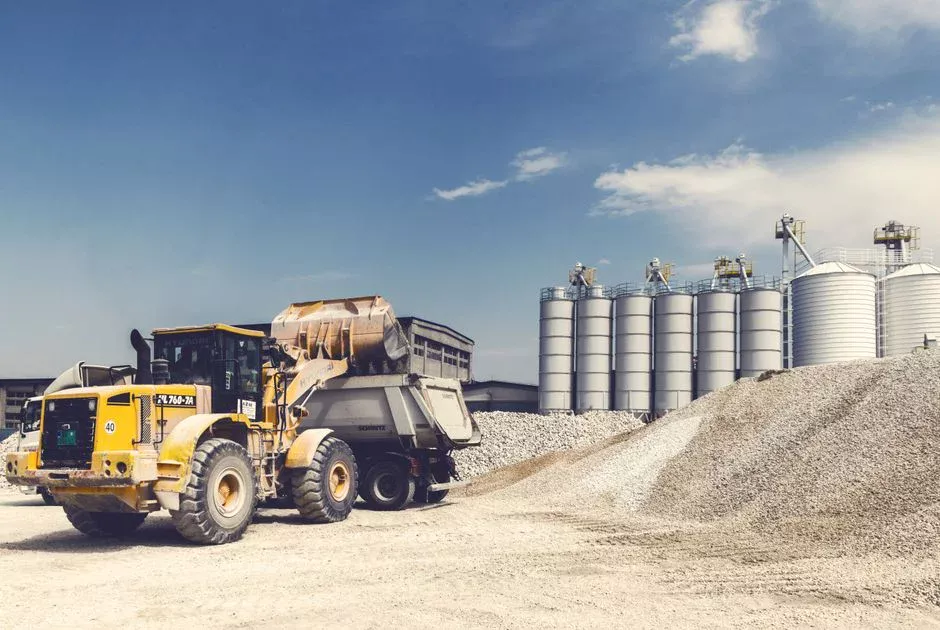
A conventional clarifier relies on gravity alone. Particles denser than water fall to the bottom of a settling zone over a residence time of minutes to hours, and clarified water overflows a peripheral launder. A lamella clarifier inserts inclined plates into the settling zone, which shortens the effective settling path and lets a much smaller footprint handle the same flow. HydropureWater's high-efficiency sedimentation tank operates in the 20–40 m/h surface loading range and is reported to cut coagulant use by up to 30% relative to a conventional basin of the same throughput.
Lamella units earn their place on three attributes: very high flow, very low energy, and very low consumable cost. There is no saturator, no recycle pump, no air system, and no compressed-air supply to maintain. On coarse, dense solids at high flow — aggregate wash overflow, sand plant settler underflow, or a pre-thickened kaolin slurry — a lamella will out-economize a DAF unit on a dollars-per-gallon basis, and the maintenance footprint is small enough for a two-person maintenance team to keep running.
The limit is the particle. Lamellas struggle with colloidal fines, oils, low-density particles, and emulsified flotation reagents — the very fraction a DAF unit lifts cleanly (Seven Seas Water). For a Toomsboro plant, a lamella alone is rarely the right choice on a kaolin stream with reagent carryover, but it is often the right first stage ahead of a DAF polisher. For a smaller site, packaged lamella units and skid-sized DAF units (HydropureWater covers 4–300 m³/h across 13 models) can both be evaluated on the same flow basis. Where polishing downstream of the clarifier is needed, a multi-media filter can be added to catch residual fines before recycle or discharge.
Side-by-Side Comparison: DAF vs Clarifier for a 2026 Toomsboro Mining Plant
For most Toomsboro kaolin and aggregate operations, a DAF unit is the right primary clarifier when the stream is reagent-bearing or fine-dominant; a lamella clarifier is the right primary unit when the stream is coarse, dense, and high-flow with moderate discharge limits. The table below summarizes the parameter ranges each technology is designed around, drawn from the supplied research.
| Parameter | DAF (dissolved air flotation) | Gravity / Lamella clarifier |
|---|---|---|
| Target particle size | Fine and colloidal, flocculated to roughly 30 microns or larger; lifts oils, FOG, low-buoyancy particles (Clearwater Industries, 2026-04) | Dense, settleable particles; performance drops on colloidal fines and emulsified reagents (Seven Seas Water) |
| Typical surface loading | Design-specific to the model (FPAC, FPBC, FPHF, COMPACT); not expressed as m/h in the supplied research | 20–40 m/h for the HydropureWater high-efficiency sedimentation tank |
| Target contaminants | TSS, FOG, BOD, COD, metals, VOCs (Kemco Systems) | Coarse TSS, settleable solids; not designed for FOG or colloidal fractions |
| Footprint per kg of solids removed | Smaller — high removal rate in a compact cell (Clearwater Industries, 2026-04) | Larger basin area required for the same solids capture on fine streams; smaller on coarse streams |
| Energy demand | Recycle pump, saturator, compressor, skimmer drive | Sludge pump and skimmer only — very low energy |
| Chemical demand | Coagulant + flocculant required upstream (Clearwater Industries, 2026-04) | Coagulant use reduced by up to 30% on the HydropureWater lamella design |
| Process water recycle fit | Strong — removes residual flotation reagents and tailings fines for reuse (Seven Seas Water) | Moderate — effective for bulk water recovery on coarse streams only |
| Capex profile | Higher unit cost; lower install cost on small flows with the COMPACT single-skid design (≤66 GPM) (Clearwater Industries, 2026-04) | Lower unit cost; civil work for basins adds to installed cost on larger flows |
| Best-fit Toomsboro stream | Kaolin wash water with reagent carryover; metal-bearing slurry; aggregate wash with FOG from equipment | Aggregate wash overflow, sand plant settler underflow, pre-thickened kaolin slurry |
| Downstream dewatering | Skimmed sludge routed to a sludge dewatering filter press for dry-cake disposal (Kemco Systems) | Bottom sludge routed to the same dewatering train |
The decision hinge is simple: if the target contaminant floats or flocs fine, DAF wins. If it sinks and is coarse, a clarifier wins — or feeds a DAF polisher for the residual fine load. For Georgia NPDES pretreatment in 2026, the Kemco Systems train of coarse filtration, pH control, DAF, and sludge dewatering is the reference end-to-end configuration a reviewer will recognize.
When Toomsboro Factories Should Pick DAF, a Clarifier, or Both
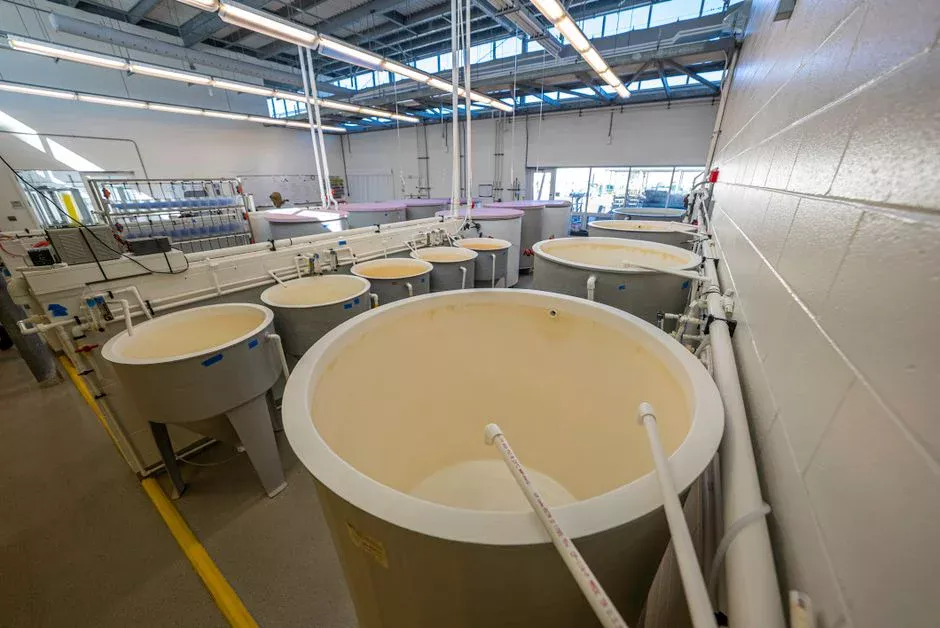
Pick DAF alone when the stream carries emulsified oils, residual flotation reagents, or fine suspended solids that will not settle under reasonable retention time — kaolin wash with reagent carryover, metals-bearing slurry, or aggregate wash water with FOG from hydraulic equipment. Seven Seas Water documents DAF on exactly these mining and mineral-processing streams, and the COMPACT single-skid design covers flows of 66 GPM or less, which fits a small Toomsboro site.
Pick a lamella clarifier alone when flow is high, solids are coarse and dense, the energy and chemical budgets are tight, and effluent is going to a POTW with moderate TSS limits. A HydropureWater lamella running at 20–40 m/h is the lower-energy, lower-consumable option for that envelope.
Pick both in series — clarifier first to drop the bulk settleable load, DAF second as a polish for fines and reagents — when the operation recycles process water or faces tight NPDES limits. This is the configuration Kemco Systems describes as its standard DAF wastewater-recovery train, and it is the right answer for a kaolin plant trying to close the water loop on a kaolin stream where reagent carryover is significant.
For a 2026 capex window, single-skid DAF units in the 4 m³/h range and packaged lamella units both shorten install time on a small site. Either choice must be paired with proper coagulant and flocculant dosing (Clearwater Industries, 2026-04) and a downstream sludge dewatering filter press to control lifecycle cost. The clarifier or DAF that ships without a chemistry package and a dewatering step is not a complete answer to the procurement question.
For a regional comparison of how the same decision plays out in another Georgia and US mining belt, see the DAF vs clarifier guide for Rosebud mining and metals plants and the DAF vs clarifier guide for Gainesville mining and metals plants. For sludge dewatering downstream of either clarifier, the filter press design guide covers sizing and cake-handling choices.
Frequently Asked Questions
What budget range should a Toomsboro plant plan for a primary DAF or clarifier in 2026?
The supplied research does not include a price list or budget figure for either technology. Request a per-GPM or per-m³/h installed cost from each shortlisted vendor, and ask for it broken into equipment
Frequently Asked Questions
Is DAF or a clarifier better for a kaolin wash water plant in Toomsboro?
For kaolin clay processing, a high-rate lamella clarifier is typically superior due to the high specific gravity of kaolinite particles, which settle rapidly under gravity. Clarifiers are more cost-effective for the high-solids loading (often exceeding 5,000 mg/L) characteristic of kaolin wash water, whereas Dissolved Air Flotation (DAF) is generally reserved for lighter, colloidal, or oil-based contaminants that do not settle efficiently.
What is the typical flow range for a packaged DAF system in 2026?
In 2026, standard packaged DAF systems are designed for flow rates ranging from 10 to 500 gallons per minute (GPM). Modular units are available for smaller mining applications starting at 10 GPM, while skid-mounted industrial configurations for mid-sized metals processing facilities typically top out at 500 GPM before requiring custom-engineered, field-erected concrete tank systems.
Can a lamella clarifier replace a DAF in a metals finishing facility?
A lamella clarifier can replace a DAF only if the metals in the wastewater are successfully precipitated into heavy, settleable hydroxides or sulfides. If the process involves emulsified oils, greases, or light metal-hydroxide flocs that exhibit poor settling velocities (less than 0.1 feet per minute), a lamella clarifier will fail to meet discharge standards, and a DAF remains the necessary technology for effective separation.
How much does a DAF system cost for a small mining operation in 2026?
For a small mining operation, a fully integrated, skid-mounted DAF system typically costs between $85,000 and $250,000 in 2026. This price includes the saturation pump, air compressor, scraper mechanism, and basic PLC control panel. Costs vary significantly based on metallurgy (304 vs. 316 stainless steel) and the inclusion of auxiliary equipment like flocculation tanks or sludge thickening pumps.
What Georgia or NPDES limits should a Toomsboro factory plan its DAF or clarifier to meet?
A Toomsboro facility must plan to meet Georgia Environmental Protection Division (EPD) standards, which generally align with federal NPDES requirements for mining and industrial wastewater. Typical targets include Total Suspended Solids (TSS) limits of 30 mg/L (monthly average) and turbidity limits dictated by the specific receiving stream's water quality classification. Facilities should design for a 15-20% safety margin below these limits to account for seasonal variations in influent concentration.