Why Solid-Liquid Separation Is the Bottleneck in Chemical Manufacturing Wastewater
Solid-liquid separation in a chemical plant involves removing suspended solids, precipitated metals, and emulsified phases from a process wastewater stream so the water can be discharged, reused, or sent downstream to biological or zero-liquid-discharge (ZLD) treatment. According to the ScienceDirect overview on solid-liquid separation, a slurry is generally resolved either by a countercurrent decantation (CCD) circuit or a filter, with the choice driven by the chemistry of the stream — cyanide and copper-cyanide species in the mineral-processing example are recovered as clean solution before subsequent process steps (ScienceDirect, section 5.1).
When the separation step underperforms, biological systems become overloaded, RO membranes in the ZLD train foul prematurely, and the sludge-hauling line item on the plant's waste budget climbs. In the United States, chemical-plant discharges into publicly owned treatment works are governed by 40 CFR Part 403 pretreatment requirements, and EU plants face the Industrial Emissions Directive's chemistry-based controls, so an undersized separator can put the whole facility out of compliance. Engineers at facilities near Covington can review site-specific routing in this chemical plant pretreatment compliance guide.
The Five Separation Mechanisms Used in Chemical Plants
Gravity separation serves as the baseline technology for primary treatment. ScienceDirect describes it as "simple and cheap, and widely used in the early stages," but notes that it is "gradually being replaced by screening, filtration, centrifugation, and other technologies, while still used as a pretreatment for solid-liquid separation" (ScienceDirect, section 2.1) because of the large footprint, high water content in the underflow, and odor generation. Screw separation operates as a centrifugal force field: heavier solids deposit on the rotating drum wall, an internal conveying screw pushes the cake toward the cone end, and lighter liquid overflows at the large end (ScienceDirect, section 2.2). Screw presses are common on slurry, anaerobic digestate, and kitchen-waste duty, and the same principle scales to higher-solids chemical slurries. Flotation and lamella sedimentation cover the fine-colloid and FOG range: a DAF system for chemical plant pretreatment lifts emulsified phases and fine suspended solids with micro-bubbles, while an inclined-plate clarifier gives a compact alternative for bulk TSS reduction. Filtration uses a pressure or vacuum differential across a medium; ScienceDirect notes that chemical cleaning of separation modules in this service is performed weekly with reagents such as sodium hypochlorite and hydrochloric acid, which has direct consequences for material selection. Centrifugation, including pusher-type machines, is identified by ScienceDirect (section 13.4.1.1) as "continuous filtering used for solid-liquid separation in the chemical and mineral industries." A plate and frame filter press for chemical sludge dewatering sits at the high-pressure end of the filtration family, and a lamella clarifier for chemical plant bulk removal covers the inclined-plate sedimentation niche.
Head-to-Head Equipment Comparison: Recovery, Dryness, and Energy
The ScienceDirect comparative table for slurry/manure separation provides a quantitative anchor for 2026 chemical-plant selection. The numbers below are reproduced from that table, with the source's reported scope and flow-rate gaps preserved (ScienceDirect, comparative table for slurry/manure separation):
| Parameter | Belt filtration | Screw separator | Centrifuge (config. 1) | Centrifuge (config. 2) | Centrifuge (config. 3) |
|---|---|---|---|---|---|
| Flow rate (m³/h) | — | 0.52–2.73 | 87.4 | 15 | 20.8 |
| Feed solids concentration (%) | 5.7–7.1 | 5.4–8.3 | 7.1–5.4 | 2.6 | 1.7 |
| Dry matter in separated solids (%) | 15.3–19.2 | 20–30 | 21.9–32.3 | 26.1 | 35.4 |
| Recovery efficiency of solids (%) | 42.8–48.1 | 71–78 | 19.2–35 | 24 | 60.5 |
| Energy input (kWh/m³) | 0.08 | 0.6–1.6 | 0.53 | 0.53–0.94 | 1.8 |
Belt filtration has the lowest energy at 0.08 kWh/m³ but the wettest cake (15.3–19.2% dry matter) and the lowest solids recovery (42.8–48.1%). Screw separators post the best recovery in the table at 71–78% with moderate energy (0.6–1.6 kWh/m³) and 20–30% cake dryness, which suits slurries in the 5–8% feed-solids window. Centrifuges are flexible but their recovery ranges from 19.2% to 60.5% across the three configurations reported, so a chemical plant cannot pick a centrifuge by reputation alone — recovery depends on the specific bowl geometry, feed rate, and differential speed. Cake dryness above roughly 25% points to screw or centrifuge; energy-constrained plants should benchmark against belt (0.08 kWh/m³) and the lower end of the screw range. The ScienceDirect table also leaves the belt filtration flow-rate column blank, so engineers should request vendor flow-rate curves for the belt option rather than assume a value. For a chemical-duty filter press sized to the same data, review the plate and frame filter press for chemical sludge dewatering specification.
Matching Equipment to Chemical-Stream Characteristics
Stream characteristics — not equipment popularity — should drive the choice. High-FOG, high-colloid streams from food, pulp and paper, textile, metalworking, and petrochemical pretreatment respond best to dissolved air flotation as the first stage, because micro-bubbles lift emulsified phases and fine suspended solids before the water reaches biological or membrane treatment. High-solids, low-viscosity slurries from mineral processing, catalyst recovery, and pigment production fit a screw separator or pusher centrifuge; ScienceDirect explicitly identifies pusher centrifuges as equipment "used for solid-liquid separation in the chemical and mineral industries" (section 13.4.1.1). Low-solids, high-purity filtrate duty — API, electronics, and specialty chemical production — calls for filtration-based separation with a polishing stage, and the material of construction must tolerate weekly cleaning with sodium hypochlorite or hydrochloric acid, as ScienceDirect documents for separation modules in this service. Variable or seasonal loads from batch discharges are absorbed by an inclined-plate lamella clarifier used as a buffer stage. A side-by-side treatment of the first two options appears in this DAF vs clarifier comparison for chemical wastewater, and a multi-media filter for polishing high-purity chemical streams covers the third.
Building a Staged Separation Train for a Chemical Plant

Single-equipment solutions rarely meet chemical-plant discharge or ZLD targets. A staged train is the standard 2026 approach. Stage 1 is bulk removal: a gravity thickener, DAF unit, or lamella clarifier for chemical plant bulk removal cuts the suspended solids load before finer separation, which protects downstream equipment from shock loads. Stage 2 is solids dewatering: a plate and frame filter press for chemical sludge dewatering or a centrifuge is selected using the ScienceDirect recovery and dryness data, with the cake-solids target set by the downstream disposal route (landfill, incineration, or metal recovery). Stage 3 is polishing where reuse or ZLD follows: a multi-media filter plus ultrafiltration system for chemical process water recovery, with RO downstream when process water recovery is required. The control layer matters as much as the hardware: automatic chemical dosing for flocculation and pH control upstream of each solid-liquid stage determines whether the separator hits its rated recovery and dryness, because floc chemistry — not just equipment selection — sets the actual performance.
Procurement Checklist: What to Ask Every Solid-Liquid Separation Supplier in 2026
Use these criteria to evaluate vendors. First, request solids-recovery and cake-dryness curves on a feed that matches the plant's actual solids concentration — the 5–8% range from the ScienceDirect table is a realistic chemical-plant feed window. Second, ask for energy input per m³ of feed and per tonne of dry cake, and benchmark it against the ScienceDirect values: 0.08 kWh/m³ (belt), 0.6–1.8 kWh/m³ (screw and centrifuge). Third, confirm material of construction for all wetted parts; corrosive chemical duty typically requires upgraded stainless or rubber-lined options, and filter media must be compatible with the weekly sodium hypochlorite or hydrochloric acid cleaning that ScienceDirect documents for separation modules. Fourth, verify the automation scope: PLC-controlled automatic chemical dosing for flocculation and pH control, filter press cycle control, and remote monitoring for unattended operation. Fifth, request site references in chemical, petrochemical, or mineral processing with comparable throughput (m³/h) and comparable feed solids %, and confirm spare-parts availability for valves, filter media, and replacement parts and for RO and UF membranes and filter elements.
Emerging Solid-Liquid Interface Research Worth Tracking in 2026
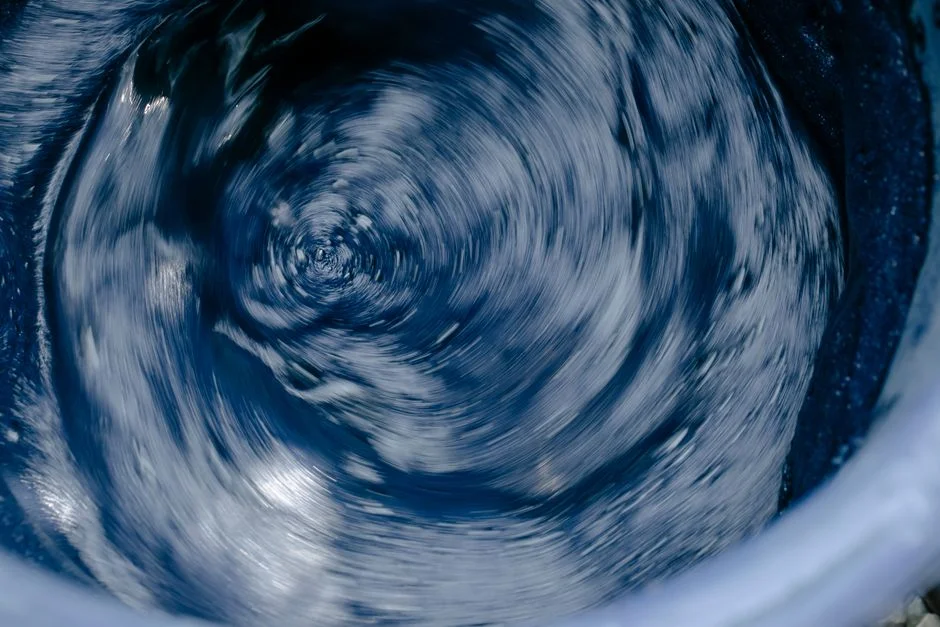
Reactive Oxygen Species Generation Driven by Solid-Liquid Interface Friction for Wastewater Decomposition, published in Langmuir (Vol. 42(35):25889–25898, 1 Sep 2026, PMID 42709102), reports a rotating-tube triboelectrification reactor at a fluorinated ethylene propylene (FEP)/water interface that decomposes pollutants without added micro/nano-catalysts: 82.1% rhodamine B, 50.4% methylene blue, 17.8% tetracycline, and 12.5% methyl orange decomposition in 60 minutes, with 49.7% TOC removal for rhodamine B. The mechanism is interfacial mechanical-energy-to-redox conversion at the solid–liquid boundary, with •O2- and •OH identified as the dominant radicals. For 2026 buyers, this is research-stage and not procurement-ready, but it points to a future where solid-liquid interface engineering complements conventional DAF, lamella, filter press, and centrifuge trains, particularly for hard-to-degrade dye and pharmaceutical residues that survive conventional separation.
Frequently Asked Questions
Which solid-liquid separation equipment gives the highest solids recovery in a chemical plant?
In the ScienceDirect comparative data, the screw separator posts 71–78% solids recovery at 0.6–1.6 kWh/m³, the highest of the three families reported. Centrifuge recovery ranges from 19.2% to 60.5% depending on configuration, and belt filtration recovers 42.8–48.1%. For a high-solids chemical slurry in the 5–8% feed window, the screw separator is the most consistent choice; centrifuge selection should be justified by vendor test data on the actual feed, not by the headline range.
What should I check when comparing solid-liquid separation equipment suppliers in 2026?
Ask each vendor for recovery and cake-dryness curves on a feed that matches the plant's solids concentration, energy input per m³ and per tonne of dry cake benchmarked against the ScienceDirect values (0.08 kWh/m³ for belt, 0.6–1.8 kWh/m³ for screw and centrifuge), material of construction compatible with weekly sodium hypochlorite or hydrochloric acid
Frequently Asked Questions
Which solid-liquid separation equipment gives the highest recovery for chemical plant wastewater?
Membrane bioreactors (MBR) combined with high-pressure reverse osmosis (RO) systems currently provide the highest recovery rates for chemical wastewater, often exceeding 90% to 95% water recovery. These systems utilize ultrafiltration membranes with pore sizes typically ranging from 0.01 to 0.1 microns to achieve near-total suspended solids (TSS) removal and high-efficiency solute separation.
What is the difference between a plate and frame filter press and a centrifuge for chemical sludge dewatering?
A plate and frame filter press is a batch-operated, pressure-driven process capable of achieving cake solids concentrations between 35% and 65%, making it ideal for high-volume solid recovery where low moisture content is critical. In contrast, a centrifuge operates continuously using centrifugal forces up to 3,000 Gs to separate phases, typically resulting in lower cake dryness (20% to 35% solids) but offering a significantly smaller physical footprint and lower labor requirements for continuous-flow chemical processes.
How do I choose between DAF and a lamella clarifier for a chemical manufacturing wastewater stream?
Dissolved Air Flotation (DAF) is the preferred choice when the wastewater contains oils, greases, or particles with a density lower than water, as it uses micro-bubbles to float contaminants to the surface for skimming. A lamella clarifier is superior for streams with high concentrations of dense, heavy suspended solids that settle via gravity; the inclined plates increase the effective settling area by a factor of 5 to 10 compared to conventional circular clarifiers, allowing for a compact design with high throughput.
What should I ask a solid-liquid separation equipment supplier before buying in 2026?
You should request verified data on the equipment's specific flux rates, expected mean time between failures (MTBF), and compatibility with your plant's current automation protocols (such as OPC-UA or Profinet). Additionally, ask for evidence of compliance with 2026 industry standards regarding energy efficiency, documented pilot-scale test results for your specific chemical slurry, and a detailed list of wetted parts materials to ensure long-term chemical resistance.
Is chemical compatibility important when selecting a filter press for a chemical plant, and what materials are required?
Chemical compatibility is the primary factor in preventing premature equipment failure and ensuring safety; incorrect material selection can lead to stress corrosion cracking or polymer degradation. For aggressive chemical environments, filter plates are typically constructed from chemically resistant polypropylene (PP) or PVDF, while wetted metal components often require 316L stainless steel, Hastelloy, or specialized PTFE-lined piping to withstand pH extremes and corrosive solvent exposure.