The Regulatory Stack a Covington Chemicals Plant Must Clear
Chemicals plants near Covington meet pretreatment limits by discharging through a permitted industrial user connection to a local POTW that enforces the federal National Pretreatment Program. The control authority applies 40 CFR Chapter I, Subchapter N, Parts 405–471 categorical standards, the general and specific prohibitions in 40 CFR Part 403, and its own local limits. Plants that average more than 25,000 gpd are classified Significant Industrial Users and must hold an industrial user permit, monitor their effluent, and avoid dilution as a substitute for treatment. Surcharge ceilings, prohibited substances, and Whole Effluent Toxicity testing are set in the POTW ordinance, so compliant plants align their on-site treatment train to the most stringent applicable limit.
The National Pretreatment Program operates under Section 402(b) of the Clean Water Act, and the local POTW is the day-to-day control authority. There are more than 16,000 POTWs serving over 75% of the U.S. population, according to a commercial explainer of the program published on aosts.com. The chemicals plant sits inside that network, not outside it, even though its manufacturing process is the source of the contamination.
Categorical pretreatment standards are codified at 40 CFR Chapter I, Subchapter N, Parts 405 through 471, and the city has been delegated authority to enforce them, 40 CFR Part 403, and 40 CFR Part 35 through EPA and state statutes. That authority is spelled out in the Middlesboro, Kentucky Code of Ordinances § 51.062(Q), which is useful as a reference for the regulatory structure even though Covington is governed by its own ordinance. Plants that operate under the Covington-area POTW must request that local ordinance before designing, because parameter ceilings and surcharge triggers vary by utility.
Two structural rules drive every engineering decision downstream. First, 40 CFR Part 403 establishes general prohibitions (no discharges that cause fire, corrosion, obstruction, or toxic gases) and specific prohibitions (no categorical pollutants above limits), and it requires a Significant Industrial User to hold an industrial user permit. Second, the dilution prohibition in Middlesboro § 51.063 — echoed in 40 CFR 403.6(d) — forbids using clean water to mask a hot stream. Adding a process water tie-in to pass a metals number is a permit violation, not a design choice.
A new federal vector appeared in 2022: legislation reported by C&EN would limit industrial releases of PFAS to waterways and POTWs, with wastewater limits applying to manufacturers of organic chemicals, plastics, and synthetic fibers starting in 2024. Plants in those subcategories should treat PFAS as a near-term compliance item rather than a research project.
Identify Your Categorical Subcategory and Significant Industrial User Status
EPA assigns categorical pretreatment standards by industry subcategory inside 40 CFR Parts 405–471, and a chemicals plant's NAICS code and product mix map it to a specific part — for example Part 414 (organic chemicals), Part 415 (inorganic chemicals), Part 417 (soap and detergent manufacturing), or Part 427 (asphalts, paving, and roofing materials). Self-classification is a frequent source of noncompliance, so the right move on day one is to confirm the subcategory with the local pretreatment coordinator in writing, then to keep that confirmation in the permit file.
The second decision point is Significant Industrial User (SIU) status. AOSTS, summarizing the EPA framework, defines an SIU as a user whose average wastewater discharge exceeds 25,000 gallons per day, and notes that the terms SIU and CIU are often used interchangeably. CIUs are facilities that discharge to a POTW rather than under their own direct-discharge NPDES permit, and most Covington-area chemicals plants fall into that group. Crossing the 25,000 gpd line triggers industrial user permitting, baseline monitoring reports, routine self-monitoring, and 90-day compliance reports.
Local control authorities also layer site-specific requirements on top of the federal standard. The Middlesboro ordinance is a useful reference for the kind of provisions Covington-area plants should expect to negotiate: § 51.065 authorizes special industrial pretreatment requirements, including slug-control plans, best management practices, and accidental-discharge prevention, and § 51.066 requires facilities to protect the POTW from accidental and slug discharges through containment and alarm systems. Plants that batch-produce, transfer between railcars and reactors, or wash down product-change lines are exactly the operations that trigger these provisions.
The control authority is also empowered to set local limits more stringent than federal rules. § 51.062(P) reserves the right to impose tighter limitations when needed to meet the objectives of the chapter, and § 51.062(R) authorizes the pretreatment coordinator to establish local limits pursuant to 40 CFR 403.5(c) and to require BMPs. In practice that means a chemicals plant must design to the most stringent applicable envelope — the federal categorical limit, the local limit, and the surcharge ceiling — and the most restrictive of the three wins.
| Compliance Decision | Trigger / Authority | What It Means for the Plant |
|---|---|---|
| Confirm categorical subcategory | 40 CFR Parts 405–471 | Determines pollutant-specific numerical limits (e.g., BOD, TSS, metals, organics) the plant must meet. |
| Determine SIU status | Average discharge > 25,000 gpd (40 CFR 403.3) | Triggers industrial user permitting, baseline monitoring, and 90-day compliance reports. |
| Categorical vs. direct discharger | Discharge to POTW vs. own NPDES permit | Most Covington-area plants are CIUs discharging to a POTW, not direct dischargers. |
| Special industrial pretreatment requirements | Local ordinance § 51.065 framework | Slug control, BMPs, accidental-discharge prevention layered on top of federal limits. |
| Local limits more stringent than federal | Local ordinance § 51.062(P), § 51.062(R), 40 CFR 403.5(c) | Design must meet the most restrictive of federal, local, and surcharge ceilings. |
Local Limits and Surcharge Economics a Covington Plant Must Hit
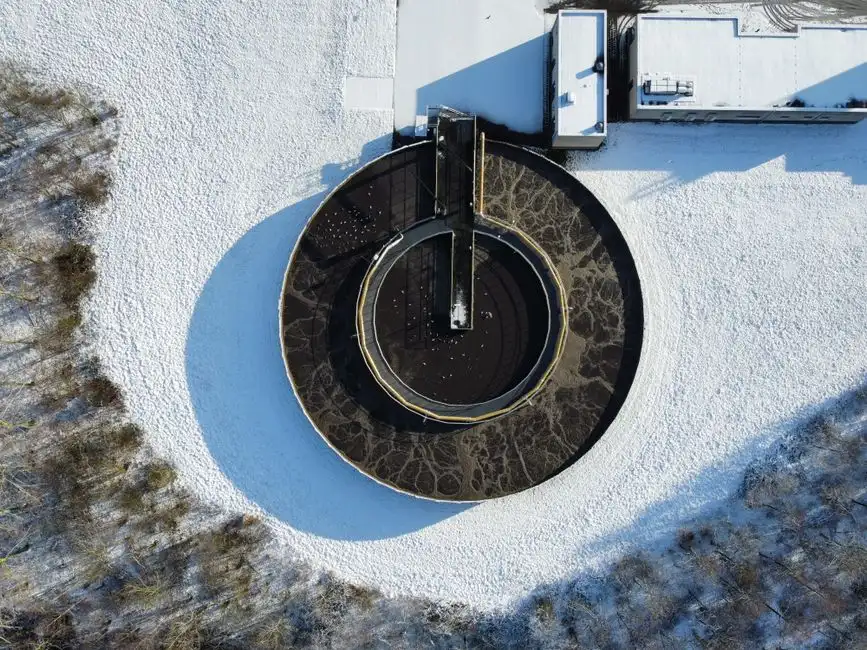
Local limits are the numbers a chemicals plant designs against after the federal categorical rules are met. The Middlesboro, Kentucky ordinance, used here as a reference envelope, sets surcharge-trigger maximums on a 24-hour composite sample (or a shorter-period composite if more representative) at BOD 350 mg/L, COD 1,000 mg/L, TSS 350 mg/L, NH3-N 30 mg/L, and Total Phosphorus 14 mg/L, per § 51.062(M)(1). Exceedances of these values do not by themselves constitute a permit violation if the surcharge is paid and the discharge does not cause interference or pass-through, per § 51.062(M)(2), but each pound of loading above the ceiling is billed back to the discharger.
The metals ceiling is a separate, much tighter set of numbers under § 51.062(N): Arsenic 0.75, Cadmium 0.07, Total Chromium 1.71, Hexavalent Chromium 0.41, Copper 1.2, Cyanide (amenable) 0.13, Lead 0.18, Mercury 0.001, Nickel 0.69, Selenium 0.13, Silver 0.24, and Zinc 1.48 mg/L as maximum daily concentrations. These limits are explicitly designated as pretreatment standards equivalent to the federal limitations established in 40 CFR Subchapter N, and significant industrial users must comply where the local number is more stringent than the state or federal rule.
The surcharge mechanism is the financial lever. Any person discharging wastewater exceeding the maximum allowable concentration is subject to a surcharge fee for each pound of loading above the surcharge limit, and any other amenable constituent that requires the addition of specific chemicals for proper treatment is also subject to surcharge as noted on the industrial user permit. A chemicals plant that runs above BOD 350 mg/L or NH3-N 30 mg/L is paying the utility to treat the difference, and the bill scales with both concentration and flow.
Two caveats matter. First, these are reference values from a comparable Kentucky ordinance; the actual Covington-area POTW ordinance will differ in specific numbers and must be requested from the local control authority before any design decision. Second, the Whole Effluent Toxicity prohibition in § 51.062(O) closes a back door: any water or wastewater identified as causing, alone or with other wastewater, the treatment plant's effluent to fail a WET test is a restricted discharge, regardless of whether the numeric values look compliant. WET pass-through is a non-numeric compliance gate that depends on influent toxicology, not on a single analytical result.
| Parameter | Surcharge-Trigger Maximum (mg/L, 24-hr composite) | Source |
|---|---|---|
| BOD | 350 | Middlesboro § 51.062(M)(1) |
| COD | 1,000 | Middlesboro § 51.062(M)(1) |
| TSS | 350 | Middlesboro § 51.062(M)(1) |
| NH3-N | 30 | Middlesboro § 51.062(M)(1) |
| Total Phosphorus | 14 | Middlesboro § 51.062(M)(1) |
| Metal | Maximum Daily Concentration (mg/L) |
|---|---|
| Arsenic | 0.75 |
| Cadmium | 0.07 |
| Chromium, total | 1.71 |
| Chromium, hexavalent | 0.41 |
| Copper | 1.2 |
| Cyanide, amenable | 0.13 |
| Lead | 0.18 |
| Mercury | 0.001 |
| Nickel | 0.69 |
| Selenium | 0.13 |
| Silver | 0.24 |
| Zinc | 1.48 |
Building the Treatment Train for a Chemicals Plant
The standard pretreatment train for a chemicals plant stacks unit operations so each one removes a class of pollutant before the next one sees a less hostile stream. Six steps cover the common case, and each step is sized to a specific number from the local ordinance rather than to a generic design guideline.
- Headworks and screening. A rotary mechanical bar screen for chemical plant headworks removes plastics, rags, fibrous debris, and product solids before they reach pumps, mixers, or membranes. Bar screens are cheap insurance against the housekeeping streams that chemicals plants generate during tank washes, tote changes, and floor cleanup.
- Equalization and flow/load buffering. Equalization basins smooth slug discharges and protect biological units from hydraulic and organic shocks. The Middlesboro § 51.066 slug-control framework requires facilities to prevent accidental and slug discharges, and equalization is the engineering answer to that requirement.
- Oil, grease, and suspended-solids removal. A DAF system for FOG and suspended-solids removal targets the 100 mg/L petroleum-oil cap and the 200 mg/L floatable-FOG cap in § 51.062(A)–(B). DAF handles free oil, emulsified product, and floated solids in one unit, and its float layer feeds directly into sludge handling.
- pH adjustment and metals precipitation. A PLC-controlled chemical dosing skid for pH and precipitation drives the metals maxima in § 51.062(N) toward compliance. Hydroxide precipitation handles most of the listed metals; sulfide or carbonate precipitation is added for tighter targets or for residuals that hydroxide leaves behind; coagulant and flocculant dosing prepares the precipitate for solid-liquid separation.
- Biological treatment. An MBR system for BOD, NH3-N, and TSS polishing pulls BOD, COD, and NH3-N below the surcharge ceilings, with the membrane stage tightening TSS to single-digit mg/L without a clarifier. Activated sludge with a clarifier is the lower-capital alternative where footprint is not the binding constraint.
- Polishing and disinfection. Multimedia filtration plus disinfection addresses WET-test pass-through, removes any residual toxicity from trace organics, and stabilizes the stream before the sewer connection. This is also the unit operation where PFAS polishing (granular activated carbon or ion exchange) will be retrofitted once the 2024 federal direction for organic chemicals, plastics, and synthetic fibers manufacturers becomes enforceable.
Sludge from DAF, precipitation, and MBR waste must be dewatered before disposal, and a filter press for chemical plant sludge dewatering is the standard choice. The filter press cake drives down hauling volume and lets the plant control whether the waste streams into a RCRA hazardous-waste manifest, a 60-day prior notification to the pretreatment coordinator under § 51.062(L).
Sampling, Reporting, and Whole Effluent Toxicity Verification
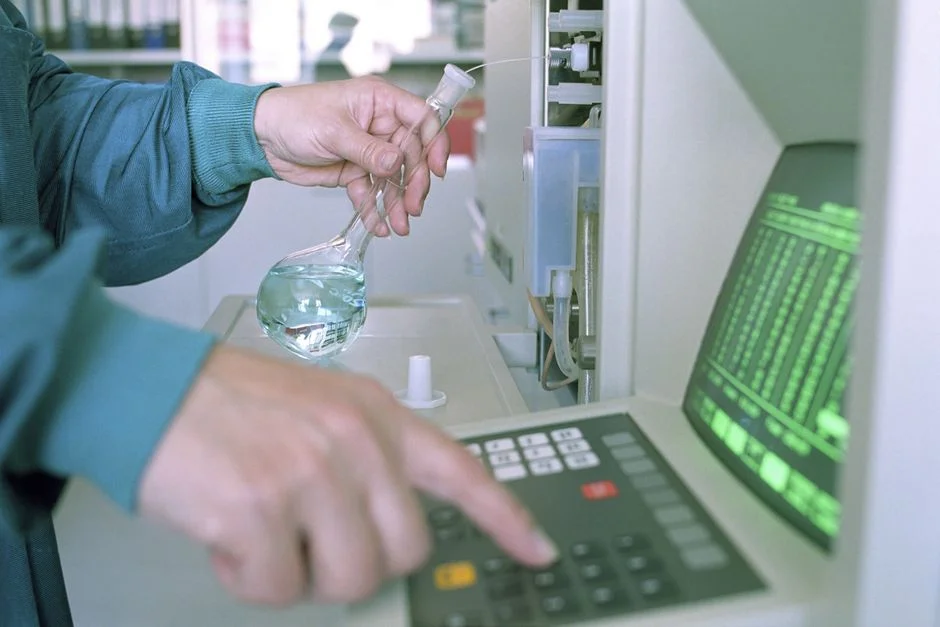
A correct treatment train still fails compliance if the sampling program is wrong. The surcharge parameters in Middlesboro § 51.062(M)(1) are evaluated on a 24-hour composite sample, or a shorter-period composite if more representative, which sets the practical minimum cadence for BOD, COD, TSS, NH3-N, and Total Phosphorus. Metals under § 51.062(N) are evaluated as maximum daily concentrations, which calls for a daily or batch-specific grab strategy plus the periodic composite.
Whole Effluent Toxicity testing is a separate, non-numeric compliance gate. § 51.062(O) prohibits any water or wastewater identified as causing, alone or in conjunction with other wastewater, the treatment plant's effluent to fail a WET test, which means the plant must run both acute and chronic toxicity testing on its combined effluent at the schedule the industrial user permit specifies. Numeric compliance is not a WET pass; pass-through toxicity is an independent permit condition.
Two reporting items often get missed until enforcement. First, any waste classified as hazardous under RCRA, 42 U.S.C. §§ 6901 et seq., requires 60-day prior notification to the pretreatment coordinator under § 51.062(L), including the waste name, EPA hazardous waste number, type of discharge, volume or mass, and time of occurrence. Second, accidental and slug-discharge controls under § 51.066 must be supported by on-site monitoring — pH probes, flow meters, level switches, and shutdown logic that the local control authority can verify during an inspection.
Cost Drivers, Surcharge Savings, and the 2026 Capex Decision
The surcharge formula is the financial case for the capex. Each pound of BOD, TSS, NH3-N, or TP that runs above the § 51.062(M)(1) ceiling is billed back to the discharger at the rate set in the local ordinance, which means a treatment train that takes a 600 mg/L BOD stream down to 250 mg/L is paying for itself in avoided surcharges over the equipment's service life. The same logic applies to metals: every pound of nickel or copper above § 51.062(N) triggers pretreatment fees, even if the categorical federal limit is met.
The equipment cost drivers a chemicals plant should request quotes against are DAF sizing, chemical dosing skid capacity, MBR membrane area, sludge dewatering capacity, and any PFAS polishing line. None of these has a single price tag, because the actual cost depends on influent loading, average and peak flow, target effluent envelope, local utility rates, and the level of automation the plant's operators can support. A vendor quote that does not ask for those inputs is not sized correctly.
PFAS readiness is a line item that should appear in every 2026 quote, not a footnote. Federal legislation reported by C&EN in 2022 would limit industrial releases of PFAS to waterways and POTWs, with wastewater limits applying to manufacturers of organic chemicals, plastics, and synthetic fibers starting in 2024. A proposal that ignores PFAS for an organic chemicals plant is dated by definition.
The minimum input package to send a treatment supplier before requesting a sized proposal: the categorical subcategory, average and peak flow, influent characterization data (BOD, COD, TSS, NH3-N, TP, oils and greases, metals list, pH, temperature), the target effluent envelope from the local ordinance, and WET-test history. A high-efficiency sedimentation tank for primary clarification or a sludge dewatering unit such as a high-efficiency sedimentation tank and a plate-and-frame filter press should both be evaluated against the same input package so the comparison is apples-to-apples. A side-by-side reference for the upstream DAF or clarifier decision is in the DAF vs clarifier decision guide for chemicals wastewater, and broader COD-removal technology context is in the COD removal technology comparison for 2026. A peer-utility treatment train is documented in the Middletown chemicals plant pretreatment compliance guide.
| Cost Driver | What to Specify in the Quote Request | Compliance Lever It Moves |
|---|---|---|
| DAF sizing | Average and peak flow, FOG loading, float-handling requirements | 100 mg/L oil cap and 200 mg/L FOG cap |
| Chemical dosing skid | Influent metals, target pH window, reagent preference | Metals maxima at § 51.062(N) |
| MBR membrane area | BOD/COD/NH3-N loading, target effluent envelope | Surcharge ceilings at § 51.062(M)(1) |
| Sludge dewatering | Solids mass, RCRA status, hauling distance | 60-day prior notification under § 51.062(L) |
| PFAS polishing | Subcategory (organic chemicals, plastics, synthetic fibers), target PFAS list | 2024 federal direction for PFAS in industrial wastewater |
Frequently Asked Questions
What categorical standard applies to a Covington chemicals plant?
Categorical pretreatment standards for industrial categories are codified at 40 CFR Chapter I, Subchapter N, Parts 405 through 471, and the plant's NAICS code and product mix map it to a specific part such as 414 (organic chemicals), 415 (inorganic chemicals), 417 (soap and detergent manufacturing), or 427 (asphalts, paving, and roofing materials). The control authority applies the standard, so the correct first step is to confirm the subcategory in writing with the local pretreatment coordinator before any equipment is sized.
How much does a chemical-plant pretreatment system cost in 2026?
No research-backed price applies to every plant. The actual cost depends on influent flow and loading, the target effluent envelope, the categorical subcategory, the level of automation, the sludge-handling choice, and whether PFAS polishing is in scope. The right move is to send a treatment supplier the input package described in the cost section above and request a sized proposal with each cost driver broken out as a line item; a proposal that does not request those inputs is not sized to your plant.
What is the SIU threshold and when does a chemicals plant need an industrial user permit?
A Significant Industrial User is generally defined as a user whose average wastewater discharge exceeds 25,000 gallons per day, per the AOSTS summary of the EPA framework. Crossing that threshold triggers industrial user permitting, baseline monitoring, routine self-monitoring, and 90-day compliance reports, and the plant must hold an industrial user permit before any discharge begins. The Covington-area POTW may set a lower threshold for categorical users, which the local control authority will confirm in writing.
How do chemicals plants reduce BOD, COD, and metals to stay below local surcharge limits?
The unit operations map to specific parameter ceilings. Equalization buffers hydraulic and organic load; DAF takes out FOG, free oil, and floated solids; pH adjustment with hydroxide, sulfide, or carbonate precipitation drives metals below the § 51.062(N) maxima; biological treatment (activated sludge or MBR) cuts BOD, COD, and NH3-N under the § 51.062(M)(1) surcharge ceilings; and multimedia filtration plus disinfection clears WET-test pass-through before the sewer connection. A peer-utility reference for the same workflow is in the Middletown chemicals plant pretreatment compliance guide.