Why Cooling Blowdown Is the Defining Water Question for a Thane Data Center
A hyperscale data center proposed for Thane, whether near Majiwada, Bhiwandi, or the Ghodbunder IT corridor, will not be evaluated by MPCB only on how much water it draws. The bigger regulatory question is what leaves the cooling loop. A 100 MW facility can draw on the order of 2 million liters of water per day (IDE Water Technology, 2026), and most of that becomes cooling tower blowdown (CTBD) at typical operating cycles. A 2026 TNFD case study, summarized in Water Utility Report (2026-04), notes that mismanaged cooling wastewater can carry elevated salts, heavy metals, and residual biocides, which means the discharge stream — not the intake — is where public-permit scrutiny will land.
Thane sits inside the Mumbai metropolitan supply system, with source water typically drawn from Tansa and Bhatsa lakes and treated by the BMC/MJP network. Any new IT/industrial park must secure MPCB consent, which already requires a project water balance and a discharge plan, not just a draw permit. The Majiwada-area discussion on r/thane captured the community sentiment: a Thane project cannot rely on a freshwater-only or discharge-only design and must present a defensible reuse or high-recovery strategy in front of a public audience that will ask about blowdown chemistry, not just blowdown volume.
Two design levers matter most. First, raise cycles of concentration (COC) on the cooling loop so less water is purged. Second, treat that smaller blowdown stream for reuse or compliant discharge. ZLD is the third lever and is usually over-spec for Thane unless discharge is prohibited. The rest of this brief works through chemistry, train selection, and a 2026 capex envelope sized for an Indian hyperscale site.
Blowdown Chemistry and Cycles of Concentration: What Actually Leaves the Cooling Tower
Cycles of concentration is the ratio of dissolved solids in the circulating water to those in the makeup water; it sets the blowdown volume. A cooling tower at 4 COC typically loses 25-30% of makeup water to blowdown, so a site pulling 10 MGD of makeup discharges roughly 2.5-3 MGD of blowdown at that operating point (Genesis Water Technologies, 2026). Pushing COC higher reduces that volume but worsens the chemistry of what remains.
Blowdown TDS typically sits in the 1,200-6,000 mg/L range, 4-8x the makeup value, so even a "good" blowdown is brackish (Genesis Water Technologies, 2026). The species that govern RO recovery are silica, calcium carbonate, and calcium sulfate, with residual treatment chemicals (biocides, corrosion and scale inhibitors) and suspended solids in the 10-50 mg/L range carried over from the basin. Legacy chromate or high-phosphate programs make reuse and discharge compliance harder, so the chemistry audit should precede the train selection.
The practical design consequence is that the lever is higher recovery on a smaller stream, not larger blowdown ponds. That shifts the unit-process decision from "how do we store blowdown" to "how do we push RO recovery past the 75-80% BWRO plateau."
| Parameter | Typical Blowdown Value | Source |
|---|---|---|
| Cycles of concentration (operating point) | 4 COC (range 3-6 typical) | Genesis Water Technologies, 2026 |
| Blowdown fraction of makeup at 4 COC | 25-30% | Genesis Water Technologies, 2026 |
| TDS | 1,200-6,000 mg/L (4-8x makeup) | Genesis Water Technologies, 2026 |
| Suspended solids | 10-50 mg/L | Genesis Water Technologies, 2026 |
| Dominant scaling species | Silica, CaCO3, CaSO4 | IDE Water Technology, 2026; Genesis Water Technologies, 2026 |
| Residual treatment chemicals | Biocides, corrosion/scale inhibitors; legacy chromate or high phosphate in older programs | Genesis Water Technologies, 2026 |
Treatment Train Options for Cooling Blowdown: UF, NF, RO, MVC, and ZLD Compared
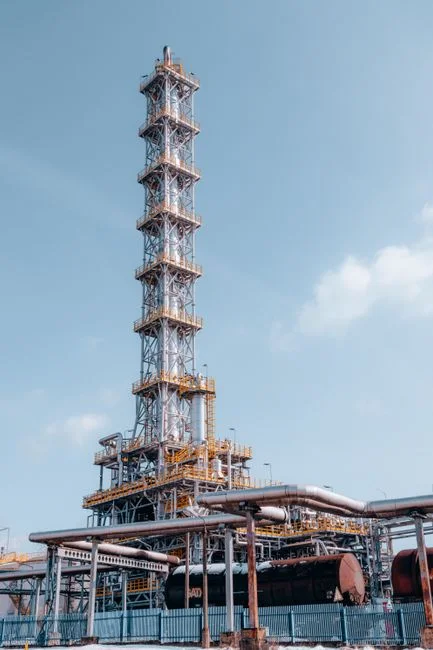
UF is the standard pretreatment ahead of any membrane work. PVDF UF at 0.01-0.1 micron pore size removes suspended solids and biological loading, operates at 10-30 psi, and runs at 90-95% recovery, setting the SDI for downstream RO (Genesis Water Technologies, 2026). A packaged UF pretreatment skid for cooling blowdown in the 2,000-40,000 L/h range covers most hyperscale sidestreams. DAF or lamella clarification upstream cuts TSS and oil/grease carryover before the membranes and protects the UF from fouling.
RO is the workhorse. Rejection runs 95-99% on dissolved solids with permeate at 10-50 mg/L TDS, recovery 50-85% on blowdown at 150-400 psi, and antiscalant control needed for silica and CaSO4 (Genesis Water Technologies, 2026). A 50,000 GPD blowdown RO skid sits in the $250,000-500,000 installed range with $1.50-3.00/kgal OPEX (Genesis Water Technologies, 2026). Sizing the industrial RO train sized for blowdown recovery requires the actual blowdown analysis because osmotic pressure at 4-6 COC determines pump selection and stage count.
NF is the middle path when hardness, not TDS, is the binding limit. NF operates at 75-150 psi, recovers 70-85%, and produces permeate at roughly 30-50% of feed TDS, useful where the goal is softening to push COC rather than full demineralization (Genesis Water Technologies, 2026). The trade-off logic is laid out in detail in this nanofiltration design parameters guide.
High-recovery RO with controlled precipitation breaks the BWRO ceiling. The MAXH2O reference case reached ~95% overall recovery with permeate silica ~1 mg/L by routing RO concentrate to a fluidized bed reactor where silica, CaCO3, and CaSO4 precipitate onto seed pellets; the residual brine then becomes a primarily NaCl stream suitable for further concentration (IDE Water Technology, 2026). Dynamic RO operation alternates short production periods with high-velocity flushes, holding the membrane within the induction phase of crystallization and pushing recovery beyond what continuous crossflow allows.
MVC and ZLD are tail-end options, not defaults. MVC reaches 95-98% recovery with distillate under 10 mg/L TDS at 15-25 kWh/kgal, and a 10,000-30,000 GPD unit costs $1-3M (Genesis Water Technologies, 2026). Full ZLD combines RO, MVC, and a crystallizer, hits 95-99% recovery, and runs $3-8M capital with $5-15/kgal OPEX (Genesis Water Technologies, 2026). A similar global framing is used in this ZLD-focused data center guide for water-scarce sites; for Thane, MVC/ZLD is justified only if discharge is prohibited or if hyperscale build-out outruns the receiving STP.
| Unit Process | Pressure / Energy | Recovery | Permeate Quality | Typical Role |
|---|---|---|---|---|
| UF (PVDF, 0.01-0.1 µm) | 10-30 psi | 90-95% | Suspended solids, bacteria removed; salts pass | Pretreatment for RO/NF |
| NF | 75-150 psi | 70-85% | Permeate TDS ~30-50% of feed | Partial softening to push COC |
| RO (BWRO) | 150-400 psi | 50-85% | 10-50 mg/L TDS; 95-99% rejection | Workhorse for reuse-quality makeup |
| High-recovery RO + controlled precipitation | 150-400 psi + fluidized bed reactor | ~95% overall | Permeate silica ~1 mg/L | Breaks the BWRO ceiling; solids, not brine |
| MVC | 15-25 kWh/kgal | 95-98% | Distillate <10 mg/L TDS | Concentrate volume reduction; tail step |
| Full ZLD (RO + MVC + crystallizer) | High thermal + electric | 95-99% | Solid salt cake; <1% liquid waste | Only when discharge prohibited |
Reuse, Discharge, or ZLD: Picking the Right End-State for a Thane Site
Cooling-tower makeup reuse gives the highest value and the strongest consent narrative: 60-85% recovery with the right pretreatment directly cuts freshwater intake and discharge (Genesis Water Technologies, 2026). For a Thane site drawing on Tansa/Mumbai metropolitan supply, the reuse-first design also makes the MPCB water balance cleaner because the net intake and the net discharge both fall.
Discharge-only is a losing strategy in 2026. Discharge fees in water-stressed regions run $5-15 per 1,000 gallons, and some jurisdictions cap TDS at less than 1,500 mg/L, which raw blowdown cannot meet (Genesis Water Technologies, 2026). MPCB consent conditions on IT/industrial parks typically constrain TDS, heavy metals, and residual biocides in any discharge to sewer or natural drain, and the receiving STP at Bhiwandi or the Kopri outfall is not designed for high-TDS trade waste. A Thane plant should assume the discharge envelope will tighten over the asset life, not loosen.
ZLD is technically possible at 95-99% recovery with $3-8M capital and $5-15/kgal OPEX, but it is justified only when discharge is prohibited or freshwater is unavailable (Genesis Water Technologies, 2026). For Thane, partial high-recovery RO is usually the right answer, with MVC as an optional tail step if hyperscale build-out in the basin forces tighter consent limits later. The full decision framing is detailed in this global data center cooling blowdown treatment guide.
Procurement will ask about carbon. A high-recovery RO train carries roughly 2x the global warming potential of freshwater in the worst case (Open Engineering Inc., 2026), but the operating-life carbon penalty shrinks as the grid decarbonizes while the water savings persist. That is the trade-off to put in front of a Thane ESG brief, not against reuse.
Pretreatment, Disinfection, and Sludge Handling: The Skid Around the Skid
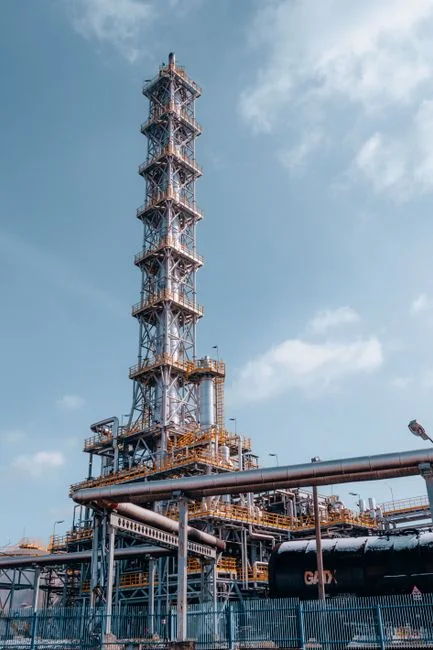
Top global pages gloss over the unit operations around the membrane skid; a Thane project cannot. Lamella clarification or dissolved air flotation ahead of UF drops TSS, oil, and grease carryover from the cooling basin and protects membrane life. A DAF ahead of the UF membranes in the 4-300 m3/h range, or a lamella clarifier at 20-40 m/h surface loading, covers most hyperscale sidestreams.
Chemical dosing must be PLC-controlled because the blowdown chemistry drifts with COC and source water. PLC-controlled antiscalant and biocide dosing keeps the RO inside its scaling envelope and neutralizes legacy phosphate or chromate carryover from older cooling programs.
Disinfection has to handle biofilm in the recirculating loop and biocide neutralization in the blowdown. On-site on-site chlorine dioxide for biocide control in the 50-20,000 g/h range addresses both, with EPA/EU/WHO compliance already built into the equipment envelope.
Sludge handling is the step that converts a high-recovery CTBD train from a liquid-waste problem into a solid-waste problem. The fluidized-bed precipitation step in a MAXH2O-style train produces compact pellets, not brine, and a plate-and-frame press for the precipitation solids in the 1-500 m2 range dewaters the residual sludge to a disposable cake. That detail matters for the MPCB solid-waste manifest as much as for the water balance.
Sizing a 2026 Thane Cooling Blowdown Train: Indicative Budget and Siting Checklist
Use the Genesis 2026 capital ranges as a sanity check, not as a Thane quote. A 50,000 GPD (≈190 m3/day) blowdown RO skid is $250,000-500,000 installed with $1.50-3.00/kgal OPEX; a 10-30 kgpd MVC unit is $1-3M with 15-25 kWh/kgal; full ZLD is $3-8M with $5-15/kgal OPEX (Genesis Water Technologies, 2026). A Thane hyperscale site producing on the order of 1,000 m3/day of blowdown sits well above that 50,000 GPD reference, so the realistic baseline is a UF + high-recovery RO train with controlled precipitation, with MVC as an optional tail step.
The capex envelope is project-specific because the source water is. Tansa/Mumbai metropolitan supply and recycled STP water carry different scaling and TOC profiles; the figures above assume a brackish cooling blowdown, and a project-specific water analysis should be requested before final sizing. INR pricing should be obtained from a vendor after that analysis, not assumed from US-published ranges.
| Train Element | Reference Capacity | Capital (USD, 2026) | OPEX (2026) | Source |
|---|---|---|---|---|
| BWRO skid (blowdown duty) | 50,000 GPD (≈190 m3/day) | $250,000-500,000 installed | $1.50-3.00/kgal | Genesis Water Technologies, 2026 |
| MVC unit | 10,000-30,000 GPD | $1-3M | 15-25 kWh/kgal | Genesis Water Technologies, 2026 |
| Full ZLD (RO + MVC + crystallizer) | Site-specific | $3-8M | $5-15/kgal | Genesis Water Technologies, 2026 |
| High-recovery reference (MAXH2O) | Industrial site, 20 hybrid cooling towers | — | ~95% overall recovery, permeate silica ~1 mg/L | IDE Water Technology, 2026 |
| Discharge fees (water-stressed regions) | — | — | $5-15 per 1,000 gal | Genesis Water Technologies, 2026 |
Permit and siting checklist for an MPCB pre-consultation:
- Submit MPCB consent application with a project water balance (intake, COC, blowdown volume, reuse fraction, discharge quality).
- Characterize the actual source water — Tansa/Mumbai metropolitan supply versus recycled STP — before train sizing.
- Run a blowdown chemistry analysis (TDS, silica, hardness, biocide residuals) to lock the scaling envelope.
- Decide reuse vs. discharge vs. ZLD based on consent limits and STP capacity at the receiving works.
- Prepare a community-engagement plan responding to local concerns already documented around proposed Thane data centers, including disclosure of discharge quality targets, not just volumes.
Frequently Asked Questions
What is a realistic 2026 capex envelope for a cooling blowdown treatment train at a hyperscale Thane data center?
A brackish RO skid at 50,000 GPD (≈190 m3/day) sits in the $250,000-500,000 installed range with $1.50-3.00/kgal OPEX, and a high-recovery reference case reached ~95% overall recovery with permeate silica ~1 mg/L (Genesis Water Technologies, 2026; IDE Water Technology, 2026). A Thane site producing on the order of 1,000 m3/day of blowdown will sit well above that 50,000 GPD reference, so the final INR envelope must be requested from a vendor after a project-specific source-water and blowdown analysis rather than scaled from US-published figures.
How do I pick the right treatment train supplier for a Thane hyperscale site?
Ask the vendor to demonstrate a reference case at ≥90% recovery on cooling blowdown with a documented permeate silica value, not a generic municipal-reuse reference, and confirm the supplier's local service footprint in Maharashtra for membrane cleaning and consumables. Cross-check the proposal against the Genesis 2026 capital/OPEX bands and the IDE 2026 high-recovery data so any deviation has a stated technical reason.
Does a Thane data center need ZLD, or is high-recovery RO enough?
For most Thane sites, partial high-recovery RO is the right answer, and full ZLD is justified only if MPCB consent prohibits discharge or freshwater supply is unavailable (Genesis Water Technologies, 2026). ZLD hits 95-99% recovery at $3-8M capital and $5-15/kgal OPEX, which is hard to justify against a UF + high-recovery RO train that already meets reuse and discharge limits.
What is the minimum chemistry data I need before sizing a blowdown train?
You need TDS, silica, calcium, magnesium, alkalinity, sulfate, TSS, and residual biocide/scale-inhibitor levels on both the makeup water (Tansa/Mumbai metropolitan supply or recycled STP) and a representative blowdown sample at the design COC. Without those, the antiscalant selection, RO stage count, and precipitation reactor sizing cannot be confirmed, and the capex envelope is guesswork.