Sanaa-Specific Constraints That Shape the Treatment Design
Makeup water reliability, rather than IT load, is the binding constraint on a data center in Sanaa. The city sits at roughly 2,250 m elevation in a semi-arid highland climate with limited municipal supply, so a cooling system dependent on a continuous potable feed will starve before the IT load does. Per DataCenterJournal (last updated Nov 15, 2017), Yemen has one publicly listed data center, operated by Yemen Telecom in Sanaa, which means a Sanaa site is telecom- or colocation-scale, not hyperscale; the right reference plant is a single-digit-megawatt facility.
Grid instability in Sanaa forces long diesel generator runtimes, so any treatment skid must tolerate frequent start-stop cycles and a thin operator headcount. Local chemical supply chains are limited and sludge hauling routes are long, so the design should minimize imported consumables and produce a small, stable sludge volume that a filter press can dewater on site. These four constraints—water reliability, scale, power, and logistics—explain why a generic "best practice" cooling tower blowdown (CTBD) guide, written for a Phoenix hyperscale campus, fails in Sanaa.
Which Wastewater Streams a Sanaa Data Center Must Treat
A Sanaa data center has two distinct liquid responsibilities: recover and reuse CTBD, and safely discharge sanitary or process wastewater. Cooling tower blowdown is the largest recoverable stream—at 4 cycles of concentration (CoC) it equals 25% of makeup using the 1/(CoC-1) ratio, dropping to 20% at 6 CoC (Genesis Water Technologies). Cooling makeup itself, whether municipal or tanker-delivered, needs pre-treatment—typically a multi-media filter ahead of RO or UF reuse and, if RO is used, anti-scalant dosing plus cartridge protection. Sanitary wastewater from staff, kitchens, and washrooms should pass through a packaged sewage treatment plant for on-site sanitary flow with disinfection before subsurface or sewer discharge, depending on what the Sanaa catchment accepts. Optional humidification condensate and equipment-room wash water can be blended into either the CTBD reuse line or the sanitary line based on contamination load. Mapping these streams up front prevents both over-scoping and under-scoping.
Sizing the Blowdown Stream for a Small Sanaa Facility

Sanaa sites are typically ≤1 MW, making the water balance small and predictable. Per IDE Tech, a 100 MW facility using evaporative cooling may need up to 2 million liters of water per day; scaling that ratio down, a 1 MW evaporative-cooled Sanaa site may need approximately 20,000 L/day of makeup, of which roughly 5,000 L/day is blowdown at 4 CoC and about 4,000 L/day at 6 CoC. Pushing cycles from 4 to 6 before adding any new unit process drops blowdown from ~25% to ~20% of makeup at almost zero capital cost. If makeup comes from Sanaa municipal supply with elevated hardness and silica, antiscalant selection and bleed-frequency tuning can target 4–5 CoC without aggressive chemistry, keeping blowdown compatible with downstream reuse. The pre-design output is a small, predictable flow—typically a few cubic meters per hour—which directly determines the right-sized modular equipment list.
| Parameter | 4 CoC | 5 CoC | 6 CoC |
|---|---|---|---|
| Daily makeup (1 MW site, ~20,000 L/day) | ~20,000 L/day | ~20,000 L/day | ~20,000 L/day |
| Blowdown fraction of makeup (1/(CoC−1)) | 25% | 20% | ~17% |
| Daily blowdown volume | ~5,000 L/day | ~4,000 L/day | ~3,400 L/day |
| Hourly blowdown (24-hour basis) | ~0.2 m³/h | ~0.17 m³/h | ~0.14 m³/h |
Recommended Modular Treatment Train for Sanaa
The right Sanaa train consists of four short stages plus a separate sanitary line, ordered so each stage reduces a specific problem.
Stage 1 — Suspended solids removal. A DAF unit for cooling blowdown pretreatment or a lamella clarifier handles silica-rich carryover, corrosion products, and any oil from adjacent generator areas. DAF is the better fit for the variable influent typical of intermittent Sanaa makeup, as it handles turbidity swings that would blind a media filter.
Stage 2 — Filtration. A multi-media filter ahead of RO or UF reuse polishes the clarifier overflow to RO-friendly SDI, or to a level suitable for direct non-critical reuse such as irrigation, toilet flushing, or wash water.
Stage 3 — Reuse. The operator chooses between (a) a conservative-recovery industrial RO for cooling makeup at 70–75% recovery for closed-loop cooling makeup, or (b) UF-only reuse to non-critical loops. Hyperscale 95%-recovery brine-desalter designs are over-specified for a Sanaa telecom site; Genesis Water Technologies notes that hyperscale water reuse technology requires dedicated operators and substantial capital expenditure that do not translate to smaller applications.
Stage 4 — Disinfection. UV or a chlorine dioxide generator for reuse and sanitary loops finishes the reuse stream. Chlorine dioxide is robust against long idle periods and temperature swings, which fits Sanaa's diurnal profile better than sodium hypochlorite.
Sanitary line. A packaged A/O or MBR integrated wastewater treatment plant with UV or chlorine dioxide disinfection, sized to the staff and on-site population, handles the second stream separately so CTBD chemistry never contaminates the sanitary discharge.
| Stage | Unit process | Target contaminant | Sanaa-specific reason |
|---|---|---|---|
| 1 | DAF or lamella clarifier | Suspended solids, oil, silica carryover | Tolerates variable, intermittent makeup turbidity |
| 2 | Multi-media filter | TSS, SDI reduction | Protects downstream RO or UF without chemicals |
| 3a | Brackish RO at 70–75% recovery | Dissolved salts for closed-loop makeup | Right-sized; avoids hyperscale complexity |
| 3b | UF-only | Particulates for non-critical reuse | Lowest chemical and power demand |
| 4 | UV or ClO₂ | Microbiology in reuse loop | Stable during genset off periods |
| Sanitary | Packaged A/O or MBR + disinfection | BOD, TSS, pathogens | Separate stream keeps CTBD chemistry clean |
Operating the System on Sanaa Grid and Fuel Reality
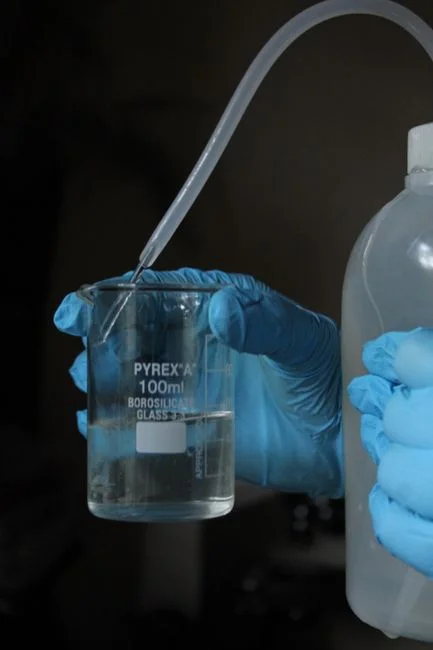
Operating mode matters as much as hardware in Sanaa. Push CoC from 4 to 5–6 first; it costs almost nothing and reduces blowdown from ~25% to ~20% of makeup before adding any new unit process. Use a PLC-controlled chemical dosing system for cooling pretreatment to limit operator intervention and tolerate fuel-rationed genset schedules without overdosing. Pair the reuse RO with a small treated-water storage tank sized for at least several hours of cooling demand so generator off-time does not crash the cooling loop or dump untreated blowdown.
CAPEX, OPEX, and Payback for a Sanaa-Scale Build
The defensible reference is from Genesis Water Technologies: a 15 MW facility recovering 60% of blowdown at $200,000 capital shows a ~6.7-year simple payback on water alone, improving to 3–5 years when total cost of water is included. A 1 MW Sanaa site follows the same logic, though OPEX is dominated by imported chemical costs and genset fuel; low-chemical designs (UF reuse, UV or ClO₂ over heavy chlorination) directly improve payback. Route clarifier and DAF sludge to a plate-and-frame filter press for clarifier sludge to minimize hauling and produce a dry cake that can be containerized on site. The exact CAPEX at 1 MW depends on local fabrication, freight, and import duties; request a budgetary range tied to your daily flow and CoC target rather than relying on a generic per-megawatt number.
Inputs to Give a Yemen EPC Before You Get a Quote
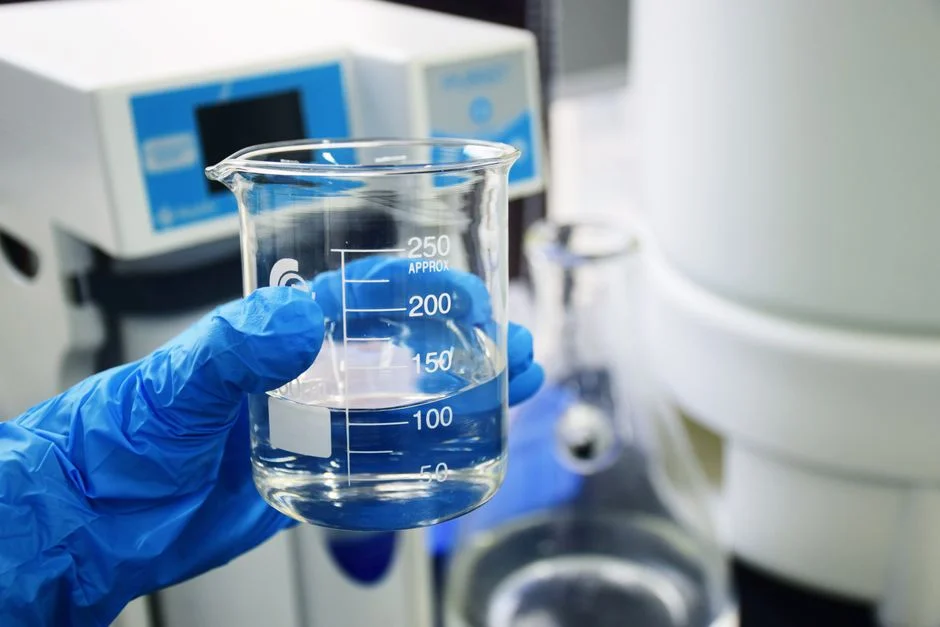
Providing specific site parameters ensures the proposal is accurately sized. Hand a Yemen EPC the following inputs:
- Daily makeup volume and source (municipal, borehole, or tanker), plus a recent water analysis including hardness, silica, chloride, and conductivity.
- Cooling system design: tower count, current CoC target, measured blowdown rate, and any existing chemical program.
- Power profile: average genset hours per day, fuel availability, and acceptable restart behavior for treatment equipment after an outage.
- Discharge pathway available in the Sanaa catchment and any local environmental limits that apply to the site.
Frequently Asked Questions
What does cooling tower blowdown treatment cost for a small Sanaa data center?
CAPEX scales with daily flow and target recovery, not with IT load. A 1 MW Sanaa site will be a fraction of the $200,000 capital cost often cited for 15 MW facilities, but the exact figure depends on local fabrication, freight, duties, and the CoC target. Request a budgetary range tied to your measured daily blowdown flow and target recovery rather than relying on a generic per-megawatt number.
What should I look for when choosing a wastewater treatment supplier for a Sanaa site?
Confirm the supplier can deliver a modular, PLC-automated skid that starts and stops cleanly on generator power, ships with a short consumables list that does not depend on monthly imported chemical shipments, and has a local or regional service partner. Ask for a reference plant at ≤5 MW scale in a water-stressed, grid-instable location. Also confirm the supplier can integrate a separate sanitary line and a small filter press so you are not piecing the system together from three vendors.
Is high-recovery RO (90%+) realistic for a Sanaa telecom data center?
Not as a default. IDE Tech's MAXH₂O Brine Desalter operates at around 95% recovery by combining RO with a fluidized bed crystallizer, but this design is over-specified for a ≤1 MW Sanaa site. The realistic Sanaa envelope is a conventional brackish RO at 70–75% recovery, or UF-only reuse, which avoids the multi-stage complexity and dedicated operator headcount that hyperscale reuse requires.
How do I reduce blowdown volume before adding any treatment equipment?
Push cycles of concentration from 4 to 5–6 first. Per Genesis Water Technologies, blowdown equals 1/(CoC−1) of makeup; moving from 4 to 6 CoC drops blowdown from 25% to about 17% of makeup through chemical program tuning, leak repair, and self-cleaning filtration. Above 5–6 CoC, biological and scaling risks rise sharply without advanced treatment.
Related Equipment
- conservative-recovery industrial RO for cooling makeup — specifications, capacity range, and technical data