Why Santo Domingo Data Centers Need Dedicated Wastewater and Blowdown Treatment
A data center in Santo Domingo, Dominican Republic — such as KIO's Tier IV–design SDO-1 facility in the Las Americas free-trade zone with 2N cooling — needs an integrated treatment train that handles two streams: sanitary wastewater from offices and staff, and cooling-tower blowdown. Cooling-tower blowdown at typical 4 cycles of concentration carries 1,200–6,000 mg/L TDS, concentrated hardness, silica, and treatment chemicals. A practical 2026 train combines self-cleaning side-stream filtration or ultrafiltration (0.01–0.1 µm) as pretreatment, followed by reverse osmosis operating at 50–85% recovery to produce 10–50 mg/L permeate suitable for cooling-tower makeup, with optional mechanical vapor compression at 95–98% recovery for sites pursuing zero liquid discharge. Discharge fees and municipal TDS limits in water-stressed Caribbean basins make reuse the most economic default.
The reference case for this article is KIO's SDO-1 in the Las Americas free-trade zone in Santo Domingo, Dominican Republic — a Tier IV–design facility with 2N electrical and cooling redundancy, two 450 kW generators providing seven days of diesel autonomy, a 223 m² data hall on a 0.90 m raised floor, and an average PUE of 1.6 (kiodatacenters.com). It produces two distinct waste streams that a single packaged plant cannot handle together: sanitary/domestic effluent from offices and staff areas, and cooling-tower blowdown from evaporative heat rejection. As IDE frames the water challenge, a 100 MW facility can demand up to 2 million liters of water per day (ide-tech.com), and almost all of that exits either as evaporation or as blowdown in an evaporative cooling system. The closed-loop label is not a free pass — even a system marketed as closed still consumes makeup water continuously and discharges blowdown to control dissolved solids (per the La Plata community clarification). At the regulatory end, Genesis Water Tech reports that direct discharge fees in water-stressed regions can exceed US$5–15 per 1,000 gallons and some jurisdictions enforce TDS limits below 1,500 mg/L — numbers a Santo Domingo engineer should expect to be quoted when negotiating a free-zone permit.
Cooling-Tower Blowdown Chemistry in a Tropical Climate
Cooling-tower blowdown at 4 cycles of concentration typically carries 1,200–6,000 mg/L TDS, suspended solids of 10–50 mg/L, elevated hardness, silica, and alkalinity, plus accumulated treatment chemicals from the cooling-water program (genesiswatertech.com). Because evaporation strips pure water and leaves dissolved species behind, scaling minerals — calcium, magnesium, silica, and alkalinity — concentrate proportionally to cycles and govern the recovery ceiling of any downstream reverse-osmosis unit. Biocides, corrosion inhibitors, scale inhibitors, and dispersants also accumulate in the blowdown, and legacy programs using chromates or high-phosphate chemistries create reuse and discharge compliance problems. Even well-maintained systems contain planktonic bacteria, algae, and biofilm fragments that have to come out before any membrane stage.
For Santo Domingo, the binding chemistry is calcium carbonate and silica, not NaCl osmotic pressure. The city's source water tends to run high-hardness carbonate, and the Caribbean climate keeps intake temperatures in the 25–30°C range year-round, which depresses silica solubility and pushes silica scaling earlier than cooler-climate designs would predict. That is why IDE's analysis is explicit: sparingly soluble salts — silica, calcium carbonate, calcium sulfate — are the practical ceiling on CTBD recovery, and conventional brackish-water RO tops out near 75–80% recovery before scaling becomes unmanageable (ide-tech.com). Pretreatment, antiscalant selection, and pH adjustment are therefore not optional; they are the levers that decide whether the RO runs at 50% recovery or 75%.
| Parameter | Typical Range at ~4 COC | Source |
|---|---|---|
| Total Dissolved Solids (TDS) | 1,200–6,000 mg/L | genesiswatertech.com |
| Suspended Solids | 10–50 mg/L | genesiswatertech.com |
| Hardness (Ca, Mg) | Concentrated proportionally to cycles | genesiswatertech.com |
| Silica | Concentrated; solubility limited at warm intake T | ide-tech.com |
| Treatment Chemicals | Biocides, scale/corrosion inhibitors, dispersants; legacy chromates/phosphates problematic | genesiswatertech.com |
| Biological Content | Planktonic bacteria, algae, biofilm fragments | genesiswatertech.com |
Treatment Train Architecture for a Santo Domingo Facility
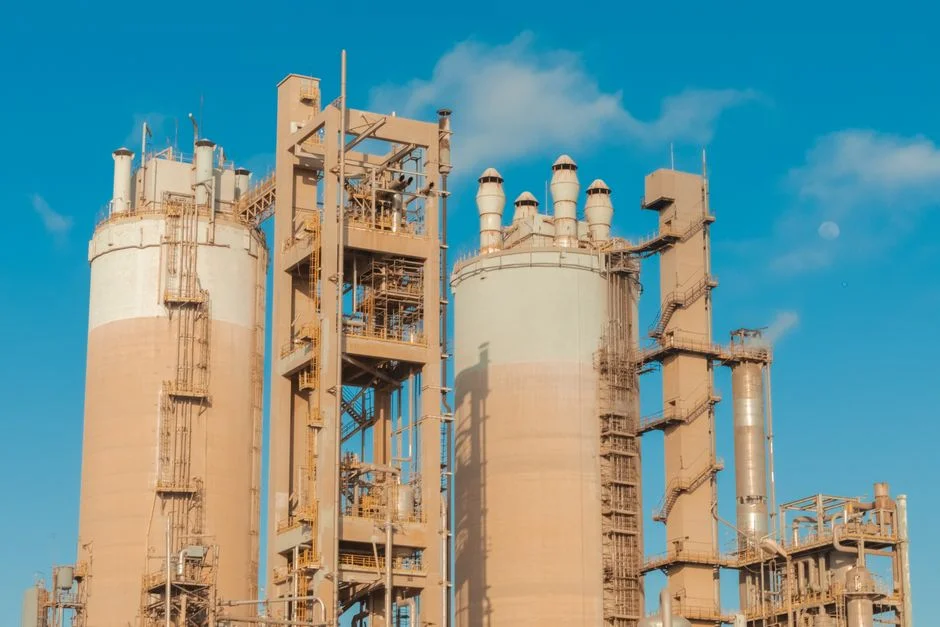
A defensible 2026 train for a Santo Domingo data center layers four unit operations: self-cleaning side-stream filtration, ultrafiltration, reverse osmosis (or nanofiltration where hardness is the binding limit), and optional mechanical vapor compression as the ZLD finishing stage. The side-stream filter — typically a self-cleaning spiral screen at 10–25 µm — runs continuously on a side bleed of the cooling loop, removes suspended solids, and lets the operator push cycles of concentration higher. Genesis reports capital costs of US$50,000–200,000 for typical data-center side-stream installations (genesiswatertech.com). The next stage is HydropureWater hollow-fiber UF pretreatment at 0.01–0.1 µm pore size, 10–30 psi, and 90–95% recovery; this stage protects the RO from biofouling and colloidal fouling and acts as the workhorse pretreatment on a Santo Domingo feed.
Downstream of UF, the HydropureWater industrial RO unit runs at 150–400 psi with 95–99% dissolved-solids rejection, producing permeate of 10–50 mg/L TDS that returns directly to the cooling-tower makeup (genesiswatertech.com). Recovery on raw blowdown is 50–85%, limited by scaling; antiscalant plus pH adjustment is mandatory, and Genesis notes that hybrid catalytic antiscalant chemistries outperform traditional phosphate inhibitors on CTBD feeds. Where hardness rather than total TDS is the binding discharge or reuse limit, a nanofiltration unit at 75–150 psi and 70–85% recovery is the lower-pressure alternative. Where the free-zone operator restricts discharge, an MVC finishing stage at 95–98% recovery produces distillate below 10 mg/L TDS at 15–25 kWh per 1,000 gallons (genesiswatertech.com), and the standard high-recovery layout is RO at 50–75% recovery feeding MVC at ~95% recovery on the concentrate for an overall 85–95% system recovery with minimal liquid discharge. HydropureWater multi-media pretreatment filter ahead of the UF keeps the upstream SDI in the safe band for RO.
| Unit Operation | Operating Range | Function in Train | Source |
|---|---|---|---|
| Self-cleaning side-stream filter | 10–25 µm; CAPEX US$50,000–200,000 | Enables higher COC; pre-protects UF | genesiswatertech.com |
| Ultrafiltration | 0.01–0.1 µm; 10–30 psi; 90–95% recovery | RO pretreatment; removes biology & colloids | genesiswatertech.com |
| Reverse Osmosis | 150–400 psi; 50–85% recovery; 10–50 mg/L permeate | Dissolved-solids removal for cooling-tower makeup | genesiswatertech.com |
| Nanofiltration (alternative) | 75–150 psi; 70–85% recovery | Hardness-driven softening where TDS is not the limit | genesiswatertech.com |
| Mechanical Vapor Compression | 95–98% recovery; 15–25 kWh/kgal; distillate <10 mg/L TDS | ZLD finishing stage on RO concentrate | genesiswatertech.com |
Sanitary Wastewater Side: What Goes Wrong if You Skip It
Office, cafeteria, and staff facilities at a Tier IV site generate continuous sanitary effluent that must meet Dominican discharge norms before any on-site soakaway, irrigation reuse, or sewer tie-in. The right tool is a packaged sanitary train, sized for the staff population rather than the IT load. The HydropureWater MBR sanitary train with submerged 0.1 µm PVDF membranes delivers near-reuse-quality effluent suitable for toilet flushing and limited landscape irrigation, which reduces fresh demand in a Caribbean water-stress context. For smaller headcounts, a HydropureWater packaged underground A/O plant with built-in disinfection provides unattended operation below grade. HydropureWater chlorine dioxide or UV polishing handles residual biological load before reuse or discharge. The sanitary STP and the blowdown RO should be visible in a single SCADA view so the operator sees the total site water balance, not two siloed plants that drift out of phase.
Reuse, Discharge, or Zero Liquid Discharge: Choosing the Right End-State
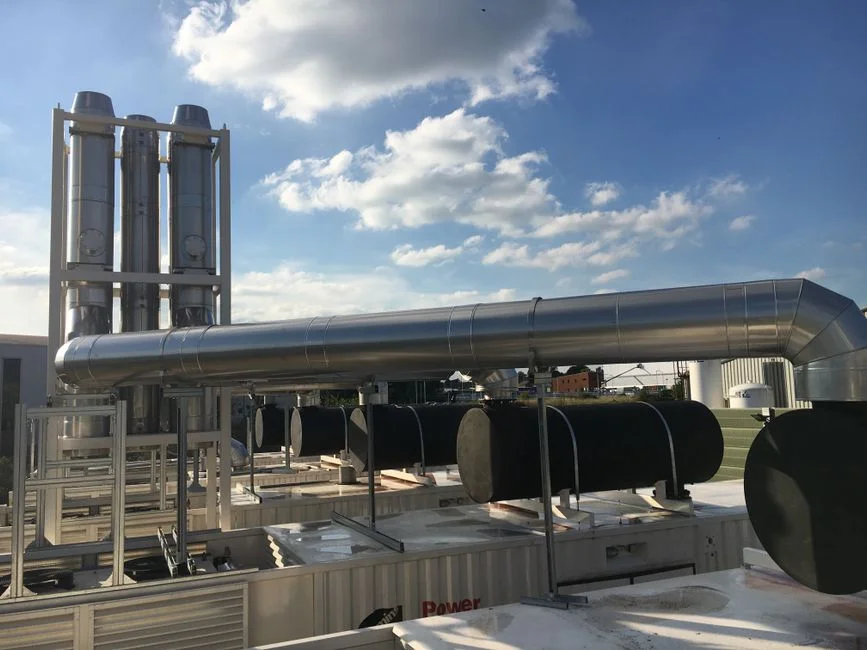
Three end-states are on the table for a Santo Domingo free-zone site, and the right one is set by the free-zone operator's discharge rules, the cost of makeup water, and the local discharge tariff. Cooling-tower makeup reuse offers the highest value: 60–85% recovery, a direct freshwater offset, and zero discharge volume (genesiswatertech.com). Discharge compliance becomes economic only where reuse is impossible; the cost driver is the avoided US$5–15 per 1,000 gallons discharge fee plus any TDS penalty (genesiswatertech.com). Full ZLD at 95–99% recovery is justified only in water-scarce sites with absolute discharge prohibition, with CAPEX of US$3–8 million and OPEX of US$5–15 per 1,000 gallons treated (genesiswatertech.com). Partial ZLD — concentrating blowdown by 80–90% — captures most of the water benefit at a fraction of full ZLD CAPEX and leaves a small brine volume for periodic removal, which is the operationally simpler answer in a free-trade zone where brine haul-off routes can be restricted.
For a Tier IV 2N facility in a free-trade zone with municipal-grade makeup water, the defensible default is high-recovery RO reuse with the MVC stage held in reserve unless the free-zone operator restricts discharge. A free-zone permit that limits total dissolved solids in the sewer tie-in is the trigger that flips the design from RO-reuse to RO-plus-MVC. HydropureWater's 2026 cooling-tower blowdown engineering guide walks the same selection problem in more general terms for a buyer who wants the full CAPEX/OPEX breakdown.
| End-State | Recovery | Cost Driver | Best Fit | Source |
|---|---|---|---|---|
| Cooling-tower makeup reuse (RO) | 60–85% | Freshwater offset; no discharge volume | Default for free-zone site with municipal makeup | genesiswatertech.com |
| Discharge compliance (RO/NF) | 50–85% | Avoided US$5–15/kgal discharge fee + TDS penalties | Where reuse is infeasible | genesiswatertech.com |
| Partial ZLD (RO + MVC on concentrate) | 85–95% | Lower than full ZLD; small brine for periodic removal | Free zones with restricted brine haul-off | genesiswatertech.com |
| Full ZLD (RO + MVC + crystallizer) | 95–99% | CAPEX US$3–8M; OPEX US$5–15/kgal | Absolute discharge prohibition; scarce water | genesiswatertech.com |
Caribbean-Specific Design Risks and Commissioning Watch-outs
Generic global guides miss the failure modes that drive Santo Domingo designs. Hurricane-driven grid instability means blowdown polishing equipment must ride out multi-day generator autonomy; the SDO-1 design baseline — two 450 kW generators with seven days of diesel autonomy on a 2N electrical topology (kiodatacenters.com) — is the reference point, not an option. Warm Caribbean intake water accelerates biological growth, so UF ahead of RO plus a non-phosphate biocide programme is mandatory to control biofouling in the membrane train; HydropureWater PLC-controlled antiscalant and biocide dosing with redundant pumps is the standard. High silica at elevated intake temperature means the RO recovery target should be set conservatively below the conventional 75–80% BWRO ceiling unless a salt-precipitation step along the lines of IDE's MAXH₂O logic is added (ide-tech.com). Free-trade-zone siting often restricts brine haul-off routes, so a partial-ZLD design that minimises liquid waste for periodic removal is operationally simpler than full ZLD. A parallel 2026 guide for a West-African data center reaches a similar conclusion for a different tropical operating envelope, which is useful sanity-check reading before a design review.
Frequently Asked Questions
What is a realistic CAPEX range for a Tier IV blowdown reuse system in Santo Domingo?
Genesis Water Tech benchmarks the unit operations individually: a side-stream filter at US$50,000–200,000 installed, and a 50,000 GPD RO train at US$250,000–500,000 installed with US$1.50–3.00 per 1,000 gallons operating cost (genesiswatertech.com). For a Tier IV 2N facility at the SDO-1 scale, an MVC finishing stage adds another US$1–3 million of CAPEX at 10,000–30,000 GPD (genesiswatertech.com). A full-ZLD line item lands in the US$3–8 million range, which a buyer should only accept if the free-zone operator prohibits discharge. Request line-itemised quotes for each stage with the local freight, duties, and installation factor applied — the equipment number is not the landed number.
How do I pick a supplier for a Santo Domingo free-zone data-center water train?
Ask for documented reference sites in the Caribbean or comparable tropical climate with brackish source water, not just global reference lists. Request the supplier's specific pressure, recovery, and antiscalant dose assumptions for the 1,200–6,000 mg/L TDS range at intake temperatures of 25–30°C (genesiswatertech.com), and confirm they can deliver a redundant chemical dosing skid and a multi-language SCADA package. Verify that the supplier's local service partner can reach the Las Americas free-trade zone within the generator autonomy window of seven days (kiodatacenters.com) and that spare-parts logistics into a free-zone site are not bottlenecked by customs. Reject any quote that does not include hurricane-rated enclosures and a documented ride-through plan for sustained generator operation.
What blowdown recovery rate can I expect on Santo Domingo source water without going to ZLD?
On a typical Caribbean high-hardness carbonate source, conventional brackish-water RO tops out near 75–80% recovery before silica, calcium carbonate, and calcium sulfate scaling dominate (ide-tech.com). With antiscalant plus pH adjustment, a 50,000 GPD RO on CTBD typically operates at 50–85% recovery (genesiswatertech.com), which is the practical reuse band. Pushing past that ceiling requires either an MVC finishing stage or a salt-precipitation step, not a more aggressive single-stage RO.
What permit and discharge questions should I close with the free-zone operator before final design?
Confirm the discharge TDS ceiling, the biocide and phosphate limits, whether brine haul-off is permitted or restricted to approved carriers, and the storm-water handling rules during hurricane season. Genesis reports that some jurisdictions set TDS limits below 1,500 mg/L and discharge fees above US$15 per 1,000 gallons (genesiswatertech.com), and either of those numbers is enough to flip the design toward higher recovery or partial ZLD. Freeze the answers in writing before the P&ID is issued; permit-driven redesign after procurement is the most expensive failure mode on a free-zone project. A 2026 engineering guide for cooling-tower blowdown lays out the same questions in more general terms for a buyer building the design-review checklist.