Why coking wastewater needs a staged COD removal train in 2026
Coking wastewater is characterized by high toxicity, poor biodegradability, and significant compositional fluctuations, which pose substantial challenges to the stable, long-term operation of conventional A/O/O treatment processes (Bioresour Technol, 2024, full-scale Yunnan case study, S5). Those three attributes — toxicity, recalcitrance, and load swings — are precisely the conditions under which a single biological reactor drifts out of compliance. In 2026, plant engineers and EPC process designers are therefore treating coking wastewater COD removal as a staged train problem rather than a single-step one.
The Yunnan full-scale case study is the clearest available evidence for this shift. With a bioaugmented A/O/O biological stage, the plant still needed a downstream advanced treatment unit to keep effluent COD below the 120 mg/L ceiling it targeted, with a low of 64 mg/L (S5). The biological and advanced treatment units together were identified by the same study's life cycle assessment as the primary sources of environmental impacts, contributing nearly 90% of the total burden (S5). Design choices inside this train dominate both compliance and carbon performance for any 2026 coking plant.
For a process designer, the practical implication is to specify the train on a P&ID — influent equalization, oil/tar removal, biological removal, advanced polishing, sludge handling — rather than as a single black box. The following sections detail each of those stages in that order, using the Yunnan numbers as the anchor and a parameter table for vendor discussions. For a broader cross-industry view, see the broader COD/BOD removal buyer's guide.
Influent characterization: what you must measure before sizing any COD removal stage
Every advanced treatment decision downstream depends on which pollutants are actually present in the raw coking liquor, rather than a generic COD value. The state-of-the-art review literature flags high COD, high NH4+-N, phenols, cyanides, thiocyanate, and color as the recurring parameter set, while the Yunnan study shows inlet swings severe enough to destabilize a conventional A/O/O until bioaugmentation was applied (Bioresour Technol, 2024, S5). A design sized on average load rather than peak load will fail under those conditions.
Before any equipment is quoted, lock in the parameters below on a daily composite and a 7-day peak envelope taken at the coke plant's primary clarifier outlet. The S5 case study discusses toxicity, biodegradability, and fluctuations as the three load dimensions; the parameter table translates those into a defensible influent data sheet for sizing.
| Parameter | Why it matters for the train | Sampling demand |
|---|---|---|
| Influent COD (avg & peak) | Sets biological stage organic loading and downstream polishing load | Daily composite + 7-day peak window |
| NH4+-N | Drives nitrification/denitrification sizing; S5 reports 99% removal achievable in the biological unit | Daily composite + diurnal grab |
| Total phenols | Primary toxicity driver that breaks through to the polishing stage | Daily composite |
| Free and total cyanide | Toxic to biomass; must be checked against biological toxicity limits | Daily composite |
| Thiocyanate (SCN−) | Sulfur-cycle substrate; influences the microbial community design | Daily composite |
| pH and temperature | Equalization demand; swings aggressively with batch coke-pushing cycles | Continuous online |
| Oil & grease / suspended solids | Sets DAF and primary clarifier sizing | Daily composite |
Without this envelope, biological and polishing sizing is guesswork. For a cross-stream comparison of how different industrial wastewaters frame this same data sheet, the starch wastewater COD removal engineering guide shows a parallel influent parameter table.
Pretreatment: oil, tar, ammonia, and cyanide conditioning before biology
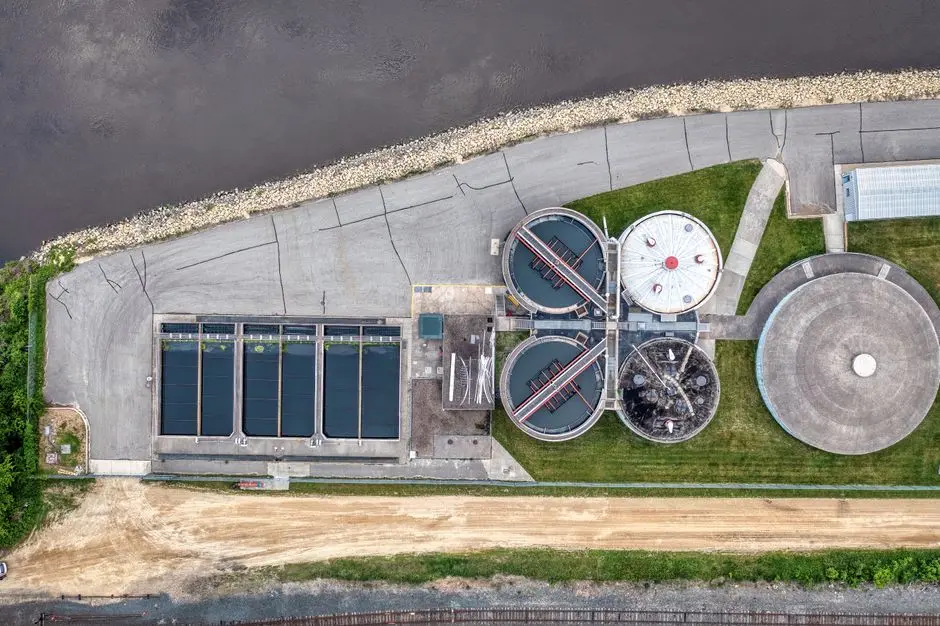
Pretreatment is the protective shell for every unit operation downstream, and it is where most coking trains fail in practice. Tar, oil, and suspended solids must be removed upstream of any biological reactor; a Dissolved Air Flotation (DAF) System for coking wastewater pretreatment is sized for the oil, grease, and colloidal fraction that routinely carries through coke plant primary clarifiers and would otherwise coat biomass and foul membranes.
pH and temperature equalization is the second must-have. Coking liquor temperatures and pH swing aggressively with batch coke-pushing cycles, which the Yunnan study explicitly identifies as one of the three load dimensions that destabilized a conventional A/O/O (Bioresour Technol, 2024, S5). A properly sized equalization basin with mixing and PLC-controlled chemical dosing for coking wastewater converts those swings into a feed the biological stage can absorb, ensuring consistent compliance.
Ammonia and cyanide conditioning round out the front of the train. Ammonia stripping or a pre-A/O nitrification step is often the only way to keep the downstream biological stage from being ammonia-inhibited; the S5 plant reached 99% NH4+-N removal only because nitrification was embedded in the biological unit. Cyanide is typically handled by alkaline chlorination or by leveraging the biological sulfur cycle once a bioaugmented consortium is established.
Biological stage: bioaugmented A/O/O and biofilm designs for the bulk COD load
The 2026 reference baseline for the biological stage is a bioaugmented A/O/O system. At the Yunnan full-scale coking plant, the biological treatment unit achieved COD and NH4+-N removal efficiencies of up to 97% and 99%, respectively, even under highly toxic and unstable influent conditions (Bioresour Technol, 2024, S5). That 97% COD removal is the number to anchor biological sizing against.
Bioaugmentation is what made that number reliable. High-throughput 16S rRNA sequencing at the Yunnan plant showed that augmentation promoted microbial community reorganization and enriched several key functional genera, including Thiobacillus, Nitrosomonas, Limnobacter, and Denitratisoma — genera associated with sulfur-cycle, nitrification, and denitrification activity in coking systems (S5). For an engineer, that is a clear specification signal: the supplier must be able to demonstrate the consortium, not just the reactor.
For plants with more severe influent shocks, biofilm and MBR configurations add resilience. A four-stage biofilm A-A/O/O system has been explored in the literature to strengthen biological treatment, and biofilm carriers on a submerged MBR membrane bioreactor for coking wastewater give the dual benefit of higher mixed-liquor suspended solids for shock loading and a physical barrier that captures biomass losses. For module-level specification, an MBR membrane bioreactor module with PVDF flat-sheet membranes is the typical configuration for coking service.
Advanced polishing: closing the gap from 120 mg/L COD to the discharge limit
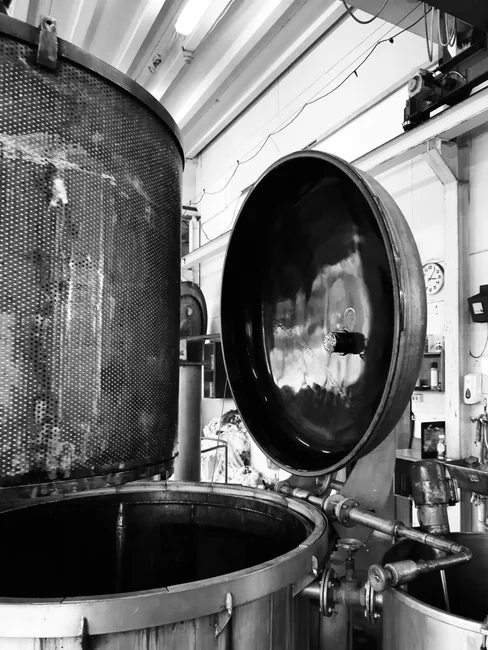
After the biological stage, the residual is no longer the bulk COD load — it is a refractory fraction of color, residual phenols, and slowly biodegradable organics. The downstream advanced treatment unit at the Yunnan plant added up to 75% COD removal and 85% NH4+-N removal on the biological effluent (Bioresour Technol, 2024, S5). The same study's life cycle assessment placed these stages inside the ~90% environmental-burden block, so polishing must be optimized.
The technology choice depends on which residual fraction is dominant. Where the residual is mostly colloidal or organic color, coagulation followed by a lamella clarifier for coking wastewater COD polishing is the lowest-cost step. Where the residual is genuinely refractory, an oxidation step is required — a chlorine dioxide generator for coking wastewater polishing for phenolic residuals, an ozone generator for coking wastewater polishing for color and non-biodegradable organics, and a UV sterilizer for coking wastewater polishing where a final disinfection barrier is required.
The S5 case study indicates that this stage carries significant environmental burden relative to its effluent contribution. The implication is to size polishing to the measured residual profile rather than using a generic safety factor.
| Residual fraction after biology | Lowest-cost polishing step | Indicative duty |
|---|---|---|
| Colloidal COD / suspended solids | Coagulation + lamella clarifier | Clarification of biological effluent |
| Residual phenols | ClO2 oxidation | Phenolic residual destruction |
| Color / non-biodegradable organics | Ozone or ozone/UV | Color and refractory COD removal |
| Final disinfection barrier | UV | Discharge-side microbial control |
Sludge and side-stream handling for a coking wastewater train
Both the DAF pretreatment and the biological stage produce a sludge stream that must be dewatered to prevent the plant's overall environmental burden from shifting from discharge to landfill. A filter press for coking wastewater sludge is the standard specification for this duty, sized for the oily, biological sludge that a coking wastewater plant produces and available across a 1 m² to 500 m² filtration area range.
The Yunnan life cycle assessment notes that the biological and advanced stages together drive most of the life-cycle burden (Bioresour Technol, 2024, S5). Sludge handling is one of the easiest places to reduce that burden with a properly sized press, because drier cake means less transport, less landfill, and lower reagent consumption downstream. Side-streams from advanced oxidation should be returned upstream of the equalization basin rather than discharged separately.
Equipment selection checklist for a 2026 coking wastewater COD removal project
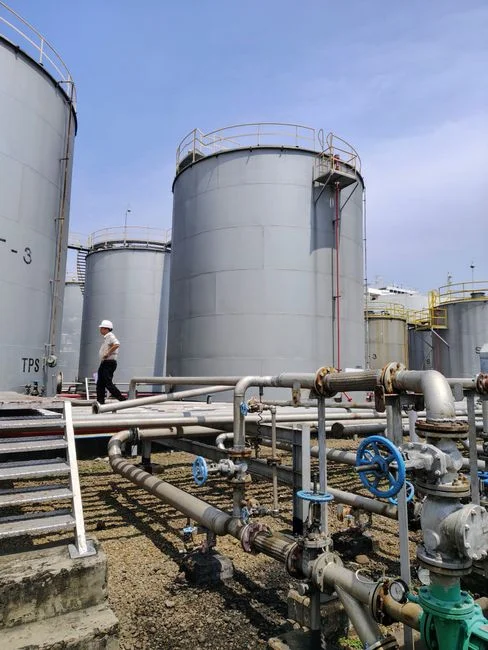
The technical content above must be converted into a procurement-ready specification to initiate a project. Use the checklist below as a starting point for vendor evaluation, and require evidence for every line item.
| Checklist item | What to require from the supplier |
|---|---|
| Coking or toxic industrial reference projects | Documented full-scale case study with influent and effluent numbers |
| Biological sizing basis | Reactor sized to your measured peak COD, NH4+-N, phenols, and cyanide — not a generic value |
| Bioaugmentation consortium | Named functional genera and documented re-inoculation protocol |
| Polishing technology match | Residual-fraction-specific (coagulation, ClO2, ozone, UV), not a generic package |
| Lifecycle cost disclosure | Energy, chemical, membrane replacement, and sludge yield figures |
| Control philosophy | PLC/SCADA with toxicity-shock alarms and safe-degrade logic, supported by PLC-controlled chemical dosing for coking wastewater |
| Sludge handling | Filter press sizing basis and target dry-solids content |
Frequently Asked Questions
What is a realistic 2026 budget envelope for a coking wastewater COD removal project?
The research does not provide a capital or operating cost figure for
Frequently Asked Questions
What COD removal efficiency can a 2026 coking wastewater plant realistically expect from a bioaugmented A/O/O biological stage?
In 2026, a well-optimized bioaugmented Anoxic/Oxic/Oxic (A/O/O) system can typically achieve a total COD removal efficiency between 85% and 92%. While influent concentrations often range from 3,000 to 5,000 mg/L, bioaugmentation with specialized phenol-degrading bacterial strains allows for stable effluent COD concentrations in the range of 250 to 400 mg/L, provided the hydraulic retention time (HRT) is maintained between 24 and 36 hours.
How do I size a coking wastewater treatment train when influent COD, ammonia and phenols swing batch to batch?
Sizing must be based on the 95th percentile load rather than the average, incorporating a minimum equalization basin capacity equivalent to 48 hours of average daily flow to dampen shock loads. Engineers should utilize a safety factor of at least 1.5x on the aerobic reactor volume to account for the inhibitory effects of high-concentration heterocyclic compounds on nitrifying bacteria during peak phenol spikes.
Which advanced treatment step is most cost-effective for polishing coking wastewater below 120 mg/L COD?
For polishing effluent below 120 mg/L, heterogeneous catalytic ozonation is currently the most cost-effective tertiary treatment compared to traditional Fenton oxidation. By utilizing solid catalysts to enhance hydroxyl radical generation, plants can reduce chemical sludge production by up to 60% while achieving the required COD reduction at an operational cost of approximately $0.40–$0.65 per cubic meter of treated water.
What should a buyer ask a wastewater equipment supplier before specifying a coking wastewater plant in 2026?
Buyers must request documented performance data from plants operating with similar influent toxicant profiles, specifically regarding the tolerance of aeration equipment to high-salinity and tar-laden environments. Furthermore, suppliers should provide a detailed energy-intensity guarantee (kWh/m3) and confirm the availability of remote monitoring modules that integrate real-time sensor data for automated chemical dosing to ensure compliance with 2026 discharge standards.
Is an MBR economically justified for coking wastewater compared to a conventional A/O/O system?
An MBR is economically justified only when the facility faces stringent discharge limits below 80 mg/L COD or has a severe footprint constraint. While an MBR eliminates the need for secondary clarifiers and provides superior effluent quality, the total cost of ownership is typically 25% to 40% higher than an A/O/O system due to membrane fouling mitigation, high-pressure air scouring requirements, and the necessity for frequent chemical cleaning cycles.