
DAF vs Clarifier: What Each Unit Actually Does in a Mining/Metals Plant
A Dissolved Air Flotation (DAF) clarifier works by recycling a portion of clarified effluent through an air saturation vessel under pressure; when that recycle stream is released through a pressure-relief valve near the center of the unit, the dissolved air comes out of solution as microscopic bubbles. Those bubbles attach to suspended solids, oil droplets, and floc particles, lifting them to the surface where a paddle or blade skimmer removes the floated layer.
The SigmaDAF USA / Clearwater Industries specification states that the microbubbles produced by this process fall in the 30–50 µm range — a size scale that matters for mining influents because fine clays, metal hydroxides, and emulsified oil droplets have low settling velocities and largely escape a quiescent vessel, but will attach to a microbubble and rise with it. The ClearStream process description confirms the same recycle-pressurization sequence and notes that a specialized pressure-relief valve is used to "optimize air release near tank center" and limit large-bubble formation in the recycle line.
A conventional gravity clarifier, including a lamella or inclined-plate clarifier such as the lamella clarifier option for compact footprints, is fundamentally different: it is a quiescent or low-velocity vessel where heavier particles settle under gravity into a sludge hopper, and clarified water overflows a peripheral or launder weir. Performance is governed by surface area, hydraulic retention time, and the surface loading rate — not by bubble attachment. Where DAF chemistry and bubble contact do the work, a clarifier relies on particle mass and quiescent conditions.
For configuration, ClearStream documents both circular and rectangular DAF layouts: circular units are typically specified for installations under approximately 50 ft in diameter, use a torque-tube drive with a rotating solids-removal mechanism, and suit either steel or concrete tanks; rectangular units are usually shop-assembled and can include integral coagulation and flocculation chambers, which fits retrofit and narrow-site projects. Clearwater/SigmaDAF specifies that DAF performance collapses without proper upstream chemical conditioning — coagulation and flocculation enlarge particle size so the microbubbles can attach — and that serpentine flocculator mix tubes or chemical mix tanks are typically supplied as part of the DAF package, as described for the HydropureWater DAF systems range.
Shelbiana Mining/Metals Effluent: What Makes It Different
Shelbiana sits in the Central Appalachian coal country of Luzerne County, Pennsylvania, and the wastewater profile at a coal prep plant, metal mine, or fabricated-metals shop in this corridor is shaped by the geology and the equipment on site. The influent typically carries high total suspended solids from coal fines, rock dust, and metal hydroxide precipitates; emulsified oils and lubricants from equipment wash and hydraulic systems; and episodic high flows when stormwater contacts disturbed ground or stock piles. The fine clays and freshly precipitated metal hydroxides in this stream are the critical case for the DAF-vs-clarifier decision: they settle slowly, often form a colloidal suspension, and routinely pass through a basic clarifier into the effluent.
Regulatory pressure adds a second driver. Mining and metals facilities discharging to publicly owned treatment works in the US in 2026 must meet EPA categorical pretreatment standards for metals and total suspended solids; specific numeric limits depend on the categorical subcategory and the controlling POTW, and those limits must be confirmed with the local POTW and a current copy of 40 CFR Part 421 (metal mining) or 40 CFR Part 440 (ore mining and dressing) before any equipment is selected. The supplied research does not include mining-specific quantitative TSS or metals data, so the decision in this guide is framed around the influent characteristics a buyer must confirm by 24-hour composite sampling, jar testing, and historical discharge monitoring.
ClearStream's documented application list — industrial wastewater pretreatment, oil and gas wastewater, surface water algae removal, biosolids thickening — supports the point that DAF-style units are routinely specified where floatable and low-buoyancy contaminants dominate the load rather than coarse settleable solids. For a Shelbiana mining or metals line carrying fine clays, metal hydroxides, and emulsified lubricants, that load profile maps directly onto DAF's design intent.
Head-to-Head Comparison: DAF vs Gravity Clarifier for Mining/Metals Effluent
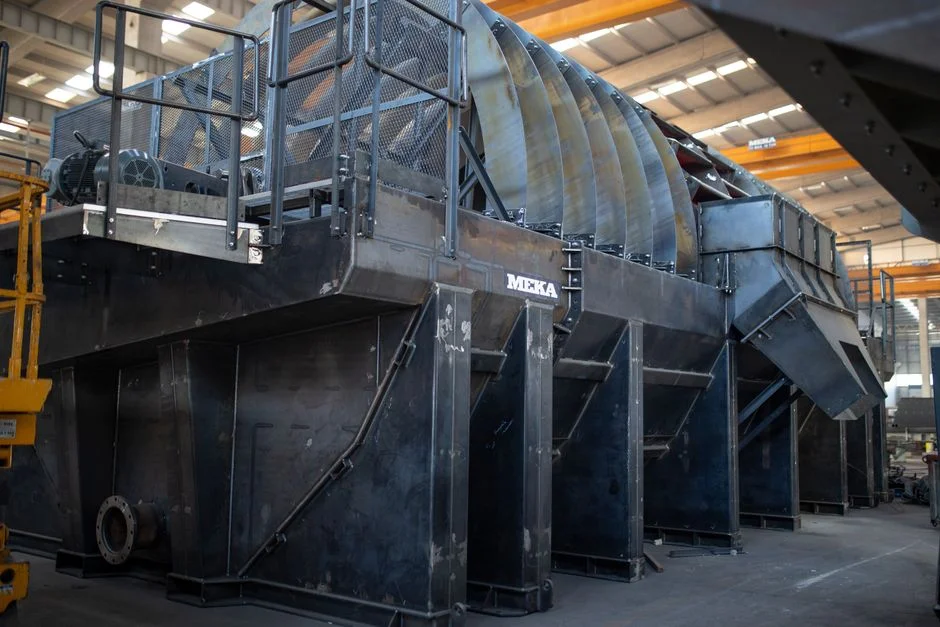
The table below summarizes the head-to-head behavior of a DAF clarifier and a conventional gravity clarifier on the specific contaminants a Shelbiana mining or metals facility discharges, providing a single decision view for plant managers.
| Decision criterion | DAF clarifier | Gravity clarifier (incl. lamella) |
|---|---|---|
| TSS removal mechanism | Microbubble attachment floats fine and low-buoyancy particles; 30–50 µm bubble size per Clearwater/SigmaDAF | Gravity settling of coarse, readily settleable solids; lamella plates improve footprint but not particle-size range |
| Oil, grease, and FOG | Purpose-built for floatable FOG; skimmed from the surface | Skims only what naturally separates; emulsified oil largely passes through |
| Footprint | Rectangular DAFs often ship fully shop-assembled (ClearStream); COMPACT skid ≤66 GPM single skid or two-skid above 66 GPM (Clearwater/SigmaDAF) | Lamella clarifier option shrinks footprint vs. conventional; circular clarifiers need larger diameter for equivalent surface loading |
| Energy and chemical intensity | Requires saturator pump, air compressor, and chemical coagulation/flocculation; PLC automation standard | Low energy; typically needs more polymer to match DAF effluent quality on difficult streams |
| Process control | PLC screen adjusts chemical dosing pumps, skimmer speed, and sludge discharge (Clearwater/SigmaDAF) | Simpler controls; less ability to tune to influent swings |
| Materials of construction | 304SS standard; 316SS and polypropylene available on request (Clearwater/SigmaDAF) | Typically painted carbon steel or concrete; 316SS upgrade available from most vendors |
| Best-fit influent | High TSS, fine clays, metal hydroxides, emulsified oil, low-buoyancy particles | Coarse settleable solids, high-volume low-TSS streams, budget- and footprint-sensitive projects |
If the influent carries fine clays, coal fines, metal hydroxides, or emulsified oils, a DAF should be the primary suspended-solids and oil/grease removal step. A conventional gravity clarifier is the better answer for coarse settleable solids, for high-volume low-TSS streams, and for projects where capital and footprint must be minimized. A hybrid train — primary clarifier followed by DAF polishing — is the configuration many Appalachian operations use when both coarse and fine fractions are present in the same waste stream.
DAF Model Family: Matching the Unit to Flow and Solids
The SigmaDAF model range gives a buyer a structured way to translate a flow number and a TSS estimate into a specific equipment line. The four models described in the research each have a clearly stated design envelope.
| Model | Flow envelope | Solids load | Design feature |
|---|---|---|---|
| FPAC | Small-to-medium flow rates | Very high solids (TSS, FOG) | Low-profile cross-flow separator with large free surface area for floated-solids accumulation (Clearwater/SigmaDAF) |
| FPBC | Low-to-medium flow | Low-to-medium solids, including low-buoyancy particles | High-profile separator with lamella pack to reduce water velocity and maximize separation (Clearwater/SigmaDAF) |
| FPHF | High wastewater flows | Low-to-large solids | Combines cross-flow and countercurrent flow as an improvement over conventional lamella plate designs (Clearwater/SigmaDAF) |
| COMPACT | ≤66 GPM single skid; >66 GPM modular two-skid | High removal of organic load, solids, oils and fats | Pre-assembled turnkey with chemical conditioning, DAF, sensors, instruments, and PLC control panel (Clearwater/SigmaDAF) |
For a typical small-to-mid mine or fabricated-metals plant in the Shelbiana corridor — for example, a 30–60 GPM metal-fabrication wash stream or a small prep-plant recycle line — the COMPACT or FPAC class described in the research is the natural starting point. Plants with higher flow and a coarse-plus-fine solids mix typically step up to the FPBC or FPHF envelope. Sizing must still be confirmed by jar testing and a flow survey; the model envelope narrows the search but does not replace a site-specific mass balance.
Building the Right Train Around the Clarifier: Pretreatment, Chemistry, and Sludge
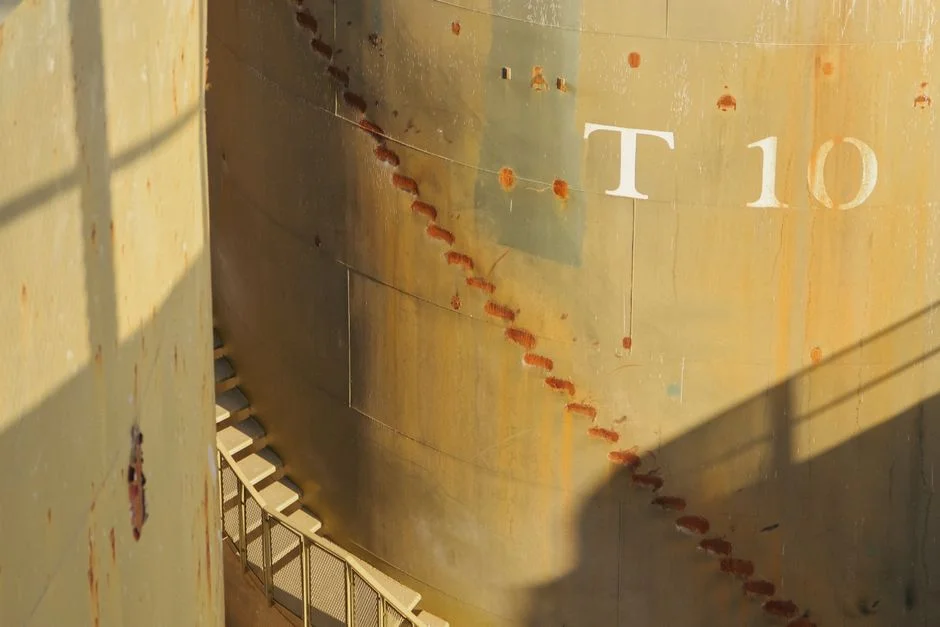
What goes upstream and downstream of the unit determines whether the choice holds up under audit. Headworks protection comes first: a rotary mechanical bar screen removes rags, plastics, and coarse debris that would otherwise blind a DAF or plug a clarifier sludge line. Chemical conditioning is non-negotiable for a DAF — coagulation and flocculation enlarge particle size so the 30–50 µm microbubbles can attach — and is typically delivered by an automatic chemical dosing system with serpentine flocculator mix tubes or a chemical mix tank, as the SigmaDAF specification states.
Downstream, both floated DAF sludge and settled clarifier sludge need dewatering before disposal, and a plate and frame filter press is a common next step to cut sludge volume. If the clarified water is destined for reuse rather than sewer discharge, an ultrafiltration polishing step with 0.03 µm PVDF membranes handles bacteria, colloids, and residual suspended solids, accepts up to 300 ppm of feed turbidity, and runs automatic backwash with air scour.
No mining-water or metals-fabrication removal rate is documented in the source material. Any quoted percent removal on a mining line should be treated as a jar-test deliverable, not a catalog number. A buyer should hand a shortlisted supplier the influent characterization — TSS, FOG, total metals, pH, temperature, particle size distribution, and the diurnal flow curve — and request a pilot run or a guaranteed performance curve before signing a PO.
Procurement Checklist for a 2026 Shelbiana Installation
Turning the comparison into a buyer's checklist keeps the project from drifting during the RFQ stage. Each line below is what a coal prep plant, metal mine, or fabricated-metals shop in the Luzerne County area should have on the table before selecting a DAF or clarifier supplier.
- Influent characterization. Pull 24-hour composite samples across at least one production week; record TSS, FOG, total metals, pH, temperature, and particle size distribution. This is the dataset a jar test and a pilot run will be calibrated against.
- Flow envelope. Capture average, peak, and storm-event flows. Map those numbers to the DAF model range — FPAC, FPBC, FPHF, or COMPACT (≤66 GPM single skid, >66 GPM two-skid per Clearwater/SigmaDAF) — or to the surface-loading rate of a gravity or lamella clarifier.
- Materials of construction. Confirm 304SS as the standard DAF material and request a 316SS or polypropylene upgrade for high-chloride or low-pH mining water (Clearwater/SigmaDAF).
- Automation and integration. Specify PLC control of chemical dosing, skimmer speed, and sludge discharge. Confirm whether the rectangular DAF is shipped fully shop-assembled (per ClearStream) and whether the unit can be modeled in 3D for fit-up review before delivery.
- Compliance evidence. Ask the supplier for third-party performance data and any EPA categorical standard references they can document for your flow range and metal/TSS envelope.
- Lifecycle and service. Confirm spare-parts lead time for skimmer blades, saturator pump seals, and pressure-relief valves, and confirm a service footprint in or near Pennsylvania so commissioning and warranty work do not stall on travel.
Frequently Asked Questions
How much does a DAF system cost for a small mining or metals plant in 2026?
Capital cost for a DAF skid depends on flow rate, materials of construction, and the level of chemical conditioning packaged with the unit. Request a budgetary quote with your 24-hour composite data, FOG and TSS envelope, and target effluent limits; ask the supplier to break out the saturator, compressor,
Frequently Asked Questions
What is the primary difference between DAF and Clarifier systems for Shelbiana mining operations?
Dissolved Air Flotation (DAF) systems utilize micro-bubbles to float suspended solids to the surface, making them ideal for removing low-density particles, oils, and greases often found in coal processing effluents. In contrast, traditional clarifiers rely on gravity sedimentation to settle high-density solids, typically targeting particles with specific gravities significantly greater than 1.2.
For Shelbiana mining facilities, DAF is often preferred when wastewater contains fine coal fines or chemical reagents that inhibit natural settling, whereas clarifiers remain the standard for high-throughput removal of dense heavy metal precipitates or coarse mineral tailings.
What are the typical hydraulic loading rates for these systems in 2026 mining applications?
In modern mining wastewater treatment, DAF units are designed for high-rate processing, typically operating at hydraulic loading rates between 4 and 10 gallons per minute per square foot (gpm/ft²). This high efficiency allows for a smaller physical footprint compared to conventional gravity settling tanks.
Conversely, conventional circular clarifiers in the region generally operate at lower surface overflow rates, ranging from 0.5 to 1.5 gpm/ft². These lower rates are necessary to ensure effective solid-liquid separation for dense mineral slurries and to prevent short-circuiting within the basin.
How do DAF and Clarifier systems meet EPA effluent standards for discharge in Kentucky?
Both systems must be integrated into a broader treatment train to meet the National Pollutant Discharge Elimination System (NPDES) permit requirements common in the Shelbiana area, particularly regarding Total Suspended Solids (TSS) and dissolved metal concentrations. DAF systems are highly effective at reducing TSS by 85% to 95% when combined with proper polymer coagulation and flocculation dosing.
Clarifiers are essential for reaching secondary treatment standards, often achieving effluent turbidity levels of less than 5 NTU when operated with precise sludge blanket management. In 2026, both systems are frequently paired with automated pH adjustment and real-time sensor monitoring to ensure compliance with strict iron, manganese, and aluminum discharge limits.
What are the maintenance requirements for a DAF system versus a Clarifier?
DAF systems require specialized maintenance of the air saturation system, including the air compressor, saturation tank, and recycle pumps, which must be inspected quarterly to prevent nozzle clogging and ensure consistent micro-bubble generation. Operators must also manage the automated skimming mechanism to ensure consistent removal of the surface float.
Clarifiers require less complex mechanical maintenance but demand rigorous monitoring of the sludge collection mechanism, such as rake arms and scrapers, to prevent torque overload. Periodic dredging or desludging is required to maintain the design capacity, and drive motors must be lubricated according to the manufacturer’s schedule to avoid catastrophic failure in high-load mining environments.
Which system is more energy-efficient for large-scale mining wastewater in Shelbiana?
Clarifiers are generally more energy-efficient for large-scale operations because they rely on gravity-based separation, requiring power primarily for sludge scrapers and intermittent transfer pumps. This makes them the preferred choice for high-volume, low-contaminant-concentration water where the cost of electricity is a primary operational concern.
DAF systems carry a higher energy demand due to the continuous operation of recycle pumps and air saturation compressors necessary to maintain the pressurized bubble stream. However, for specific mining applications where contaminants are difficult to settle, the higher operational cost of DAF is often offset by reduced chemical consumption and the elimination of the need for large, land-intensive settling lagoons.