What COD Actually Measures and Why the Limit Drives the Method
Chemical oxygen demand is the mass of oxygen consumed when all organic and oxidizable inorganic compounds in a water sample are chemically oxidized, typically by the dichromate method. It is not the same as BOD, which only captures the biodegradable fraction. The difference between COD and BOD is therefore a direct read on how much of the load is truly amenable to biological treatment and how much will pass through or poison a biology step (HydroChemix, 2026).
Most jurisdictions enforce industrial discharge below 300 mg/L COD, so the design problem is not "pick the best method" but "pick the train that hits the delta between influent and 300 mg/L at the lowest lifecycle cost." The BOD/COD ratio is the single most important selector: ratios above roughly 0.5 favor cheap biological methods, while ratios below 0.3 force a polishing step based on advanced oxidation, electrochemical treatment, or membranes. The five method families compared in this article are chemical coagulation, biological treatment, advanced oxidation, adsorption, and membrane filtration, and almost every working plant combines two or three of them.
Chemical Coagulation and Flocculation
Metal-salt coagulants destabilize colloids and adsorb a fraction of dissolved organics onto freshly precipitated metal hydroxide flocs, which are then settled or floated. Coagulation's primary value is suspended and colloidal COD, not truly dissolved organics, so it almost always appears as a pre-polish or roughing step rather than the workhorse. On pistachio wastewater, Al2(SO4)3·18H2O reached 39.5% COD removal at pH 8 and 1000 mg/L dose, while FeCl3·6H2O and FeSO4·7H2O peaked at 38.8% and 35.4% respectively at pH 6 (Research Square preprint). A higher-end result on the same matrix came from AlCl3 at pH 6.5 and 1 g/L, which achieved 65.8% COD removal and 85.5% total phenol removal, the best coagulant-only result reported in that study (Research Square preprint). HydroChemix (2026) cites typical industrial doses of polyaluminium chloride (PAC) at 50–300 mg/L, polyferric sulfate (PFS) as a higher-efficiency alternative, and anionic polyacrylamide (PAM) at 0.5–5 mg/L as a flocculant aid, with consistent feed best handled through a HydropureWater automatic chemical dosing system to keep stoichiometry stable. Coagulation is the cheapest option by capex and footprint, but it produces chemical sludge, leaves truly dissolved COD largely untouched, and the dose-response curve must be confirmed by jar testing on each influent.
Biological Treatment: Activated Sludge, MBBR, UASB, and MBR
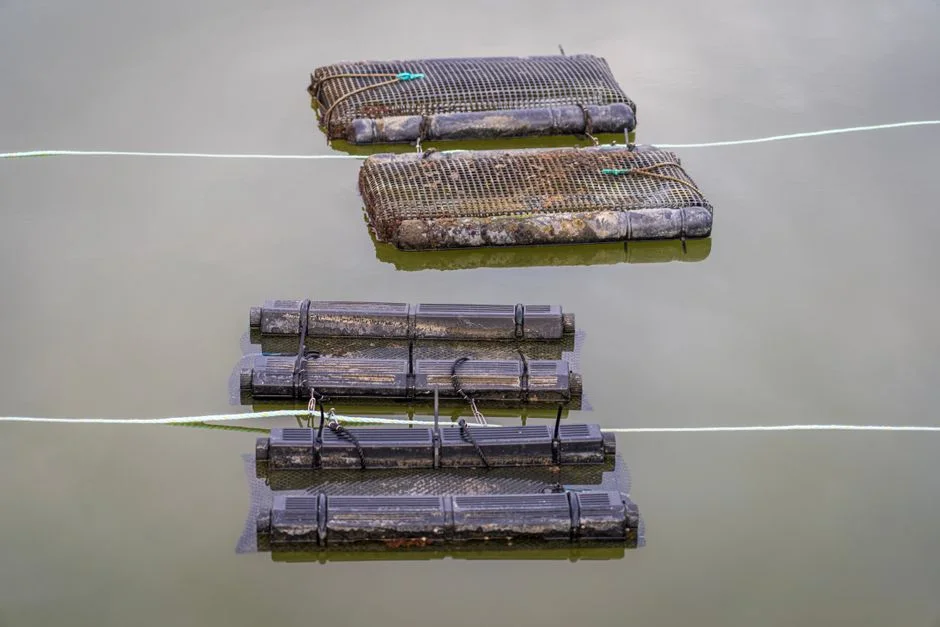
Biological processes oxidize biodegradable organics to CO2, water, and a small amount of excess sludge, and they remain the lowest cost-per-kg-COD-removed option whenever the influent is amenable. HydroChemix (2026) places activated sludge and biofilm processes at 70–95% COD removal, with MBBR adding biofilm robustness to shock loads and MBR combining activated sludge with membrane separation for a more stable, higher-quality effluent. Anaerobic reactors such as UASB and IC become more cost-effective than aerobic systems once influent COD rises above roughly 3000 mg/L, with aerobic polishing handling the residual biodegradable load. An MBR configured as the secondary-to-tertiary step delivers near-reuse effluent with sub-micron solids capture and a footprint on the order of 60% smaller than a conventional clarifier-based secondary train, which is why a HydropureWater MBR membrane bioreactor is often the centerpiece of a tight-footprint plant. The single most important pitfall is that biological methods stall on refractory organics, dyes, solvents, and phenols, so a tertiary step must be planned whenever the BOD/COD ratio is low. For design details on biofilm carriers, the MBBR design for textile wastewater in 2026 guide covers carrier fill, HRT, and DO targets.
Advanced Oxidation: Fenton, Ozone, and Electrochemical
Advanced oxidation processes (AOPs) generate hydroxyl radicals (•OH) that mineralize organics resistant to biological oxidation, which is why they earn their higher opex against the refractory fraction of the load. The Fenton reaction (Fe2+ catalyzing H2O2) is the most widely deployed industrial AOP and sits in HydroChemix's 50–95% removal band for refractory COD (HydroChemix, 2026). Electrochemical removal is documented for petroleum wastewater by Wasit University, which reported 99.5% COD removal and 94.2% oil removal in a 2 L cell with 4 aluminium and 4 iron electrodes, 2 cm electrode gap, 12 cm submergence, 10.5 V, 50 min, 0.5 g/L NaCl, and an energy consumption of 12 kWh/m³, starting from 710 mg/L COD and 95 mg/L oil (Muslim and Asel, Wasit University, 2023). On pistachio wastewater, electrooxidation with a BDD anode and Pt cathode rose from 42.2% to 61.2% COD removal as current density increased from 50 to 200 A/m², while a graphite-Pt pair only reached 36.8–42.2% across the same range (Research Square preprint). The trade-offs are concrete: Fenton needs acidification to roughly pH 3 with a corresponding neutralization step and produces an iron-rich chemical sludge, ozone needs an ozone generator and off-gas destruction, and electrochemical cells need electrode replacement plus a stable feed conductivity. For ozone-based polish steps, the HydropureWater ozone generator is sized against flow and target residual COD.
Adsorption and Membrane Polish
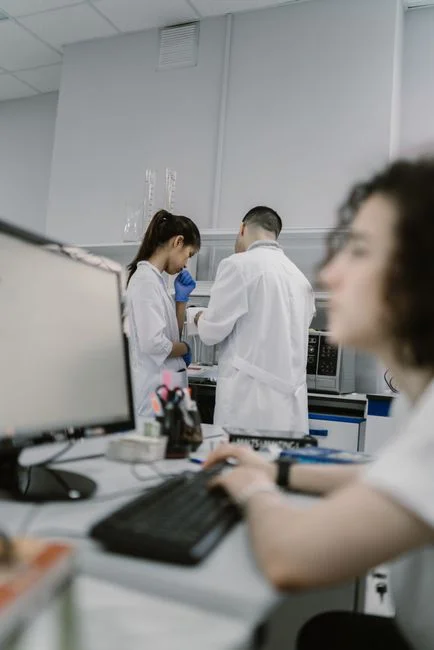
Granular or powdered activated carbon adsorbs residual organics, color, and odor onto a high-surface-area carbon matrix, with HydroChemix (2026) placing COD removal between 20% and 80% depending on carbon capacity and contact time. PAC doses of 50–500 mg/L are typical for tertiary polish, and the dominant operating cost is not the carbon itself but the spent-carbon regeneration or disposal. Membrane polish is the higher-end route: MBR delivers 90–99% COD removal when used as the secondary-to-tertiary step, and RO pushes effluent to reuse quality at the price of higher pressure and tighter pre-treatment. On pistachio wastewater, an NF90 nanofiltration membrane alone delivered 96.0% COD and 97.5% total phenol removal, and pre-treatment by electrocoagulation lifted those numbers to 98.6% COD and 100% phenol, with chemical coagulation plus UP150 reaching 96.6% COD and 100% phenol (Research Square preprint). For reuse-grade polish, the HydropureWater industrial RO system is typically paired with cartridge and multimedia pre-filtration, with replacement elements sourced as RO and UF membrane elements.
Method Comparison Matrix and Treatment-Train Selector
The two tables below are designed to be lifted directly into a process memo. Table 1 parameterizes each method on the same axes; Table 2 maps four common industrial wastewaters to a recommended train anchored to the documented data in this article. Energy intensity is reported only where the research supports a number; cells without a measured kWh/m³ are flagged for jar or pilot testing rather than back-filled with assumed values.
| Method | COD removal band | Energy or dose intensity | Sludge yield | Best influent COD range | Biodegradability requirement |
|---|---|---|---|---|---|
| Chemical coagulation (PAC / PFS) | 30–60% (HydroChemix, 2026); up to 65.8% on pistachio wastewater at pH 6.5, 1 g/L AlCl3 (Research Square preprint) | PAC 50–300 mg/L; PAM 0.5–5 mg/L (HydroChemix, 2026) | Chemical hydroxide sludge | Any band, as pre-polish | None; targets colloidal COD |
| Activated sludge / MBBR | 70–95% (HydroChemix, 2026) | Aeration-driven, site-specific; see plant audit | Waste activated sludge | 200–3000 mg/L | High BOD/COD ratio required |
| Anaerobic UASB / IC | Cost-effective above 3000 mg/L influent (HydroChemix, 2026) | Low electrical; biogas positive possible | Low sludge yield; biogas byproduct | >3000 mg/L | High BOD/COD; toxic shock must be managed |
| MBR | 90–99% (HydroChemix, 2026) | Aeration plus membrane pumping; site-specific | Waste activated sludge | 200–5000 mg/L | Moderate to high |
| Fenton oxidation | 50–95% on refractory COD (HydroChemix, 2026) | Fe2+ and H2O2 dose; energy modest, chemical cost dominant | Iron-rich chemical sludge | Tertiary, post-biology | None; targets non-biodegradable COD |
| Electrochemical (Al/Fe cells) | 99.5% COD on petroleum wastewater, 10.5 V, 50 min (Muslim and Asel, Wasit University, 2023) | 12 kWh/m³ (Muslim and Asel, Wasit University, 2023) | Metal hydroxide sludge | 500–1000 mg/L influent typical | Not required; handles recalcitrant load |
| Ozone AOP | Within 50–95% AOP band (HydroChemix, 2026) | Ozone dose and contact time; see jar test | Minimal | Tertiary polish | None; targets refractory COD |
| Activated carbon (GAC/PAC) | 20–80% (HydroChemix, 2026) | PAC 50–500 mg/L (HydroChemix, 2026) | Spent carbon | Tertiary polish, low COD | None; adsorption-based |
| NF / RO membrane | 96.0% COD on NF90 alone; 98.6% with electrocoagulation pre-treatment (Research Square preprint) | High pressure; site-specific | Concentrate stream | Tertiary or reuse | Not required |
| Industry | Recommended train (left to right) | Anchor data point |
|---|---|---|
| Refinery / oily wastewater | DAF or electrocoagulation → UASB or activated sludge → Fenton or electrochemical polish | 99.5% COD, 12 kWh/m³ at 10.5 V, 50 min with Al/Fe electrodes on petroleum wastewater (Muslim and Asel, Wasit University, 2023); DAF sizing anchored to the DAF design criteria for oily COD streams |
| Textile / dye wastewater | Coagulation → MBBR or MBR → ozone or Fenton polish for color and refractory organics | HydroChemix (2026) textile train pattern; carrier design in the MBBR design for textile wastewater in 2026 guide |
| Food and beverage | Screening → DAF for FOG and colloidal COD → anaerobic UASB for high-COD streams → aerobic MBBR → activated carbon polish | HydroChemix (2026) FOG and high-COD train pattern; pretreatment framing for petroleum-adjacent plants in pretreatment compliance for petroleum plants in 2026 |
| Metals and mining | pH adjustment → coagulation or lamella clarifier → MBR or RO for water reuse | HydroChemix (2026) reuse train; reuse polishing context in advanced nutrient removal construction in 2026 |
Building a Real COD Removal Train: Four Reference Flowsheets
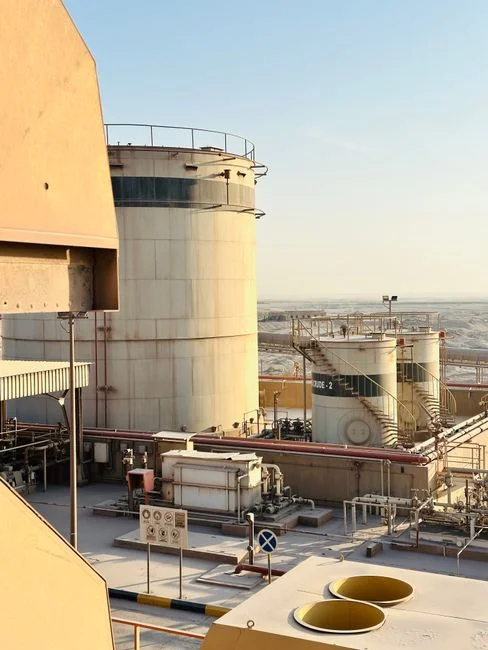
The fastest way to build a defensible train is to start from the influent band and the BOD/COD ratio, then stage methods from cheapest cost-per-kg-COD-removed to most expensive. For refinery or oily wastewater, the proven sequence is DAF or electrocoagulation to strip free oil and colloidal COD, followed by a biological step (UASB when influent COD is high, otherwise activated sludge), and a Fenton or electrochemical polish to remove the remaining refractory organics, anchored by the 99.5% COD result from the Wasit University cell study (Muslim and Asel, 2023). For textile or dye wastewater, coagulation handles the bulk of color and colloidal load, MBBR or MBR takes the biodegradable fraction, and ozone or Fenton polishes the refractory dye residues, matching the HydroChemix (2026) textile train pattern. For food and beverage, screening and DAF remove FOG and colloidal COD, an anaerobic UASB captures the high-COD biodegradable load with biogas credit, aerobic MBBR or activated sludge polishes, and a final activated carbon stage protects against residual color and trace organics. For metals and mining, pH adjustment followed by coagulation or a HydropureWater lamella clarifier removes suspended metals and colloids, and an MBR or RO step drives the water toward reuse quality, with whole-plant integration in a packaged WSZ underground integrated sewage treatment unit where footprint is constrained. Where the stream requires polishing for downstream reuse, a multi-media filter is typically staged ahead of RO to protect the membranes.
Frequently Asked Questions
What is the cheapest way to get industrial COD below 300 mg/L?
Push as much of the load as possible through a biological step first, because activated sludge, MBBR, and anaerobic reactors deliver 70–95% COD removal at the lowest cost per kilogram removed (HydroChemix, 2026). Add coagulation upstream to strip colloidal COD and protect the biology, and reserve Fenton, ozone, or membrane polish only for the residual refractory fraction that biology cannot touch. For high-COD streams above 3000 mg/L, lead with an anaerobic UASB or IC reactor for biogas credit, then polish aerobically.
How do I choose between Fenton, ozone, and electrocoagulation for the polish step?
The decision is driven by influent character and operating constraints rather than headline removal. Fenton is the default for refractory COD where chemical cost is acceptable and iron sludge can be handled, ozone suits sites that need color and trace organics removal without chemical dosing, and electrocoagulation is attractive where conductivity is stable and an electrical energy budget of about 12 kWh/m³ is acceptable, based on the 12 kWh/m³ figure documented for the Al/Fe cell at 99.5% COD removal on petroleum wastewater (Muslim and Asel, Wasit University, 2023).
How should I size an MBR or RO step for a COD polish?
Size the MBR on influent COD load, target effluent COD, and the net flux the membrane supplier will guarantee, and confirm the train against the supplier's jar or pilot data rather than assumed ranges. For RO polish, the binding constraints are feed COD, scaling potential, and the recovery ratio, with pre-treatment by multimedia filtration and a guard cartridge protecting the membranes.
What should I check on a supplier before buying a COD removal system?
Request documented reference plants on the same influent matrix, third-party performance data with the actual kWh/m³ or chemical dose that delivered the stated removal, and a clear scope split for membranes, electrodes, and carbon life-cycle cost. Ask for a written performance guarantee tied to a defined influent envelope, and confirm local service coverage for consumables such as membranes, electrodes, and PAC, because operating cost dominates over the life of the system. Where the project is in a regulated corridor, also confirm the supplier's track record on discharge compliance using the pretreatment compliance for petroleum plants in 2026 framing as a benchmark for what regulators expect to see in a submittal.