Why Industrial Wastewater Disposal Costs Are Climbing in 2026
U.S. wastewater treatment facilities process approximately 34 billion gallons of wastewater every day, the baseline volume that drives municipal surcharges passed on to industrial users (EPA, Sources and Solutions: Wastewater). Industrial facilities pay three distinct cost line items: sewer connection and transport fees, contaminant surcharges, and sludge disposal, and each maps to a different reduction lever (SAMCO, Five Ways Your Industrial Facility Can Reduce Wastewater Discharge Volume). The EPA observes that "upgrading wastewater treatment systems is often expensive … but upgrades can pay for themselves or end up saving a plant money," which frames the optimization-versus-capex trade-off every procurement engineer must resolve before issuing a new RFP (EPA). Because the three drivers are independent, a 2026 cost plan should attack each line item with a specific tactic rather than treating "treatment" as a single budget line.
Audit Your Water Use and Your Effluent Stream First
Documented water-and-effluent audits generate the baseline against which every later capital request is measured. SAMCO recommends completing a thorough water usage audit that accounts for water used at each production step and tracks ongoing reduction goals. Groundwater, rainwater, and fractured pipes commonly leak into effluent streams, inflating both volume and disposal cost. These are near-zero-capex wins that an audit routinely surfaces and that finance teams rarely object to funding. SAMCO notes that process piping is frequently routed inefficiently and that valves or connections can be fractured or poorly sealed, and that "each small fix can add up to big savings over time" (SAMCO). One practical first step is to walk the effluent header with isolation valves and pressure gauges, isolating sections overnight to identify inflow sources; pairing the walk-down with targeted isolation valves and replacement sealing media closes the cheapest leaks first. The audit also documents the pre-project state for the permit file, which protects the facility if a contaminant surcharge dispute ever escalates.
Reduce Water Intake and Process Flow Where You Can
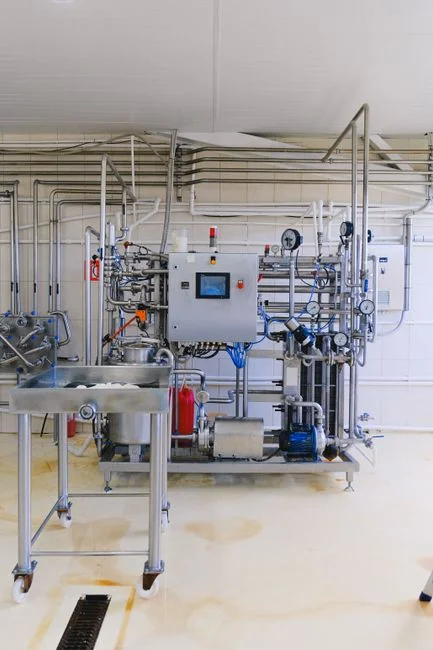
Cutting the water that enters the process is the most direct way to cut the wastewater that leaves it, because what does not enter the plant cannot be discharged, surcharged, or hauled. SAMCO advises facilities to ask whether water flow can be reduced, water-intensive equipment replaced, or lower-quality water from one process step fed into another part of the process. Metering devices can serve as automated shutoffs or overuse alarms and help assess needed makeup water for cooling towers and boilers. Some production stages can run on lower-grade water, which shifts demand from potable to reclaimed sources and reduces both intake and discharge in one step. Operators should remember that some process and wastewater will evaporate, so volume-reduction targets must be set against realistic blowdown and evaporation losses (SAMCO). Cooling-tower cycles of concentration can often be raised by two or three cycles with the help of an industrial softening skid ahead of the tower, which reduces both blowdown volume and the chemical cost of the tower program. Each percentage point of intake reduction shows up twice on the P&L, once as lower water purchase and once as lower discharge cost.
Reuse and Recycle Water Inside the Plant
Reuse is the structural fix for facilities facing rising water-access fees and tightening effluent regulations. SAMCO states that "implementing water recycling and reuse as part of your process can greatly reduce the volume of effluent your plant will have to discard," though it carries a higher upfront capital cost than audit or metering. The long-term savings, SAMCO adds, "are often worth the cost," especially as costly fees and stringent regulations make responsible water use a financial and compliance necessity. A thorough analysis is required to determine which recycling measures actually pay off for a given influent and tariff profile, so request site-specific ROI modeling before procurement rather than accepting a generic case study (SAMCO). Reuse is most defensible where reclaimed water can replace potable in cooling, rinsing, or boiler feed, displacing both intake fees and the corresponding discharge load. Two engineering references worth pulling into the budget meeting are the water reuse opportunities under 2026 scarcity conditions and the specifications for an industrial RO system for water reuse, which together frame the influent quality you can expect from each reuse loop.
Optimize Existing Treatment Equipment Before Buying New
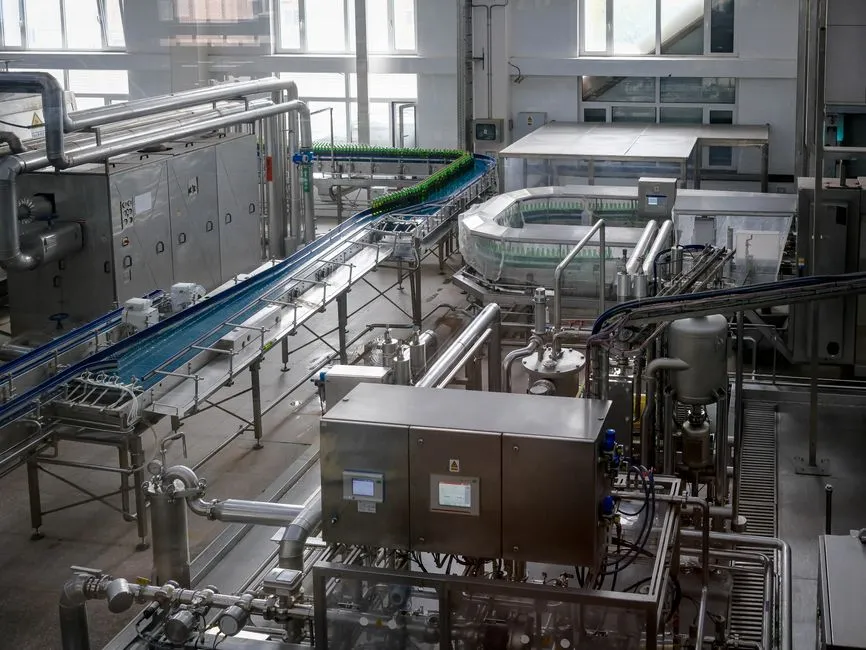
Optimization is the EPA-blessed counter-argument to "rip and replace" thinking, serving as the first conversation any plant should have with its current equipment vendor. EPA finds that "adjusting operations and repurposing existing equipment," typically called optimization, "is usually much less expensive than upgrades" and "for many plants can result in cost savings by reducing energy demand and treatment chemicals" (EPA). For some plants, optimization alone reaches the discharge target; for others, optimization is the first phase before later technology upgrades (EPA). In practice this means revisiting aeration control setpoints, chemical dose curves, and sludge return rates against the actual influent profile, instead of holding the original commissioning values constant. A PLC-controlled chemical dosing for treatment optimization package is a common first optimization deliverable, because it converts a static dose curve into a flow- and load-proportional setpoint that tracks the real influent. Request an optimization audit from your current equipment vendor before issuing a new-system RFP; it is a lower-risk first step that often defers or shrinks the capex case the budget meeting has to approve.
Use Biological Treatment to Cut Chemicals and Capture Biogas
Biological treatment is the most economical organic-removal option for streams with high BOD or COD, and it has a side benefit that chemical dosing cannot match. SAMCO describes biological wastewater treatment as "efficient and economical" for organic-laden wastes in food and beverage, chemical manufacturing, oil and gas, and municipal streams. It is a natural process that can produce a useful biogas that the facility can use as energy in other parts of its operation, turning a treatment cost into an energy offset (SAMCO). Biological treatment fits best where influent BOD/COD is high and discharge limits are moderate, and it is commonly paired with physical-chemical polishing downstream to meet residual solids or metals limits. Operators evaluating biological treatment should review the 2026 MBR plant operation and maintenance guide and the integrated MBR membrane bioreactor system datasheet to confirm the biomass configuration matches the influent variability they actually see, not the design average. The biogas offset is rarely enough to justify biological treatment on its own, but it materially improves the project IRR when sewer surcharges are already punitive.
Remove Suspended Solids, FOG, and Colloids with DAF Pretreatment
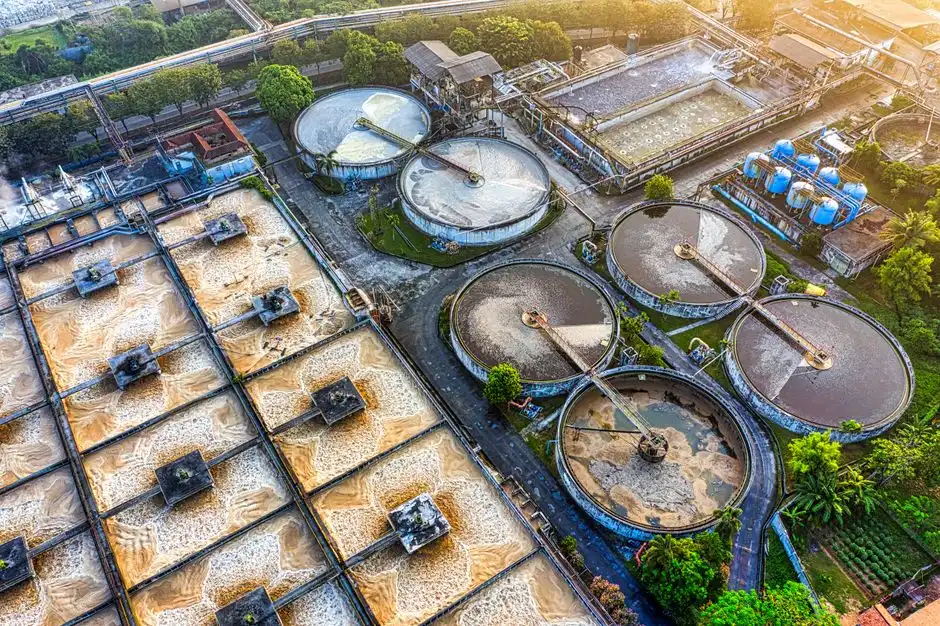
Dissolved air flotation (DAF) targets suspended solids, fats, oils and grease (FOG), and colloidal matter, which are the contaminants that drive most municipal surcharge formulas (SAMCO). Pretreatment with DAF reduces the load reaching biological or membrane stages, which in turn cuts chemical, energy, and membrane-replacement OPEX downstream (SAMCO). DAF is proven in food processing, pulp and paper, textile, metalworking, petrochemical, and municipal pretreatment duty, so request an influent-specific sizing before specifying capacity. The DAF clarifier troubleshooting and maintenance tips guide and the DAF system for suspended solids and FOG removal specifications give engineering and maintenance teams a shared reference for the operating window. A correctly sized DAF also reduces the sludge volume that reaches the dewatering press, which is the line item the next section attacks.
Consider Zero Liquid Discharge Where Discharge Is Impossible or Punitive
ZLD is the highest-capex lever in the toolbox and should be reserved for sites where liquid discharge is not a permit option. SAMCO describes ZLD as a range of technologies that "work to recover all fluid waste, leaving the facility with a solid cake of waste that is easier to discard." The phrase "easier to discard" is worth pausing on, because ZLD does not eliminate waste-handling cost; it converts a liquid hauling problem into a solid hauling problem, and the cake still has to go somewhere. ZLD becomes defensible when the local sewer tariff makes any liquid release uneconomic, when the discharge permit does not allow liquid release at all, or when water stress makes intake unreliable. The dewatering stage of a ZLD train is typically served by a plate and frame filter press for sludge dewatering, sized against the cake-solids target the hauler will accept. Buyers should also weigh ZLD against a DaaS structure for non-core assets before committing capital, which is the comparison framed in the 2026 TCO comparison of DaaS versus CapEx for wastewater.
Cost-Reduction Levers at a Glance: Choose by Driver
The three cost drivers are volume, contaminant load, and sludge output, and each maps to a different combination of levers. Low-capex levers (audit, leak fix, metering, optimization) usually run first because EPA confirms they are "usually much less expensive than upgrades" (EPA). Reuse, biological, DAF, and ZLD each carry different payback profiles, and the defensible move is to request vendor modeling that uses your actual sewer tariff and influent data rather than generic case studies. The table below is a decision aid for the 2026 budget conversation, not a vendor recommendation; the order of attack should follow the dominant cost driver on your most recent sewer and hauler invoices.
| Dominant cost driver | First lever to evaluate | Why it fits the driver | Capital intensity |
|---|---|---|---|
| Volume (sewer connection & transport fees) | Water-use audit, leak fix, metering | Removes inflow and overuse before treatment touches it | Low |
| Volume (intake-driven water purchase) | Reuse / recycle, RO polishing | Displaces potable demand and the matching discharge load | Medium to high |
| Contaminant load (surcharge tariff) | Optimization, then DAF pretreatment | Cuts TSS, FOG, and colloidal load that drive surcharges | Low to medium |
| Contaminant load (organic strength) | Biological treatment / MBR with biogas capture | Removes BOD/COD economically and offsets plant energy | Medium |
| Sludge (hauling and disposal) | Optimize upstream solids capture, then plate-and-frame press | Reduces volume hauled and raises cake solids | Medium |
| No-discharge permit / punitive tariff | ZLD or DaaS alternative | Eliminates liquid release but still requires solid waste handling | High |
Frequently Asked Questions
Should we optimize our existing treatment system before buying new equipment?
Yes. EPA finds that optimization, meaning adjusting operations and repurposing existing equipment, "is usually much less expensive than upgrades" and "for many plants can result in cost savings by reducing energy demand and treatment chemicals" (EPA). Run an optimization audit on the current system first, then decide which residual gap, if any, justifies new capital.
How long does water reuse take to pay back, and what should we ask a vendor before buying?
SAMCO states that reuse "can come with a high investment upfront, but the long-term savings are often worth the cost" (SAMCO). Because payback depends entirely on your local sewer tariff, influent profile, and intake price, ask any vendor for a site-specific ROI model built from your last 12 months of sewer and water bills, not a generic case study.
Does zero liquid discharge actually eliminate our waste disposal cost?
No. SAMCO describes ZLD as a range of technologies that "work to recover all fluid waste, leaving the facility with a solid cake of waste that is easier to discard" (SAMCO). The liquid line goes away, but the solid cake still has to be hauled and disposed, so the budget line item changes form rather than disappearing; factor hauling into the ZLD business case.
What should we check before choosing a wastewater equipment supplier for a 2026 project?
Confirm the supplier can size equipment against your actual influent data, provide a tariff-based ROI model, and document the discharge and sludge characteristics you will be committed to under your permit. Ask for references on similar contaminant profiles and request the operating-cost breakdown (chemicals, energy, membrane replacement, sludge hauling) so the proposal can be compared on total annualized cost, not just purchase price.