
Why Water Reuse Is Now Central to Houston's 2026 Water Strategy
Houston's 2026 water posture is defined by three converging pressures: subsidence regulation forcing groundwater conversion under the Fort Bend Subsidence District and Harris-Galveston Subsidence District rules, recurring drought that has compressed surface-water reliability on the Brazos and Trinity systems, and rising demand from refining capacity along the Houston Ship Channel and new hyperscale data center campuses in the West Houston/Katy corridor. The supply-side counterweight is reclamation: each cubic meter of reclaimed water delivered to a cooling tower, irrigation system, or industrial process offsets one cubic meter of potable groundwater the operator would otherwise pump. The National Academies' Understanding Water Reuse (2012) frames reuse as a national supply alternative spanning drinking water, non-potable urban uses, irrigation, industrial process water, groundwater recharge, and environmental restoration, and that taxonomy maps directly onto Houston's regulatory and industrial reality. The 2025 US-Israel Blavatnik Scientific Forum proceedings in PNAS (August 2025) brought Rice University researchers into the same forum as Israeli desalination groups, signaling that Houston has active local academic depth on both desalination and reuse as scarcity tools, which helps when projects need defensible technical review (PNAS 122(35):e2519360122, 2025-08). Subsidence regulation is no longer optional, surface supply is no longer reliable, and reuse is the lowest-risk new supply stream that can be permitted, financed, and built in 12 to 24 months.
Houston's Three Reuse Classes and What They Permit
Texas organizes non-potable reuse into Type I and Type II, with direct potable reuse (DPR) sitting above both as a separate regulatory pathway. Type I covers human-exposure applications: landscape irrigation for parks, school grounds, residential lawns, and recreational areas. Because exposure is possible, Type I projects must meet stringent pathogen and contaminant limits, generally achieved with membrane filtration followed by UV or chlorine dioxide disinfection and advanced oxidation for trace organics (per West Houston technical guide, 2026-06). Type II covers minimal-contact applications: industrial process water, certain cooling water streams, dust control at construction sites, and irrigation of highway medians. Type II treatment can be less rigorous, typically secondary biological treatment plus chemical disinfection, because the exposure pathway is controlled. Direct Potable Reuse (DPR) treats municipal wastewater to drinking-water standards for immediate supply, bypassing the environmental buffer that indirect potable reuse relies on; DPR demands membrane filtration, continuous monitoring, advanced oxidation, and trained operators under TCEQ oversight (per West Houston technical guide, 2026-06). Type I is the most adopted class in the Houston region because it balances safety and cost where exposure is possible but not DPR-grade, and most municipal and irrigation projects currently land here (per West Houston technical guide, 2026-06).
Matching Houston Sectors to the Right Reuse Class
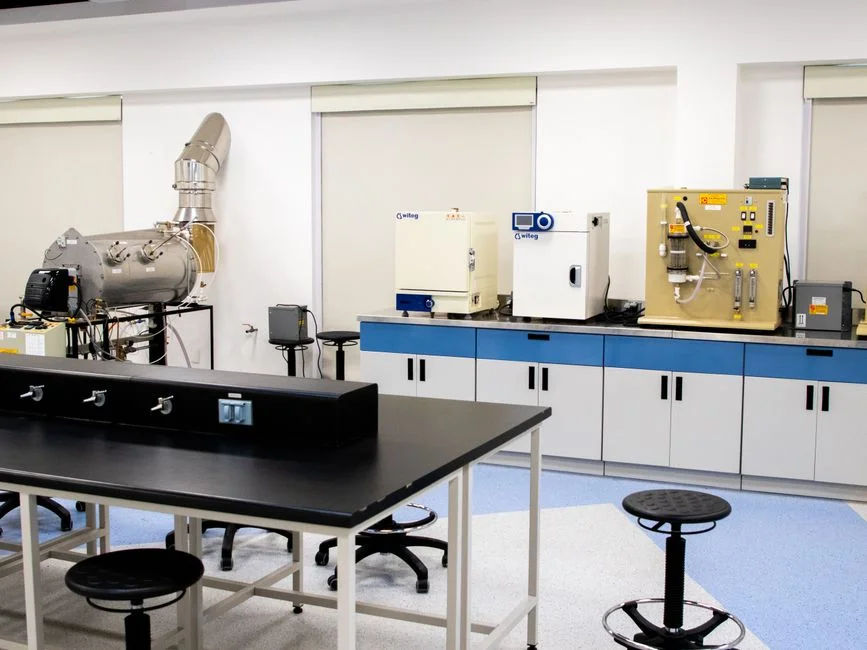
Refining and petrochemical sites along the Houston Ship Channel are a natural fit for Type II reuse on cooling tower makeup and low-pressure process water. Influent from these sites is typically high in total dissolved solids (TDS), carries hydrocarbon and heat loading, and benefits from a UF + RO polishing train that can hold SDI below 3 ahead of the RO and produce cooling-tower-quality water at less than 50 mg/L TDS. Data centers, including new builds in the West Houston and Katy corridors, fit Type II for cooling-tower makeup where pretreatment (softening, multimedia filtration, chemical dosing for scale and corrosion inhibition, and biocide control) is the gating step; California and Arizona precedents have validated this approach, and Houston pilots are scaling it now (per West Houston technical guide, 2026-06). Municipal and landscape applications (parks, school grounds, residential lawns, golf courses) are Type I and represent the current Houston volume leader because the distribution system, customer base, and TCEQ permit pathway already exist. Industrial parks and large commercial developments frequently run a blended model: Type I for irrigation and toilet flush, Type II for cooling, all on a single color-coded reclaimed distribution loop. The matrix below maps each sector to its end use, target reuse class, target water quality, and flagship equipment.
| Sector | Primary end use | Reuse class | Target water quality | Flagship equipment |
|---|---|---|---|---|
| Refining / petrochemical (Ship Channel) | Cooling tower makeup, low-pressure process water | Type II | TDS < 500 mg/L, turbidity < 1 NTU, 5-log pathogen reduction | UF + RO with antiscalant dosing |
| Data centers (West Houston / Katy) | Cooling tower makeup, adiabatic cooling | Type II | LSI neutral, silica < 30 mg/L, turbidity < 1 NTU, free of biofilm precursors | Softening + multimedia filter + UF + chemical dosing |
| Municipal / landscape irrigation | Parks, school grounds, residential lawns, golf courses | Type I | Turbidity < 2 NTU, fecal coliform < 200 CFU/100 mL (TCEQ Type I limits) | MBR + UF + UV or ClO2 disinfection |
| Industrial parks / large commercial | Blended irrigation + cooling + toilet flush | Type I + Type II (dual loop) | Type II specs for cooling, Type I specs for irrigation | MBR + UF + UV + ClO2; RO branch for cooling |
Treatment Trains That Actually Deliver Reuse-Quality Water in Houston
A defensible Houston reuse train starts with front-end screening, then biological treatment, then membrane polishing, then disinfection, with sludge handling sized to the solids load. The first guard is a rotary mechanical bar screen rated for typical municipal or industrial flow, pulling rags, plastics, and fibrous debris before they foul downstream pumps and membranes. The biological step is typically an MBR membrane bioreactor system with submerged PVDF membranes at less than 1 μm nominal pore, operating at 8,000 to 12,000 mg/L MLSS to deliver near-reuse-quality effluent (typically TSS < 5 mg/L, BOD < 5 mg/L) in a footprint that is 30-50% smaller than conventional activated sludge. The polishing/rejection step is a PVDF ultrafiltration system at 0.03 μm nominal pore, capable of accepting feed turbidity up to 300 ppm and producing an SDI consistently below 3 to protect the downstream industrial RO system, which is required for high-purity reuse streams such as cooling tower makeup and boiler feed. Disinfection combines a UV-C sterilizer for chemical-free inactivation of chlorine-resistant Cryptosporidium and Giardia at 40 mJ/cm2 dose with an on-site chlorine dioxide generator for residual maintenance through the distribution loop, with ClO2 residual held at 0.2 to 0.5 mg/L at the point of use. Where FOG, metals, or high solids loads exist (food processing, metalworking, refining primary treatment), a plate and frame filter press or lamella clarifier upstream protects the biological stage. Operators should review the parameter table below before selecting a vendor.
| Treatment stage | Influent target | Key spec | Operating note |
|---|---|---|---|
| Bar screening | Raw wastewater | 2-6 mm bar spacing | Protect MBR and UF from rag fouling |
| MBR (submerged PVDF) | Primary effluent | < 1 μm nominal pore; MLSS 8,000-12,000 mg/L | Effluent TSS < 5 mg/L; smaller footprint than CAS |
| UF (PVDF hollow-fiber) | MBR effluent, turbidity up to 300 NTU | 0.03 μm nominal pore; automatic backwash + air scour | SDI < 3 to RO; recovery 90-95% |
| RO (brackish or low-pressure) | UF permeate | Rejection > 99% on multivalent ions | Cooling-tower TDS target < 50 mg/L achievable |
| UV-C disinfection | RO permeate or UF permeate | 40 mJ/cm2 dose, 254 nm | Effective against Cryptosporidium and Giardia |
| ClO2 residual | Disinfected water entering distribution | On-site generation; 0.2-0.5 mg/L residual at POU | EPA/WHO-aligned; maintains residual in purple pipe |
Storage, Monitoring, and Distribution for Reclaimed Water
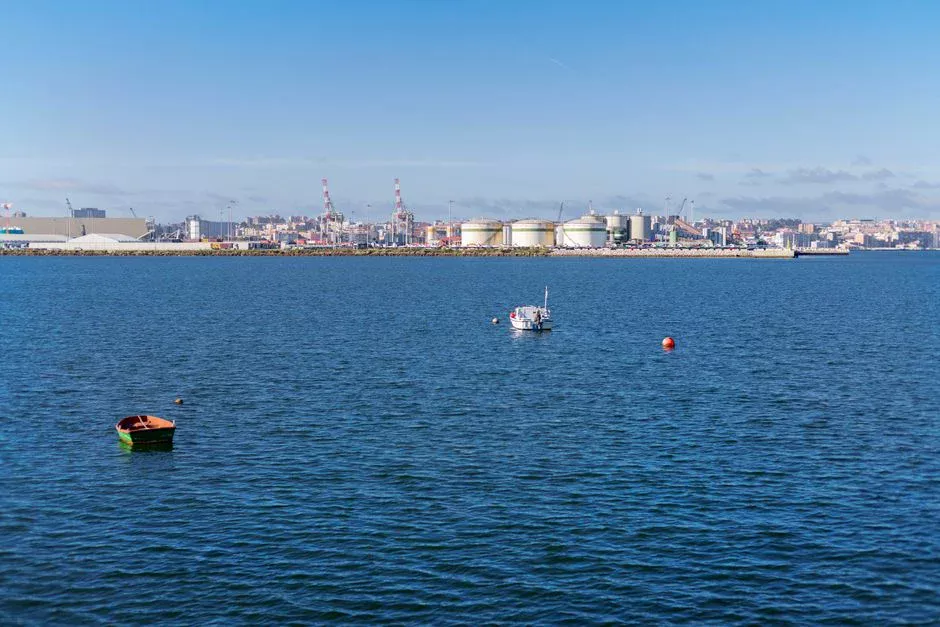
Storage is the capital requirement that determines whether a reuse project functions reliably. Ground storage tanks, lined ponds, and covered reservoirs buffer demand swings between the treatment plant and the reuse customers, minimize evaporative loss, and protect water quality between the final disinfection step and the point of use (per West Houston technical guide, 2026-06). Real-time water quality monitoring with automated control is the second non-negotiable; free chlorine or ClO2 residual, turbidity, and conductivity need to be logged continuously so that any excursion in the distribution loop triggers a shutoff before non-compliant water reaches a customer. Distribution design must use dedicated, color-coded (typically purple) reuse mains, with proper backflow prevention on any cross-connection to the potable system, because cross-connection control is a frequent audit finding in Texas reuse systems. Storage sizing should target at least 24 hours of average reuse demand to ride out treatment upsets and peak irrigation windows without triggering emergency potable makeup.
NHCRWA and WHCRWA: How Houston's Incentives Actually Pay Back a Reuse Project
Two regional authorities drive the local economics: the North Harris County Regional Water Authority (NHCRWA) and the West Harris County Regional Water Authority (WHCRWA). Both administer credit and reimbursement programs designed to make reuse infrastructure more economically viable for utilities, municipalities, and private users, providing a practical path to recovering capital against subsidence and groundwater-conversion obligations (per West Houston technical guide, 2026-06). Credits are typically awarded on the volume of potable demand displaced by a reuse project; a large irrigation system or industrial cooling loop can earn credits that count toward regulatory water conservation targets, and within certain frameworks those credits can be traded, giving operators flexibility in how they meet conversion milestones. Reimbursements provide partial capital cost coverage for reuse distribution lines, storage facilities, and advanced treatment systems, but the process requires detailed project plans, cost estimates, and documented water savings submitted to the authority for review. A project sized to displace 500,000 gallons per day of potable demand has a stronger credit position and a cleaner reimbursement case than one sized to a niche on-site use, which is why demand mapping should happen before equipment selection.
How to Start a Houston Reuse Project in 2026
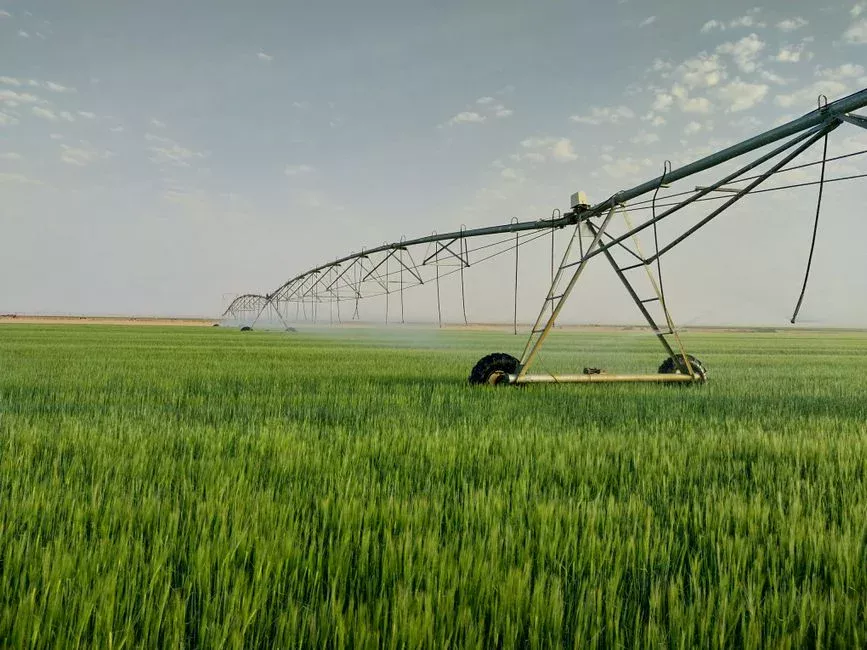
- Map supply against demand by end use. Quantify wastewater sources, volumes, and seasonal swings, then list every on-site demand stream (cooling, irrigation, toilet flush, process) with its quality requirement and annual volume.
- Match each demand stream to a reuse class using the sector matrix above. Do this before talking to equipment vendors; the reuse class drives the treatment train and the capex envelope.
- Engage NHCRWA or WHCRWA early to confirm credit eligibility and the reimbursement scope for your specific project footprint. Locking the regulatory path before locking equipment prevents costly redesign.
- Pilot the highest-risk treatment stage before full-scale commitment. For most Houston projects, that means a fouling test on UF with your actual MBR effluent, and a scaling projection on RO with your specific feed chemistry, because Houston groundwater-influent feed blends can push silica and barium past generic antiscalant limits.
- Specify real-time monitoring and operator training up front. Both are explicit TCEQ requirements for DPR and are de facto best practice for Type I and Type II; building them into the capex line is cheaper than retrofitting after startup.
Frequently Asked Questions
Which reuse class is most widely adopted in the Houston region today?
Type I is the most adopted class in the Houston region because it covers human-exposure applications such as parks,
Frequently Asked Questions
What are the main water reuse opportunities for industrial and municipal users in Houston in 2026?
In 2026, Houston's primary reuse opportunities center on cooling tower makeup, boiler feed water, and landscape irrigation. Industrial facilities along the Houston Ship Channel are increasingly transitioning to treated municipal effluent to mitigate reliance on groundwater and the mandatory surface water conversion requirements set by the Harris-Galveston Subsidence District. Municipalities are focusing on indirect potable reuse (IPR) via aquifer recharge and large-scale industrial-grade reuse for non-potable utility applications.
Which Houston sectors are the best fit for Type I versus Type II water reuse?
Type I reclaimed water, which meets the highest standards for unrestricted use, is best suited for municipal applications such as public park irrigation, golf courses, and residential landscaping where human contact is likely. Type II reclaimed water, which allows for restricted access, is primarily utilized by the petrochemical and manufacturing sectors for industrial cooling, process water, and dust suppression where secondary containment and restricted site access are standard operating procedures.
How can reclaimed water be used for data center cooling in Houston, and what pretreatment is required?
Data centers in the Houston region utilize reclaimed water as a high-volume makeup source for evaporative cooling systems, significantly reducing potable water demand. To prevent corrosion, biological growth, and scaling in cooling loops, reclaimed water requires advanced pretreatment, typically consisting of membrane bioreactor (MBR) filtration followed by reverse osmosis (RO) or ultrafiltration (UF) to reduce total dissolved solids (TDS) and silica levels below 50 mg/L.
What credits and reimbursements do NHCRWA and WHCRWA offer for water reuse projects?
The North Harris County Regional Water Authority (NHCRWA) and West Harris County Regional Water Authority (WHCRWA) provide financial incentives through their respective Water Conservation and Reuse programs. These authorities offer partial reimbursement for capital expenditures on infrastructure that offsets surface water demand. Projects typically qualify for credits if they demonstrate a reduction in groundwater withdrawal or surface water purchase, with rebate structures often capped at a percentage of the total project cost or based on the volume of water saved over a 5 to 10-year projection.
Is direct potable reuse a realistic option for Houston utilities today?
While Direct Potable Reuse (DPR) is technically feasible using advanced multi-barrier treatment—including ozone, biological activated carbon, and UV-advanced oxidation—it remains a long-term strategic goal rather than an immediate deployment for Houston in 2026. Current regulatory frameworks and utility priorities favor Indirect Potable Reuse (IPR) via surface water augmentation or groundwater injection, as these methods provide an environmental buffer that simplifies permitting and addresses public perception hurdles regarding water quality standards.