What Counts as Suspended Solids in Wastewater
Total suspended solids (TSS) are particles ≥2 microns that a glass fiber filter captures when a wastewater sample is pulled through it, dried, and reweighed gravimetrically in mg/L (Chemtech). That single number — and the percentage removal derived from it — is what every permit limit, every surcharge, and every equipment decision hangs on. Solids that actually settle under gravity within an Imhoff cone are the settleable fraction; the rest includes volatile solids (the ~550 °C loss-on-ignition fraction, mostly organic) and a colloidal TSS subpopulation carrying a negative surface charge that resists gravity settling and is detected only by conductivity meters for the dissolved fraction (TDS, µS/cm) (Sigma).
Operationally, high TSS shows up as rising turbidity, BOD/COD carryover, clogged filters and pipes, and reduced performance in every downstream biological and membrane stage (Chemtech). The two real drivers behind the rise are organic overload — influent substrate outpacing the biological reactor's capacity — and hydraulic or load surges that push mixed liquor solids through clarifiers before they can settle. Those drivers decide whether the next intervention should be physical (screening, sedimentation, flotation), chemical (coagulation–flocculation), or biological (activated sludge, MBR, bioflocculation).
The EPA and Industrial Discharge Targets You Have to Hit
The U.S. EPA secondary treatment standard requires publicly owned treatment works (POTWs) to achieve at least 85% TSS removal with a 30-day average effluent ≤30 mg/L (Chemtech). That 30 mg/L line is the default benchmark used through the rest of this article; anything tighter (cooling-tower makeup, boiler feed, or reuse contracts) is a tertiary target requiring filtration or membranes. Industrial facilities discharging to a municipal system operate under categorical pretreatment standards tied to the receiving POTW's available capacity; missing those thresholds triggers surcharges, permit review, and enforcement — none of which are cheap (Chemtech).
Most raw influent streams arrive at 200–1,000+ mg/L TSS, so the required removal band runs 70–97% depending on source strength (Sigma). A dairy plant at 800 mg/L and a metalworking line at 250 mg/L are both chasing the same 30 mg/L effluent, but the equipment train and the chemical bill will look very different. Knowing which band you sit in up front keeps the spec from drifting toward over-engineered hardware.
The Five-Stage Suspended Solids Removal Train
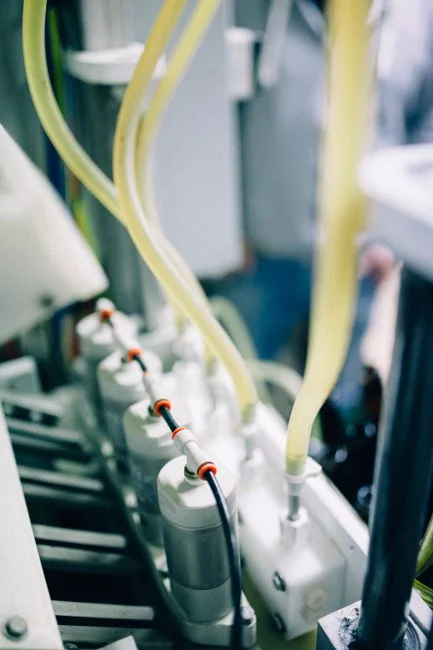
A working TSS removal train is staged end-to-end. Each stage trims a different fraction of the load, and the train only works if sizing at one stage matches the load handed off from the next.
Stage 1 — Headworks screening. Bar screens and rotary drum screens strip coarse debris. In food processing, rotary drum screens deliver 92–97% TSS removal at flows of 20–200 m³/h (HydropureWater rotary drum screen selection guide for food processing).
Stage 2 — Equalization and grit removal. Homogenization tanks even out flow and load; transfer pipelines should be designed above 0.3 m/s to prevent SS deposition (Sigma).
Stage 3 — Primary separation. Conventional primary clarifiers run at ~1 m³/m²/h surface overflow with 3–4 h retention; lamella or accelerated settling multiplies that rate by ~3× (Sigma). Primary sludge exits below 1% solids and is thickened to 3–4% before dewatering (Sigma).
Stage 4 — Secondary biological. Activated sludge, MBR, or bioflocculation degrades the organic TSS. The Cal Poly bench work showed aerobic reactors with ≥730 mg/L activated sludge dosed 1:1 against primary effluent achieved >200 mg/L TSS removal and <30 mg/L effluent — confirming biological polishing is technically feasible where mixed liquor concentrations are engineered, not assumed (Cal Poly thesis, Lefebvre 2012).
Stage 5 — Tertiary polishing. Multi-media filters and 0.03 µm PVDF ultrafiltration remove residual colloids; UF accepts up to 300 ppm turbidity influent with automatic backwash (HydropureWater UF system).
| Stage | Typical Unit Operation | Design Parameter | Expected TSS Removal |
|---|---|---|---|
| 1 — Headworks | Rotary drum / bar screen | 3 mm aperture, 20–200 m³/h | 92–97% |
| 2 — Equalization | Homogenization basin | Pipeline velocity >0.3 m/s | Load smoothing only |
| 3 — Primary | Clarifier / lamella / DAF | 1 m³/m²/h (gravity); 20–40 m³/m²/h (lamella) | 50–99% |
| 4 — Secondary | Activated sludge / MBR / bioflocculation | MLSS 2,000–4,000 mg/L (CAS); 6,000–12,000 mg/L (MBR) | 80–95% |
| 5 — Tertiary | Multi-media / UF 0.03 µm | Up to 300 ppm turbidity influent | Polishing to <5 mg/L |
Screening and Grit Removal at the Headworks
Bar screens and rotary mechanical bar screens are the first defense against rags, plastics, and fibrous debris that would otherwise rag up pumps and overload biological reactors. The GX series rotary bar screen runs continuous-duty at typical apertures of 3 mm and above, which protects downstream equipment without replacing any of the actual TSS treatment (Chemtech). Screens do not hit permit numbers on their own — that is the job of the clarifier, the DAF, or the bioreactor downstream. But under-sizing the headwork forces everything downstream to operate on a fouled feed, which is the most common cause of clarifier upsets and membrane flux decline. Finer apertures below 3 mm require self-cleaning rotary or drum screens with integrated brush or spray wash to stay open.
Sedimentation vs. DAF: Choosing the Right Primary Separator
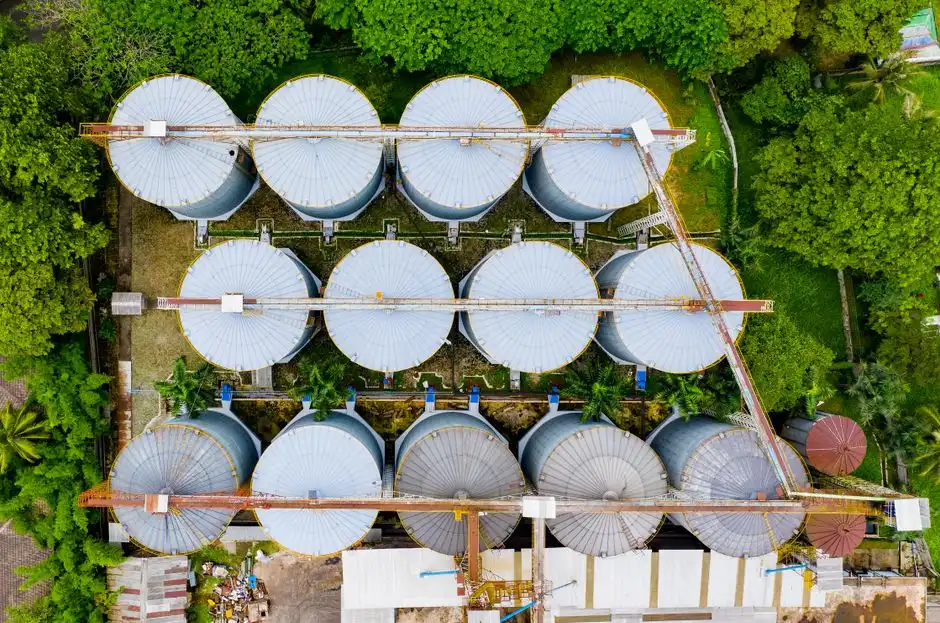
The single biggest buying decision at the primary stage is gravity settling versus dissolved air flotation, and the answer is driven by particle density, not flow rate. Conventional gravity clarifiers run at ~1 m³/m²/h overflow, 3–4 h retention, and produce sludge below 1% solids. The footprint is large, but capital cost is low and the unit is forgiving for dense inorganic TSS like metal-hydroxide sludges (Sigma). Lamella clarifiers use inclined plates to multiply effective settling area, pushing surface loading to 20–40 m³/m²/h and cutting coagulant use by up to 30% versus an equivalent gravity unit (HydropureWater lamella clarifier).
Dissolved air flotation takes a different route. Pressurized water is supersaturated with air, then depressurized through the flocculated feed; the resulting 20–80 µm microbubbles attach to floc and float it. Reported TSS removal reaches 99%, with float sludge at 4–5% solids without a thickener — roughly four to five times thicker than clarifier underflow (Sigma; HydropureWater DAF system). That thicker sludge is what shifts the lifecycle math for DAF in food processing, FOG, dairy, pulp & paper, and algae-laden streams where particles are too light or too oily to settle against gravity.
The decision rule of thumb from the field: if your solids sink easily and you have space, gravity or lamella wins on capex. If your solids float, carry oil, or carry a persistent surface charge that defeats coagulation economics, DAF earns its higher operating cost in chemical and sludge-handling savings alone. The DAF vs clarifier factory guide walks through one such chemical-plant decision in detail.
| Parameter | Gravity Clarifier | Lamella Clarifier | Dissolved Air Flotation (DAF) |
|---|---|---|---|
| Surface loading (m³/m²/h) | ~1 | 20–40 | 5–25 |
| Retention time | 3–4 h | 20–40 min | 20–60 min |
| Typical TSS removal | 50–70% | 60–85% | 80–99% |
| Sludge concentration out | <1% | 1–3% | 4–5% |
| Coagulant demand | Baseline | Up to 30% less | Higher (polymer + recycle gas) |
| Capex band (relative) | Low | Medium | Medium–High |
| Best-fit waste | Dense inorganic, metal hydroxide | Mid-density industrial | FOG, food, dairy, algae, oily |
Coagulation and Flocculation: Making Colloidal Solids Settleable
Colloidal TSS carries a negative surface charge that prevents particles from approaching each other close enough to agglomerate, which is why they slip past an unflocculated clarifier. Coagulants (aluminum sulfate, polyaluminum chloride, ferric chloride) neutralize that charge; flocculant polymers then bridge the destabilized particles into settleable or floatable flocs (Sigma, Chemtech). For any industrial stream, a jar test comes first — dose and pH are stream-specific, and the cost of getting them wrong is wasted chemical plus extra sludge mass for the dewatering stage to handle.
The honest limits of coag-floc: ongoing chemical cost, increased sludge volume, pH sensitivity, and zero impact on the organic load that keeps generating new TSS each cycle (Chemtech). That last point is why coagulation is paired with — not a substitute for — biological treatment downstream. On the hardware side, an automatic chemical dosing skid with PLC-controlled injection gives repeatable dose curves across flow swings, which is where most manual dosing programs fail under load.
Biological Treatment That Actually Reduces TSS at the Source
Physical and chemical methods remove TSS after it forms. Biological treatment degrades the organic compounds that become TSS in the first place, which is why facilities running active biomass programs hold compliance between dosing events rather than chasing it weekly (Chemtech). Healthy activated-sludge floc settles well on its own, because the extracellular polymers the bacteria exude naturally flocculate suspended particles.
The Cal Poly bioflocculation work is the most quotable data set in the SERP on this point. Sorption tests with 3,000 mg/L activated sludge drove algae-pond effluent from hundreds of mg/L TSS down to 40–50 mg/L in 30 minutes of settling with no chemicals added. Aerobic tests mixing 730 mg/L activated sludge 1:1 with primary effluent achieved >200 mg/L TSS removal and <30 mg/L effluent (Cal Poly thesis, Lefebvre 2012). The catch: those mixed-liquor concentrations are not free at full scale, and lagoon retrofits have to be engineered around achievable MLSS, not beaker numbers. For high-end polishing, the HydropureWater MBR system and the DF series submerged 0.1 µm PVDF module combine activated sludge with submerged membranes to deliver reuse-quality TSS at 10–20× lower energy than cross-flow designs. Operators weighing a lagoon upgrade against a new footprint should read the lagoon-to-MBR retrofit guide for the capex/opex trade-off.
Tertiary Filtration and Ultrafiltration for Tight Discharge Limits
When the permit or the reuse contract demands TSS well below 30 mg/L, the train gets a polishing stage. Multi-media filters (sand, anthracite, garnet) drop turbidity and lower the Silt Density Index ahead of reverse osmosis (HydropureWater multi-media filter). Hollow-fiber UF at 0.03 µm PVDF cuts colloids, bacteria, and turbidity up to 300 ppm influent without chemical addition, with automatic backwash and air scour built in (HydropureWater UF system). MBR effluent is already filtered below 1 µm, so it can skip a separate tertiary stage and feed RO or reuse directly — typically delivering a 60% smaller footprint than a conventional activated-sludge + tertiary train (HydropureWater MBR system).
Method Selection by Wastewater Type
The fastest way to lock in equipment is to match the waste stream to the unit operation that handles its dominant particle class. Food processing, FOG, and dairy streams are dominated by light, oily solids that defeat gravity settling — DAF first, then biological polishing. Municipal plants looking to add capacity without buying more land should evaluate MBR retrofits or activated-sludge upgrades with bioflocculation enhancement; both are covered in the lagoon-to-MBR retrofit guide. Algae-laden HRAP and stabilization-pond effluent is the strongest case for bioflocculation: the Cal Poly data show 40–50 mg/L effluent without chemicals, and the cost of running a coag program at full HRT is what kills pond retrofits (Cal Poly thesis, Lefebvre 2012). Metalworking fluids and oily drilling waste pair DAF with chemical conditioning, and add lamella polishing where sludge volume is the constraint. Textile and dye effluent needs coagulation-flocculation plus DAF, then biological or MBR for the residual organics that drive true color and COD.
| Waste Stream | Primary Method | Secondary / Polishing | Typical Effluent TSS |
|---|---|---|---|
| Food processing / FOG / dairy | DAF (80–99% removal) | Activated sludge or MBR | 10–30 mg/L |
| Municipal sewage (retrofit) | MBR or CAS + bioflocculation | UF if reuse | <10 mg/L (MBR) |
| Algae / HRAP pond effluent | Bioflocculation (low-dose MLSS) | Sand filter | 40–50 mg/L |
| Metalworking / oily fluids | DAF + chemical conditioning | Lamella polish | 20–50 mg/L |
| Textile / dye effluent | Coag-floc + DAF | Biological or MBR | 15–40 mg/L |
Frequently Asked Questions
What is the EPA limit for TSS in wastewater?
The U.S. EPA secondary treatment standard requires POTWs to achieve at least 85% TSS removal and ≤30 mg/L on a 30-day average effluent (Chemtech).
What TSS removal can a rotary drum screen deliver?
Rotary drum screens used in food processing typically achieve 92–97% TSS removal at flows of 20–200 m³/h, though they function as load reduction and equipment protection rather than a standalone permit solution (HydropureWater rotary drum screen selection guide for food processing).
How does a DAF compare with a lamella clarifier for industrial wastewater?
DAF achieves 80–99% TSS removal with float sludge at 4–5% solids, while lamella clarifiers reach 60–85% removal at 1–3% solids and 20–40 m³/m²/h surface loading. DAF wins on light, oily, or colloidal feeds; lamella wins on dense inorganic streams where microbubble generation isn't justified (Sigma; HydropureWater field data, 2026).
What pore size does an MBR use to remove TSS?
Submerged MBR modules use 0.1 µm PVDF membranes, which physically retain TSS and most bacteria while letting the activated-sludge mixed liquor stay in the reactor at 6,000–12,000 mg/L (HydropureWater DF series).
Can bioflocculation hit discharge standards without chemicals?
Cal Poly bench work showed bioflocculation with ≥3,000 mg/L activated sludge achieved 40–50 mg/L effluent in 30 minutes, and 1:1 activated-sludge-to-primary-effluent ratios at ≥730 mg/L achieved >200 mg/L removal and <30 mg/L effluent. Full-scale concentrations have to be engineered, not assumed (Cal Poly thesis, Lefebvre 2012).
What is the difference between MBR effluent and ultrafiltration (UF)?
MBR uses 0.1 µm membranes integrated with an activated-sludge reactor and delivers reuse-quality TSS as part of the biological step. Standalone hollow-fiber UF runs at 0.03 µm as a tertiary polish, accepts up to 300 ppm turbidity influent, and is typically added after conventional activated sludge to reach <5 mg/L TSS (HydropureWater UF system).
Related Equipment
- HydropureWater DAF system — specifications, capacity range, and technical data
- HydropureWater lamella clarifier — specifications, capacity range, and technical data
- HydropureWater UF system — specifications, capacity range, and technical data