Why Iran's Textile Effluent Needs a Dedicated Treatment Train
Textile wet processing consumes roughly 200 L of water per 1 kg of finished textile material (Yaseen & Scholz, 2019, S3), and in the Iranian synthetic-fiber sector this water leaves the plant as a chemically aggressive, hot, highly coloured stream that no default municipal STP recipe can handle. A Tehran or Isfahan plant discharging above Iran Department of Environment (IDOE) limits faces permit suspension and is now increasingly shut out of the irrigation-reuse pathway that water-stressed basins like the Zayandeh-Rud and Urmia Lake catchments are pushing on industrial users. The 2013 Heravi et al. survey of Iranian synthetic-fiber mills (S4) confirmed that colour, COD, salts and metal-chromophore complexes are co-present, while a 2026 Iranian LCA of a ZFT-MIL photocatalyst (S2) showed textile effluent can be treated economically to ~99% Reactive Blue 21 removal with a 40-year NPV near US$9.8×10⁴. The engineering question for 2026 is therefore not whether to treat, but how to assemble a four-stage train — screening, physico-chemical/DAF, biological (SBR or MBR), and advanced oxidation/polishing — that hits IDOE limits of As 0.1 mg/L, free Cl₂ ≤1 mg/L to surface water (≤0.2 mg/L for irrigation), Cl⁻ ≤600 mg/L, phenol negative to land and pH 6–9 (IDOE 2013, S4) on Iranian influent that can carry TDS up to 4,890 mg/L in rayon washing.
What's Actually in Iranian Textile Wastewater
The Heravi et al. 2013 dataset (S4) is still the only fibre-by-fibre snapshot of an Iranian mill influent, and it drives every equalization-basin and biological-stage sizing decision made today. Rayon washing is the most aggressive stream, with pH 8.5, BOD 383 mg/L, TDS 4,890 mg/L and a water consumption of 17–33 m³ per 1,000 kg of cloth; nylon washing is hot and alkaline (pH 10.4, BOD 136 mg/L, TDS 188 mg/L) at 56–66 m³ per 1,000 kg; acrylic washing sits at pH 9.7, BOD 219 mg/L, TDS 1,890 mg/L; and polyester washing consumes 50–80 m³ per 1,000 kg (S4). The "Turkish & salt" finishing wash pushes rayon effluent to TDS 4,890 mg/L and a low BOD of 58 mg/L, which is exactly the case where RO becomes mandatory for any reuse scenario. Dye concentrations overlap the global literature: 10–50 mg/L is typical, 100–200 mg/L is common in cotton mills, 600–800 mg/L was reported by Vandevivere et al. (1998, S3), and ADMI colour units sit in the 1,000–1,500 range for coloured effluents (S3). Reactive dyes dominate Iranian cotton dyeing and are notoriously resistant to biological oxidation because the azo bond requires reductive cleavage; disperse dyes (polyester), basic dyes (acrylic) and sulphur dyes (carpet) each bring their own metal-chromophore load — Cr, Cu, Co, Zn, Fe plus trace Hg and Pb (S3, S4). A final but often ignored variable is temperature: Iranian mills often run 40–60 °C effluent, which suppresses mesophilic activated-sludge kinetics and is one of the strongest arguments for selecting a thermophilic MBR or installing a cooling equalization stage.
| Stream (Iran, S4) | pH | BOD (mg/L) | TDS (mg/L) | Water use (m³/1,000 kg) |
|---|---|---|---|---|
| Rayon washing | 8.5 | 383 | 4,890 | 17–33 |
| Nylon washing | 10.4 | 136 | 188 | 56–66 |
| Acrylic washing | 9.7 | 219 | 1,890 | 15–21 |
| Polyester washing | — | — | — | 50–80 |
| Turkish & salt (rayon) | 6.8 | 58 | 4,890 | 4–12 |
| Polyester dyeing bath | — | — | — | 480–2,700 |
The Standard 2026 Process Train for Iranian Textile Mills
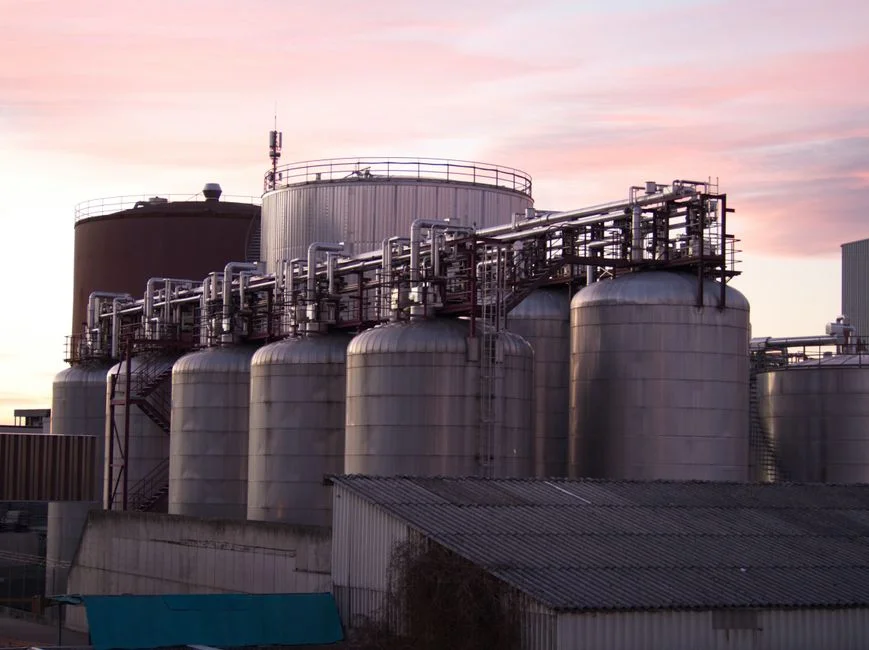
The train that 2026 Iranian mills are converging on runs in five blocks, each with a specific target parameter an engineer can verify on a daily log sheet. Stage 1 — Headworks: a rotary bar screen (3–6 mm opening) and grit chamber protect downstream pumps; this is non-negotiable for carpet and denim mills because fibre carryover is the single largest cause of premature pump and DAF-nozzle failure. Stage 2 — Equalization and neutralization: a 6–12 h hold dampens the pH 6–11 swings from batch dyeing, with an automatic chemical dosing system trimming pH to 6.5–7.5 before coagulation. Stage 3 — Physico-chemical: coagulant (PAC 100–300 mg/L) plus polymer (PAM 0.5–2 mg/L) followed by a dissolved air flotation system stripping 60–90% TSS and 50–70% colour in typical textile service; Heravi et al. note that chemical refining alone reaches ~95% colour removal on synthetic streams (S4). Stage 4 — Biological: either an SBR or, more commonly in 2026, an MBR membrane bioreactor that delivers 94% COD and 95% ammonia removal on Iranian synthetic effluent (S4) at a footprint roughly 60% smaller than conventional activated sludge. Stage 5 — Polishing: advanced oxidation (ozone, O₃/H₂O₂, photocatalyst) and/or UF/RO to hit the IDOE colour, salt and residual COD envelope; the 2026 ZFT-MIL study (S2) is the upper bound here, with ~99% Reactive Blue 21 removal and >97% retention after five reuse cycles at pH 3, 45 °C, 8 W UV.
| Stage | Unit operation | Target parameter out | Iranian data point |
|---|---|---|---|
| 1 Headworks | Rotary bar screen 3–6 mm + grit | No fibres > 3 mm | Mandatory for carpet/denim (S4) |
| 2 Equalization | 6–12 h hold, pH trim to 6.5–7.5 | pH 6.5–7.5, T < 40 °C | Dampens 6–11 swings (S4) |
| 3 Physico-chemical | PAC + PAM + DAF | 60–90% TSS, ~95% colour | EC + chem refining, S4 |
| 4 Biological | SBR or MBR | 94% COD, 95% NH₃ | S4 Iranian synthetic effluent |
| 5 Polishing / AOP | Ozone, O₃/H₂O₂, ZFT-MIL, UF/RO | ~99% RB21, TDS < IDOE | S2 2026 LCA, Iran |
DAF vs SBR vs MBR vs Ozone vs Photocatalyst: Choosing the Right Stage
Process selection is a CAPEX/OPEX trade-off, not a one-size-fits-all package. A dissolved air flotation system is the right pre-treatment for any dye-loaded, high-colloidal stream — typical textile DAF delivers 60–90% TSS and 50–70% colour at the lowest CAPEX and OPEX of any solid–liquid separation step, and it protects the downstream biological or membrane stage from shock loads. An SBR is the lowest-cost biological option and has been demonstrated at 94% COD and 95% ammonia on Iranian synthetic effluent (S4), but it cannot polish colour or residual recalcitrant organics on its own. The MBR membrane bioreactor produces a tighter effluent (TSS < 5 mg/L, COD < 50 mg/L) in roughly 60% of the footprint of conventional activated sludge, and the market data shows MBR adoption is accelerating wherever IDOE or irrigation-reuse consents are tight (see the MBR market 2026 outlook). Ozone or O₃/H₂O₂ gives 40–95% colour removal depending on dose and pH, but the electricity draw is high and there is a real bromate risk on high-bromide Iranian groundwater. Photocatalysis — ZnO-Fe₃O₄/TiO₂, MOF hybrids such as ZFT-MIL — set the upper bound, with ~99% RB21 removal and a 40-year NPV ≈US$9.8×10⁴ in the 2026 Iranian study (S2), but the same LCA shows >45% of lifecycle impact is electricity, so any 2026 installation should plan for solar-UV integration. The ozone oxidation guide for colour-bearing effluent is a useful comparator for AOP selection.
| Unit process | Best-fit stream | Removal / performance | CAPEX band | OPEX band |
|---|---|---|---|---|
| DAF (coag + flotation) | Colloidal, dye-loaded EQ effluent | 60–90% TSS, 50–70% colour | Low | Low (chem 15–25% OPEX) |
| SBR | Mid-strength synthetic effluent | 94% COD, 95% NH₃ (S4) | Low–Med | Low–Med |
| MBR | Reuse-quality, tight IDOE consent | TSS < 5 mg/L, COD < 50 mg/L | 1.5–2× CAS (membranes) | Med (membrane replacement) |
| Ozone / O₃-H₂O₂ | Reactive dye polishing | 40–95% colour, dose-dependent | Med | High (electricity, bromate watch) |
| ZFT-MIL photocatalyst | Reactive dye effluent, UV available | ~99% RB21, >97% after 5 cycles (S2) | Med–High | High unless solar-UV |
IDOE 2026 Compliance Checklist and Reuse Pathway
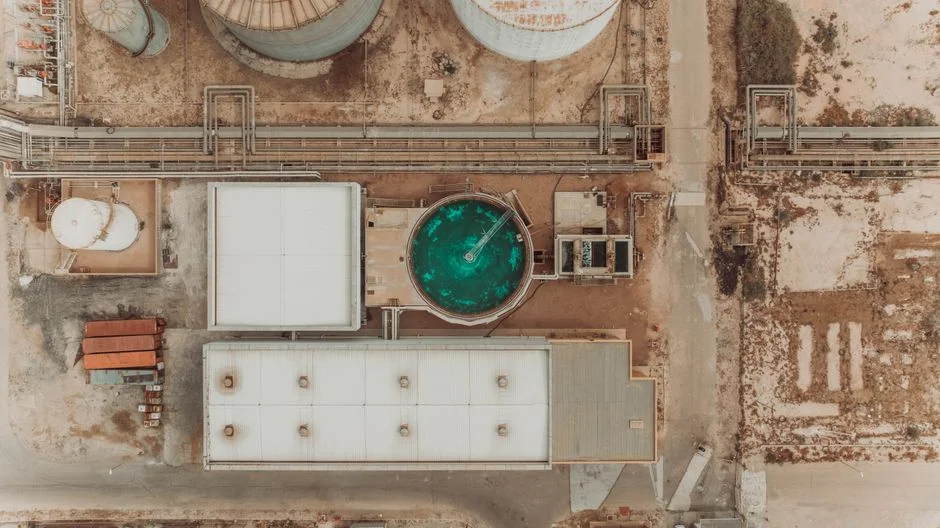
The IDOE 2013 limits (S4) remain the operative discharge thresholds in the scraped evidence, and no superseding circular is available in the public literature — flag that as a 2026 due-diligence item to confirm with a local consultant before procurement. For surface-water discharge, the headline numbers are As 0.1 mg/L, free Cl₂ 1 mg/L, Cl⁻ 600 mg/L, phenol 1 mg/L, pH 6–9 and TSS ≤30 mg/L (interpreted from the SBR-treated-class section of S4). For irrigation reuse, free Cl₂ tightens to 0.2 mg/L and phenol must be negative to land, which is why most 2026 reuse designs terminate in an industrial RO system to strip both residual Cl⁻ and trace organics. A defensible monitoring plan is daily flow + pH + conductivity, weekly COD/BOD/TSS/colour, monthly heavy metals (Cr, Zn, Pb, Hg) and an annual whole-effluent toxicity test. The PAC and PAM dosing optimization playbook is a useful operating reference for keeping coagulant spend inside the 15–25% OPEX band.
| Parameter | Surface water (IDOE 2013, S4) | Irrigation reuse (IDOE 2013, S4) |
|---|---|---|
| Arsenic (As) | 0.1 mg/L | 0.1 mg/L |
| Free Cl₂ | 1 mg/L | 0.2 mg/L |
| Chloride (Cl⁻) | 600 mg/L | 600 mg/L |
| Phenol | 1 mg/L | Negative |
| pH | 6–9 | 6–9 |
| TSS | ≤ 30 mg/L | ≤ 30 mg/L |
CAPEX, OPEX and 2026 Cost Realities
For a 1,000–5,000 m³/d Iranian textile mill, full-train CAPEX typically lands in the US$0.4–1.2 per L/d of installed capacity band, with the biological stage absorbing roughly 40% of that spend; an MBR upgrade over conventional activated sludge is on the order of 1.5–2× on the membrane line, which the MBR market 2026 outlook documents. The 2026 ZFT-MIL Iranian case study (S2) sets a high-end AOP benchmark: a 40-year NPV of ≈US$9.8×10⁴ with >45% of lifecycle impact from electricity, which translates to roughly US$0.05–0.15/m³ of electricity-driven OPEX increment for the advanced oxidation block. On the operating side, PAC/PAM chemicals typically consume 15–25% of OPEX, sludge handling 10–20%, and energy 30–45% — confirming that electricity, not chemistry, is the dominant 2026 cost lever. For CAPEX/OPEX calibration against comparable plants, the Saskatoon cost breakdown is a useful peer reference. The PAC and PAM dosing optimization playbook walks through the chemical-spend levers in more detail.
Frequently Asked Questions
What is the standard 2026 process train for textile wastewater in Iran?
A four-to-five-stage train of screening, equalization, physico-chemical (coagulation/DAF), biological (SBR or MBR), and advanced oxidation or RO polishing is the 2026 standard, designed to cut COD by ≥90%, BOD₅ by ≥95% and colour by ~95% on Iranian synthetic effluent. Heravi et al. 2013 (S4) confirm SBR hits 94% COD and 95% ammonia on Iranian streams; a ZFT-MIL photocatalyst reached ~99% Reactive Blue 21 removal in 2026 (S2).
Which IDOE limits govern discharge and irrigation reuse for an Iranian textile mill in 2026?
IDOE 2013 (S4) sets As 0.1 mg/L, free Cl₂ 1 mg/L to surface water (0.2 mg/L for irrigation), Cl⁻ 600 mg/L, phenol 1 mg/L to surface water (negative to land), pH 6–9, and TSS ≤30 mg/L. The 2013 limits are the operative thresholds in the public evidence; confirm any superseding circular with a local consultant before procurement.
Is DAF or MBR the better choice for an Iranian textile plant in 2026?
Use a dissolved air flotation system as pre-treatment for any dye-loaded stream — 60–90% TSS and 50–70% colour at the lowest CAPEX/OPEX. Step up to an MBR membrane bioreactor when the consent or the reuse pathway requires TSS < 5 mg/L and COD < 50 mg/L, and pair MBR with an industrial RO system for irrigation-reuse quality.
How much water does an Iranian textile mill actually consume, and what does that mean for sizing?
Wet processing consumes roughly 200 L of water per 1 kg of finished textile (Yaseen & Scholz, 2019, S3); for a 5,000 m³/d Iranian synthetic-fiber mill that maps to about 25 t/d of textile output. The implication for sizing is that the equalization basin must absorb pH 6–11 swings and that a rayon-wash stream at TDS 4,890 mg/L (S4) effectively forces RO into any reuse design.