
How Tel Aviv's Domestic Sewage System Actually Works in 2026
Domestic sewage treatment in Tel Aviv in 2026 is built around the Shafdan (Dan Region) plant south of the city, which treats roughly 130 million m³ per year and enables 100% reuse of Tel Aviv metropolitan sewage for irrigation. New residential, hotel, and hospital projects typically deploy a packaged A/O or MBR train sized for 50–2,000 m³/day to meet Israel's 2010 Public Health Regulations on Effluent Quality, with tertiary filtration required where reuse or stream discharge is planned. The headline "100% reuse" figure, however, masks two real-world gaps that any new project must design around.
First, only about 56% of treated effluents in Israel reached tertiary level in 2020, and 40 of the 87 largest wastewater treatment plants (46%) did not treat effluents to a tertiary level that allows unrestricted agricultural irrigation (State Comptroller, January 2024). Second, about 40% of all effluents were treated in 13 large wastewater treatment plants that were already operating above 100% of design capacity in 2021 — Shafdan included. That means the regional trunk system cannot be relied on as a pressure-release valve for a new Tel Aviv project; the influent you generate has to be handled upstream of the trunk or sized for on-site reuse. The Water Authority and the Ministry of Health jointly police the Public Health Regulations (Effluent Quality Standards and Rules for Sewage Treatment), 2010 (hereafter the 2010 Effluent Quality Regulations), and the Ministry of Environmental Protection enforces discharge permits — a three-ministry oversight structure that any packaged plant supplier must answer to.
For a developer or facilities manager, the practical reading is simple: Shafdan is the regional backbone that justifies Tel Aviv's reputation as a global reuse leader, but capacity strain and the tertiary gap mean your project's compliance is something you have to design and prove yourself. Comparable packaged plant sizing logic for UK domestic flows is laid out in this 2026 process and compliance guide for domestic sewage treatment in Bristol, and the 2010 Effluent Quality Regulations map directly onto the same parameters a packaged MBR STP for hotels has to clear in Frankfurt (see the Frankfurt packaged MBR STP selection guide for the cross-reference).
Influent Characteristics and Design Loads for Tel Aviv Domestic Flows
Tel Aviv domestic sewage is warm, moderately strong, and salty-influenced by coastal aquifer infiltration during the dry season. The design envelope most Israeli consulting engineers use is BOD₅ 200–300 mg/L, COD 400–600 mg/L, TSS 200–300 mg/L, total nitrogen (TN) 30–50 mg/L, and total phosphorus (TP) 5–10 mg/L. Per-capita flow benchmarks are 200 L/cap/day for residential design and 250–300 L/cap/day for hotels and hospitals, with a 2.0–2.5 peaking factor for the morning and evening demand cycles that a Mediterranean occupancy pattern produces.
Worked against a 200-unit residential block at 3.5 persons per unit, that is 700 residents × 200 L = 140 m³/day average, peaking to roughly 350 m³/day at a 2.5 factor. A 200-room hotel at 1.8 occupants per room and 280 L/cap/day generates about 100 m³/day average and 220 m³/day peak at a 2.2 factor. These are the numbers you anchor reactor sizing to before you ever see a site-specific influent sample. Temperature in the Tel Aviv coastal catchment ranges from about 18 °C in winter to 28 °C in summer, which keeps biological kinetics well above the 12 °C minimum most packaged A/O designs are derated for, so winter is rarely the limiting season — peak wet-weather flow is.
Wet-weather blending is the variable that catches new projects out. Tel Aviv's combined sewer overflows along the Yarkon and Ayalon corridors discharge during heavy winter rain, and the December 2017 Dolphinarium beach complaint to the Tel Aviv Municipality is a documented public case of a coastal outfall releasing what residents described as sewage during a rain event (Secret Tel Aviv Facebook group, 2017-12-24). For a packaged plant, that means the headworks must handle grit, rag, and peak hydraulic load in parallel without bypassing the biological stage, and any upstream storage or flow equalisation has to be sized for at least a 4–6 hour peak — not just an average diurnal curve. Design that ignores the wet-weather peak and you get a plant that fails its own permit the first time it rains in November.
The 2026 Process Train: Pretreatment, Biological, Tertiary, Disinfection
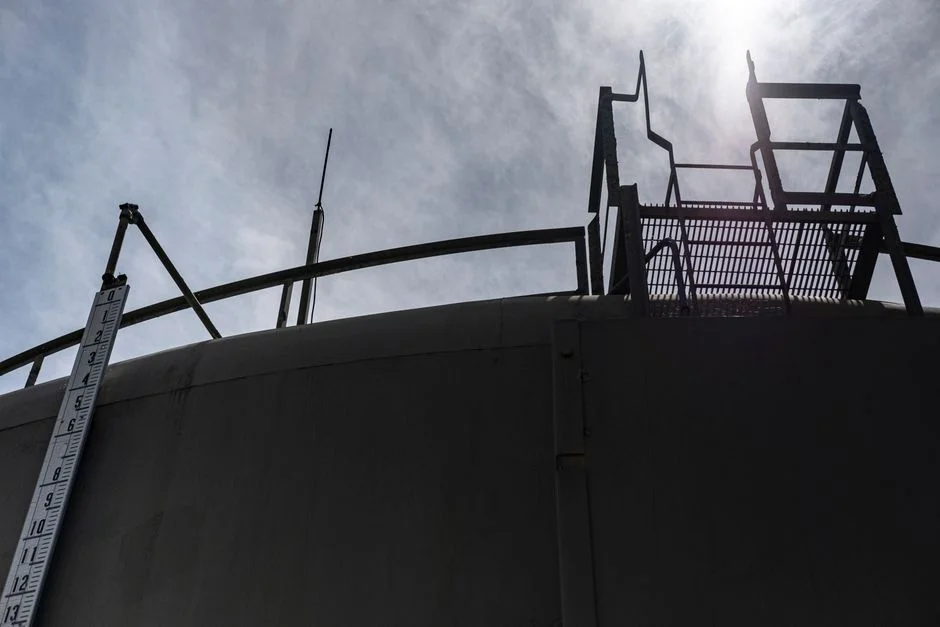
A 2026-ready Tel Aviv domestic train has four blocks: pretreatment, biological, tertiary, and disinfection, with sludge handling as a parallel line. The pretreatment block starts with a coarse bar screen at 20 mm followed by a fine screen at 3–6 mm; the GX rotary mechanical bar screen at the headworks is the workhorse for continuous fine screening, removing rags, plastics, and fibrous debris that would otherwise rag aerators and clog membranes. Grit removal follows, sized for a 0.2–0.3 m/s captive velocity in the grit channel.
The biological block is normally an anoxic/aerobic (A/O) contact-oxidation stage for packaged domestic plants, with hydraulic retention time (HRT) 8–12 hours, mixed liquor suspended solids (MLSS) 3,000–5,000 mg/L, and food-to-microorganism (F/M) ratio 0.05–0.15 kg BOD/kg MLSS·d. Reactor zoning should split the volume roughly 25% anoxic (for denitrification of the 30–50 mg/L TN load) and 75% aerobic, with internal mixed-liquor recycle at 2–3× the influent flow. A high-efficiency sedimentation tank based on lamella plate geometry gives the secondary clarifier a footprint advantage and is also the right place to dose coagulant if chemical phosphorus removal is needed to meet a strict TP ceiling.
The tertiary block is where most Israeli plants fall short of the 2010 Effluent Quality Regulations: about 46% of the largest treatment plants did not treat to a tertiary level in 2021 (State Comptroller 2024). For a project targeting unrestricted agricultural irrigation, cloth-media or sand filtration to ≤5 mg/L TSS is the minimum, with a continuous backwash loop and a polishing cartridge if turbidity downstream of the filter exceeds 1 NTU. Disinfection is typically UV for chemical-free operation against Cryptosporidium and Giardia, with the UV sterilizer sized for a 40 mJ/cm² dose at the peak hourly flow; chlorine dioxide (ClO₂) is the alternative when a residual is needed in a long irrigation main. Sludge handling runs through a plate and frame filter press to dewater to 20–25% dry solids, sized on a yield of about 0.5 kg dry solids per kg BOD removed.
Packaged A/O vs. SBR vs. MBR: Which Train Fits a Tel Aviv Project
Three packaged architectures are realistic for the 50–2,000 m³/day envelope in Tel Aviv: a buried A/O contact-oxidation package, a sequencing batch reactor (SBR), and an integrated membrane bioreactor (MBR). Each has a different footprint, energy, and effluent signature, and the choice usually comes down to whether the effluent has to be reused for irrigation or only discharged.
| Parameter | WSZ A/O package (buried) | SBR package | Integrated MBR |
|---|---|---|---|
| Flow envelope | 1–80 m³/h (24–1,920 m³/day at 24 h) | 50–500 m³/day | 10–2,000 m³/day |
| Reactor logic | Continuous-flow anoxic + aerobic contact oxidation | Single-tank fill–react–settle–decant cycle | Continuous A/O with submerged PVDF membrane cassette |
| Footprint | Smallest (buried under landscaping) | Medium (single tank, taller) | ~60% smaller than CAS at same load |
| Energy (kWh/m³) | 0.4–0.6 | 0.5–0.7 | 0.7–1.0 |
| BOD₅ target (mg/L) | ≤30 | ≤25 | ≤10 |
| COD target (mg/L) | ≤100 | ≤80 | ≤50 |
| TSS target (mg/L) | ≤30 | ≤25 | ≤5 |
| Turbidity target (NTU) | ≤10 | ≤5 | ≤1 |
| Operator requirement | None (fully automatic) | Periodic visual check | Membrane CIP 1–2× per year |
| Best fit | Residential blocks, small hotels, budget projects | Variable-occupancy hotels, resorts with low-season shutdowns | Strict reuse, footprint-constrained sites, hospital effluent |
The WSZ underground A/O package plant is the lowest-CAPEX option and the right default for a 50–200 m³/day residential or small-hotel flow where the effluent goes to a non-restricted discharge. The SBR variant is preferred when occupancy is highly variable — a holiday resort that idles for two months a year, for example — because the fill-react-settle-decant cycle can be paused and ramped without washing out the biomass. The integrated MBR system with a DF series PVDF flat sheet membrane module is the choice when the effluent has to clear a strict reuse or stream-discharge limit at sub-1 NTU turbidity, or when the site is too tight for a clarifier. Energy rises across the three options in line with the effluent quality they deliver; the reader should not pick on first cost alone.
Meeting the 2010 Effluent Quality Regulations in 2026
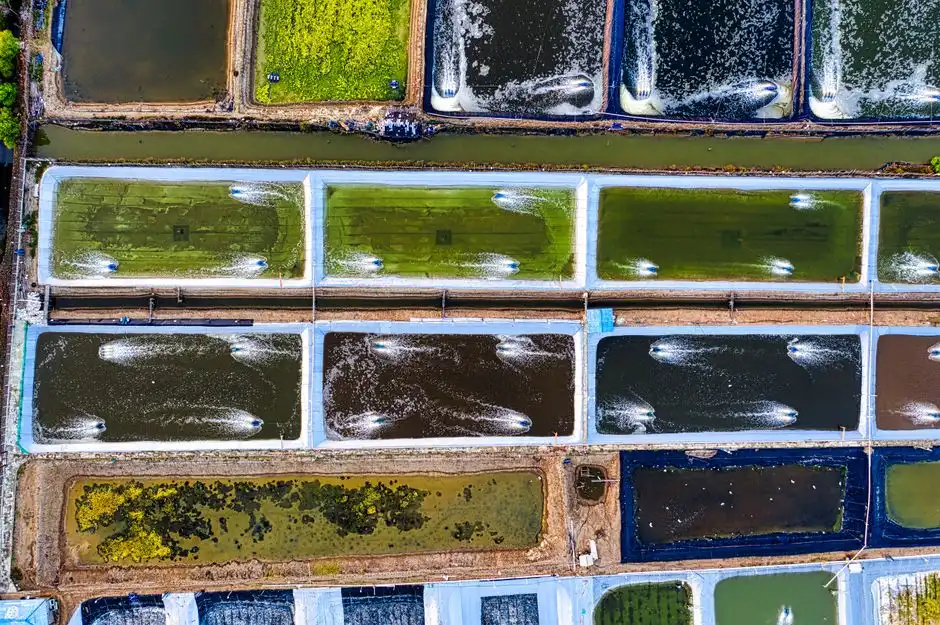
The binding domestic discharge standard is the Public Health Regulations (Effluent Quality Standards and Rules for Sewage Treatment), 2010, jointly enforced by the Ministry of Health and the Water Authority. The regulation distinguishes two relevant discharge tiers for a new Tel Aviv project: stream discharge, and unrestricted agricultural irrigation in hydrologically sensitive areas — the latter being the strictest tier a packaged plant is likely to face. Two State Comptroller (January 2024) findings set the buyer-side benchmark: 100% of effluents used in 2016 for irrigation in high-sensitivity areas did not meet the quality requirements, and about 88% of effluents discharged to streams in 2020 did not meet the regulation's stream-discharge quality. A 2026 supplier should be able to produce third-party effluent test reports, not just design targets, for all parameters in the table below.
| Parameter | Stream discharge (working target) | Unrestricted irrigation, high-sensitivity area (working target) |
|---|---|---|
| BOD₅ (mg/L) | ≤20 | ≤10 |
| COD (mg/L) | ≤100 | ≤50 |
| TSS (mg/L) | ≤30 | ≤10 |
| TN (mg/L, as N) | ≤25 | ≤15 |
| TP (mg/L, as P) | ≤5 | ≤2 |
| Fecal coliforms (CFU/100 mL) | ≤1,000 | ≤200 |
| Turbidity (NTU) | — | ≤1 (irrigation main) |
These working targets are the design envelope a packaged MBR has to clear in 2026 to be defensible against the State Comptroller findings; they are tighter than typical A/O package output and they are the reason stream-discharge quality failed in 88% of the 2020 national sample. A stream-discharge application can sometimes be served by A/O plus filtration; an irrigation-in-high-sensitivity application is effectively an MBR problem. Note that the table reflects working targets and not the verbatim text of the 2010 Effluent Quality Regulations, which is structured by parameter and crop type and should be reviewed clause-by-clause for the specific reuse case before submission.
Sizing a Tel Aviv Hotel or Residential Block: A 200-Room Worked Example
Take a 200-room Tel Aviv hotel at 1.8 average occupants per room and 280 L/cap/day. Average design flow is 200 × 1.8 × 280 = 100.8 m³/day, and peak at a 2.2 factor is about 222 m³/day — round to 100 m³/day average and 220 m³/day peak. At an influent BOD₅ of 200 mg/L, the daily BOD load is 0.2 kg/m³ × 100 m³ = 20 kg/day, and the aerobic reactor volume for a 10-hour HRT at average flow is V = Q × HRT = 100 × 10/24 ≈ 42 m³.
Two packaged options fit. The first is an MBR sized at roughly 200 m³/day (i.e. sized to peak, not average, so the membranes and tankage have hydraulic headroom for the morning and evening demand spikes), delivering the ≤10 mg/L BOD, ≤50 mg/L COD, ≤5 mg/L TSS envelope and clearing the high-sensitivity irrigation tier; this is the right pick when the hotel is irrigating landscaping on-site or feeding a third-party reuse main. The second is a buried A/O package at 100 m³/day average, which is the CAPEX option if the project discharges to the municipal trunk and reuse is not in scope. Sludge production at 0.5 kg dry solids per kg BOD removed is about 10 kg DS/day, dewatered on a small plate and frame press to ~20% dry solids for off-site disposal. For residential blocks, a comparable UK process train for domestic sewage in Sheffield in 2026 is a useful cross-check on HRT and MLSS assumptions, though the Israeli influent is typically warmer and the peaking factor sharper.
2026 Compliance Checklist Before You Sign a Supplier Contract

- Confirm tertiary treatment is built in if any portion of the effluent will be reused for irrigation in a hydrologically sensitive area, in line with the 2010 Effluent Quality Regulations.
- Require third-party effluent test reports at BOD, COD, TSS, TN, TP, and fecal coliforms — not just the supplier's design targets. The State Comptroller (January 2024) found 100% of effluents used for irrigation in high-sensitivity areas in 2016 failed to meet quality requirements, so proof-of-performance data is non-negotiable.
- Specify PLC control with remote alarming, given the 135% rise in sewage and effluent malfunctions reported to Israel's Environmental Call Center from 657 in 2017 to 1,544 in 2022 (State Comptroller 2024).
- Size the plant for 80–90% of its nameplate loading rather than 100%, so it does not become one of the 13 large WWTPs already operating above design capacity and unable to accept new connections.
- Confirm sludge handling and disposal route before commissioning, not after — particularly because the State Comptroller found 84% of large-plant non-compliance on at least one target parameter in 2021, and sludge handling is where the secondary non-compliances tend to accumulate.
- Match the train to the discharge tier: A/O package for non-restricted stream discharge, MBR for high-sensitivity irrigation reuse — do not over-spec a stream-discharge project with an MBR if land is available and reuse is not in scope.
Frequently Asked Questions
What regulation governs domestic sewage effluent quality in Israel in 2026?
The Public Health Regulations (Effluent Quality Standards and Rules for Sewage Treatment), 2010, jointly enforced by the Ministry of Health, the Water Authority, and the Ministry of Environmental Protection, sets the binding BOD, COD, TSS, nutrient, and microbial limits. The regulation distinguishes stream discharge from unrestricted agricultural irrigation, with the latter being the strictest tier.
Does Shafdan treat 100% of Tel Aviv's domestic sewage?
Shafdan, the Dan Region plant south of Tel Aviv, treats approximately 130 million m³/yr and underpins the claim that 100% of the Tel Aviv metropolitan area's sewage is treated and reused for irrigation (Wikipedia, "Water supply and sanitation in Israel"). The State Comptroller (January 2024) notes, however, that 13 large WWTPs including Shafdan were operating above 100% of design capacity in 2021, so new projects should not assume spare trunk capacity.
What is the typical tertiary treatment gap for Israeli wastewater?
About 56% of Israeli effluents reached tertiary level in 2020, well below OECD benchmarks, and 46% of the 87 largest WWTPs (40 plants) did not treat to a tertiary level that allows unrestricted agricultural irrigation (State Comptroller, January 2024). A 2026 new project should specify tertiary filtration and UV or ClO₂ disinfection up front.
Which packaged train is best for a 50–500 m³/day Tel Aviv hotel or residential flow?
For non-restricted discharge a buried A/O package such as the WSZ series is the lowest-CAPEX option; for unrestricted irrigation reuse, an integrated MBR with PVDF submerged membranes is the right pick because it clears the ≤10 mg/L BOD, ≤50 mg/L COD, ≤5 mg/L TSS, and ≤1 NTU envelope that the 2010 Effluent Quality Regulations demand for high-sensitivity irrigation.